







Best Hair Transplant Clinic Software in the US (2026 Guide)
Compare five practice management platforms built for US hair transplant clinics ...

March 25, 2026

Buy now, pay later is now available in Pabau

Pabau is best for multi-disciplinary, multi-location clinics needing deep clinical documentation, automation, and UK/EU/US (HIPAA) compliance.
Moxie is purpose-built for solo injectors and small US-based medical spas prioritising lean setup and built-in marketing.
Pabau offers broader integrations, including Healthcode for UK insurance billing; Moxie’s integrations focus on US medspa tools.
Neither platform publishes its full pricing publicly – both require direct contact to confirm current costs.
Pabau has verified user reviews across Capterra, G2, and Trustpilot; Moxie has limited public reviews.
Choosing between Pabau vs Moxie comes down to scale, complexity, and growth trajectory of your practice. Both platforms serve the aesthetics and medical spa market, but they are built around fundamentally different operational assumptions. Pabau is a comprehensive clinic management platform that supports multi‑location practices, integrated clinical documentation, advanced scheduling, and compliance workflows for clinics in the UK, EU, and US (including HIPAA‑aligned practices). Its breadth of features is designed to accommodate the needs of larger medspas, dermatology clinics, and multi‑practitioner settings with deep operational requirements.
Moxie is a purpose‑built platform focused primarily on US‑based medspas and aesthetic practices, with an emphasis on quick setup, business coaching, built‑in marketing tools, and client acquisition support.
This comparison covers scheduling, clinical documentation, marketing, compliance, pricing, and integrations – giving you a clear picture of where each platform excels and where it falls short for your specific practice model. For clinic owners evaluating medspa management software, the decision often hinges on whether your priority is operational depth or simplicity of launch.
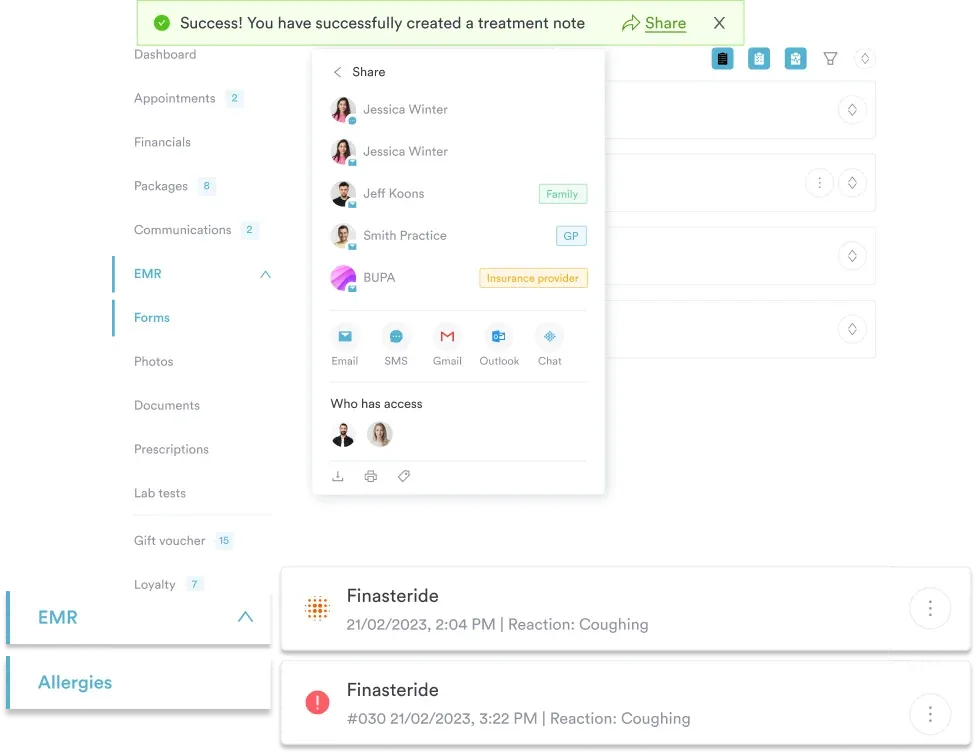
Clinical documentation is where the gap between Pabau and Moxie becomes most apparent. Pabau includes a full suite of medical record-keeping tools: customisable consultation forms, digital consent forms, treatment notes, and before and after photo storage – all structured within a single client record. These are not bolt-on features. They are core to how the platform manages the clinical workflow from first contact through to follow-up.
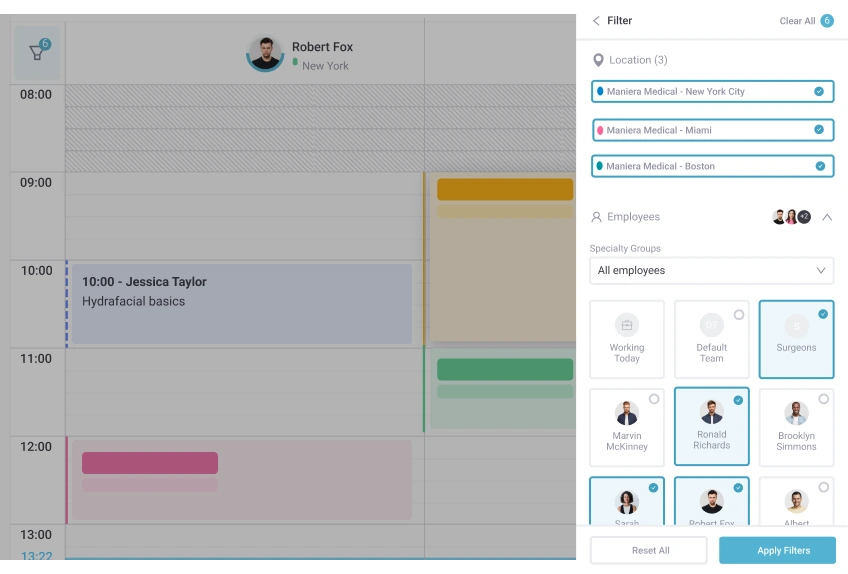
Moxie’s documentation tools focus on charting and compliance features tailored for medspa practices. Its EMR includes customizable charting templates, intake and consent forms, audit‑ready compliance workflows, and organized patient records, designed specifically for aesthetic medicine.
Where the platforms differ is configurability and breadth of clinical tools. Pabau’s record‑keeping is highly customizable across a wider range of service types and clinical contexts, which benefits clinics offering multiple treatment modalities (e.g., injectables, skin therapies, laser, allied health services). Moxie’s tools, while comprehensive for medspa‑specific workflows, are streamlined around the needs of aesthetic practices and may be perceived as more focused rather than broadly configurable for diverse clinical models.
Pabau’s injection plotting tool allows practitioners to map treatment sites precisely on anatomical diagrams, creating an auditable visual record particularly valuable for toxin and filler work. For practices subject to CQC inspection or operating under UK medical aesthetics standards, this level of documentation granularity is practically a requirement rather than a convenience. Moxie does not offer an equivalent feature at this depth, according to its product positioning for simpler aesthetic workflows.
Clinics that use digital intake forms for patient onboarding will find Pabau’s form builder more configurable – custom fields, conditional logic, and pre-treatment questionnaires can all be built and sent to clients before appointments. This reduces in-clinic admin time and creates a documented consent trail that holds up in clinical audits.
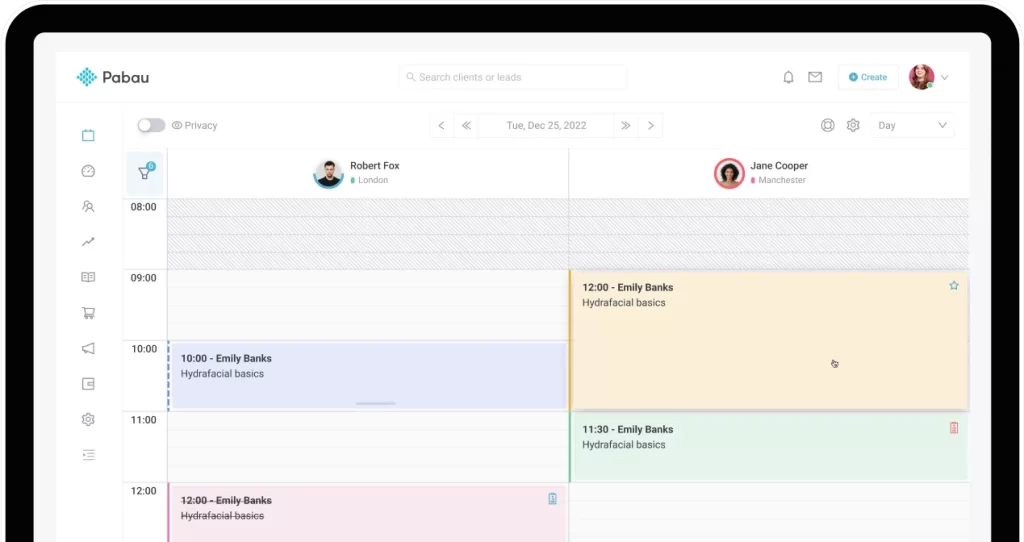
Both platforms offer online booking, but the underlying architecture differs significantly. Pabau’s online booking system supports multi-location scheduling, multiple practitioners, service categories, and complex availability rules, making it suitable for clinics that operate across more than one site or coordinate between several clinical staff members.
Moxie’s scheduling is designed for a US-based solo injector or small team environment. Self-booking is straightforward for clients, and the setup time is minimal. For a nurse injector launching an independent aesthetic practice, Moxie’s booking workflow gets you operational quickly without configuration overhead. The trade-off appears when the practice grows: multi-location support and complex practitioner scheduling are not areas where Moxie’s architecture is optimised, based on its stated focus on solo and small medspa operators.
Pabau’s multi-location management tools allow clinic owners to manage calendars, staff rotas, and inventory across multiple sites from a single dashboard. This is a material operational advantage for group practices or clinics planning expansion – a scenario Moxie’s current product positioning does not target.
Moxie’s primary strength is focus. The platform is built specifically for medical spas and injectors in the US market, meaning its default workflows, terminology, and feature set align closely with how these practices actually operate. A new medspa owner launching an aesthetic practice will find a platform tailored to that workflow: quick client onboarding, medspa-specific consent forms, and built-in marketing tools designed to help attract clients from day one.

The marketing suite Moxie provides is genuinely oriented toward practice growth. Reputation management, client messaging, and retention tools are positioned as central to the platform rather than optional add-ons. For a practitioner whose main operational challenge is filling their appointment book, this is a meaningful differentiator. The American Med Spa Association (AmSpa) has noted that client acquisition and retention tooling is among the top operational priorities for independent medspa operators in the US market.
Setup speed is another real advantage. Moxie is designed to minimise time-to-launch, which matters for practitioners transitioning from a salon or spa environment or starting their first independent aesthetic business. The platform’s US-market focus also means its default compliance framing is aligned with HIPAA requirements, according to Moxie’s product positioning.
Moxie’s vertical focus is also its main constraint. Practices operating outside the US, or those running multi-discipline service menus, may find the platform less aligned with local regulatory and operational requirements. Moxie’s publicly available documentation does not highlight dedicated support for UK or EU regulatory frameworks such as GDPR-specific workflows, CQC inspection requirements, or integrations with services like Healthcode used for UK insurance billing.
Integration breadth may also be more limited for clinics operating outside the US medspa ecosystem. Moxie’s integrations appear to focus primarily on tools commonly used by American aesthetic practices. Clinics requiring connections to UK accounting systems, specialist EMR platforms, or region-specific healthcare payment processors may not find native integrations readily available.
The platform is also primarily positioned for single-location medspa practices. Clinics operating across multiple locations, or those needing consolidated reporting and operational coordination across sites, may find fewer built-in management tools than platforms designed specifically for larger clinic groups.
Pabau’s core strength is operational breadth. The platform covers the full clinic management workflow: scheduling, clinical documentation, consent forms, email and SMS marketing, loyalty programmes, inventory management, staff commissions, and financial reporting – within a single integrated system. For a clinic owner who has previously managed these functions across three or four separate tools, consolidating onto Pabau removes a significant administrative burden.
According to Capterra reviewers, Pabau earns a 4.5 out of 5 rating based on over 370 verified reviews. Reviewers consistently highlight the platform’s all-in-one depth, multi-location support, and the quality of customer onboarding and support. Automated reminders, customisable forms, and marketing automation are cited as the features that deliver the most day-to-day time savings.
For UK and European clinics, Pabau’s compliance architecture is a clear differentiator. The platform is built with GDPR and CQC compliance considerations, and it integrates with Healthcode for UK insurance billing – a requirement for any clinic processing private health insurer claims. No equivalent capability exists in Moxie’s current product. Clinics in markets governed by strict medical record retention requirements will find Pabau’s audit trail and data handling tools align with those obligations in a way that a US-medspa-focused product cannot replicate.
Pabau also supports automated workflows across the full client journey: pre-appointment reminders, post-treatment care instructions, rebooking prompts, and review requests can all be triggered automatically based on treatment type and timing. This reduces the manual follow-up burden on clinical teams while maintaining consistent client communication at scale.
Capterra reviewers note a meaningful learning curve for new users, particularly those moving from simpler booking tools. Pabau’s breadth of configuration options means the initial setup requires time and attention – something that can feel overwhelming for a solo practitioner or small team without dedicated admin support. Some users also report that the mobile app experience could be improved for clinical use on the go, and occasional slow load times have been flagged in a small proportion of reviews.
Feature data based on official product documentation and positioning as of 2026. Features marked ⚠️ Not confirmed were not verifiable in publicly available product information – verify directly with each vendor.
Moxie does not publish full pricing details publicly, which means a direct cost comparison typically requires contacting the vendor. Pabau, however, lists its starting price publicly, with plans beginning at $65 per user per month. Pabau uses a subscription model with tiered pricing based on the number of users and features required – structured to scale from small single-practitioner clinics through to enterprise multi-site operations. Pricing details are available directly through Pabau’s pricing page.
Moxie’s pricing is structured for individual injectors and small medspa teams, with growth-oriented tiers designed to scale as the practice adds capacity. Because Moxie’s US-market focus shapes its commercial model, clinics outside the US should confirm whether the platform’s pricing tiers and payment currency options are appropriate for their market before committing.
One practical consideration: Pabau’s integrated payment processing and financial reporting tools mean the platform covers end-to-end revenue management within a single subscription. Practices that currently pay separately for a booking tool, an email marketing platform, and a payment processor will often find the consolidated cost of Pabau comparable to or less than their combined existing spend. Always verify current pricing directly with both vendors before making a purchasing decision – rates change and promotional offers are not always reflected in published information.
Before requesting a pricing quote from either platform, document your current monthly software costs across all tools – booking, CRM, marketing, payments, and reporting. This gives you a direct comparison baseline and makes it easier to identify whether a consolidated platform reduces total spend even if the headline subscription price appears higher.

Pabau handles scheduling, clinical records, consent forms, marketing automation, and payments in a single system – built for aesthetic and medical clinics at every stage of growth.

Integration ecosystem is one of the clearest differentiators in this Pabau vs Moxie comparison. Pabau connects with a broad range of third-party tools, including payment processors, accounting platforms, and healthcare-specific systems. For UK clinics, the Healthcode integration for insurance billing is a specific capability not available in Moxie. Pabau’s full integration list is available at pabau.com/integrations.
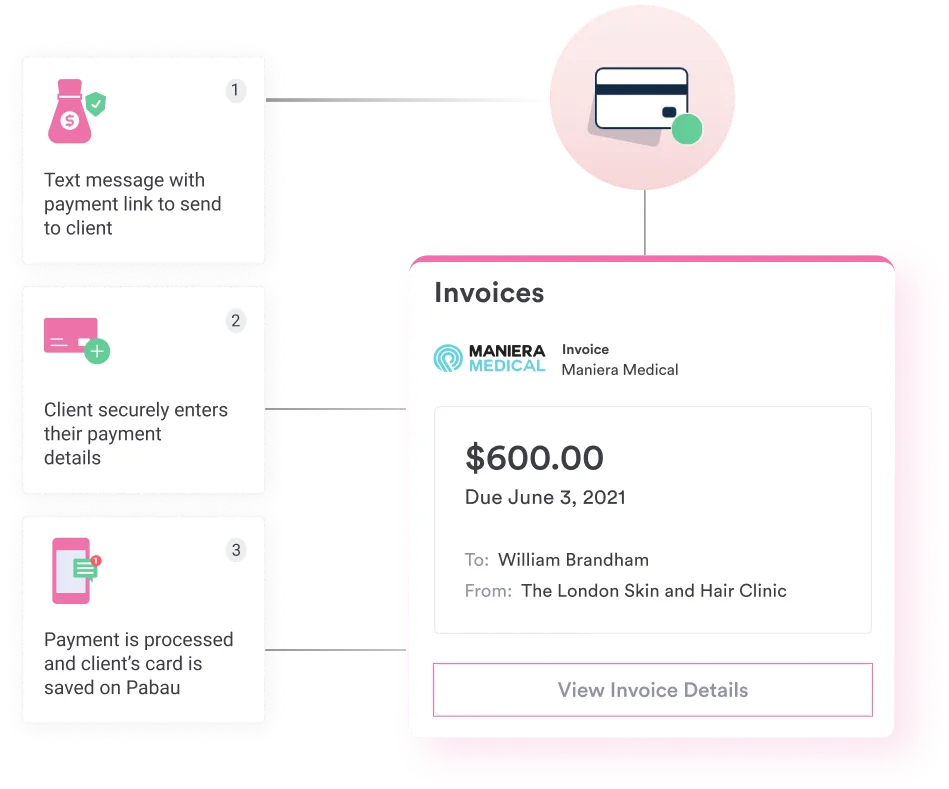
Moxie’s integrations are focused on tools relevant to US medspa operations – primarily payment processors and marketing platforms common in that market. Clinics requiring connections to UK or European accounting systems, specialist healthcare APIs, or insurance billing infrastructure may not find Moxie’s integration layer sufficient for their operational needs.
When it comes to regulatory compliance, Pabau supports multi-region requirements, including GDPR and CQC workflows for UK/EU practices as well as HIPAA and US medspa standards, making it suitable for clinics operating across multiple markets. Moxie’s compliance architecture is focused on HIPAA requirements for US medspas. Practices in the US will find Moxie’s compliance framework directly applicable, while clinics in the UK, Europe, or other international markets should confirm that Moxie’s data handling meets local regulatory obligations. Pabau’s compliance content provides guidance covering both UK/EU and US regulatory considerations.
For a detailed overview of medspa compliance obligations that apply across markets, Pabau’s compliance content covers both UK and US regulatory considerations.
Pabau has an established presence across major review platforms. According to Capterra reviewers, Pabau holds a 4.6 out of 5 rating based on over 600 verified reviews. On G2, it holds a 4.7 out of 5 from over 200 reviews. Trustpilot users rate the platform at 4.7 out of 5 across approximately 200 reviews.
Across these platforms, the recurring positive themes are consistent: all-in-one breadth, strong onboarding support, flexible and customisable forms, and effective automated reminders. Where criticism appears, it centres on the initial learning curve – users transitioning from simpler tools describe a period of configuration investment before the system operates smoothly. Occasional feedback about mobile app limitations and load times also appears, though these represent a minority of reviews.
Moxie has a presence across major review platforms. According to Trustpilot users, Moxie holds a 4.8 out of 5 rating from over 500 reviews. On G2, the platform has a 4.8 out of 5 rating from a smaller set of verified users. Capterra lists Moxie with a 3.0 out of 5 rating based on one verified review. Community feedback from medspa owner forums and practitioner groups reflects positive sentiment around ease of setup and the platform’s focus on solo injector workflows, but this cannot be attributed to verified review counts. Prospective buyers should request current references directly from Moxie’s sales team.
The right choice depends on the size, structure, and location of your practice.
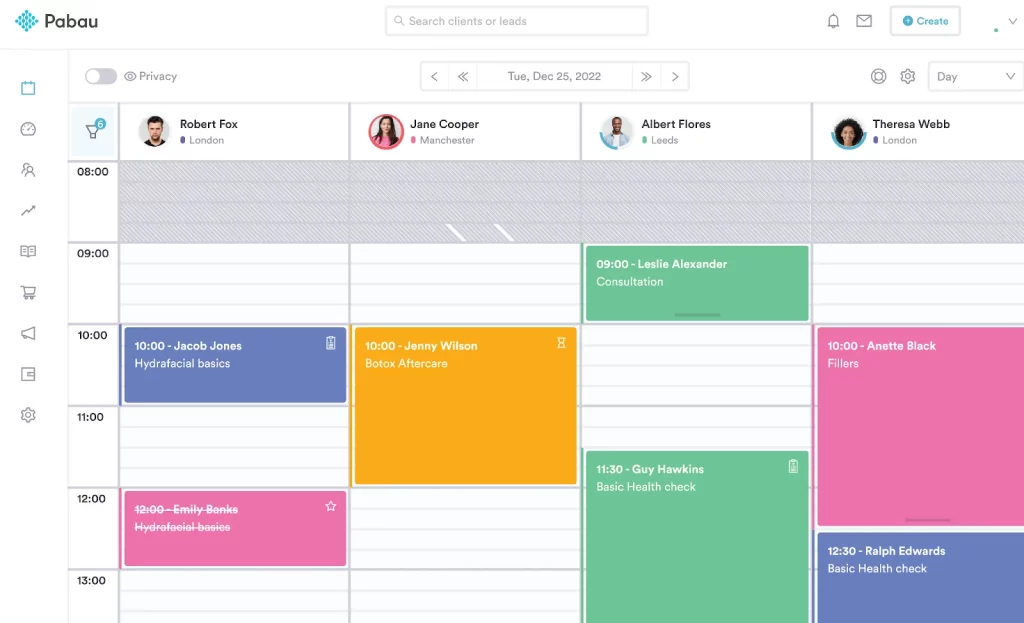
Choose Pabau if you run a multi-location or multi-practitioner clinic, operate in the UK, EU, or US, need deep clinical documentation tools, require Healthcode, GDPR, or HIPAA compliance support, or want an all-in-one system that manages scheduling, records, marketing, loyalty, inventory, and payments without additional platforms. Pabau’s depth makes it particularly well-suited to aesthetic and medical spa practices that are scaling beyond the solo-practitioner model or managing complex regulatory requirements.
Choose Moxie if you are a solo injector or small medspa team based in the US, prioritising fast setup, built-in client acquisition marketing, and a platform specifically designed for the medspa workflow without the configuration overhead of a broader clinic management system. Moxie’s US market focus and lean architecture are genuine advantages for the independent practitioner at the launch or early-growth stage.
A nurse injector opening a solo aesthetic practice in Miami will likely find Moxie faster to deploy and more immediately aligned with their workflow. The platform’s medspa-specific defaults, HIPAA orientation, and built-in marketing tools address the core operational challenges of a US-based solo practice without requiring significant configuration investment.
A clinic group running four aesthetic locations across London and Manchester, offering dermal fillers, laser treatments, and skin consultations alongside each other, needs a different kind of platform. Pabau’s multi-location calendar management, clinical documentation depth, CQC-aligned workflow structure, and Healthcode integration make it the operationally appropriate choice. The same applies to any practice combining aesthetic treatments with medical services – GP consultations, IV therapy, or weight management – where a single clinical record needs to span multiple treatment modalities.
Practices in markets outside the US and UK – UAE, South Africa, Canada, Australia – will generally find Pabau’s international footprint and compliance flexibility a better fit. Moxie’s product positioning and compliance tooling are built around US medspa regulations, which do not translate directly to other regulatory environments. For clinic owners evaluating the broader competitive landscape in aesthetics software, Pabau’s comparison hub covers multiple alternatives across market segments.

Need a broader look at the medspa software market? Best Medical Spa Software covers the leading platforms across scheduling, clinical records, and marketing for aesthetic and medspa practices.
Evaluating alternatives beyond this comparison? Pabau’s software comparison hub provides side-by-side analysis across multiple clinic management platforms for aesthetic, wellness, and medical practices.
Concerned about compliance for your medspa? Medspa Compliance Guide outlines the regulatory obligations that apply across US, UK, and international aesthetic practice environments.
Wondering how to structure your medspa’s CRM? Medical Spa CRM Guide explains what a purpose-built CRM system should cover for aesthetic and medical spa client management workflows.
The Pabau vs Moxie comparison ultimately reflects two different visions of what clinic management software should be. Moxie is a lean, focused product built for the US solo injector market – fast to deploy, medspa-specific in its defaults, and strong on client acquisition. Pabau is a comprehensive clinic operating platform built for practices that need clinical depth, multi-location support, and regulatory compliance across multiple markets.
For UK and European clinics, multi-location practices, or any operation running more than one treatment modality under the same roof, Pabau provides the operational infrastructure that a medspa-specific US tool cannot replicate. For solo injectors in the US launching or growing a straightforward aesthetic practice, Moxie’s focus is a genuine asset rather than a limitation.
Reviewed against current product documentation and verified user review data from Capterra, G2, and Trustpilot.
Pabau is a comprehensive clinic management platform designed for multi-location and multi-practitioner practices. It supports deep clinical documentation and compliance with UK, EU, and US regulations, including GDPR, CQC, and HIPAA. Moxie, by contrast, is purpose-built for solo injectors and small US medical spas, focusing on fast setup, medspa-specific workflows, and built-in client acquisition marketing. The core difference is scope: Pabau handles the full operational breadth of a growing clinic, while Moxie is optimized for lean medspa or solo injector models.
Moxie is well-suited for US-based medical spas operating as solo or small-team practices. Its medspa-specific defaults, streamlined scheduling, and built-in marketing tools align with the operational needs of independent injectors. For larger practices, multi-location operations, or clinics outside the US, Moxie’s scope becomes a limitation rather than a strength.
Yes. Pabau supports medical spas, aesthetic clinics, skin clinics, laser practices, and multi-discipline wellness operations. Its clinical documentation tools, online booking, automated marketing, loyalty programmes, and before and after photo storage are all directly relevant to medspa workflows. Pabau is particularly strong for medspas operating in the UK, EU, US or across multiple locations.
Pabau’s pricing scales by user count and feature tier, covering small single-practitioner clinics through to enterprise multi-site operations. Moxie’s pricing is designed for individual injectors and small medspa teams. Both vendors should be contacted directly for current pricing, as rates and promotional terms change regularly.
Solo injectors or small US medspas will benefit from Moxie’s streamlined, medspa-focused workflow. In contrast, aesthetic clinics with multiple practitioners, diverse treatment offerings, or requirements for UK, EU, or US compliance will find Pabau’s comprehensive operational capabilities a better fit. The right choice depends on practice size, location, and the complexity of workflows you need to manage in a single platform.