







CRAFFT Screening Tool Template
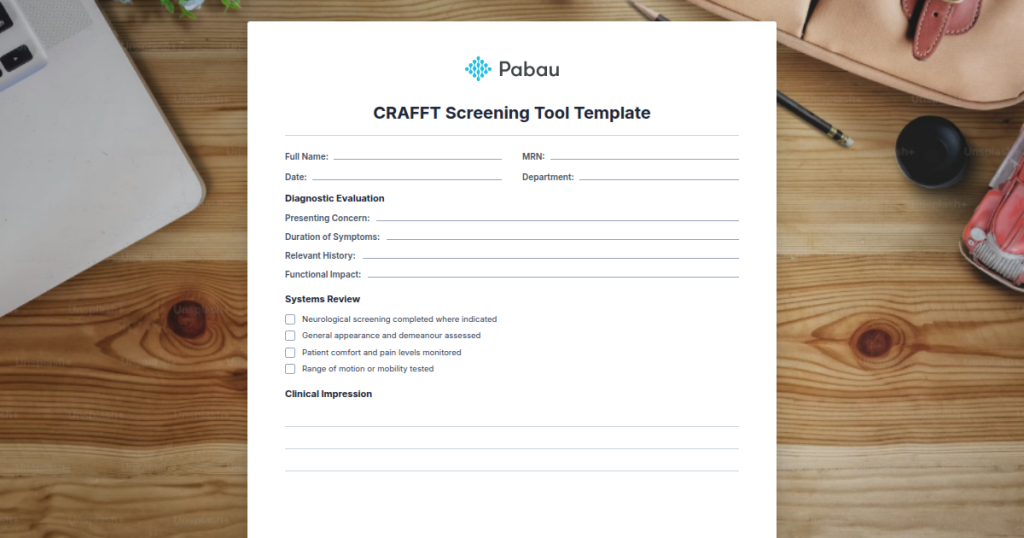
The CRAFFT Screening Tool Template is a clinically validated instrument designed to identify substance use disorders and risky behaviours in adolescents and young adults. This evidence-based assessment asks six targeted questions that help clinicians quickly evaluate potential alcohol and drug-related problems, enabling early intervention and appropriate referral pathways. The CRAFFT Screening Tool Template has become […]
Decreased Cardiac Output Nursing Care Plan Template
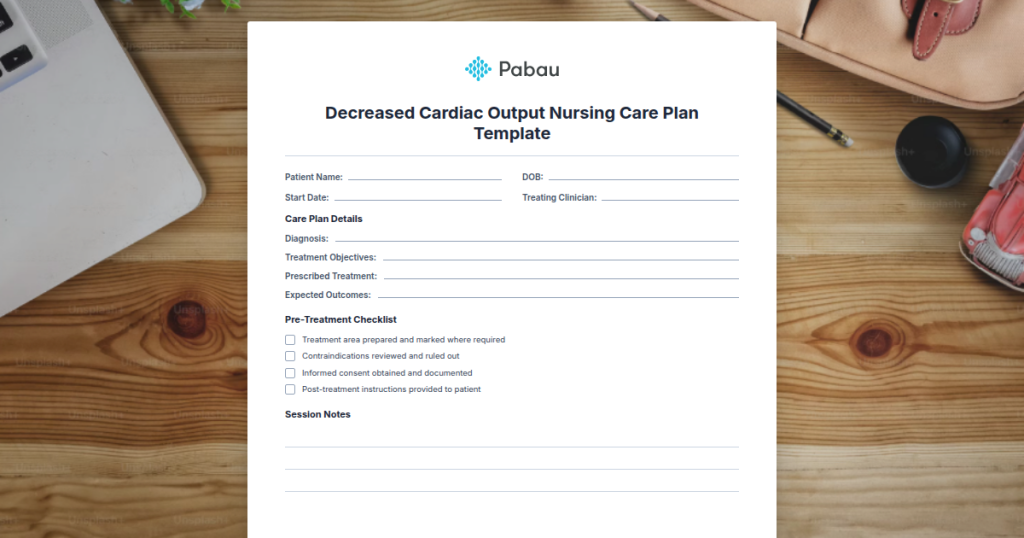
Decreased Cardiac Output Nursing Care Plan Template A decreased cardiac output nursing care plan template provides the clinical framework nurses need to systematically assess, diagnose, plan, implement, and evaluate care for patients experiencing compromised cardiac function. Whether in intensive care units, acute care settings, or post-operative recovery, this structured approach ensures standardised documentation, coordinated interventions, […]
Types of Moods: Clinical Spectrum & Assessment Guide
Mood shapes how patients experience their world, influencing everything from treatment adherence to clinical outcomes. Understanding the types of moods and their clinical significance allows healthcare professionals to conduct more accurate mental health assessments, differentiate between mood disorders, and document patient presentations with precision. Unlike fleeting emotions that last seconds or minutes, mood persists for […]
Mood Words for Clinical Documentation: Complete Guide
North Dakota has one psychologist per 4,900 citizens, making it one of the most underserved states for therapy access. When clinicians in those regions document a client’s mood, every word carries operational weight. Payers scrutinize terminology for medical necessity. Quality assurance teams flag inconsistent descriptors across sessions. Regulatory audits trace how mood documentation supports treatment […]
The 5 Stages of Psychosis: A Clinical Guide for Practitioners
The 5 Stages of Psychosis: A Clinical Guide for Mental Health Practitioners Understanding the 5 stages of psychosis is foundational for any mental health practitioner managing patients through a psychotic episode. Psychosis is not a single event – it follows a recognisable trajectory from subtle early warning signs to acute crisis, then through recovery, a […]
Moca Scoring
MoCA scoring gives clinicians a fast, validated snapshot of cognitive function across eight distinct domains – all in roughly 10 to 15 minutes. The Montreal Cognitive Assessment was developed by Dr Ziad Nasreddine and first validated in a landmark 2005 study published in the Journal of the American Geriatrics Society, where it demonstrated 90% sensitivity […]
MoCA Score Interpretation: A Clinical Guide for Clinicians
MoCA Score Interpretation: Understanding the Full Scale Most cognitive screening tools generate a number. What matters clinically is what that number actually means – and that is precisely where MoCA score interpretation becomes a practical skill, not just a scoring exercise. The Montreal Cognitive Assessment (MoCA), developed by neurologist Ziad Nasreddine and validated in a […]
Unspecified Anxiety Disorder: F41.9 Diagnosis, Coding & Treatment
Unspecified anxiety disorder sits at a diagnostic crossroads that most clinicians encounter frequently. A patient presents with persistent worry, physical tension, and sleep disruption. The symptoms are real and impairing. Yet the clinical picture does not map cleanly onto generalised anxiety disorder, panic disorder, or any other specific DSM-5 category. This is precisely where unspecified […]
Emotional Support Animal Letter Sample: ESA Template for Therapists
What Is an Emotional Support Animal Letter Sample – and Why Does It Matter for Your Practice? Many licensed therapists receive ESA requests with little guidance on what a legally defensible letter actually requires. A poorly drafted emotional support animal letter sample can expose a clinician to professional risk, fail a patient’s housing application, or […]
Coping Skills for Depression: Evidence-Based Strategies for Clinicians
Depression affects approximately 280 million people globally, according to the World Health Organization. Yet the clinical gap between diagnosis and structured skill-building remains wide. Most patients receive a medication review and a referral – and wait. What fills that gap, in meaningful terms, is coping skills for depression: the evidence-based strategies that help patients regulate […]