








How to Effectively Manage Your Dermatology Practice In 2026
Pabau helps dermatology and aesthetic clinics manage scheduling, payments, marke...

March 17, 2026

Buy now, pay later is now available in Pabau
IV therapy, once a hospital-only treatment, has now become a go-to wellness trend for celebrities, busy professionals, and health enthusiasts alike.
And since IV infusion therapy has become a lifestyle and not just a medical treatment, the demand for it has surged, along with the need for efficiently managing clients, appointments, and personalized treatment plans..
So, if you want to stand out, offering the latest IV drips won’t be enough. You need a strong foundation built on proven IV therapy clinic best practices.
Now let’s dive into the seven essential strategies that can help you create a thriving clinic in the crowded IV therapy industry.
For any modern IV hydration clinic, outdated manual scheduling systems can quickly lead to bottlenecks and missed opportunities.
That’s why it’s important to invest in the best clinic management software, as it will help you:
Efficient scheduling is at the heart of a smooth-running IV therapy business, so research carefully to find software that best fits your needs.
Your staff is the first line of quality assurance, so it’s worth investing in everyone. From medical directors and nurse practitioners to licensed practical nurses (LPNs), physician assistants, and registered nurses.
Knowledgeable, well-trained team members help keep your clinic running smoothly and your patients safe.
Continuous education matters. In fact, according to SurveyMonkey, 59% of employees report that training improves their job performance, 51% say it boosts their self-confidence, and 41% indicate it helps them sharpen their time management skills.
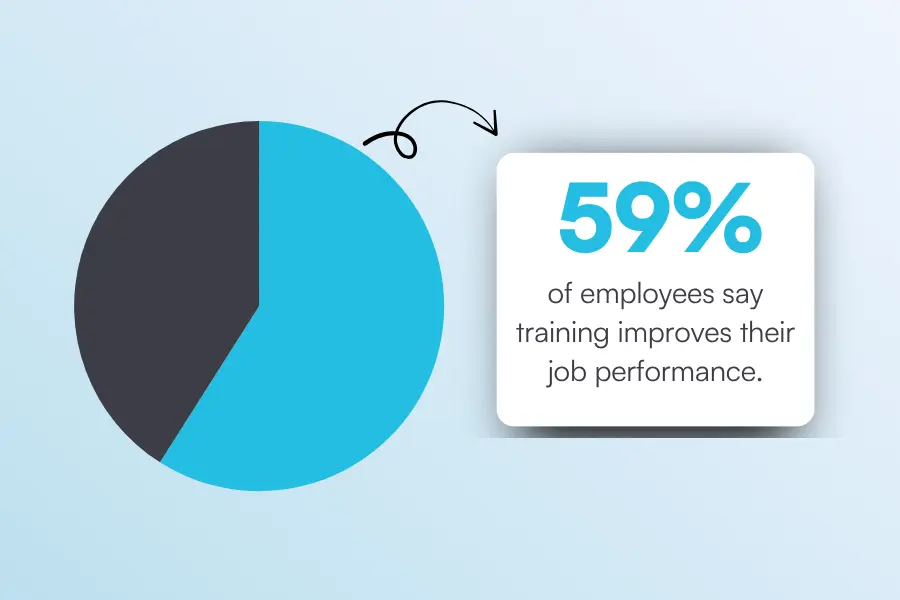
Illustration: Pabau Source: SurveyMonkey
Remember: patients notice when your staff communicates confidently and consistently. A knowledgeable, friendly team can be your biggest differentiator.
For many patients, IV treatments can feel new and intimidating, so clear, empathetic communication from the very first contact is essential to building trust.
This begins the moment you promote your services. For example, Hydration Squad shared on social media a reminder to book IV hydration therapy drips featuring Rihanna.
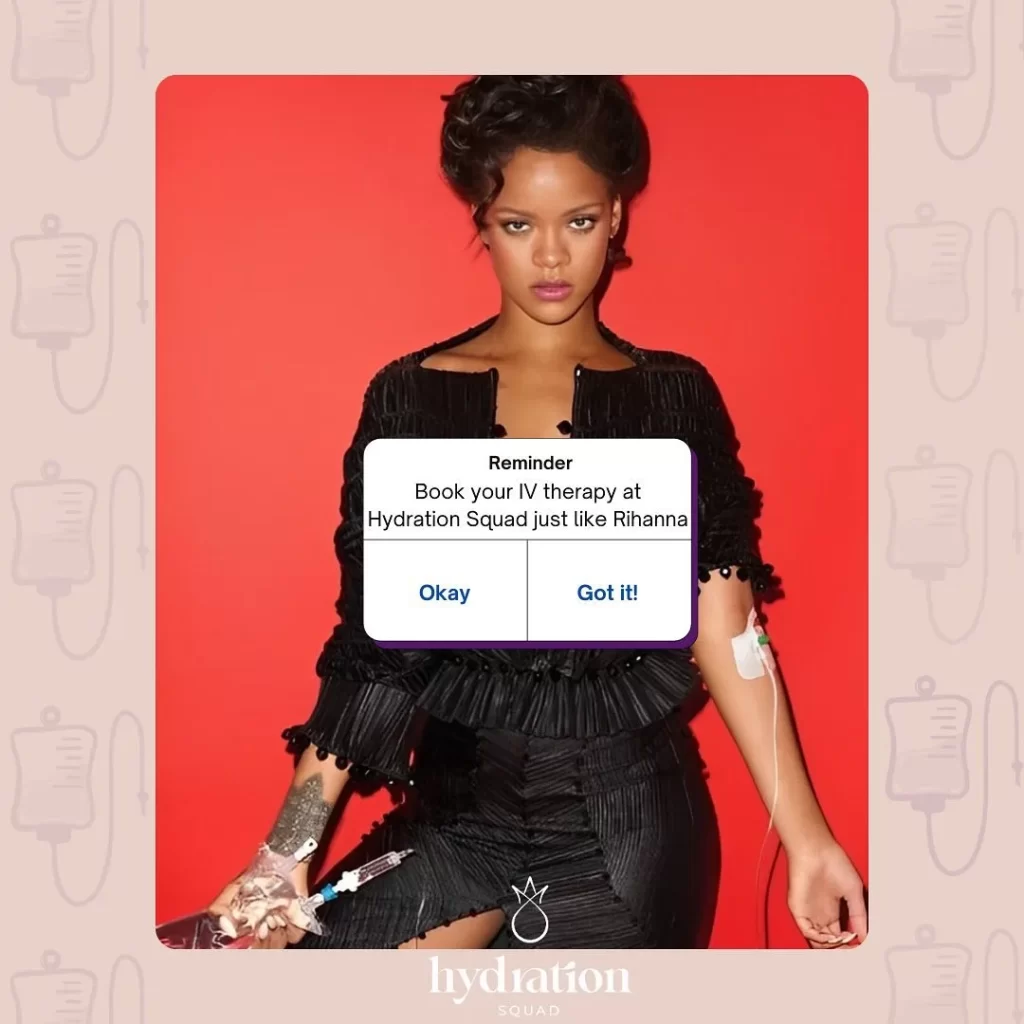
Source: hydrationsquadus / Instagram
In this case, seeing a familiar face can instill confidence in clients, signaling that IV hydration treatments are safe and reputable.
Once patients arrive for therapy, use plain language to explain what they can expect, for instance, “you may feel a cool rush in the first minute,” or “we’ll monitor your vitals every 15 minutes,” and encourage questions to ease anxiety.
Practice active listening by truly hearing their concerns, asking clarifying questions, and validating their feelings, such as, “I hear you’re nervous about needles. Many people are. Here’s how we make it more comfortable.”
Walk patients through each step as you perform it, making them feel included and informed.
Finally, follow up after treatment with a simple call or message to check on how they’re feeling. These human touches show that you care about outcomes, not just transactions, fostering client loyalty and encouraging word-of-mouth referrals.
Patient safety must always come first. So, before any intravenous therapy session, conduct thorough medical history checks and screen for contraindications to prevent complications.
Following these practices ensures a safe, efficient, and trustworthy IV therapy experience without any adverse reactions, while reinforcing your med spa’s commitment to client care.
A sterile environment is a fundamental requirement in any medical setting, and clinics for intravenous infusion therapy are no exception. A visible commitment to cleanliness builds immediate patient trust.
So here’s what you should keep an eye on:
Remember that all healthcare providers need to maintain a clean environment. Patients are observant and judge the quality of care by the cleanliness they see.
Accurate documentation is vital for patient safety, staying compliant, and running a clinic smoothly. Digital forms make this a lot easier, helping you to cut down on manual errors and keep everything up to date and easy to find. For every patient session, make sure you’re logging details like:
Digital client records help collect all this client info and keep it in one place securely, and you can access them easily from any device
For even more convenient and secure data management, consider using cloud-based software that allows staff to access records from any device, wherever they are.
A cloud-based software helps you protect your records in case of accidents like floods and makes it easy to manage client data if you’re offering mobile IV therapy services.
This ensures that your records remain safe in case of accidents, like floods, and makes it easy to manage client data if you expand to mobile IV therapy services.
Robust practice management software like Pabau protects patient information with encryption, secure server hosting, two-factor authentication, daily backups, and incident response plans, keeping data safe from breaches.
This is important considering that, as of October 2025, HIPAA-regulated entities had already experienced 508 healthcare breaches – an average of 56 per month.
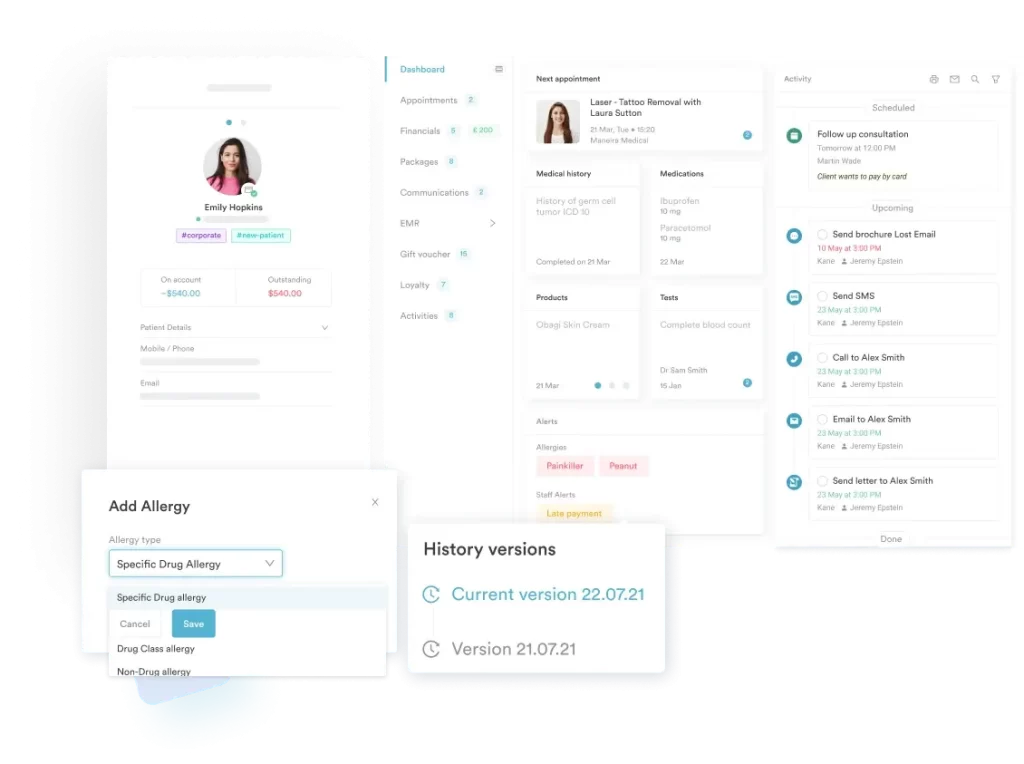
Source: Pabau
As an all-in-one solution, Pabau supports the entire client journey, from scheduling and record-keeping to payment processing and follow-ups, while also generating reports to identify trends in treatments and outcomes, helping you optimize services and maintain compliance.
Running out of IV solutions or PPE mid-shift is every clinic’s worst nightmare.
When that happens, you risk canceling appointments, which both throws you off your schedule and cuts into your revenue.
That’s why staying on top of your inventory is a must-have best practice for every IV therapy clinic. The solution is to implement an inventory management system that automates your processes and keeps your operations running smoothly.
With the right system in place, you can:
By automating these processes, you minimize human error and maintain a well-organized, efficient IV therapy practice, ensuring you always have the right supplies when your patients need them.
Pabau is a powerful solution designed to help infusion therapy clinics streamline daily operations while maintaining top-tier safety and compliance.
Here’s what Pabau offers:
By automating administrative tasks and consolidating records, Pabau helps your staff spend more time on patient care while maintaining high standards of safety and service.
So if you want to see Pabau in action, book a live demo with our team!