



Primary & Preventive Care
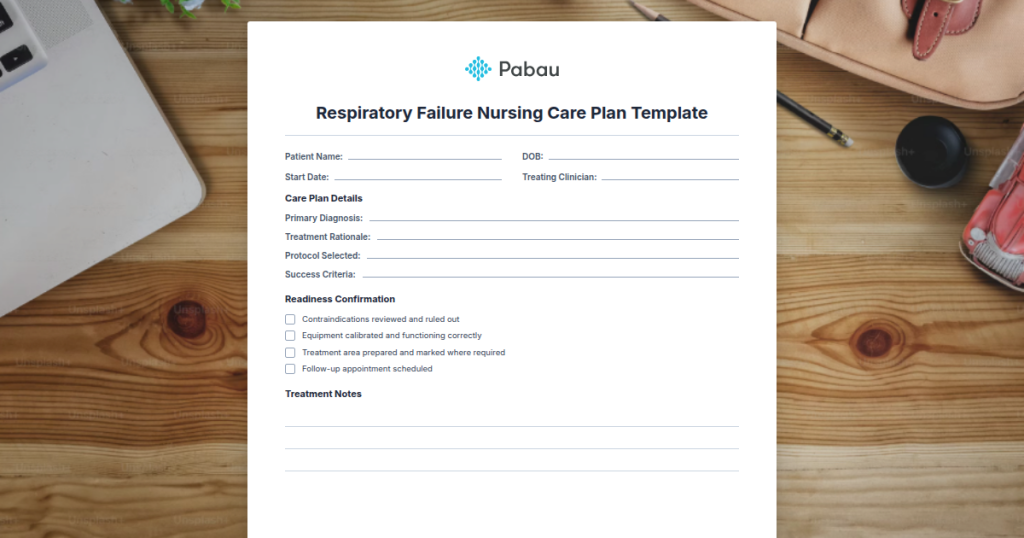
Respiratory Failure Nursing Care Plan Template
A Respiratory Failure Nursing Care Plan Template provides clinicians with a syst...

March 17, 2026


Buy now, pay later is now available in Pabau

"I recommend Pabau to all of my colleagues looking to start up a clinic. We are able to book patients, manage the diary, fill in forms, and annotate."
Dr Ahmed El Houssieny
Founder and medical director of Bank MediSpa

"I chose Pabau because I appreciate the importance of Customer Relationship Management in the 21st century."
Dr Leah Totton
Founder / Co-Owner, Dr. Leah

"Since using Pabau, our operations are more efficient. Productivity is better, and we waste fewer manpower hours. We have greater visibility over our business."
Roxanne Merchant
Head of Operations, Juvea Medical

A1C targets vary by age, with most adults aiming for less than 7%, while seniors may have targets between 7.5-8.5% based on health status
An A1c Goals By Age Chart helps healthcare providers establish individualized diabetes management targets and monitor glycemic control effectively
Download a free, editable A1C chart template to streamline patient assessments and align with current clinical guidelines
Download a free A1C Goals By Age Chart to set evidence-based glycemic targets for patients across all age groups.
Download templateNormal A1C is below 5.7% across all age groups. Prediabetes ranges from 5.7-6.4%, and diabetes is diagnosed at 6.5% or higher. However, treatment targets for those with diabetes vary significantly by age and health status.
Yes, A1C targets are typically higher for seniors. Healthy seniors may aim for 7.0-7.5%, while those with complex health needs may target 7.5-8.5%. This reflects the increased risk of hypoglycemia and reduced benefit from very intensive control in older populations.
Children and adolescents with diabetes typically aim for an A1C below 7.5%. Targets may be adjusted higher in younger children if hypoglycemia unawareness is a concern, balancing long-term complications prevention with safety.
Stable patients should have A1C testing at least annually. Patients with recent diagnosis changes, medication adjustments, or target deviations may require testing every three months to monitor response to treatment modifications.
Yes, the template provided is fully editable. You can customize age categories, target ranges, and clinical notes sections to match your practice protocols and patient populations. Ensure any modifications remain aligned with current clinical guidelines.