Hair Transplant Intake
 By Maja Muzhdeka on January 12, 2026
 Fact checked by: Teodor Jurukovski


Read case studies from our satisfied clients

Compare Pabau with alternative systems
 Integrations

 Measure Pabau savings
 Our security commitment
 About us

Learn why this holistic care and aesthetic medicine clinic chose Pabau to power patient care and performance.
Read more By Maja Muzhdeka on January 12, 2026
Fact checked by: Teodor Jurukovski
By Maja Muzhdeka on January 12, 2026
Fact checked by: Teodor Jurukovski
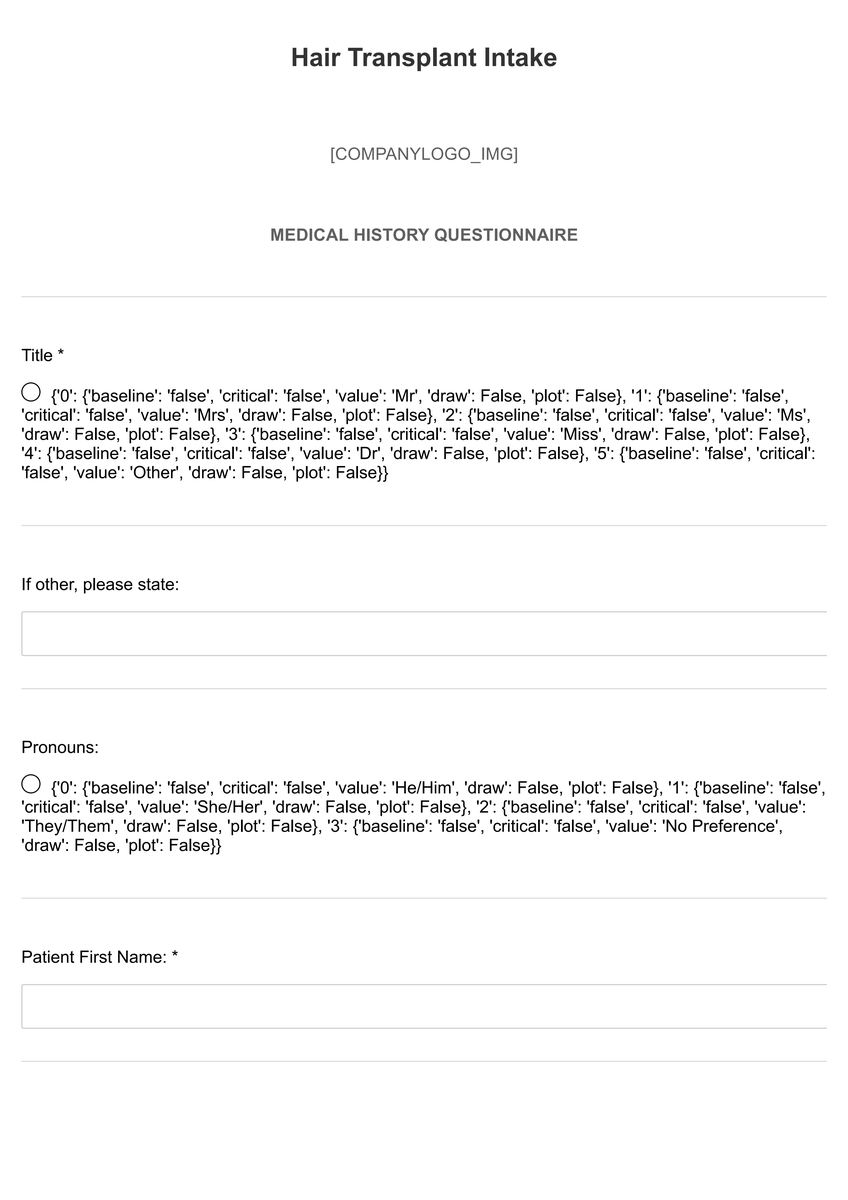
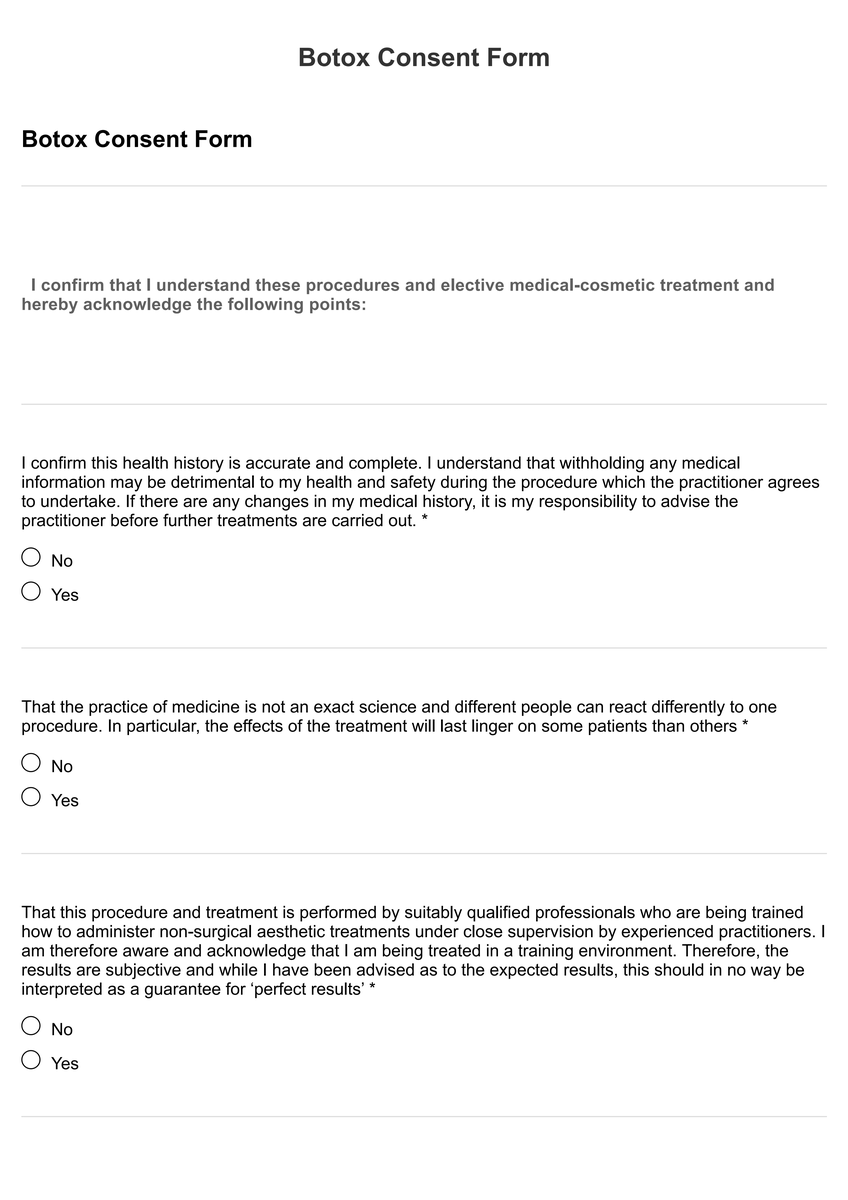
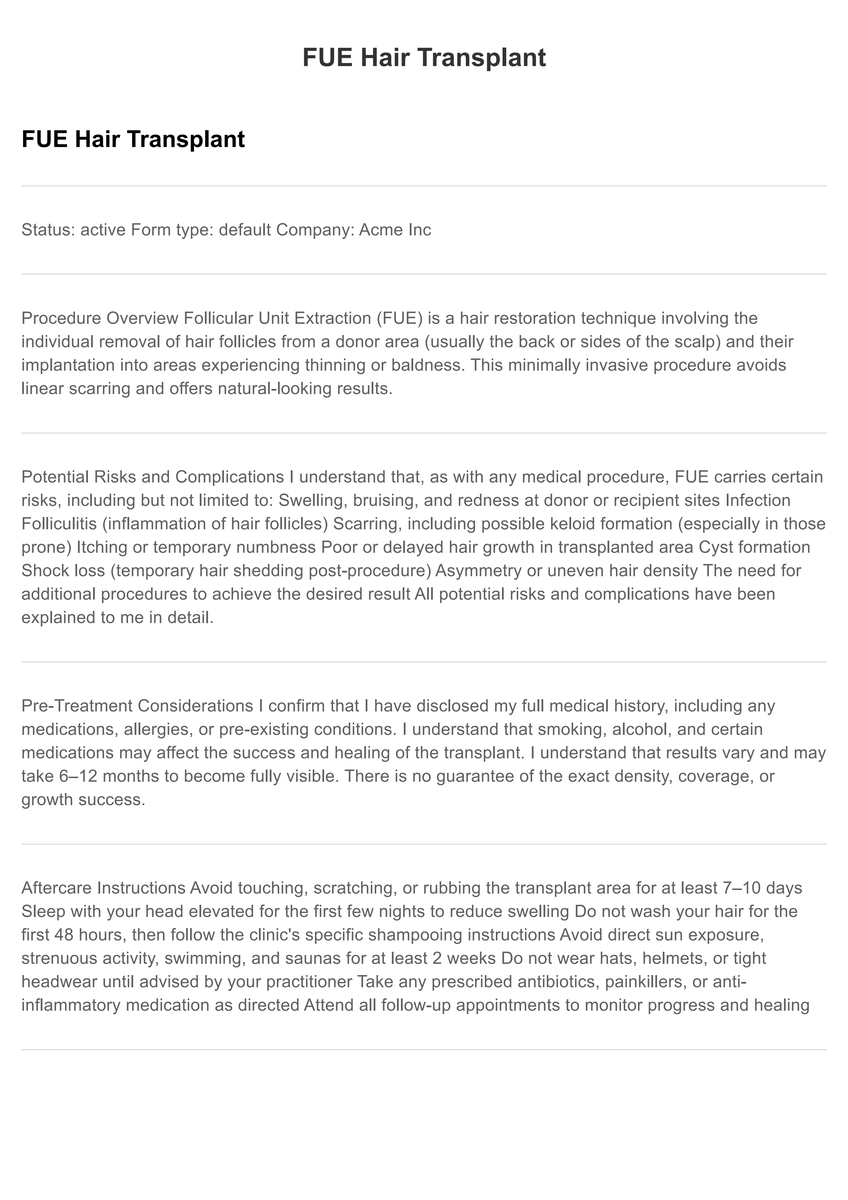
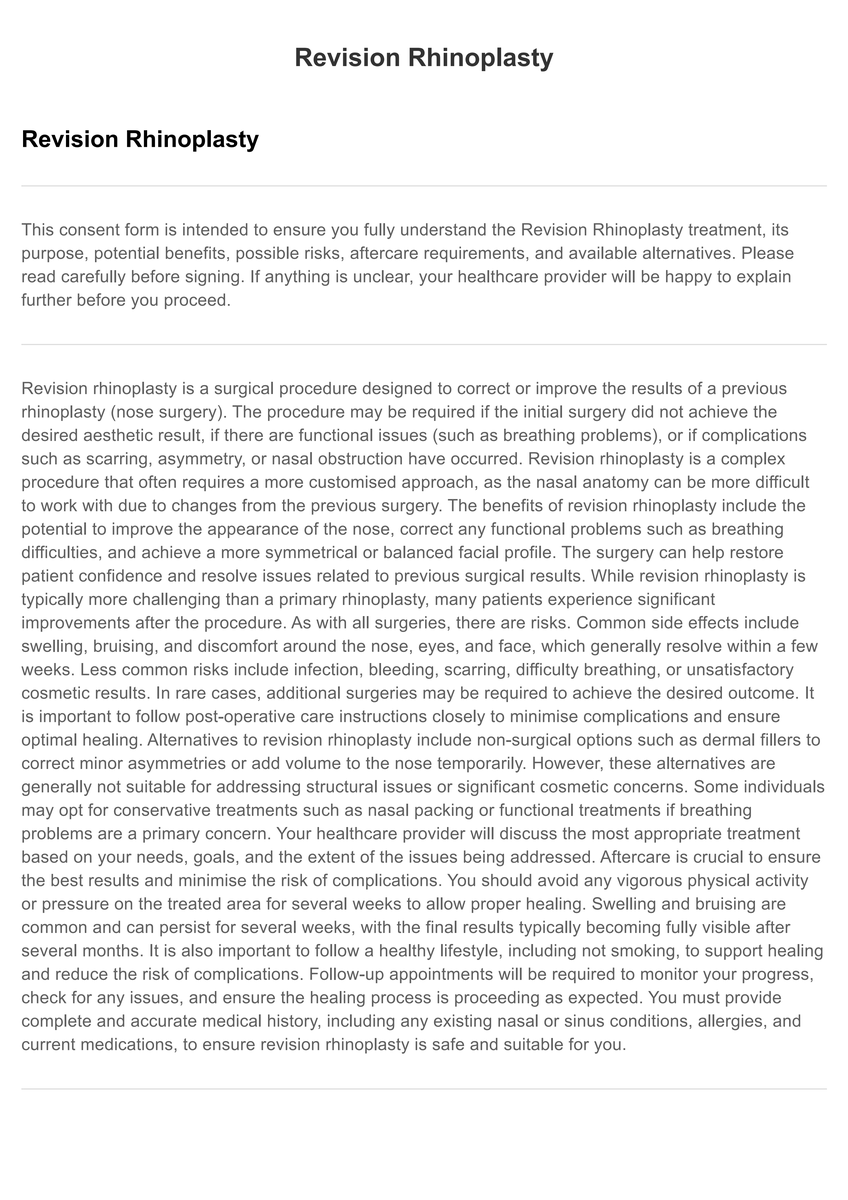
Comprehensive Assessment The hair transplant intake form captures detailed medical history and current health status essential for safe treatment planning.
Personalised Treatment Information gathered helps clinicians develop customised hair restoration approaches based on individual patient needs and expectations.
Safety Protocols The form identifies potential contraindications and ensures patients are suitable candidates for hair transplant procedures.
Informed Consent Proper documentation supports the informed consent process and establishes clear communication between patient and provider.
A hair transplant intake is a comprehensive medical assessment form used by hair restoration clinics to evaluate potential candidates for hair transplant procedures. This essential document serves as the foundation for treatment planning, combining detailed medical history collection with specific hair loss evaluation criteria. The intake process enables clinicians to understand the patient's unique circumstances, including the pattern and progression of hair loss, underlying medical conditions, current medications, and realistic treatment expectations.
The hair transplant intake form represents a crucial step in the patient journey, bridging the gap between initial consultation and treatment planning. By systematically gathering information about family history of hair loss, previous treatments attempted, lifestyle factors, and personal goals, clinicians can determine the most appropriate surgical approach. Furthermore, this document helps identify any contraindications that might affect surgical outcomes or patient safety during the procedure.
First access the hair transplant intake PDF document by downloading it from Pabau below. The form is available as a comprehensive digital document that can be printed for in-person consultations or completed electronically. Ensure you have the most recent version of the form, which includes all necessary sections for thorough patient assessment and meets current clinical documentation standards.
Begin by having patients complete their personal details, including contact information, date of birth, and emergency contacts. This section should also capture insurance information if applicable and preferred communication methods. Ensure all demographic information is accurate as this will be used throughout the treatment process and for follow-up communications.
Guide patients through the comprehensive medical history section, which covers current medications, previous surgeries, chronic conditions, and allergies. Pay particular attention to conditions that may affect healing or contraindicate surgery, such as bleeding disorders, autoimmune conditions, or medications that affect blood clotting. Document any history of scalp conditions, previous hair transplant procedures, or treatments for hair loss.
Complete the detailed hair loss evaluation section, documenting the pattern, duration, and progression of hair loss. Include family history of androgenetic alopecia, previous treatments attempted, and their effectiveness. Assess patient expectations and desired outcomes, ensuring realistic goals are established before proceeding with treatment planning.
Conduct a thorough review of all completed sections with the patient, verifying accuracy and completeness of information provided. Address any unclear responses and ensure the patient understands the importance of honest disclosure regarding their medical history. This step is essential for accurate risk assessment and treatment planning.
Securely store the completed intake form in the patient's medical record, ensuring compliance with data protection regulations. Create digital copies if necessary and ensure the information is readily accessible for the surgical team. Schedule appropriate follow-up appointments based on the assessment findings and treatment recommendations.
The hair transplant intake form is invaluable for hair restoration specialists, dermatologists, and cosmetic surgeons performing follicular unit extraction (FUE) or follicular unit transplantation (FUT) procedures. It serves plastic surgeons who incorporate hair transplant services into their practice, providing a systematic approach to patient evaluation and risk assessment.
Additionally, this form benefits clinic administrators and nursing staff who coordinate patient care, ensuring comprehensive information is available for scheduling, pre-operative planning, and post-operative follow-up. Medical practitioners working in aesthetic medicine find this tool essential for maintaining detailed patient records and supporting informed consent processes. The form is also valuable for trainees and residents learning hair transplant techniques, providing a structured framework for patient assessment and clinical decision-making.
Key advantages of implementing this comprehensive intake system include:
Implementation of a structured hair transplant intake process ultimately enhances the quality of patient care while streamlining clinic operations. This systematic approach ensures that every patient receives comprehensive evaluation, leading to more successful surgical outcomes and higher patient satisfaction rates throughout their hair restoration journey.
The hair transplant intake form plays a vital role in pre-operative planning by identifying factors that may influence surgical technique selection and timing. Information gathered regarding smoking habits, alcohol consumption, and current stress levels helps clinicians provide appropriate pre-operative counselling and optimise healing conditions.
Moreover, understanding the patient's work schedule, social commitments, and recovery expectations enables clinicians to recommend the most suitable timing for the procedure. This comprehensive approach to pre-operative planning reduces complications, improves patient compliance with post-operative care instructions, and enhances overall treatment satisfaction.
Regular review of completed hair transplant intake forms provides valuable data for quality assurance and continuous improvement initiatives within hair restoration practices. Analysis of common patient concerns, medical contraindications, and treatment outcomes helps refine assessment protocols and enhance patient selection criteria.
Furthermore, this systematic data collection supports evidence-based practice development and enables clinics to identify trends in patient demographics, treatment preferences, and outcomes. Such insights contribute to improved clinical protocols, enhanced patient education materials, and more effective treatment approaches that benefit the entire hair restoration community.