Botox Consent Form
 By Ivana Kotorchevikj on January 23, 2026
 Fact checked by: Teodor Jurukovski

Discover free eBooks, guides and med spa templates on our new resources page


Read case studies from our satisfied clients

Compare Pabau with alternative systems
 Integrations

 Measure Pabau savings
 Our security commitment
 About us
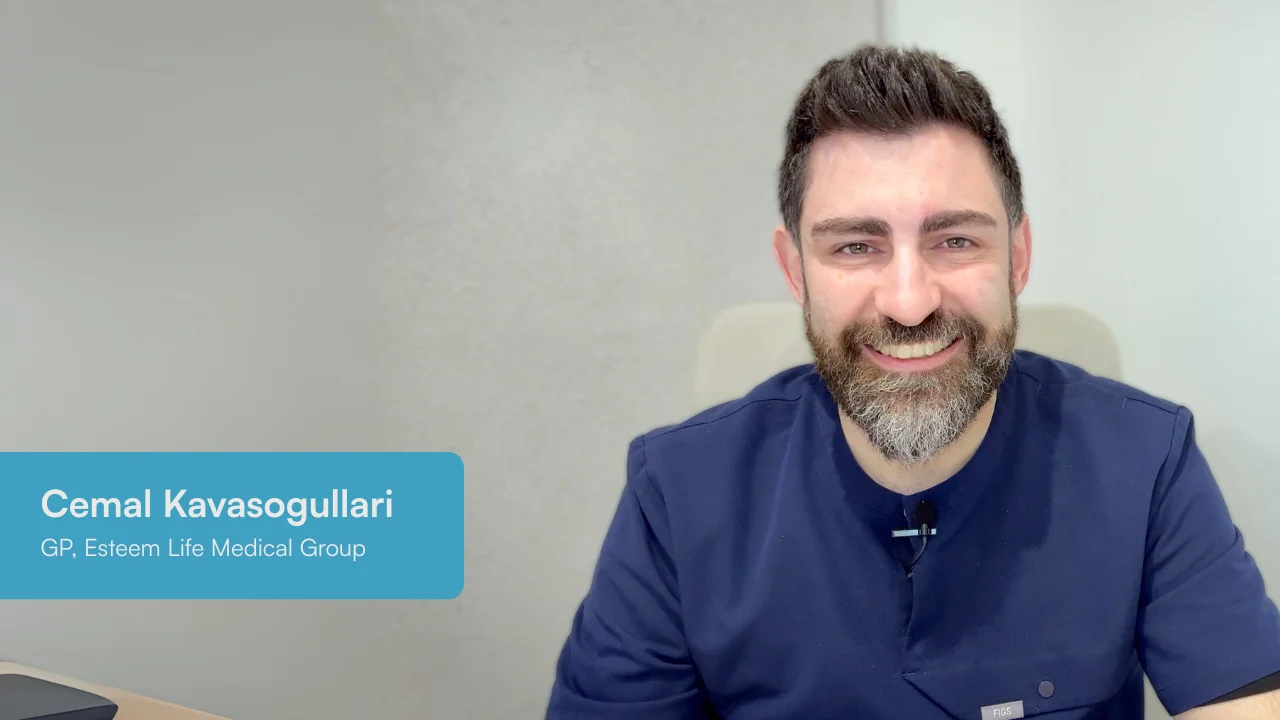
Learn why this holistic care and aesthetic medicine clinic chose Pabau to power patient care and performance.
Read more By Ivana Kotorchevikj on January 23, 2026
Fact checked by: Teodor Jurukovski
By Ivana Kotorchevikj on January 23, 2026
Fact checked by: Teodor Jurukovski
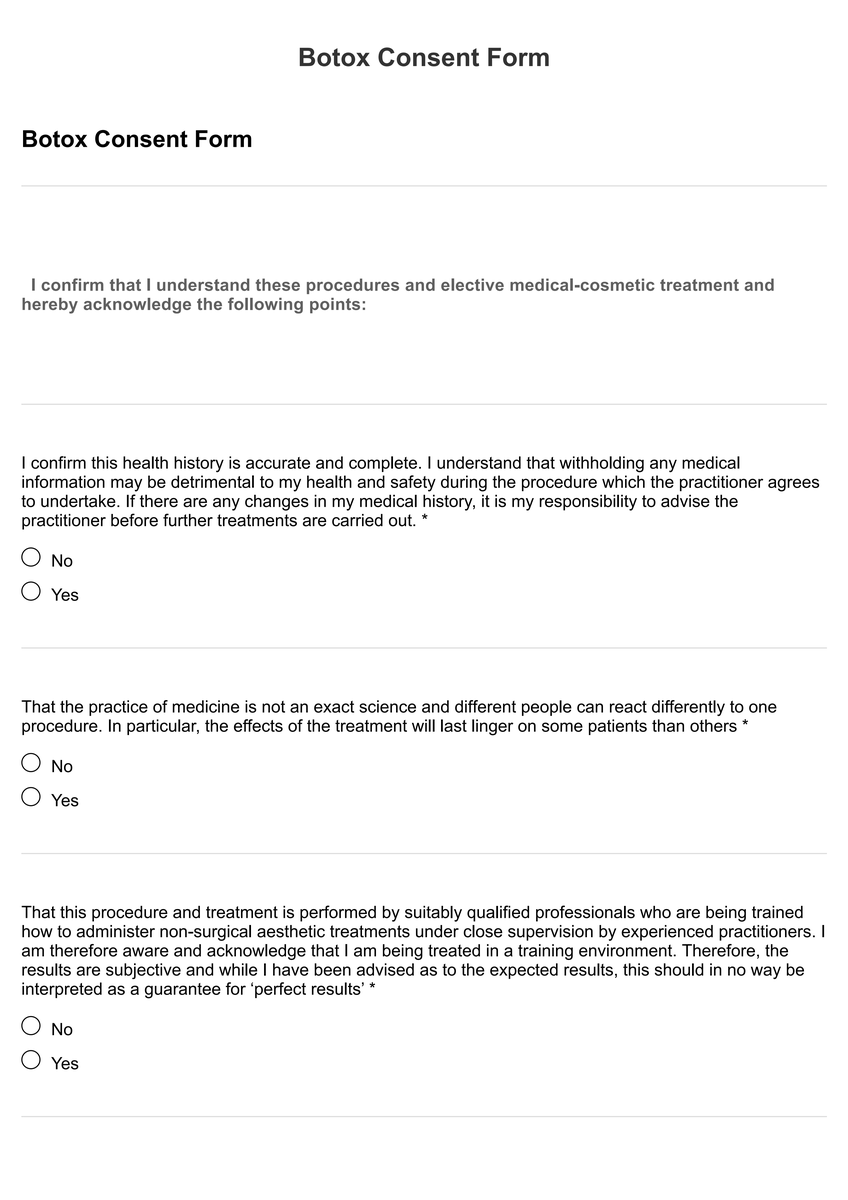
Informed consent is essential before any botulinum toxin treatment to ensure patients understand all aspects of the procedure.
Risk disclosure covers potential side effects including bruising, asymmetry, and rare but serious complications.
Treatment expectations should be clearly established, including timeline for results and duration of effects.
Legal protection is provided for both practitioner and patient through comprehensive documentation.
A botox consent form is a crucial medical document that establishes informed consent between healthcare practitioners and patients seeking botulinum toxin treatments. This comprehensive form ensures patients receive detailed information about the procedure, understand potential risks and benefits, and provide their voluntary agreement to proceed with treatment.
The consent process serves as both an educational tool and legal safeguard, documenting that patients have been thoroughly informed about their chosen aesthetic treatment. Furthermore, it demonstrates the practitioner's commitment to ethical practice and patient safety standards.
First, access the botox consent form PDF document by downloading it from Pabau below. The document should be saved to your practice management system or printed for immediate use during patient consultations. Ensure you have the most current version that complies with your local regulatory requirements and professional guidelines.
Arrange a comprehensive consultation appointment with the patient before their treatment date. This allows adequate time for discussion, questions, and consideration without feeling rushed. During this consultation, review the patient's medical history, current medications, and aesthetic goals to ensure suitability for botulinum toxin treatment.
Review each section of the consent form with the patient in detail. Explain the procedure, expected outcomes, potential side effects, and aftercare requirements. Use visual aids or before-and-after photographs to help patients understand realistic expectations. Address any concerns or questions thoroughly before proceeding.
Work with the patient to complete all required sections, including personal details, medical history, and specific treatment areas. Document any allergies, previous adverse reactions, or contraindications. Ensure all information is accurate and legible for future reference.
Once the patient demonstrates understanding and agrees to proceed, obtain their signature and date on the form. Have a qualified staff member witness the signing process and add their signature where required. Provide the patient with a copy for their records and retain the original in their medical file.
This consent form is invaluable for aesthetic practitioners, dermatologists, and plastic surgeons who provide botulinum toxin treatments. It serves medical professionals working in private clinics, medspas, and aesthetic centres by ensuring compliance with professional standards and regulatory requirements.
Additionally, practice managers and clinic administrators benefit from standardised consent procedures that streamline documentation and reduce liability risks. The form is equally important for patients, as it empowers them to make informed decisions about their aesthetic treatments while protecting their rights and interests.
Implementing a thorough consent process demonstrates professional excellence and commitment to patient safety. This structured approach builds trust, reduces anxiety, and creates a foundation for successful treatment outcomes and positive patient relationships within your aesthetic practice.
The botox consent form includes comprehensive medical history sections that help identify potential contraindications or risk factors. This documentation covers previous aesthetic treatments, current medications, allergies, and underlying medical conditions that may affect treatment outcomes.
Proper medical history collection is essential for patient safety and treatment planning. However, practitioners should review this information carefully during consultation to identify any factors that might increase complications or affect treatment results.
Effective consent forms include detailed post-treatment care instructions that patients can reference after their appointment. These guidelines cover activity restrictions, expected recovery timeline, and signs that warrant immediate medical attention.
Clear aftercare instructions reduce the likelihood of complications and ensure patients know how to optimise their treatment results. In addition, documented aftercare guidance provides legal protection by demonstrating the practice's commitment to comprehensive patient education and ongoing support throughout the treatment process.