Breast Augmentation Aftercare
 By Teodor Jurkovski on January 13, 2026
 Fact checked by: Teodor Jurukovski


Read case studies from our satisfied clients

Compare Pabau with alternative systems
 Integrations

 Measure Pabau savings
 Our security commitment
 About us
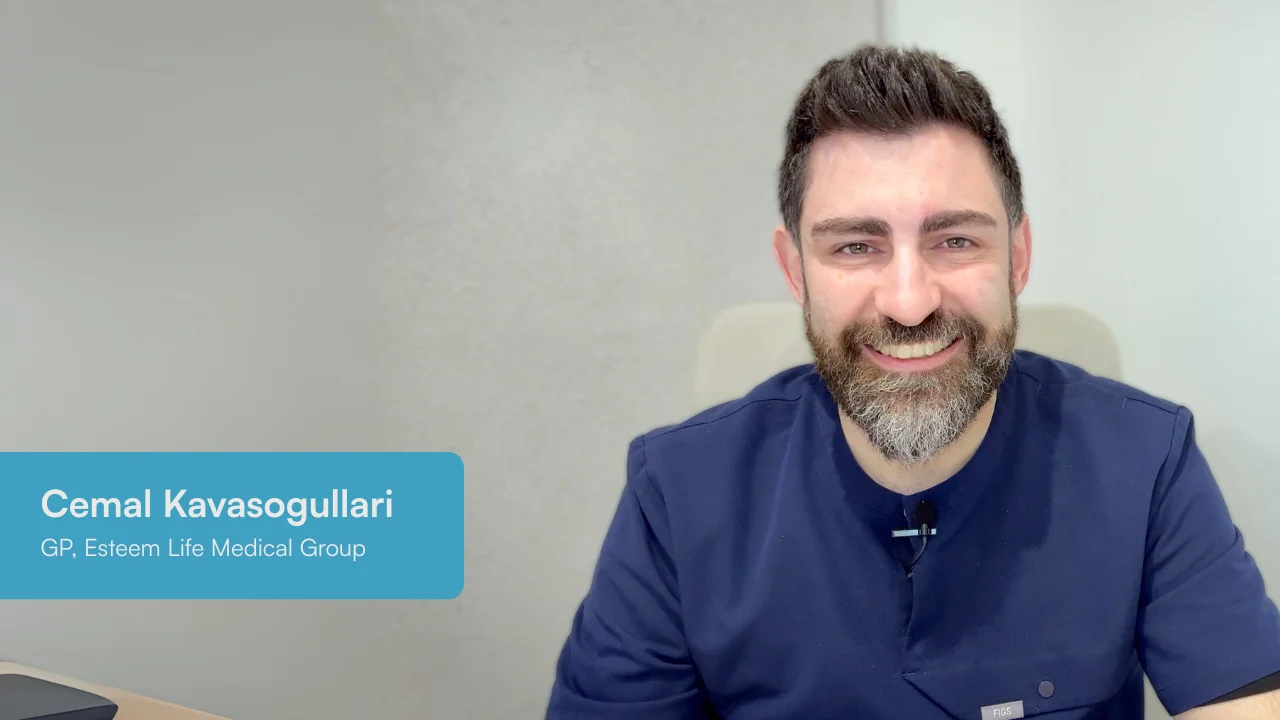
Learn why this holistic care and aesthetic medicine clinic chose Pabau to power patient care and performance.
Read more By Teodor Jurkovski on January 13, 2026
Fact checked by: Teodor Jurukovski
By Teodor Jurkovski on January 13, 2026
Fact checked by: Teodor Jurukovski
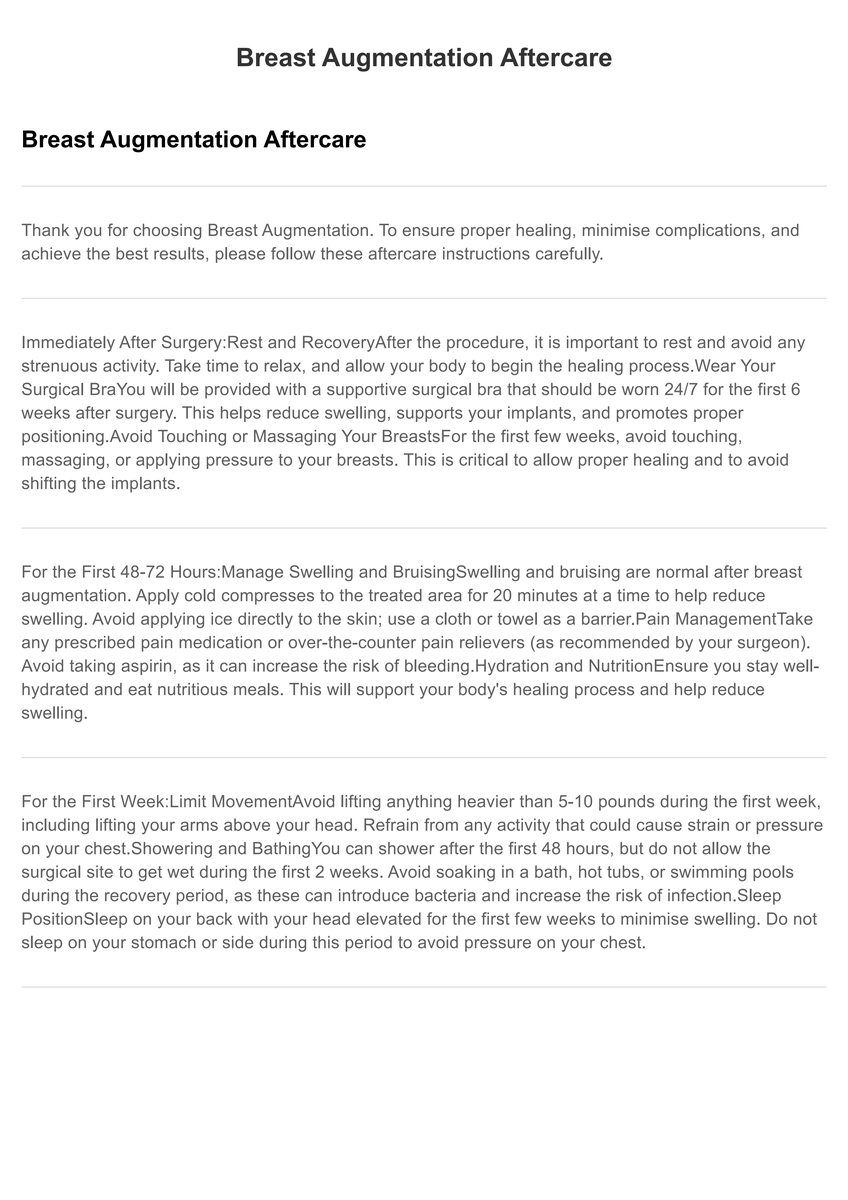
Post-operative care Following structured aftercare protocols significantly reduces complications and enhances healing outcomes.
Recovery timeline Most patients return to normal activities within 4-6 weeks with proper adherence to guidelines.
Warning signs Early recognition of complications through clear symptom monitoring prevents serious adverse outcomes.
Support garments Proper use of surgical bras and compression garments optimises implant positioning and comfort.
Breast augmentation aftercare encompasses the comprehensive post-operative care protocol designed to ensure optimal healing following breast enhancement surgery. This structured approach includes detailed instructions for wound care, activity restrictions, pain management, and ongoing monitoring throughout the recovery period. The aftercare process is fundamental to achieving successful surgical outcomes whilst minimising the risk of complications such as infection, capsular contracture, or implant displacement.
Effective aftercare begins immediately following surgery and continues for several months as the tissues heal and adapt to the breast implants. The protocol addresses both the immediate post-operative period, where careful monitoring and specific care instructions are crucial, and the longer-term recovery phase, where gradual return to normal activities is guided by healing progress.
First, access the breast augmentation aftercare PDF document by downloading it from Pabau below. The template provides a comprehensive framework that can be customised to reflect your specific surgical protocols and patient requirements. Once downloaded, review the content to ensure it aligns with your practice's aftercare standards and make any necessary adjustments before implementation.
Adapt the template to include specific details relevant to the individual patient's surgery, such as implant type, surgical approach, and any particular considerations noted during the procedure. Include personalised medication schedules, specific appointment dates, and contact information for your practice.
Present the aftercare instructions to patients during their pre-operative consultation to ensure they understand what to expect during recovery. This allows time for questions and helps reduce anxiety about the post-operative period.
Provide the completed aftercare guide to patients immediately following surgery, along with verbal reinforcement of key points. Ensure a responsible adult accompanying the patient also receives and understands the instructions.
Use the aftercare template as a reference during follow-up appointments to track compliance and address any concerns. Document patient progress and any deviations from the standard recovery timeline.
The breast augmentation aftercare template serves multiple stakeholders within the cosmetic surgery environment. Primarily, it benefits patients undergoing breast enhancement procedures by providing clear, structured guidance that reduces anxiety and promotes adherence to recovery protocols. The comprehensive nature of the aftercare instructions helps patients understand what constitutes normal healing versus concerning symptoms that require immediate attention.
For cosmetic surgeons and their clinical teams, this template streamlines the aftercare process by ensuring consistent information delivery and reducing the time spent repeatedly explaining post-operative care. It serves as a valuable reference tool for nursing staff during follow-up calls and appointments, enabling them to provide accurate guidance and identify potential complications early.
Practice managers and administrative staff also benefit from the template's standardised approach, which helps maintain high care standards across all patients whilst reducing liability risks through clear documentation of provided aftercare instructions.
Furthermore, implementing structured aftercare protocols demonstrates commitment to patient safety and quality care standards. This comprehensive approach not only supports individual patient outcomes but also contributes to overall practice reputation and professional credibility within the cosmetic surgery community.
Understanding the breast augmentation recovery timeline helps both patients and clinical teams monitor progress effectively. The immediate post-operative period requires careful attention to pain management, wound care, and activity restrictions. During the first week, patients should expect moderate discomfort, swelling, and limited arm movement, with gradual improvement as healing progresses.
By the second week, most patients experience significant reduction in pain and swelling, allowing for light daily activities whilst maintaining lifting restrictions. The four to six-week mark represents a crucial milestone where most patients can resume normal activities, though heavy lifting and vigorous exercise remain restricted until full healing is confirmed through clinical assessment.
Early identification of potential complications is crucial for successful breast augmentation outcomes. Patients must understand the difference between normal post-operative symptoms and warning signs that require immediate medical attention. Severe or worsening pain, signs of infection such as fever or unusual drainage, and sudden changes in breast appearance warrant urgent evaluation.
The aftercare template should clearly outline these warning signs and provide explicit instructions for contacting the surgical team. Additionally, it should address common concerns that may cause unnecessary anxiety, such as temporary asymmetry or implant settling, helping patients distinguish between normal healing processes and genuine complications requiring intervention.