Sculptra
 By Ivana Kotorchevikj on January 13, 2026
 Fact checked by: Teodor Jurukovski


Read case studies from our satisfied clients

Compare Pabau with alternative systems
 Integrations

 Measure Pabau savings
 Our security commitment
 About us

Learn why this holistic care and aesthetic medicine clinic chose Pabau to power patient care and performance.
Read more By Ivana Kotorchevikj on January 13, 2026
Fact checked by: Teodor Jurukovski
By Ivana Kotorchevikj on January 13, 2026
Fact checked by: Teodor Jurukovski

Biostimulation therapy Sculptra uses poly-L-lactic acid to stimulate natural collagen production for gradual, long-lasting facial volumisation.
Progressive results Treatment effects develop gradually over 2-3 months with results lasting up to two years.
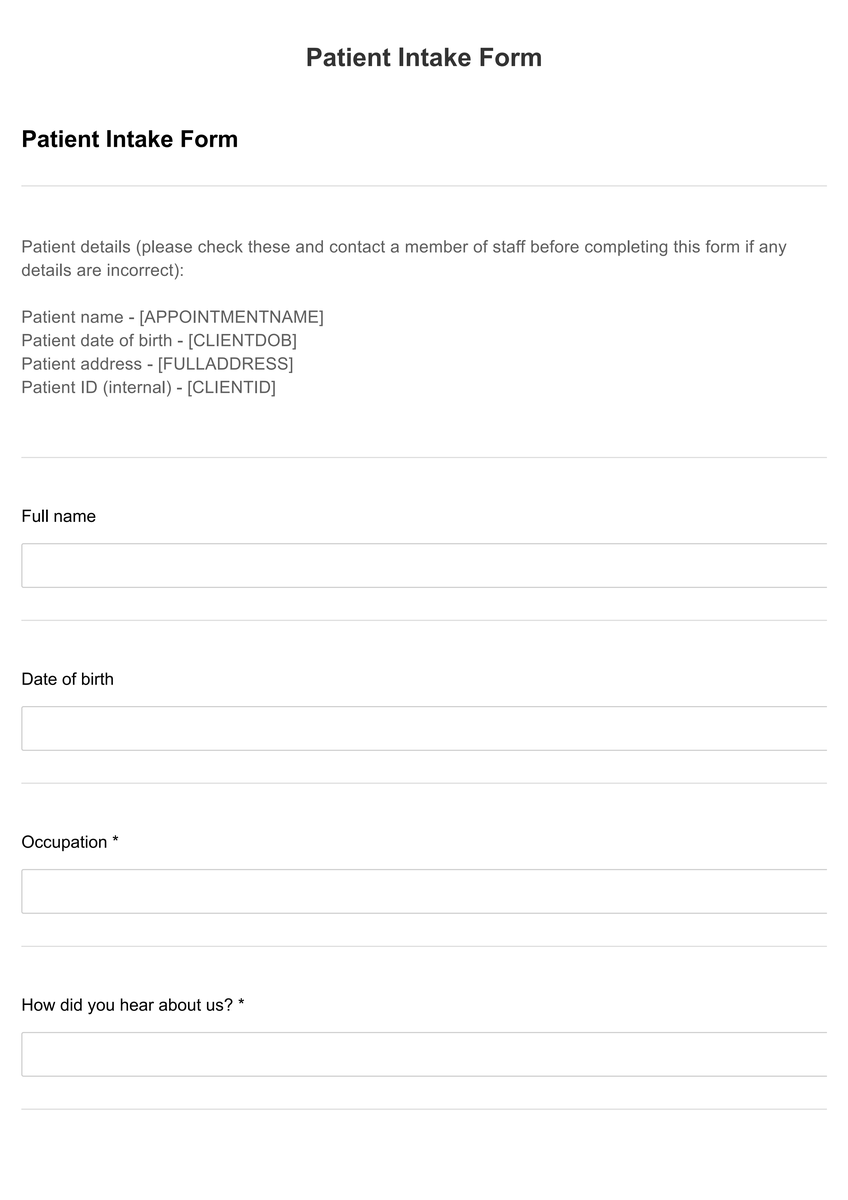
Comprehensive assessment The form captures detailed medical history, treatment areas, and patient expectations for optimal outcomes.
Safety protocols Thorough documentation ensures appropriate patient selection and informed consent for treatment.
A Sculptra treatment form is a specialised medical documentation tool designed for aesthetic practitioners administering poly-L-lactic acid (PLLA) injections. This comprehensive form serves as both a clinical assessment tool and legal document, capturing essential patient information required for safe and effective biostimulatory treatments. Sculptra represents a unique category of aesthetic injectable that works by stimulating the body's natural collagen production rather than providing immediate volumisation like traditional dermal fillers.
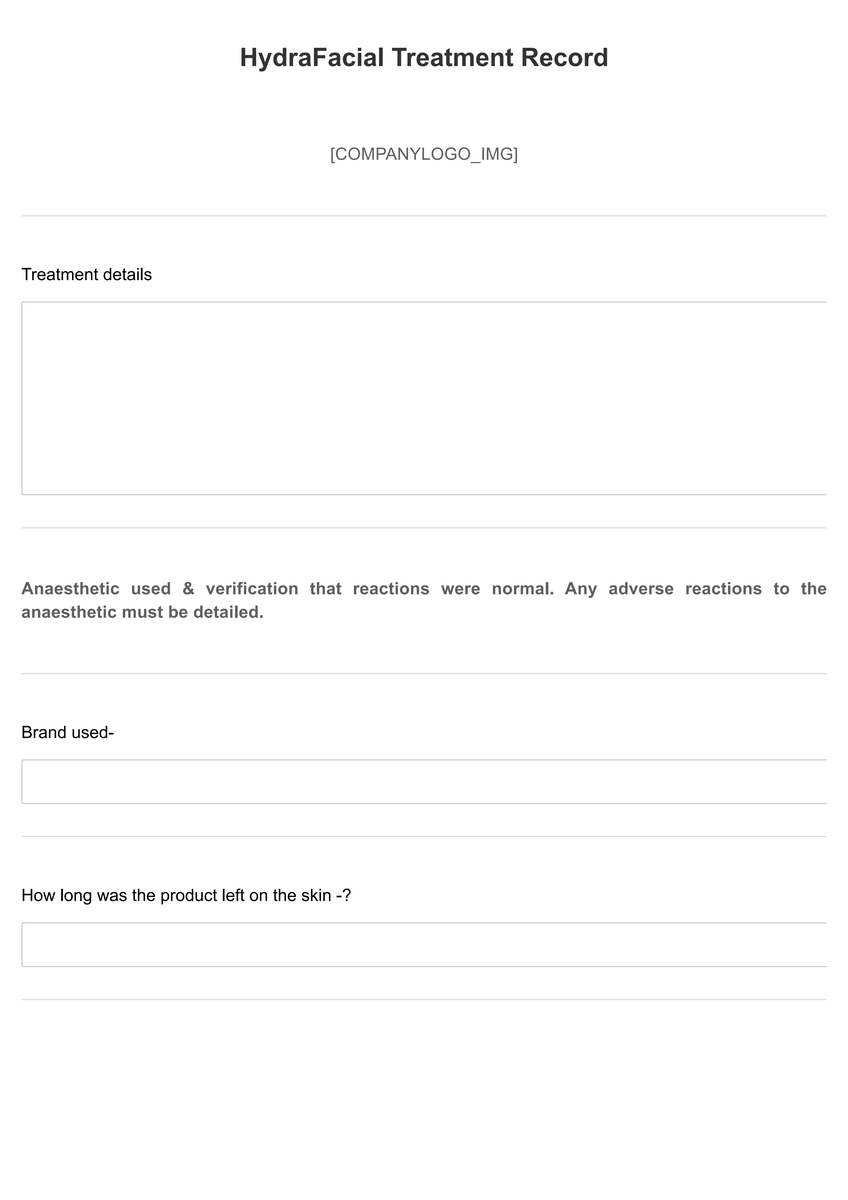
The form encompasses detailed sections covering medical history, current medications, previous aesthetic treatments, and specific contraindications relevant to PLLA therapy. Moreover, it includes treatment planning areas where practitioners can document injection sites, volumes, dilution ratios, and expected treatment protocols. The document also incorporates comprehensive consent elements that explain the gradual nature of Sculptra results, potential side effects, and post-treatment care requirements.
Furthermore, the Sculptra form addresses the unique characteristics of this treatment modality, including the delayed onset of results, the importance of post-treatment massage, and the potential for granuloma formation in rare cases. This documentation is crucial for maintaining clinical standards and ensuring patients have realistic expectations about their treatment journey.
First, access the Sculptra treatment form PDF document by downloading it from Pabau below. The digital format allows for easy completion, storage, and integration with your practice management system. Ensure you have the most current version of the form, as Sculptra protocols and safety guidelines are periodically updated based on clinical evidence and regulatory requirements.
Begin by recording comprehensive patient identification details, including full name, date of birth, contact information, and emergency contact details. Document any previous visits to your clinic and establish a clear medical record number for future reference. This section forms the foundation for all subsequent clinical documentation and treatment tracking.
Thoroughly review and document the patient's medical history, paying particular attention to autoimmune conditions, immunosuppressive medications, and previous adverse reactions to injectable treatments. Record current medications, supplements, and recent cosmetic procedures, as these factors can significantly impact Sculptra treatment planning and outcomes.
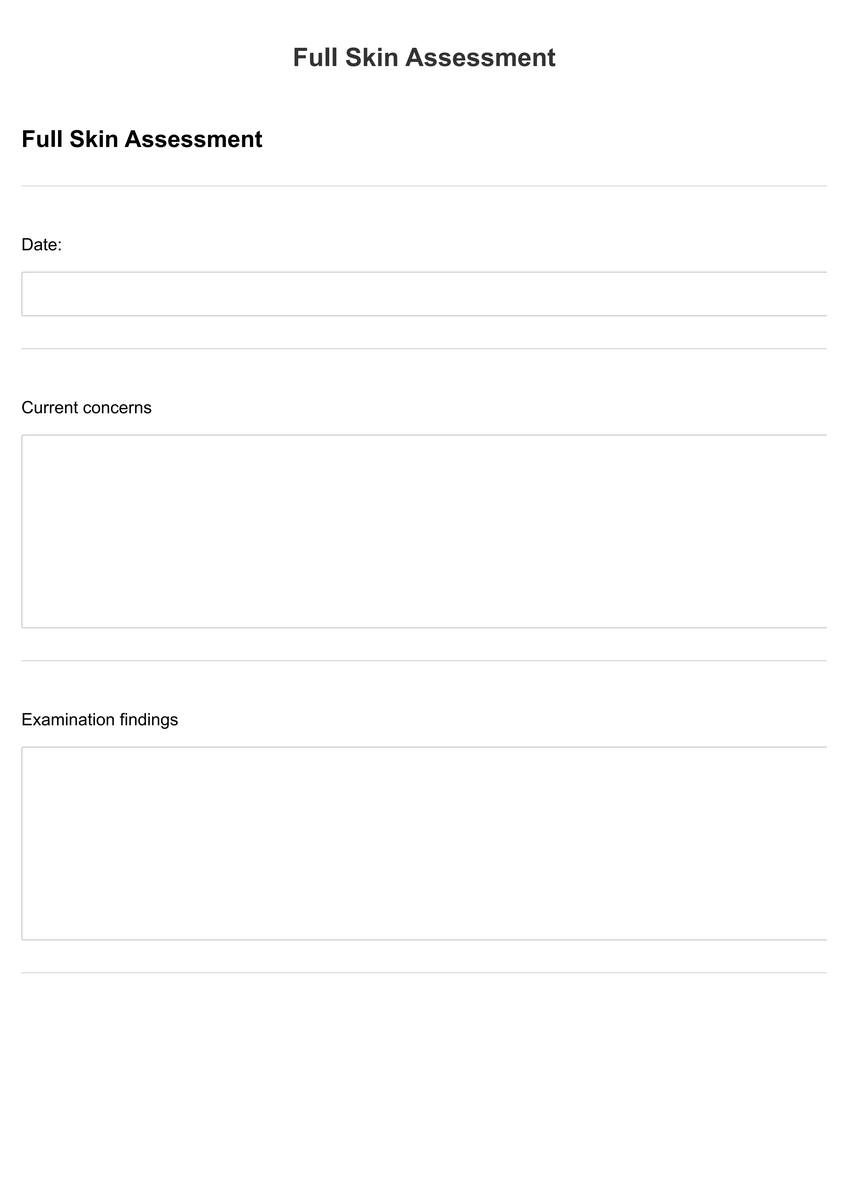
Document your clinical assessment of facial volume loss, skin quality, and anatomical considerations. Map the proposed injection sites and calculate the required vial quantities based on the degree of correction needed. Record baseline photographs and measurements to track treatment progress over the subsequent months.
Detail the recommended treatment schedule, explaining that Sculptra requires multiple sessions spaced 4-6 weeks apart for optimal results. Document the patient's understanding of the gradual improvement process and the importance of post-treatment massage. Ensure they comprehend that results develop over 2-3 months and can last up to two years.
Review all potential risks, benefits, and alternatives with the patient. Ensure they understand the unique mechanism of action of PLLA and the possibility of delayed complications. Document their consent for treatment and confirm they have received comprehensive aftercare instructions.
The Sculptra treatment form is invaluable for aesthetic practitioners specialising in facial rejuvenation and volume restoration treatments. Dermatologists, plastic surgeons, and trained aesthetic nurses utilise this documentation to ensure comprehensive patient assessment and treatment planning for PLLA therapy. The form is particularly beneficial for clinicians who regularly perform biostimulatory treatments and require detailed protocols for patient safety and optimal outcomes.
Additionally, the form serves patients seeking gradual, natural-looking facial volumisation who prefer long-lasting results over temporary solutions. It's especially relevant for individuals with significant facial volume loss due to ageing, weight loss, or medical conditions. The comprehensive nature of the form ensures patients are fully informed about the treatment process and have realistic expectations about the timeline for results.
Practice managers and clinical coordinators also benefit from this standardised documentation, as it streamlines the consultation process and ensures consistent information gathering across all Sculptra treatments. The form facilitates proper scheduling of follow-up appointments and treatment sequences essential for successful PLLA therapy outcomes.
Implementing a structured Sculptra treatment form offers numerous advantages for both practitioners and patients:
The standardised approach to Sculptra documentation enhances patient safety while ensuring consistent treatment delivery. This systematic documentation supports evidence-based practice and contributes to improved patient satisfaction through clear communication and realistic expectation setting regarding the unique characteristics of PLLA therapy.
Sculptra treatment protocols require careful consideration of patient-specific factors and anatomical requirements. The form facilitates documentation of dilution ratios, injection techniques, and volume calculations essential for achieving optimal biostimulatory effects. Practitioners must document the specific mixing protocol used, as consistency in preparation affects treatment outcomes and minimises complications.
The treatment schedule documentation is crucial, as Sculptra requires a series of sessions to achieve desired results. The form helps track the progression through the treatment series, ensuring appropriate intervals between sessions and monitoring for any delayed reactions. This systematic approach to protocol documentation supports reproducible results and enables refinement of techniques based on patient response patterns.
The Sculptra form includes comprehensive sections for post-treatment care instructions and follow-up scheduling. Proper documentation of massage techniques, duration requirements, and follow-up appointments is essential for optimal treatment outcomes. The form ensures patients receive standardised aftercare instructions and understand the importance of compliance with post-treatment protocols.
Follow-up documentation tracks treatment response, identifies any complications early, and supports decision-making for subsequent treatment sessions. This systematic approach to follow-up care enhances patient satisfaction and enables practitioners to refine treatment approaches based on individual patient responses to PLLA therapy.