Skin Needling Consent Form
 By Teodor Jurkovski on January 12, 2026
 Fact checked by: Teodor Jurukovski


Read case studies from our satisfied clients

Compare Pabau with alternative systems
 Integrations

 Measure Pabau savings
 Our security commitment
 About us

Learn why this holistic care and aesthetic medicine clinic chose Pabau to power patient care and performance.
Read more By Teodor Jurkovski on January 12, 2026
Fact checked by: Teodor Jurukovski
By Teodor Jurkovski on January 12, 2026
Fact checked by: Teodor Jurukovski
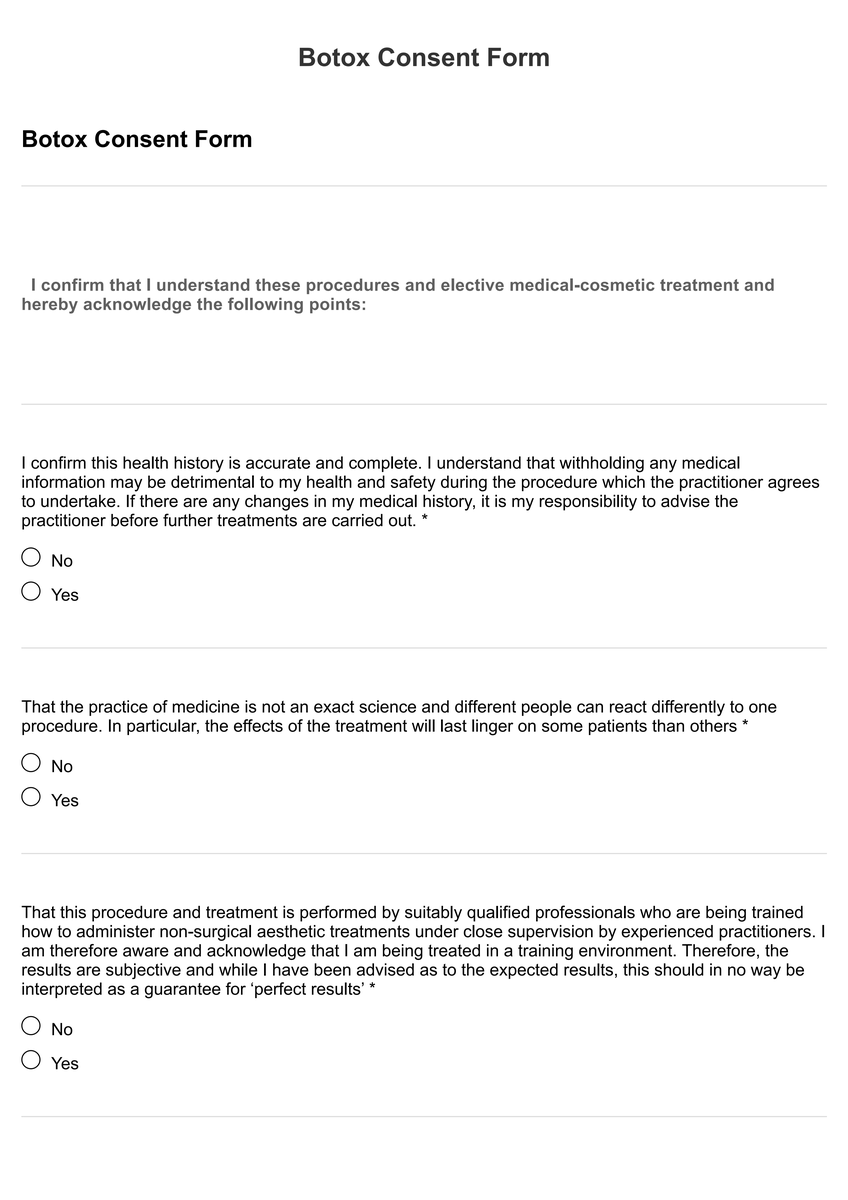
Legal Protection The consent form provides essential legal protection for both practitioners and patients by documenting informed consent for microneedling procedures.
Informed Decision-Making Patients receive comprehensive information about treatment benefits, risks, and aftercare requirements before proceeding.
Professional Standards Proper consent documentation ensures compliance with healthcare regulations and maintains professional treatment standards.
Treatment Documentation The form creates a permanent record of patient consent and treatment parameters for future reference and continuity of care.
A skin needling consent form is a comprehensive legal document designed to ensure patients fully understand the microneedling procedure they are about to undergo. This essential form serves as both an educational tool and a legal safeguard, providing detailed information about the treatment process, expected outcomes, potential risks, and post-treatment care requirements.
The form establishes clear communication between the practitioner and patient, ensuring that all aspects of the skin needling procedure are thoroughly explained and understood. It covers everything from the mechanism of action of microneedling to contraindications, potential side effects, and realistic expectations for treatment results.
Furthermore, the consent form demonstrates the clinic's commitment to professional standards and patient safety. By requiring patients to acknowledge their understanding of the procedure through their signature, it creates a documented trail of informed consent that protects both parties and ensures compliance with healthcare regulations.
First, access the skin needling consent form PDF document by downloading it from Pabau below. The form is designed to be printed on standard A4 paper and can be customised with your clinic's branding and specific treatment protocols. Ensure you have the most current version of the form to maintain compliance with the latest healthcare regulations and best practices in aesthetic medicine.
Before presenting the consent form, conduct a thorough review of the patient's medical history and current health status. Identify any contraindications to skin needling, such as active skin infections, blood clotting disorders, or recent use of certain medications. This preliminary assessment ensures the patient is a suitable candidate for microneedling treatment.
Present the consent form to the patient and systematically explain each section. Discuss the microneedling process, including how the device creates controlled micro-injuries to stimulate collagen production. Explain the expected treatment timeline, number of sessions required, and realistic outcomes based on their specific skin concerns.
Thoroughly review all potential risks and side effects listed in the consent form. Address common temporary effects such as redness, swelling, and mild discomfort, as well as rare but serious complications. Ensure the patient understands these risks and feels comfortable proceeding with treatment.
Explain the comprehensive aftercare instructions detailed in the consent form. Cover topics such as sun protection, skincare product usage, activity restrictions, and signs of complications that require immediate medical attention. Emphasise the importance of following these guidelines for optimal healing and results.
Once all questions have been answered and the patient demonstrates understanding of the procedure, obtain their signature and date on the consent form. Ensure both the patient and practitioner sign the document, and provide the patient with a copy for their records whilst retaining the original in their treatment file.
The skin needling consent form is invaluable for aesthetic practitioners, dermatologists, and cosmetic clinics offering microneedling treatments. It serves healthcare professionals who need to ensure proper informed consent whilst maintaining the highest standards of patient care and legal protection.
Patients benefit significantly from this comprehensive document as it empowers them to make informed decisions about their aesthetic treatments. The form helps individuals understand exactly what to expect from their microneedling procedure, enabling them to prepare appropriately and feel confident about their treatment choice.
Clinic administrators and practice managers also find this form essential for maintaining proper documentation standards and ensuring regulatory compliance. It streamlines the consent process whilst providing consistent information delivery across all practitioners within the facility.
By implementing a thorough skin needling consent form, practitioners establish trust with their patients whilst protecting their practice. This document serves as the foundation for a successful treatment relationship, ensuring all parties understand their responsibilities and expectations throughout the microneedling process.
Understanding the legal implications of microneedling treatments is crucial for practitioners operating in the aesthetic medicine field. The skin needling consent form addresses key legal requirements including duty of care, negligence prevention, and documentation standards required by professional regulatory bodies.
Proper consent documentation protects against potential litigation by demonstrating that patients were fully informed about treatment risks and alternatives. The form should be regularly updated to reflect current best practices and emerging research in microneedling techniques and outcomes.
Additionally, practitioners must ensure their consent forms comply with local healthcare regulations and professional body guidelines. Regular legal review of consent documentation helps maintain current standards and reduces potential professional liability exposures.
The skin needling consent form establishes the foundation for comprehensive post-treatment documentation and patient follow-up protocols. Following the initial consent process, practitioners should maintain detailed records of treatment parameters, patient responses, and any complications that may arise.
Effective follow-up procedures include scheduled check-ins to monitor healing progress, address any concerns, and document treatment outcomes. This ongoing documentation supports continuity of care and provides valuable data for future treatment planning and quality improvement initiatives.
Furthermore, proper post-treatment documentation helps identify patterns in patient responses and treatment efficacy, enabling practitioners to refine their techniques and improve overall patient satisfaction with microneedling procedures.