Rhinoplasty Chart
 By Teodor Jurkovski on January 8, 2026
 Fact checked by: Teodor Jurukovski


Read case studies from our satisfied clients

Compare Pabau with alternative systems
 Integrations

 Measure Pabau savings
 Our security commitment
 About us

Learn why this holistic care and aesthetic medicine clinic chose Pabau to power patient care and performance.
Read more By Teodor Jurkovski on January 8, 2026
Fact checked by: Teodor Jurukovski
By Teodor Jurkovski on January 8, 2026
Fact checked by: Teodor Jurukovski
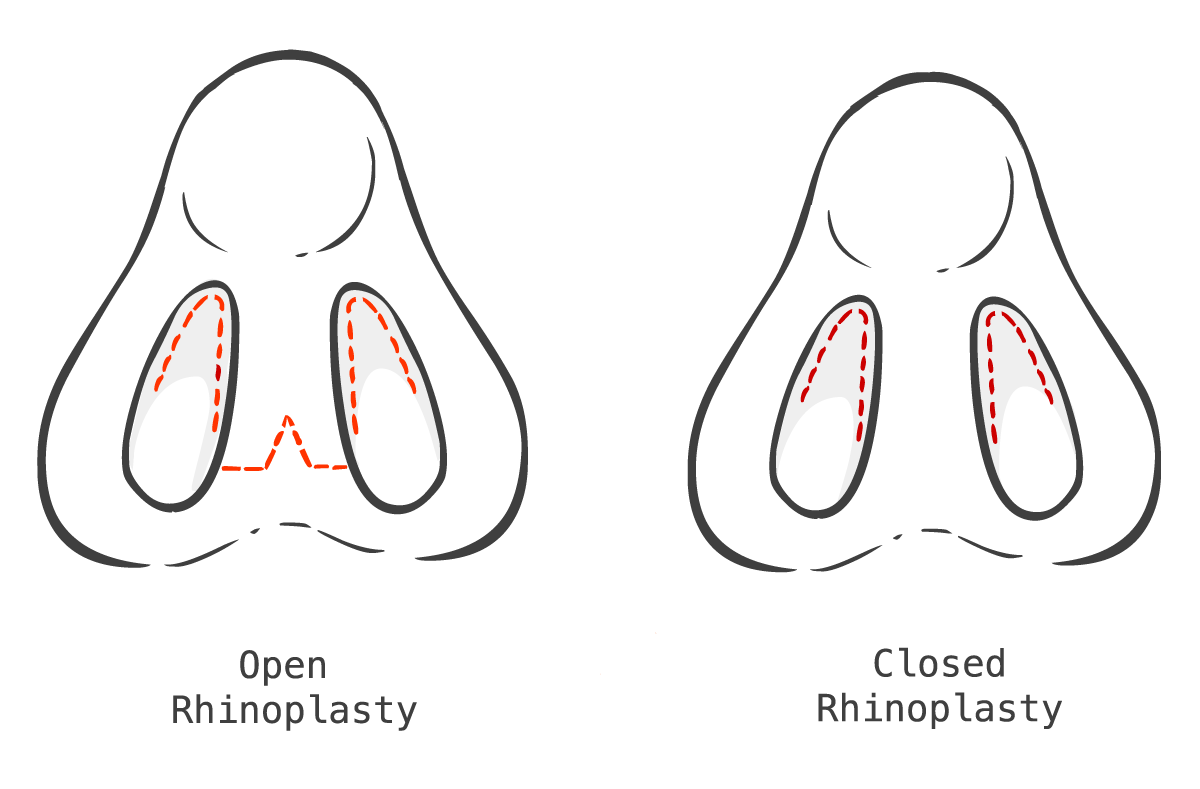
Surgical Planning Rhinoplasty charts provide essential visual documentation for precise nose reshaping procedures and surgical outcome tracking.
Anatomical Reference These diagrams capture nasal anatomy landmarks, measurement guidelines, and structural assessment points for surgical planning.
Professional Communication Charts facilitate clear documentation between surgical teams, ensuring consistent procedural approaches and patient safety protocols.
Quality Assurance Standardised charting supports clinical governance requirements and provides comprehensive medical record documentation for rhinoplasty procedures.
A rhinoplasty chart is a specialised medical diagram designed specifically for documenting nose reshaping procedures and surgical planning. This comprehensive visual tool incorporates anatomical illustrations of nasal structures, measurement guidelines, and documentation spaces for surgical notes. The chart serves as an essential communication device between plastic surgeons, anaesthetists, and surgical staff throughout the rhinoplasty process.
The diagram features detailed representations of nasal anatomy from multiple angles, including frontal, lateral, and basal views. Furthermore, it includes specific measurement markers for documenting nasal proportions, symmetry assessments, and planned surgical modifications. The chart also provides designated areas for recording patient-specific information, surgical approach details, and post-operative monitoring requirements.
First access the rhinoplasty chart PDF document by downloading it from Pabau below. The downloadable chart arrives as a high-resolution PDF file suitable for both digital annotation and physical printing. Once downloaded, you can store the chart in your patient management system or print multiple copies for clinical use during consultations and surgical procedures.
Begin by completing the patient identification section and documenting baseline nasal measurements. Record anatomical landmarks, nasal tip projection, bridge height, and nostril symmetry using the measurement guides provided on the chart. Additionally, document any breathing difficulties, previous nasal trauma, or existing structural abnormalities that may influence surgical planning.
Utilise the anatomical diagrams to mark planned surgical modifications and approach techniques. Indicate areas requiring cartilage reshaping, bone reduction, or structural reinforcement using the chart's annotation spaces. Moreover, document the intended surgical approach, whether open or closed rhinoplasty, and mark specific incision sites for reference during the procedure.
During surgery, record actual modifications performed, any deviations from the original plan, and unexpected anatomical findings. Document graft placement locations, cartilage harvesting sites, and structural adjustments made during the procedure. This real-time documentation ensures accurate post-operative records and supports quality assurance protocols.
Complete the chart with post-operative assessment notes, healing progress markers, and any complications or concerns identified during recovery. Document swelling patterns, breathing improvements, and aesthetic outcomes at scheduled follow-up appointments to create a comprehensive record of the patient's rhinoplasty journey.
Rhinoplasty charts prove invaluable for plastic surgeons specialising in facial reconstruction and cosmetic nasal procedures. These practitioners rely on detailed anatomical documentation to plan complex surgical approaches and communicate effectively with their surgical teams. The charts support precision in surgical planning whilst ensuring consistent documentation standards across different cases.
Aesthetic clinics and private cosmetic surgery practices benefit significantly from standardised rhinoplasty charts. These facilities use the diagrams to maintain comprehensive patient records, support clinical governance requirements, and facilitate clear communication between consulting surgeons and operating teams. The charts also prove essential for insurance documentation and medical-legal protection.
Medical training institutions and surgical education programmes utilise rhinoplasty charts as teaching tools for resident surgeons and medical students. The detailed anatomical representations support learning objectives whilst providing standardised documentation templates for educational case studies and surgical skill development programmes.
The rhinoplasty chart ultimately transforms complex surgical procedures into well-documented, systematic approaches that prioritise patient safety and optimal aesthetic outcomes. By providing comprehensive visual documentation tools, these charts support both clinical excellence and professional accountability in cosmetic nasal surgery practices.
The rhinoplasty chart includes specific sections for documenting various surgical techniques employed during the procedure. Surgeons can record details about cartilage grafting methods, osteotomy techniques, and soft tissue modifications performed. This documentation proves essential for tracking surgical outcomes and refining technique approaches based on patient responses and healing patterns.
Additionally, the chart provides space for noting anaesthetic considerations, patient positioning requirements, and special equipment utilised during the procedure. This comprehensive approach ensures that all aspects of the surgical process are properly documented for future reference and quality improvement initiatives.
Beyond surgical documentation, rhinoplasty charts serve as valuable communication tools during patient consultations. Surgeons can use the anatomical diagrams to explain proposed procedures, highlight areas of concern, and discuss realistic outcome expectations with patients. This visual approach enhances patient understanding and supports informed consent processes.
The chart also facilitates before-and-after comparisons, allowing patients to visualise planned changes and understand the surgical approach. This enhanced communication ultimately leads to improved patient satisfaction and reduced post-operative concerns about aesthetic outcomes.