Coolsculpting Treatment Form
 By Maja Muzhdeka on January 15, 2026
 Fact checked by: Teodor Jurukovski

Discover free eBooks, guides and med spa templates on our new resources page


Read case studies from our satisfied clients

Compare Pabau with alternative systems
 Integrations

 Measure Pabau savings
 Our security commitment
 About us
Learn why this holistic care and aesthetic medicine clinic chose Pabau to power patient care and performance.
Read more By Maja Muzhdeka on January 15, 2026
Fact checked by: Teodor Jurukovski
By Maja Muzhdeka on January 15, 2026
Fact checked by: Teodor Jurukovski
Patient Assessment Comprehensive medical history and suitability evaluation ensures safe CoolSculpting treatment delivery.
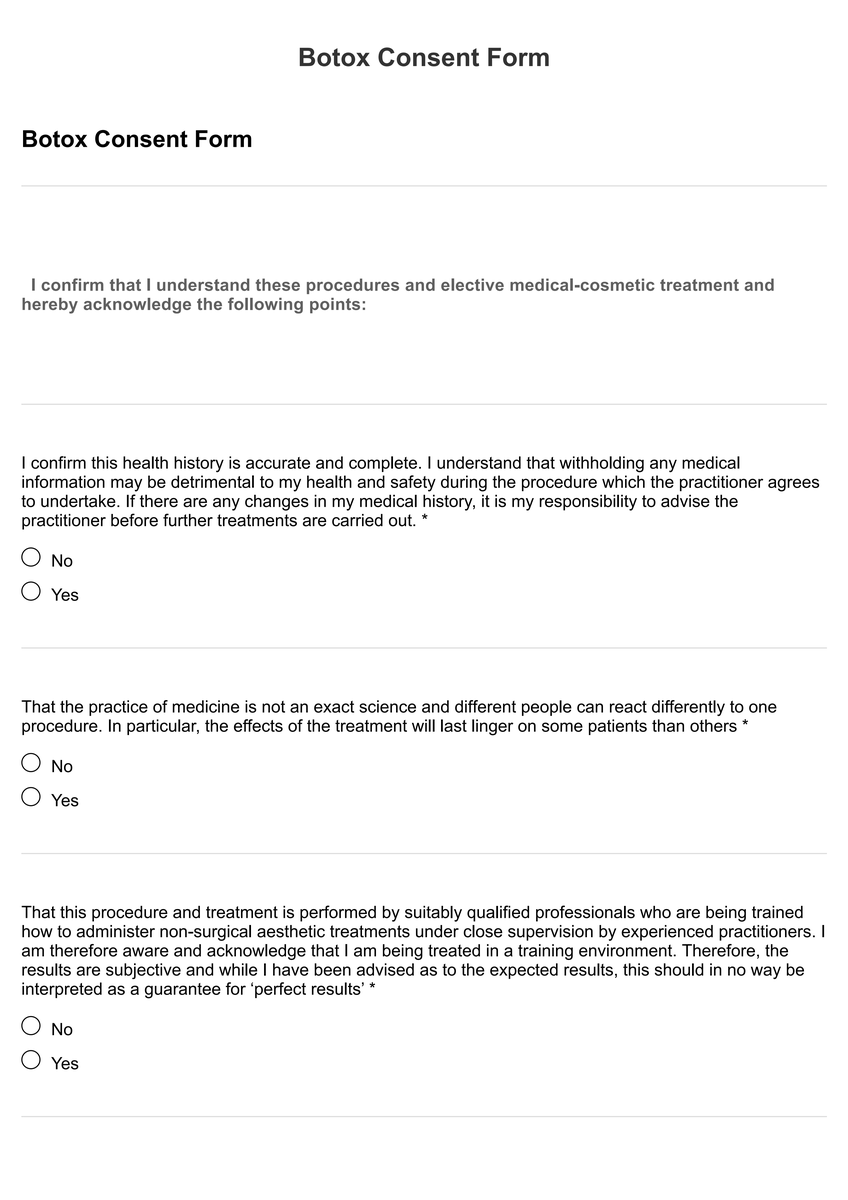
Informed Consent Detailed documentation of risks, benefits, and expected outcomes protects both patient and practitioner.
Treatment Planning Precise documentation of target areas and parameters ensures consistent, effective results.
Legal Protection Proper documentation provides essential medico-legal safeguards for aesthetic practice management.
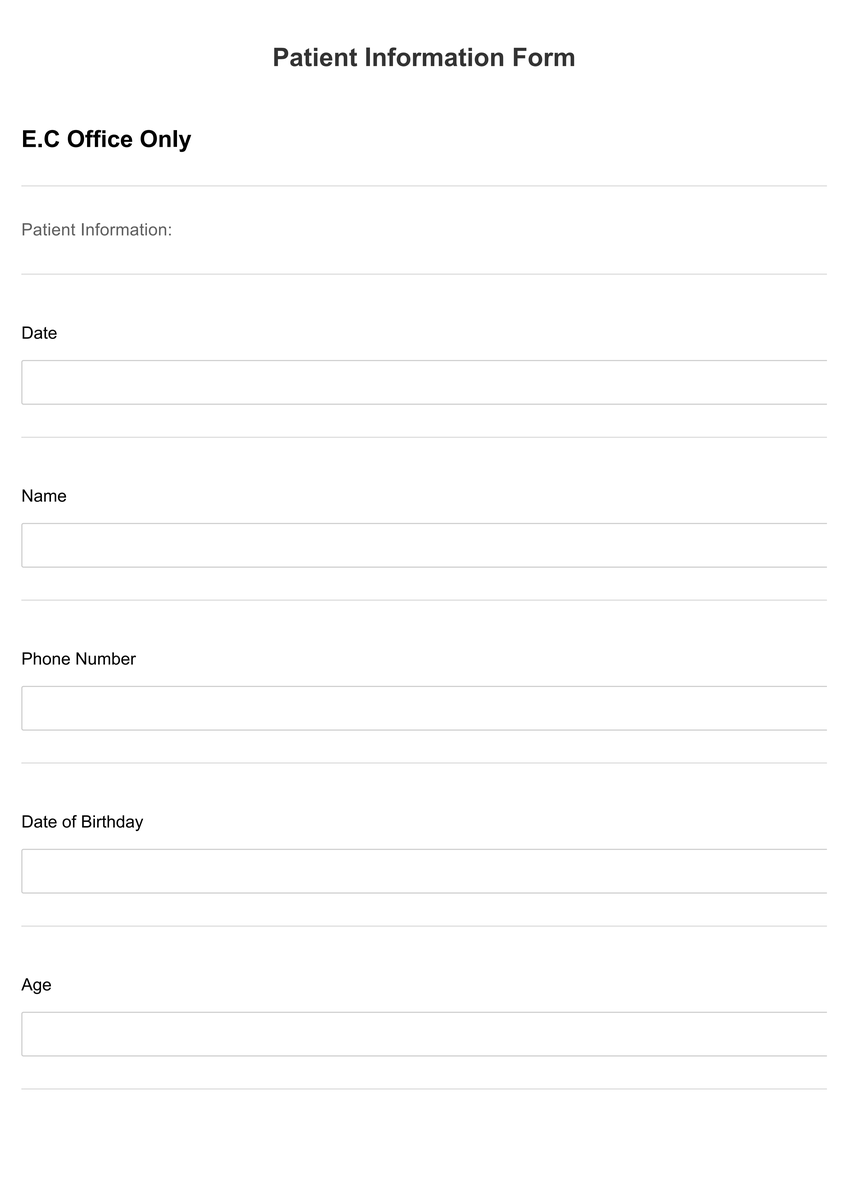
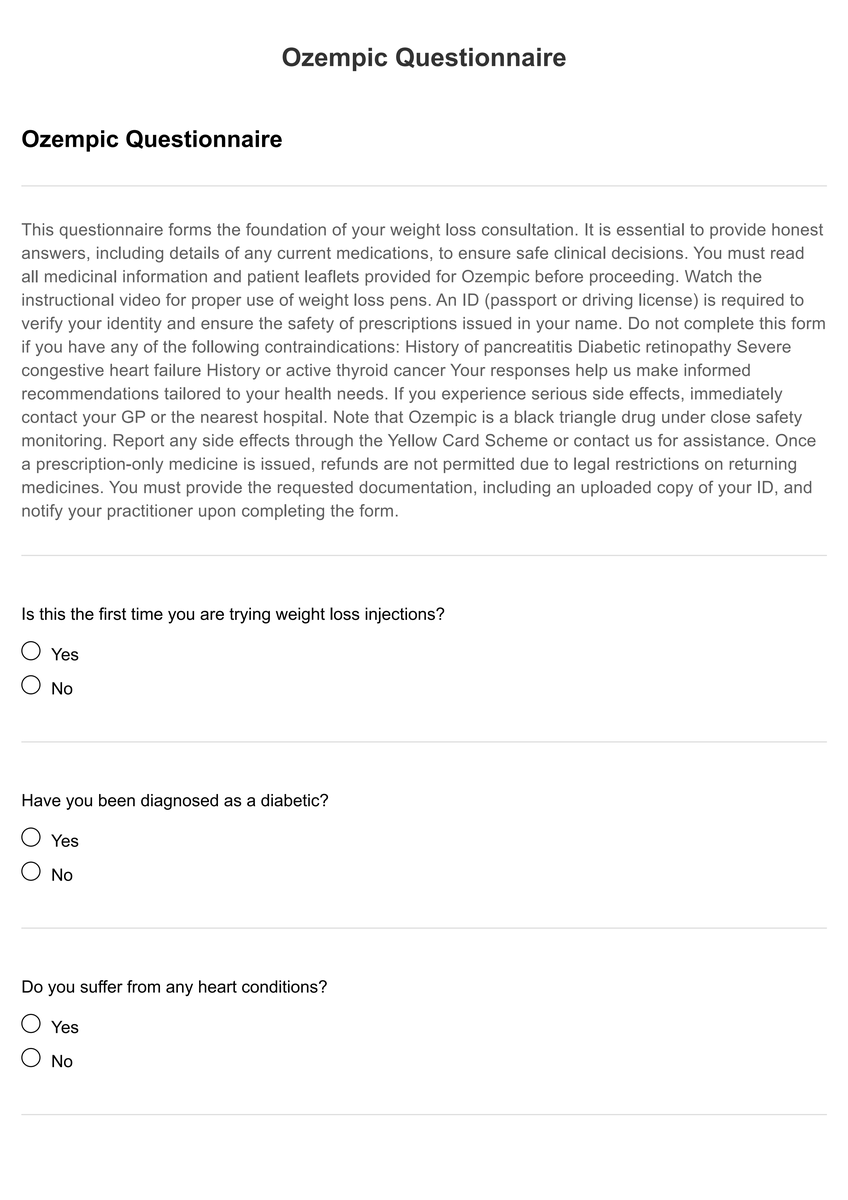
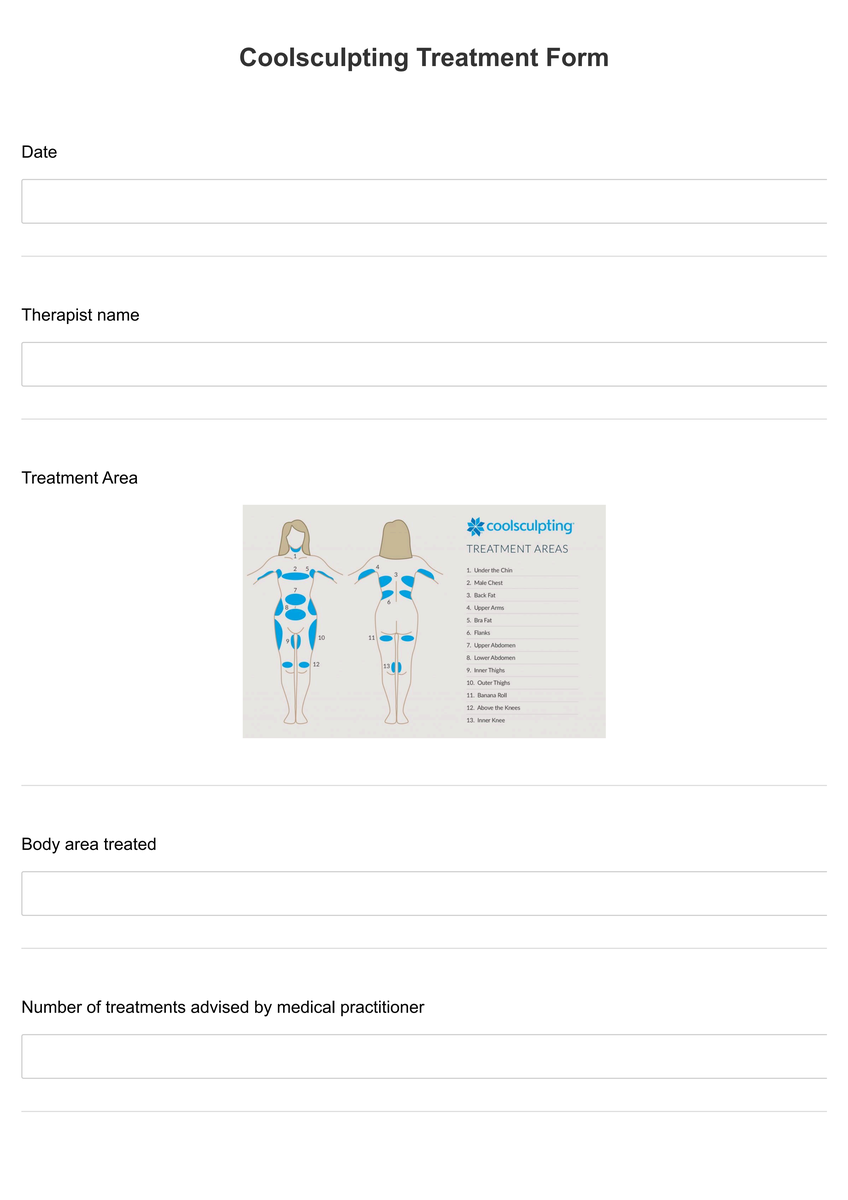
The CoolSculpting Treatment Form is a specialised medical document designed specifically for practitioners offering cryolipolysis fat reduction treatments. This comprehensive form serves multiple essential functions within aesthetic practice management, combining patient assessment, treatment planning, and consent documentation in one streamlined document.
CoolSculpting, also known as cryolipolysis, is a non-invasive body contouring procedure that uses controlled cooling to eliminate stubborn fat cells. The treatment form ensures that practitioners conduct thorough patient evaluations, document medical histories, and obtain proper informed consent before proceeding with treatment. Furthermore, it provides a structured framework for recording treatment parameters, patient responses, and follow-up care requirements.
The form incorporates essential safety protocols and contraindication screening to identify patients who may not be suitable candidates for CoolSculpting. This includes assessment of medical conditions, medications, and anatomical factors that could affect treatment outcomes or patient safety.
First, access the CoolSculpting Treatment Form PDF document by downloading it from Pabau below. The form is available as a fillable PDF that can be completed electronically or printed for manual completion. Ensure you have the most current version of the form to maintain compliance with updated safety protocols and regulatory requirements. Save the document to your practice management system for easy access during patient consultations.
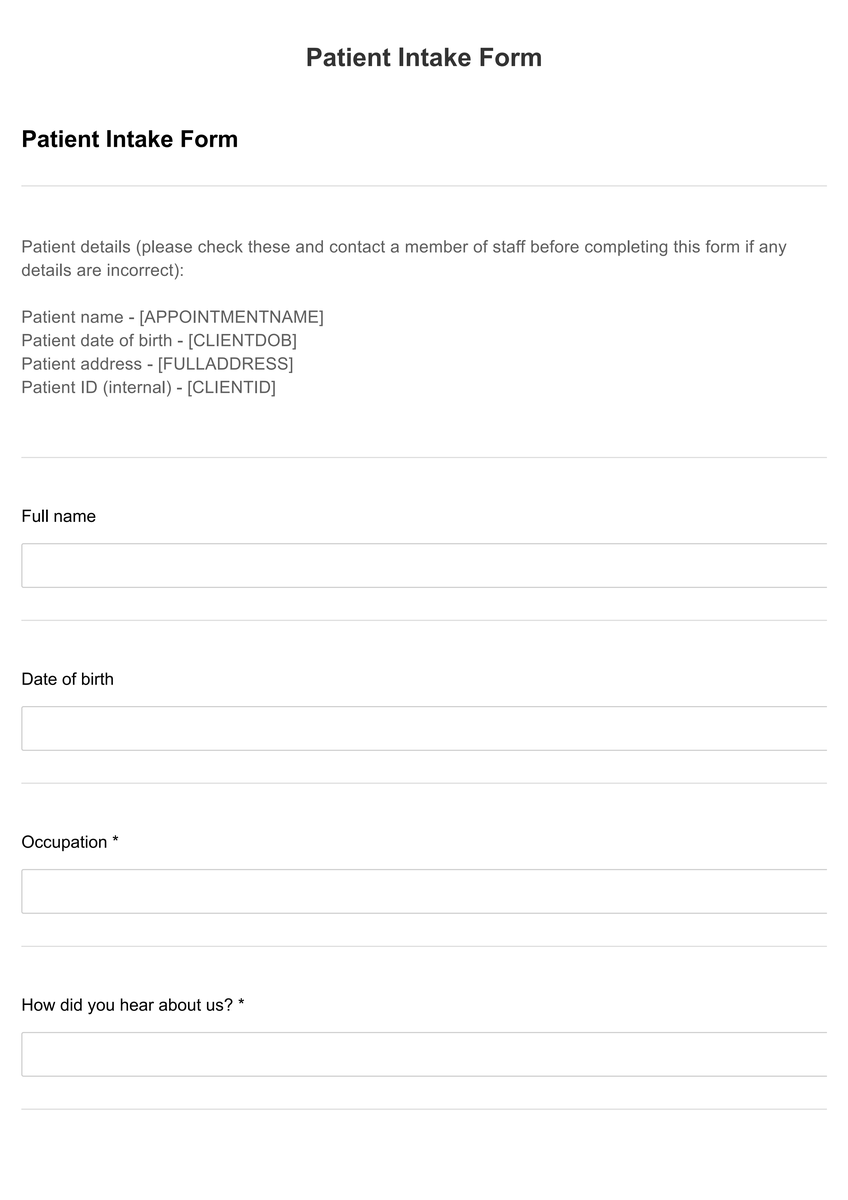
Begin by collecting comprehensive patient demographic information, including contact details, emergency contacts, and referring practitioner information if applicable. Record the patient's medical history, focusing particularly on any conditions that may contraindicate CoolSculpting treatment, such as cryoglobulinemia, cold urticaria, or paroxysmal cold haemoglobinuria.
Document the specific areas targeted for CoolSculpting treatment through detailed anatomical mapping. Measure and photograph treatment areas as appropriate, noting fat thickness, skin quality, and any anatomical considerations that may affect applicator selection or treatment parameters. Record patient expectations and discuss realistic outcomes based on individual anatomy.
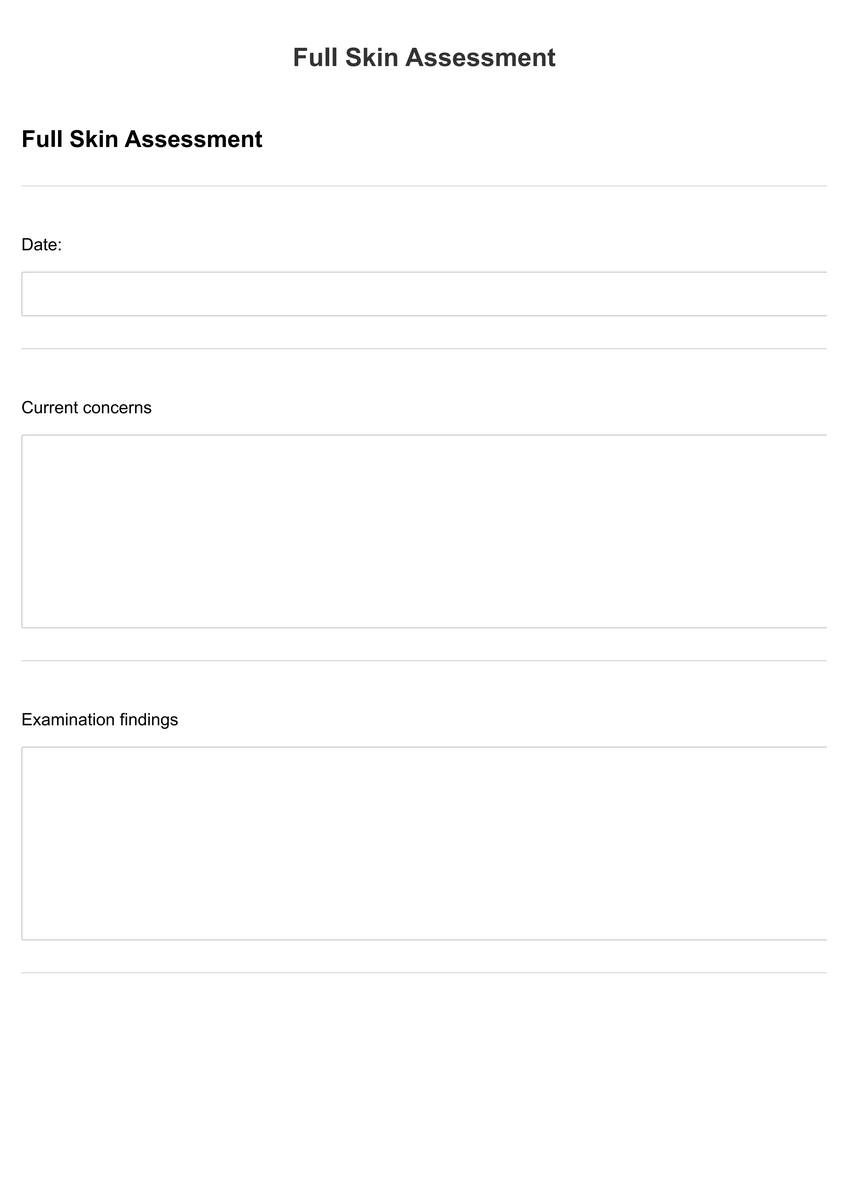
Complete the comprehensive medical screening section, including current medications, previous cosmetic treatments, and any relevant allergies. Ensure patients understand the treatment process, potential side effects, and expected recovery timeline. Obtain written informed consent after thorough discussion of risks, benefits, and alternative treatment options.
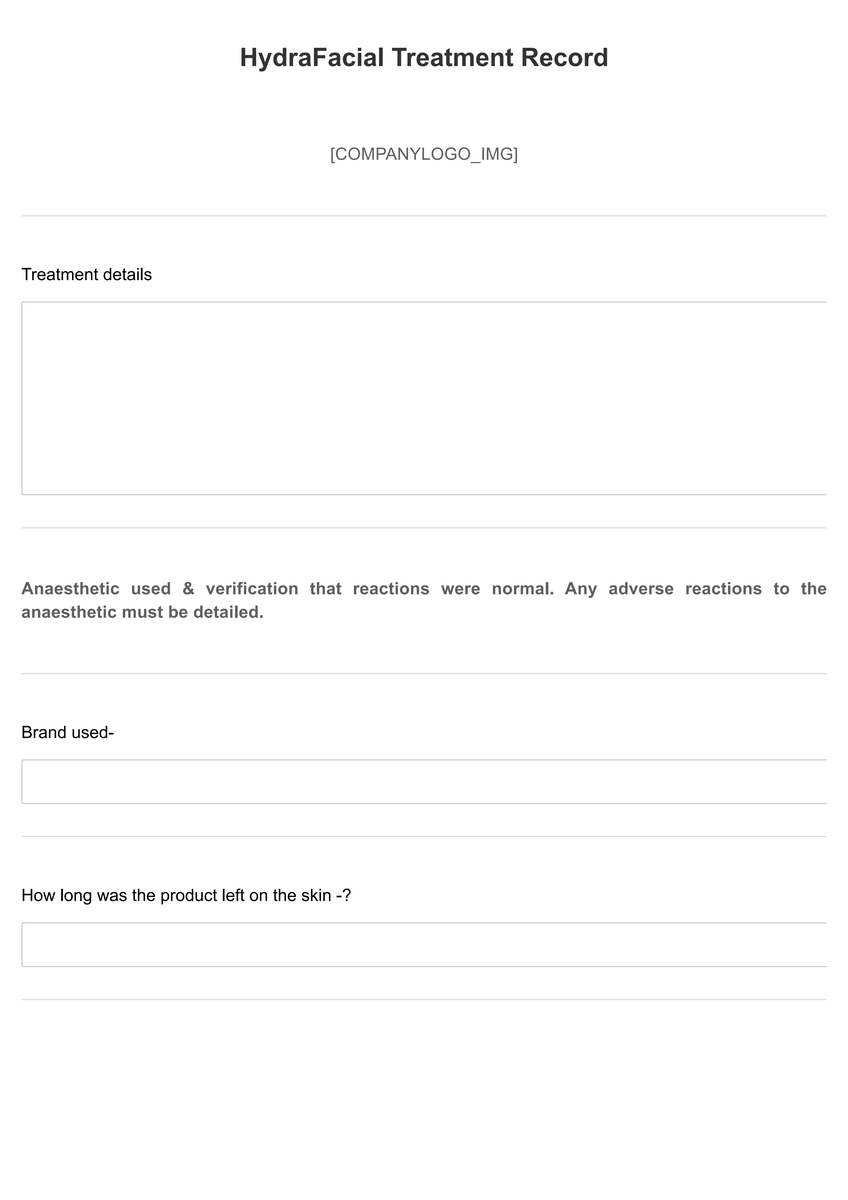
Record all treatment parameters including applicator types, treatment duration, cooling temperatures, and any adjustments made during the procedure. Document the patient's response to treatment, any immediate side effects, and post-treatment care instructions provided. Schedule appropriate follow-up appointments and document them within the form.
The CoolSculpting Treatment Form proves invaluable for aesthetic practitioners, dermatologists, and cosmetic surgeons who offer non-invasive body contouring services. Medical spas, dermatology clinics, and specialised aesthetic centres rely on this documentation to maintain clinical standards and ensure patient safety throughout the treatment journey.
Practice managers and clinical coordinators find the form essential for maintaining organised patient records and ensuring consistent documentation across multiple practitioners. The structured format facilitates efficient patient processing whilst maintaining thorough clinical oversight. Additionally, the form supports training and quality assurance programmes within aesthetic practices.
Patients themselves benefit from the comprehensive assessment process, as it ensures they receive appropriate treatment recommendations based on their individual circumstances and medical history. The detailed consent process promotes informed decision-making and realistic expectation setting.
The systematic approach provided by the CoolSculpting Treatment Form significantly enhances practice efficiency whilst maintaining the highest clinical standards. This comprehensive documentation supports evidence-based treatment decisions and facilitates effective communication between practitioners and patients throughout the treatment process.
Patient safety remains paramount in CoolSculpting procedures, and the treatment form incorporates multiple safety checkpoints throughout the assessment process. The form guides practitioners through systematic evaluation of contraindications, including rare but serious conditions such as cryoglobulinemia and cold urticaria that could result in severe complications.
The document emphasises the importance of realistic expectation setting, ensuring patients understand that CoolSculpting produces gradual fat reduction rather than immediate dramatic results. This approach helps prevent patient dissatisfaction and supports positive treatment outcomes. Additionally, the form includes protocols for managing common side effects such as temporary numbness, swelling, and paradoxical adipose hyperplasia.
Effective follow-up care is crucial for optimal CoolSculpting outcomes, and the treatment form provides structured guidance for post-procedure monitoring. The document outlines recommended follow-up schedules, assessment criteria for treatment effectiveness, and protocols for identifying potential complications early in the recovery process.
The form supports systematic outcome tracking, enabling practitioners to monitor patient progress and make informed decisions about additional treatments if required. This comprehensive approach to follow-up care enhances patient satisfaction whilst providing valuable data for practice quality improvement initiatives and treatment protocol refinement.