Informed consent for tirzepatide (Mounjaro®) treatment
 By Teodor Jurkovski on January 12, 2026
 Fact checked by: Teodor Jurukovski

Discover free eBooks, guides and med spa templates on our new resources page


Read case studies from our satisfied clients

Compare Pabau with alternative systems
 Integrations

 Measure Pabau savings
 Our security commitment
 About us

Learn why this holistic care and aesthetic medicine clinic chose Pabau to power patient care and performance.
Read more By Teodor Jurkovski on January 12, 2026
Fact checked by: Teodor Jurukovski
By Teodor Jurkovski on January 12, 2026
Fact checked by: Teodor Jurukovski
GLP-1 medication Tirzepatide works as a dual-action incretin mimetic that helps regulate blood sugar and promotes weight loss through appetite suppression and delayed gastric emptying.
Patient safety Comprehensive informed consent documentation protects both patients and healthcare providers by ensuring full understanding of treatment risks and benefits.
Monitoring requirements Regular follow-up appointments and laboratory monitoring are essential components of safe tirzepatide treatment protocols.
Legal protection Properly executed consent forms provide necessary documentation of patient education and treatment authorisation for regulatory compliance.
An informed consent for tirzepatide treatment is a comprehensive legal document that ensures patients fully understand the nature, benefits, risks, and alternatives associated with Mounjaro® therapy before beginning treatment. This essential form serves as both an educational tool and legal protection for healthcare providers administering this GLP-1 receptor agonist medication.
Tirzepatide, marketed as Mounjaro®, represents a revolutionary dual-action medication that targets both GLP-1 and GIP receptors to provide effective weight management and glycaemic control. The informed consent process acknowledges that patients have received detailed information about how this medication works, its intended effects, potential side effects, contraindications, and the importance of ongoing medical supervision throughout treatment.
This documentation is particularly crucial for tirzepatide therapy due to its potent effects on metabolism, appetite regulation, and gastrointestinal function. The consent form ensures patients understand the commitment required for successful treatment outcomes, including dietary modifications, regular monitoring appointments, and adherence to prescribed dosing schedules.
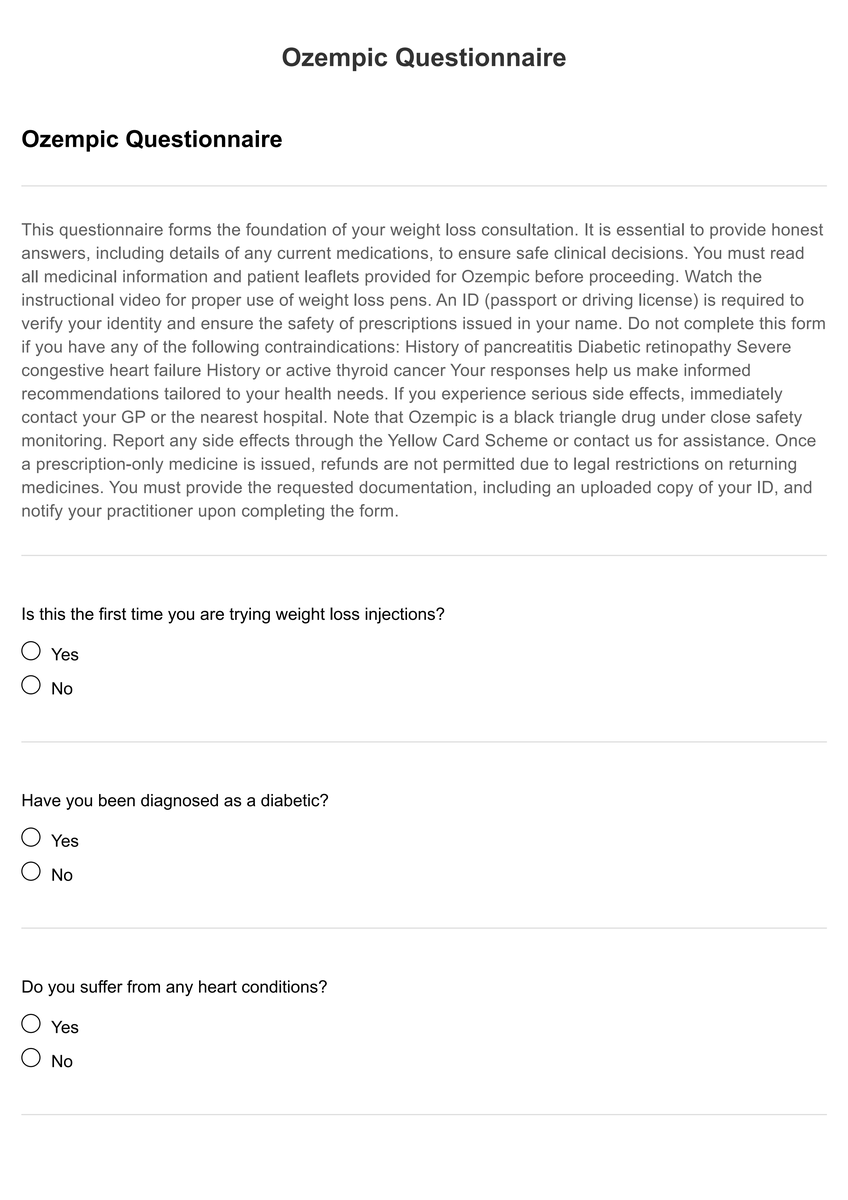
First, access the informed consent for tirzepatide treatment PDF document by downloading it from Pabau below. This comprehensive form contains all necessary sections for patient education and consent documentation. Ensure you have the most current version that reflects updated prescribing information and regulatory requirements for Mounjaro® therapy.
Before presenting the consent form, conduct a thorough medical assessment to determine patient suitability for tirzepatide therapy. Review medical history, current medications, contraindications such as personal or family history of medullary thyroid carcinoma, and assess patient readiness for lifestyle modifications required alongside treatment.
Schedule dedicated consultation time to discuss tirzepatide therapy in detail. Explain the medication's dual-action mechanism, expected timeline for results, common side effects like nausea and gastrointestinal symptoms, and the importance of gradual dose escalation to minimise adverse reactions.
Go through each section of the informed consent form with the patient, ensuring they understand treatment expectations, potential risks, monitoring requirements, and their responsibilities during therapy. Address any questions or concerns before proceeding to signature.
Ensure both patient and healthcare provider signatures are obtained with appropriate dates. Provide the patient with a signed copy for their records whilst retaining the original in their medical file for regulatory compliance and future reference.
Arrange appropriate follow-up appointments for treatment monitoring, dose adjustments, and ongoing assessment of treatment response. Document the initial consultation and consent process in the patient's medical record for continuity of care.
This informed consent form serves multiple healthcare professionals and patient populations involved in weight management and metabolic health treatment. Primary care physicians, endocrinologists, and obesity specialists utilise this documentation when prescribing tirzepatide for patients with obesity or type 2 diabetes seeking comprehensive weight management solutions.
The form is particularly valuable for healthcare providers working in weight management clinics, private practices, and wellness centres where tirzepatide therapy represents a significant treatment option. Patients considering this medication benefit from the structured education process, ensuring they make informed decisions about their treatment journey.
Healthcare administrators and practice managers find this consent form essential for maintaining regulatory compliance and protecting their organisations from potential liability issues. The documentation supports quality assurance programmes and provides evidence of appropriate patient education protocols.
By implementing this thorough consent process, healthcare providers demonstrate their commitment to patient safety and informed decision-making. The form creates a foundation for successful therapeutic relationships whilst ensuring all parties understand their roles and responsibilities throughout the tirzepatide treatment journey.
Effective tirzepatide therapy requires comprehensive monitoring protocols to ensure patient safety and treatment efficacy. Regular assessment of weight loss progress, metabolic parameters, and potential adverse reactions forms the cornerstone of responsible prescribing practices.
Healthcare providers must establish clear monitoring schedules that include baseline assessments, regular weight and vital sign measurements, and laboratory evaluations as clinically indicated. Patients require education about recognising concerning symptoms such as severe gastrointestinal distress, signs of pancreatitis, or thyroid-related changes that warrant immediate medical attention.
The monitoring framework should also address dose escalation protocols, ensuring patients understand the gradual titration process designed to minimise side effects whilst optimising therapeutic outcomes. Regular review of treatment goals and patient satisfaction helps maintain motivation and adherence throughout the treatment course.
Prescribing tirzepatide requires adherence to strict regulatory guidelines and professional standards that govern controlled substance management and patient safety protocols. Healthcare providers must maintain detailed documentation of patient assessments, treatment rationale, and ongoing monitoring activities.
The informed consent process serves as a critical component of regulatory compliance, demonstrating that patients have received appropriate education about treatment risks and benefits. This documentation proves invaluable during regulatory inspections, insurance reviews, or legal inquiries related to patient care.
Professional bodies and regulatory agencies emphasise the importance of comprehensive patient education and consent documentation in weight management therapies. Proper implementation of these protocols protects both patients and healthcare providers whilst supporting the highest standards of clinical care in metabolic health treatment.