Patient Information Form
 By Ivana Karafiloska on January 12, 2026
 Fact checked by: Teodor Jurukovski

Discover free eBooks, guides and med spa templates on our new resources page


Read case studies from our satisfied clients

Compare Pabau with alternative systems
 Integrations

 Measure Pabau savings
 Our security commitment
 About us

Learn why this holistic care and aesthetic medicine clinic chose Pabau to power patient care and performance.
Read more By Ivana Karafiloska on January 12, 2026
Fact checked by: Teodor Jurukovski
By Ivana Karafiloska on January 12, 2026
Fact checked by: Teodor Jurukovski
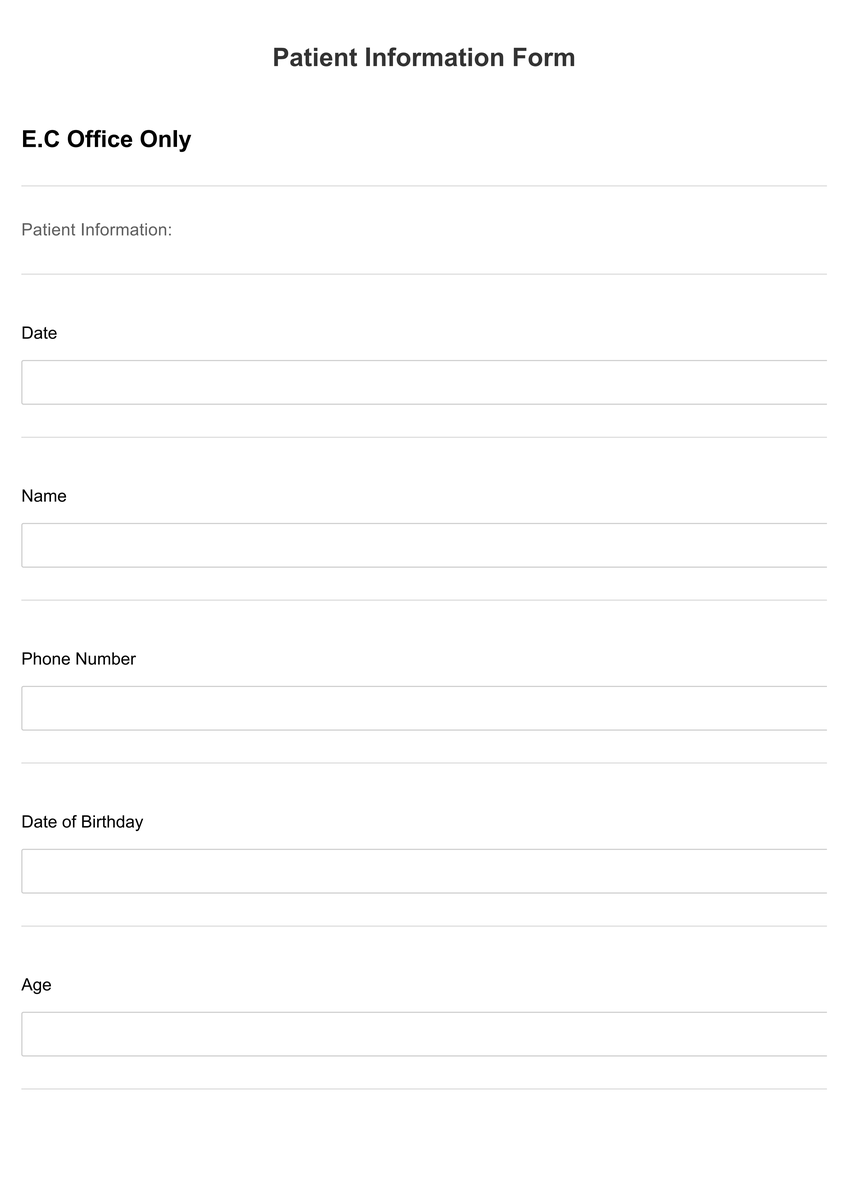
Essential Documentation Patient information forms capture critical personal, medical, and contact details required for safe and effective healthcare delivery.
Risk Assessment Medical history sections help identify potential contraindications, allergies, and risk factors before treatment begins.
Legal Compliance Proper completion ensures regulatory compliance and provides necessary documentation for insurance and clinical governance requirements.
Communication Foundation Accurate contact information and preferences enable effective patient communication and appointment management throughout their care journey.
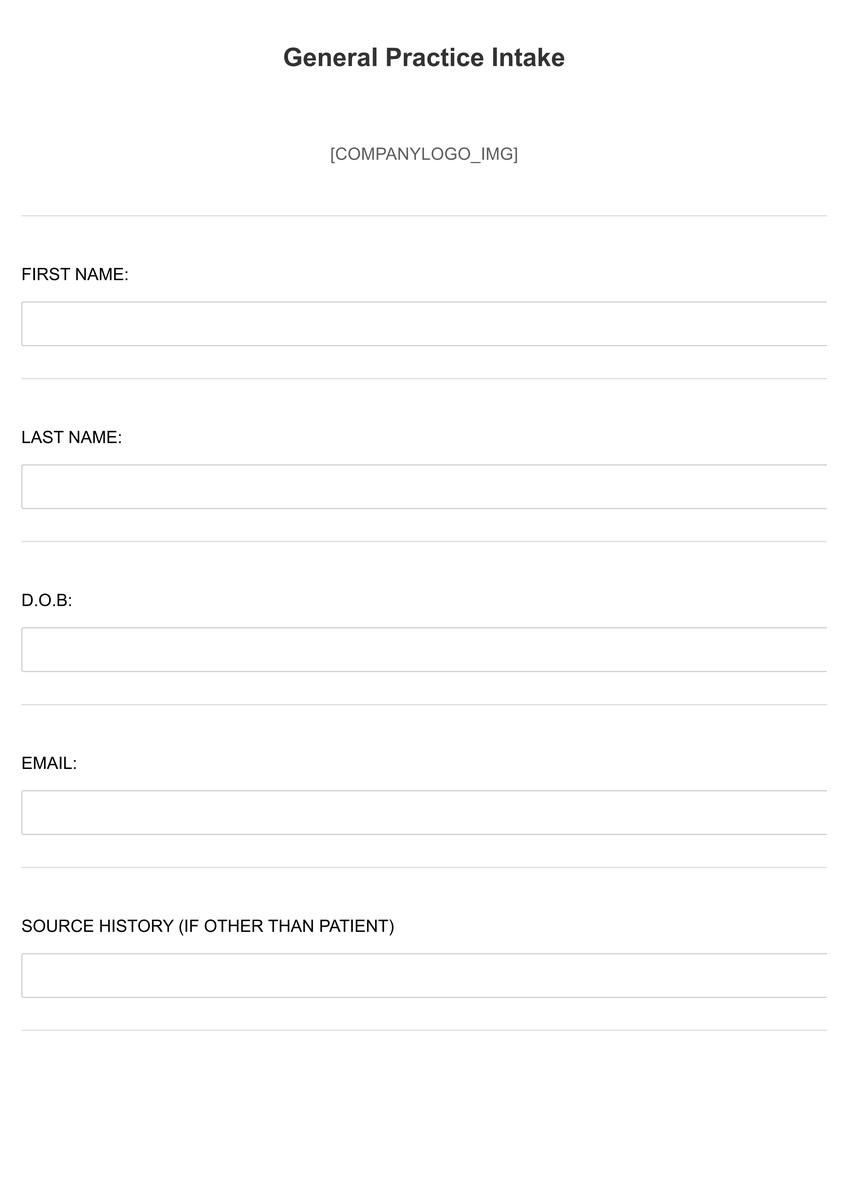
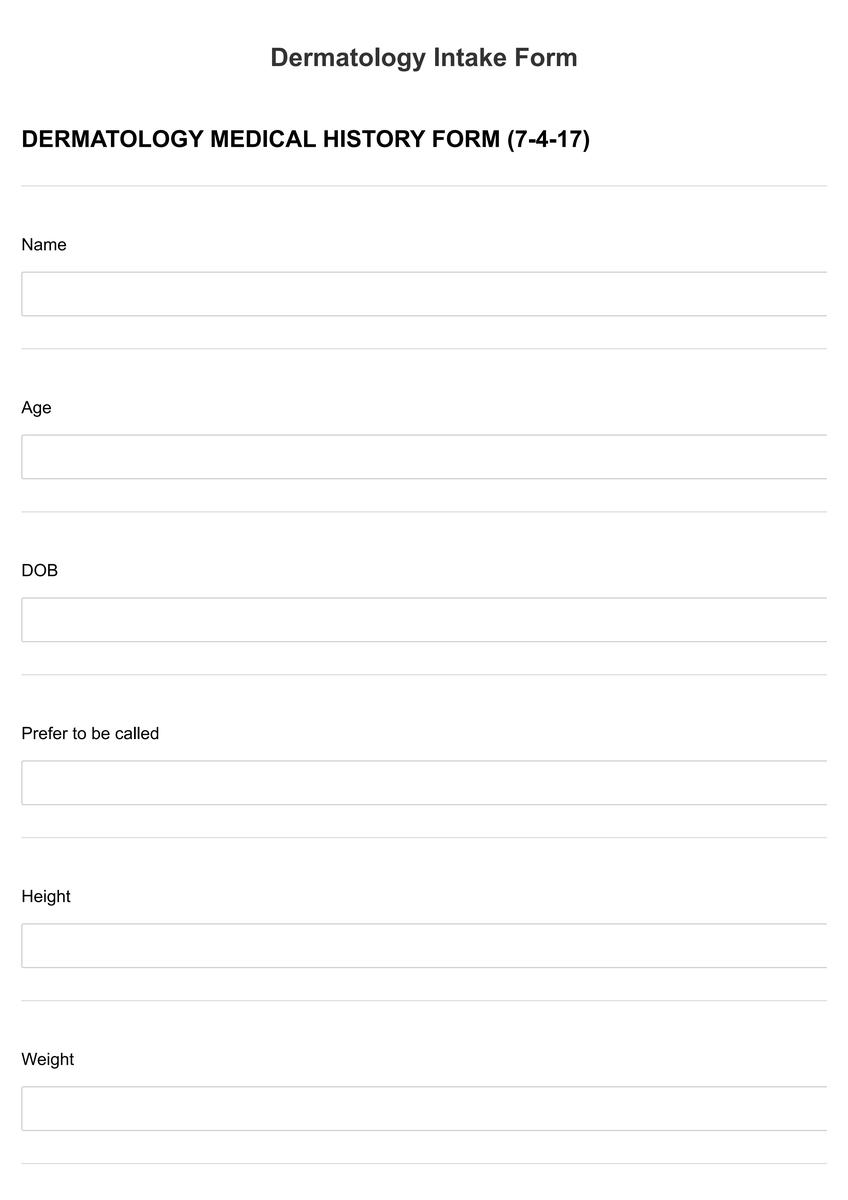
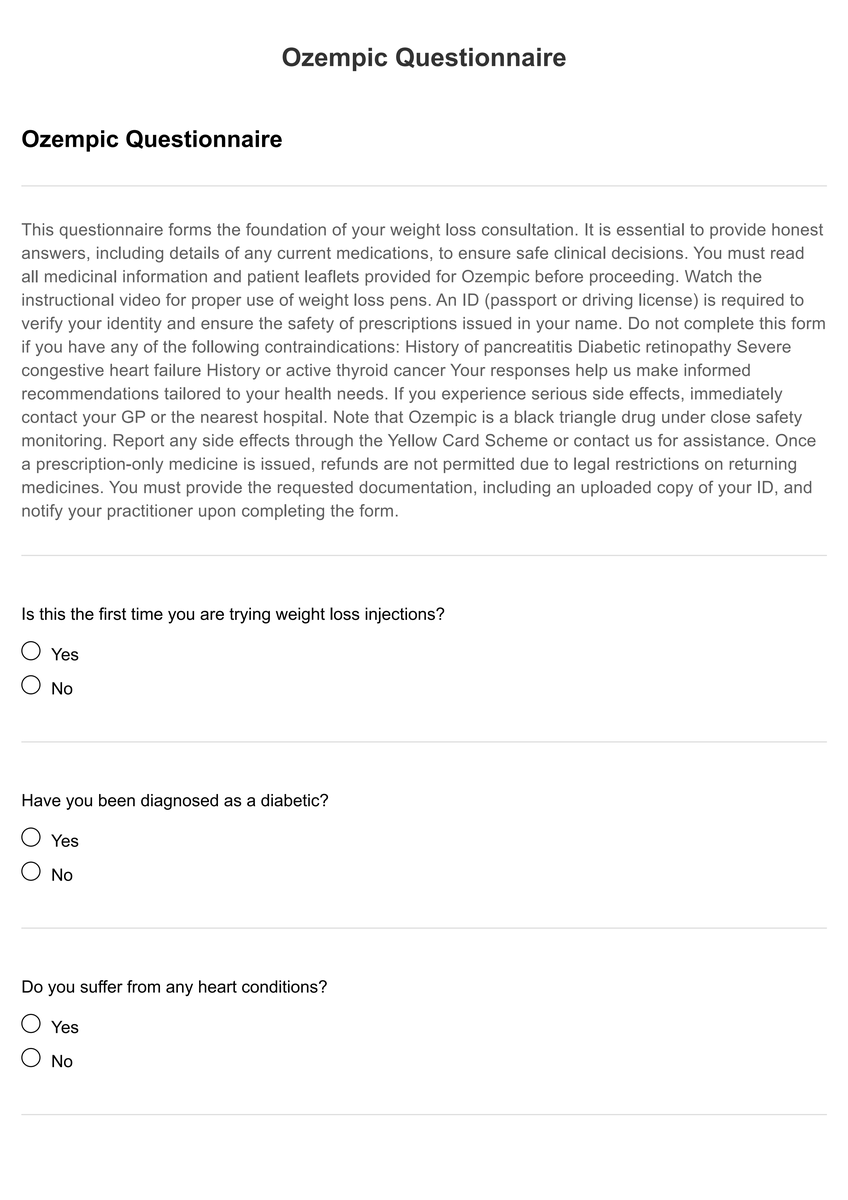
A patient information form serves as the foundational document for establishing a comprehensive patient record within healthcare settings. This essential paperwork collects vital demographic information, medical history, current medications, emergency contacts, and insurance details, creating a complete profile that supports clinical decision-making and administrative processes.
The form acts as both a legal document and a communication tool between patients and healthcare providers. It captures not only basic identifying information but also detailed medical histories, including previous surgeries, chronic conditions, allergies, and family medical backgrounds. Furthermore, the form documents patient preferences regarding communication methods, appointment scheduling, and privacy settings.
In modern healthcare practice, patient information forms have evolved to include sections addressing specific clinical needs, such as pain assessment scales, lifestyle factors, and treatment goals. This comprehensive approach enables healthcare providers to deliver personalised care whilst maintaining accurate records for regulatory compliance and continuity of care purposes.
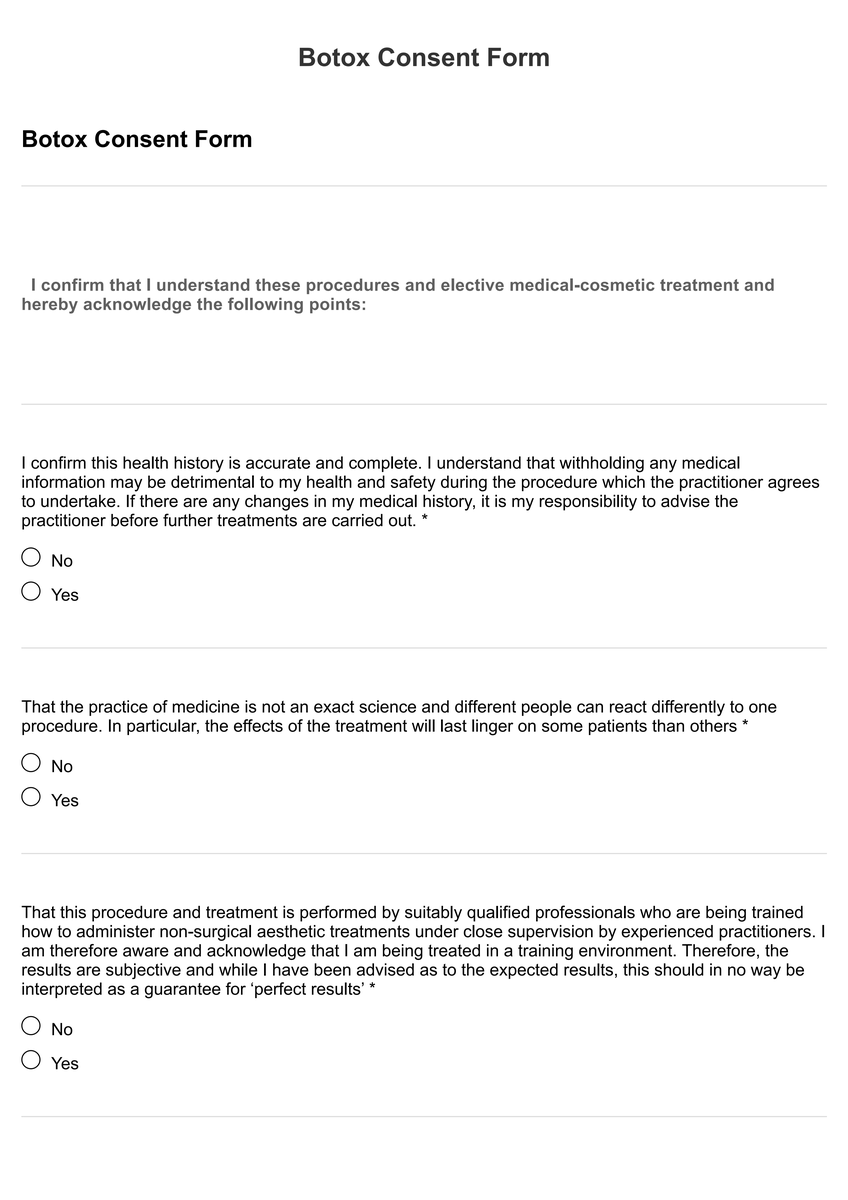
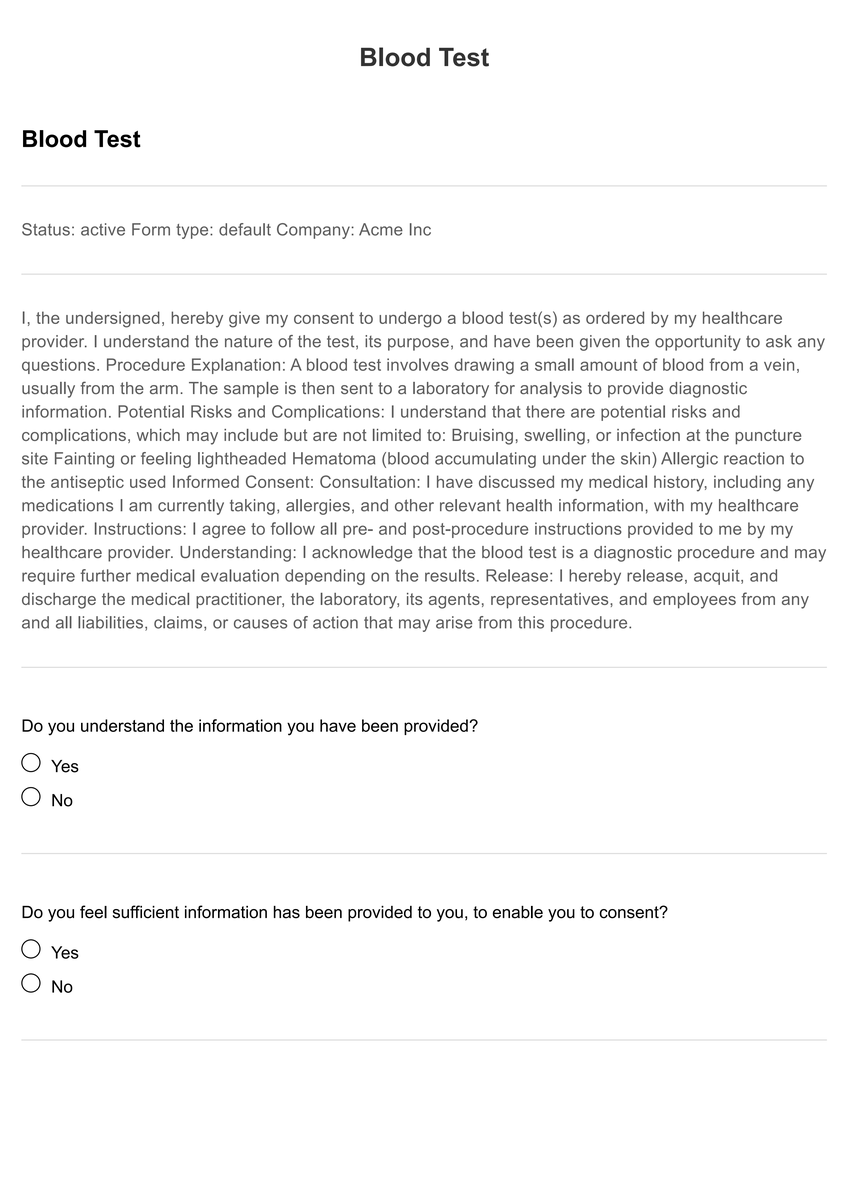
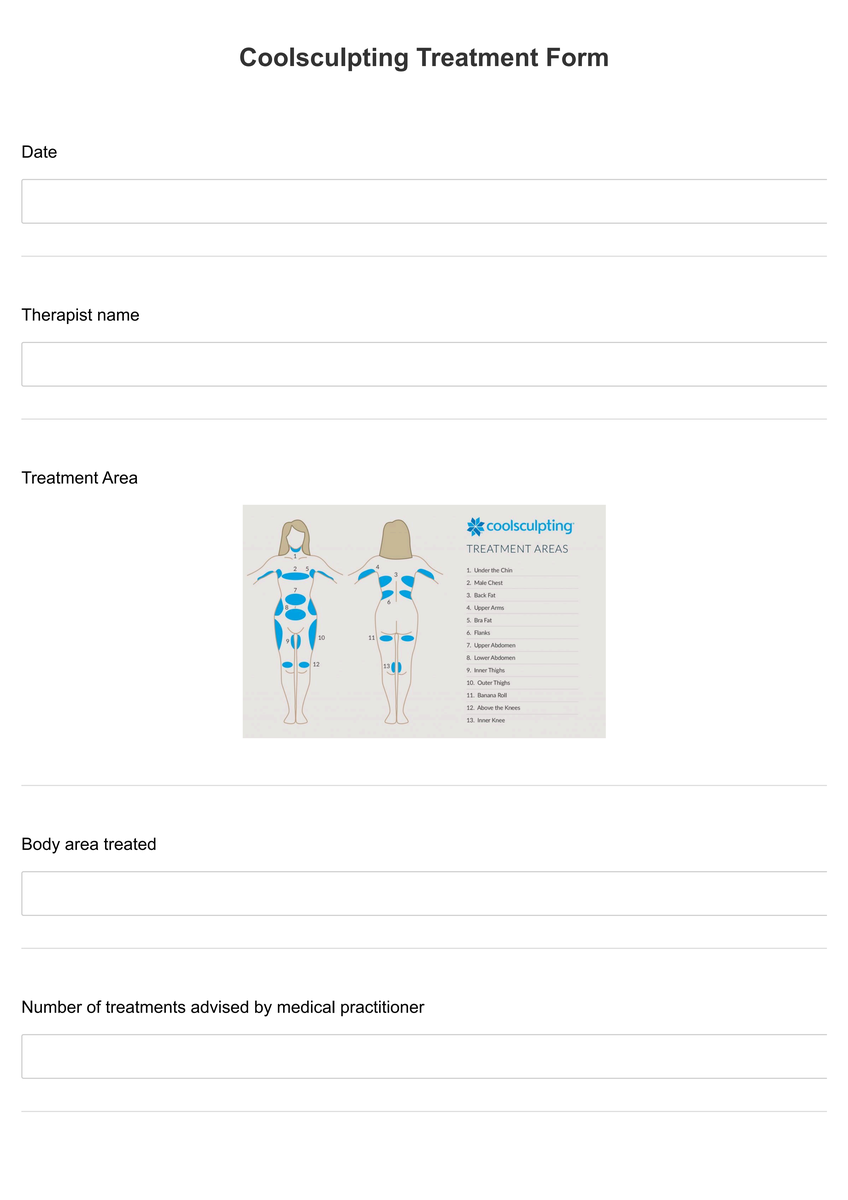
First, access the patient information form PDF document by downloading it from Pabau below. The form is available as a standardised template that can be customised to meet your specific clinical requirements. Ensure you have the most recent version to maintain compliance with current healthcare regulations and data protection standards.
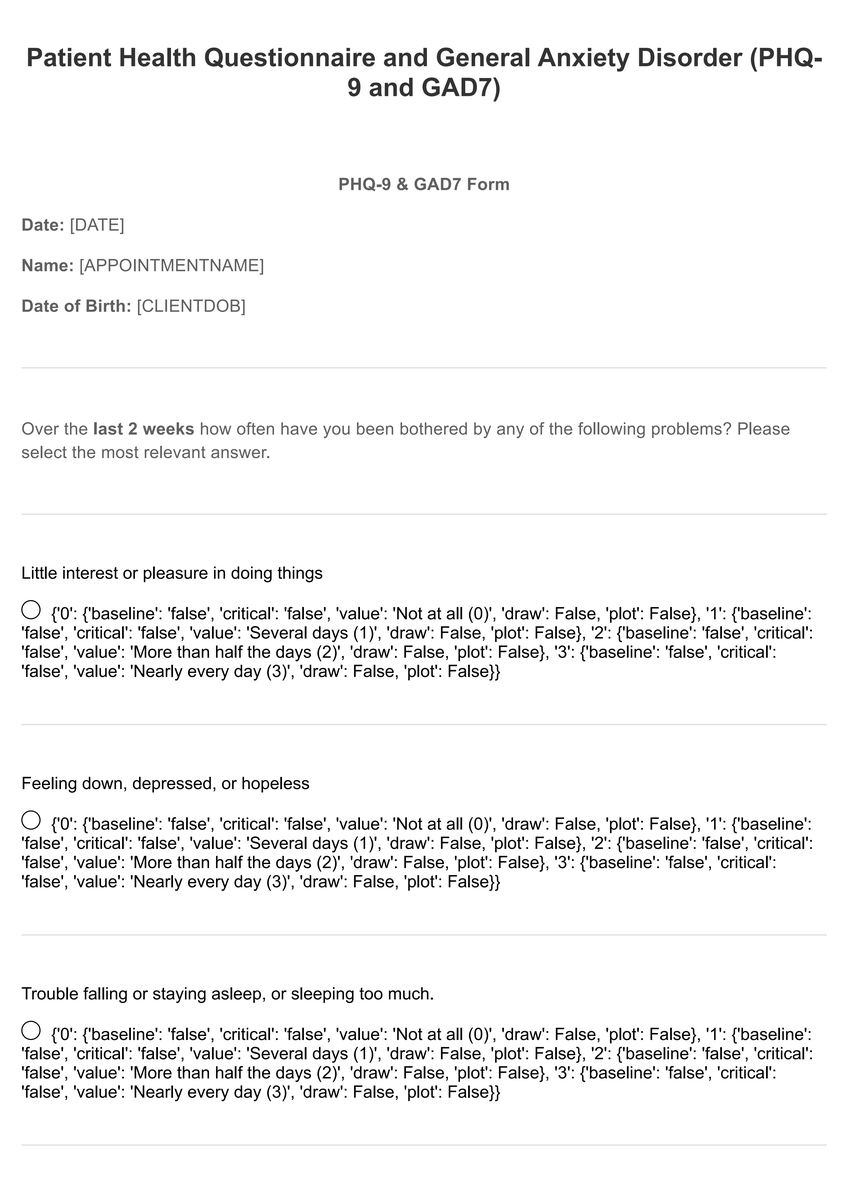
Review the form template and modify sections to align with your practice's specific needs. Add or remove fields based on your specialty requirements, such as aesthetic treatment preferences, chronic pain assessments, or mental health screening questions. Ensure all mandatory fields are clearly marked and that the form maintains a logical flow for patient completion.
Decide whether to distribute the form electronically through your patient portal or provide physical copies in your waiting area. For digital distribution, ensure the form is mobile-friendly and accessible across different devices. For physical forms, maintain adequate supplies and provide comfortable completion areas with appropriate writing materials.
Educate your administrative and clinical staff on proper form handling procedures, including verification of completed information, identification of incomplete sections, and secure storage protocols. Establish clear workflows for following up on missing information and transferring data to your electronic health record system.
Implement a systematic approach for reviewing and updating patient information during subsequent visits. Establish protocols for patients to report changes in their medical status, contact information, or insurance coverage. Regular updates ensure ongoing accuracy of patient records and support quality care delivery.
Patient information forms benefit a wide range of healthcare providers across various medical specialties and practice settings. Primary care physicians rely on these forms to establish baseline health assessments and identify risk factors that may influence treatment decisions. Specialist practices use tailored versions to gather specific information relevant to their area of expertise, such as dermatological concerns or aesthetic treatment goals.
Administrative staff find these forms invaluable for streamlining patient registration processes and ensuring complete documentation before clinical encounters. Practice managers benefit from standardised information collection that supports billing accuracy, insurance verification, and regulatory compliance requirements.
Patients themselves benefit significantly from comprehensive information forms, as they provide an opportunity to thoroughly communicate their health concerns, preferences, and expectations. This structured approach often helps patients remember important medical details they might otherwise forget during verbal discussions with healthcare providers.
Implementing standardised patient information forms creates a foundation for excellent patient care by ensuring no critical information is overlooked. The systematic approach to data collection enhances clinical decision-making whilst building trust through thorough, professional patient interactions that demonstrate your commitment to comprehensive healthcare delivery.
Patient information forms contain highly sensitive personal and medical data that requires careful handling in accordance with data protection regulations such as GDPR. Healthcare providers must implement robust security measures for both physical and digital forms, including secure storage systems, access controls, and clear data retention policies.
When designing your patient information form, include clear privacy statements explaining how patient data will be used, stored, and shared. Obtain explicit consent for data processing activities and provide patients with information about their rights regarding their personal information, including access, correction, and deletion requests.
Regular staff training on data protection principles ensures that all team members understand their responsibilities when handling patient information forms. Establish clear procedures for data breaches and maintain documentation of your data processing activities to demonstrate compliance with regulatory requirements.
Modern healthcare practices benefit significantly from integrating patient information forms with electronic health record (EHR) systems. This integration eliminates duplicate data entry, reduces administrative burden, and minimises the risk of transcription errors that can compromise patient safety.
Consider implementing digital patient information forms that automatically populate your EHR system, creating seamless workflows that enhance efficiency without compromising data accuracy. Many EHR systems offer customisable form builders that allow you to create specialty-specific templates whilst maintaining integration with existing patient records.
The integration process should include validation rules that flag incomplete or inconsistent information, ensuring that critical patient data is captured accurately from the initial registration. This systematic approach supports better clinical outcomes by providing healthcare providers with complete, accessible patient information at the point of care.