Acne Face Map
 By Teodor Jurkovski on January 21, 2026
 Fact checked by: Teodor Jurukovski

Discover free eBooks, guides and med spa templates on our new resources page


Read case studies from our satisfied clients

Compare Pabau with alternative systems
 Integrations

 Measure Pabau savings
 Our security commitment
 About us
Learn why this holistic care and aesthetic medicine clinic chose Pabau to power patient care and performance.
Read more By Teodor Jurkovski on January 21, 2026
Fact checked by: Teodor Jurukovski
By Teodor Jurkovski on January 21, 2026
Fact checked by: Teodor Jurukovski
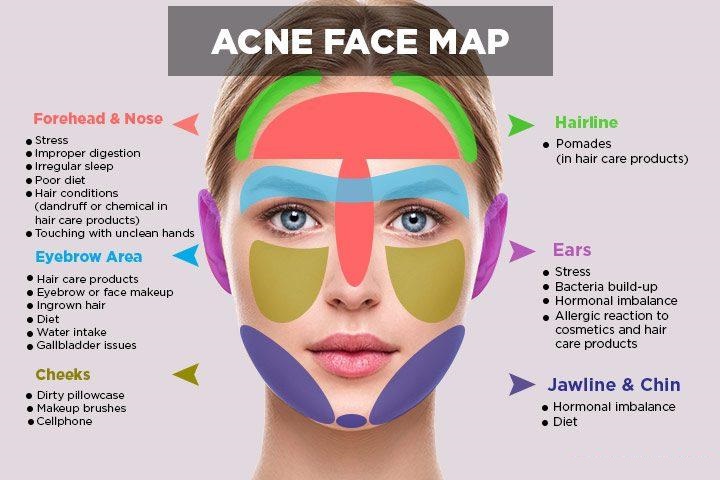
Zone Mapping: Acne face mapping correlates breakout locations with potential internal and external causes for targeted treatment approaches.
Diagnostic Tool: Healthcare providers can identify patterns linking lifestyle factors, hormones, and skincare habits to specific facial acne zones.
Personalised Treatment: Face mapping enables clinicians to develop individualised treatment protocols based on breakout patterns and underlying causes.
Patient Education: Visual documentation helps patients understand their skin condition and follow targeted skincare recommendations effectively.
An acne face map is a comprehensive diagnostic diagram that divides the face into distinct zones, each associated with specific potential causes of acne breakouts. This evidence-based tool draws from traditional Chinese medicine principles and modern dermatological research to create a systematic approach to acne diagnosis and treatment planning.
The face map concept recognises that acne rarely occurs randomly across the facial surface. Instead, breakouts often follow predictable patterns that correspond to underlying factors such as hormonal fluctuations, dietary influences, stress levels, skincare routines, and environmental exposures. By documenting these patterns, healthcare providers can move beyond surface-level treatment approaches to address root causes.
Modern acne face mapping incorporates scientific understanding of sebaceous gland distribution, hormonal receptor locations, and mechanical factors that contribute to pore blockage. For example, the T-zone area contains higher concentrations of oil-producing sebaceous glands, whilst the jawline and chin area are particularly sensitive to hormonal fluctuations, especially androgens.
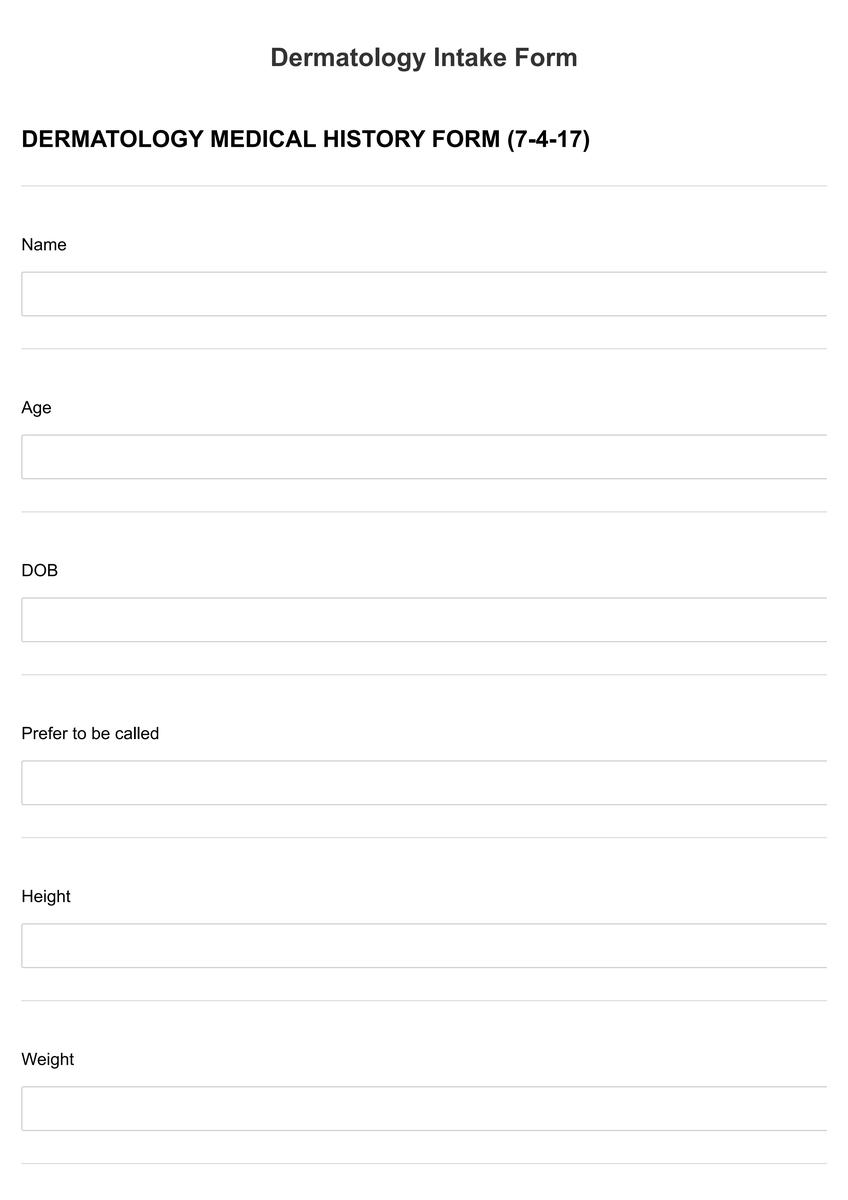
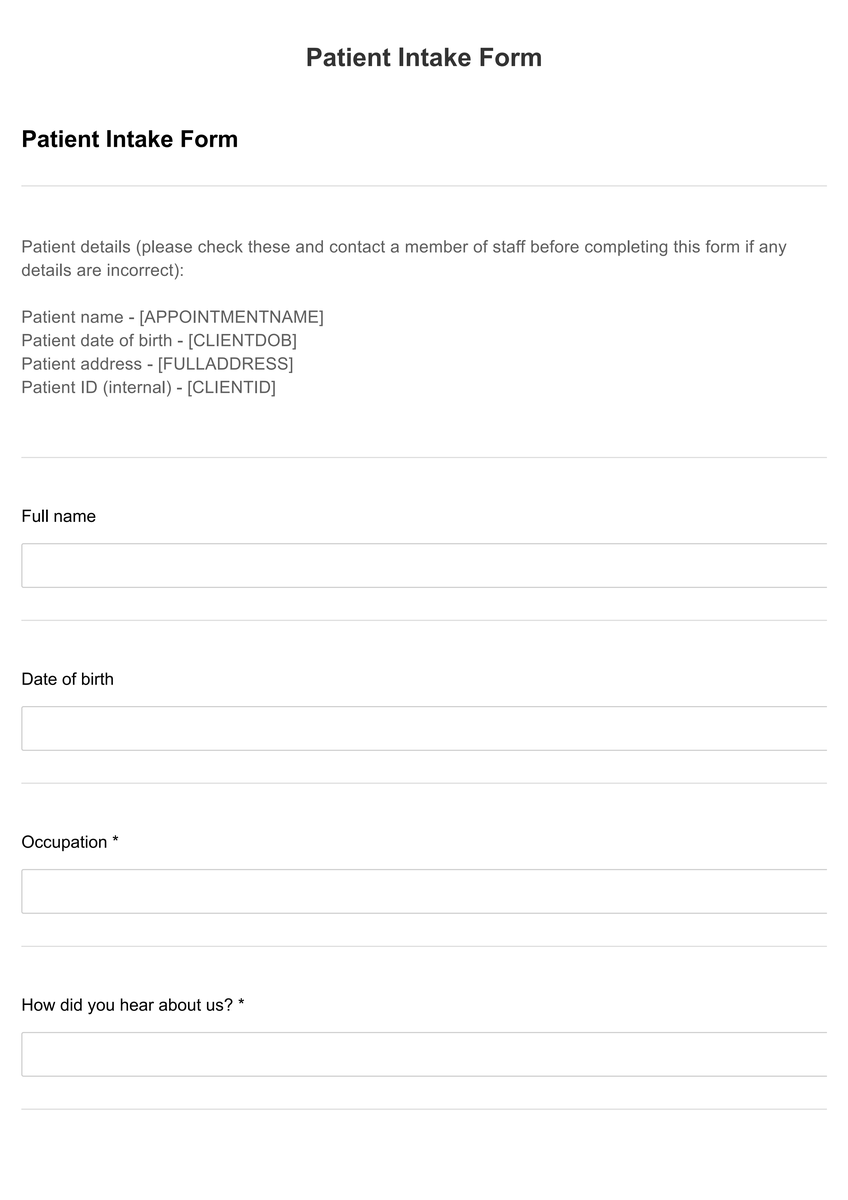
First, access the acne face map PDF document by downloading it from Pabau below. The downloadable template provides a standardised facial diagram with clearly marked zones and corresponding assessment criteria. This ensures consistent documentation across patient consultations and enables accurate tracking of treatment progress over time.
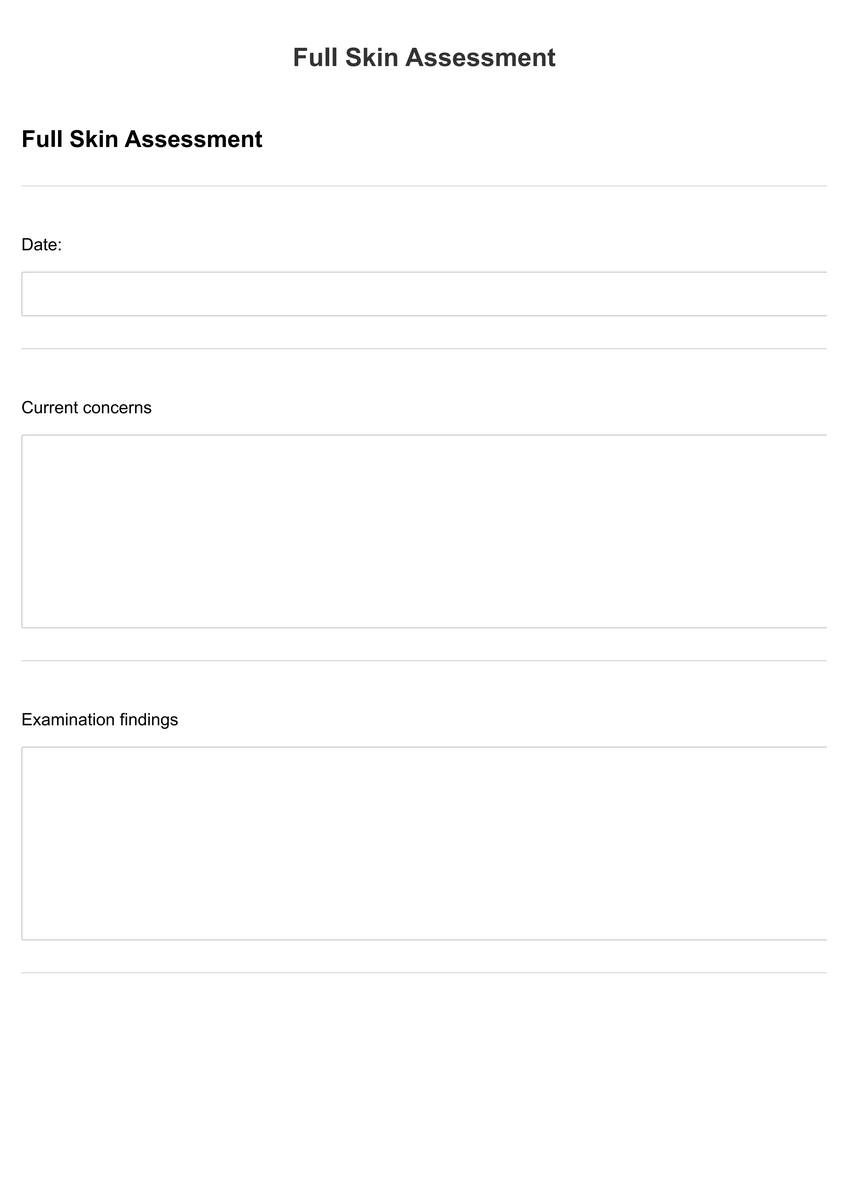
Begin by conducting a thorough visual examination of the patient's facial skin. Document the location, severity, and type of acne lesions present across different facial zones. Record any patterns of inflammation, comedones, papules, pustules, or cystic lesions, noting their concentration in specific areas of the face.
Systematically evaluate each facial zone according to the map's guidelines. The forehead area relates to digestive health and stress factors, whilst the cheek regions may indicate respiratory issues or skincare product reactions. The jawline and chin area often reflects hormonal influences, particularly in women experiencing cyclical breakouts.
Interview the patient about relevant lifestyle factors that may correlate with their breakout patterns. This includes dietary habits, sleep patterns, stress levels, skincare routines, hair products, mobile phone usage, and hormonal cycles. Document these findings alongside the physical mapping results.
Use the completed face map to develop a targeted treatment protocol that addresses both the symptoms and underlying causes identified through the mapping process. Document specific interventions for each affected zone, including topical treatments, lifestyle modifications, and follow-up recommendations.
The acne face map serves as an invaluable resource for dermatologists, aesthetic practitioners, and skincare specialists working with patients experiencing persistent or recurring acne breakouts. This diagnostic tool is particularly beneficial for healthcare providers who adopt a holistic approach to acne treatment, seeking to understand and address underlying causes rather than simply managing symptoms.
Patients with complex or treatment-resistant acne benefit significantly from face mapping assessments. This includes individuals experiencing adult-onset acne, hormonal acne patterns, or those who have not responded well to conventional treatments. The visual nature of face mapping helps patients understand their condition better and increases compliance with recommended treatment protocols.
Furthermore, the tool proves especially useful for practitioners managing patients with cyclical acne patterns, such as women experiencing premenstrual breakouts or individuals whose acne correlates with specific lifestyle factors. By identifying these patterns, healthcare providers can implement preventive strategies and time treatments for maximum effectiveness.
• Enhanced diagnostic accuracy through systematic pattern recognition and zone-specific analysis
• Improved treatment outcomes by addressing underlying causes rather than surface symptoms
• Better patient communication through clear visual documentation and educational tools
• Streamlined treatment planning with targeted interventions for specific facial zones
• Comprehensive progress tracking enabling treatment adjustments based on documented changes
The acne face map transforms acne treatment from a generalised approach to a precision-based methodology. By correlating breakout patterns with lifestyle factors and physiological influences, healthcare providers can deliver more effective, personalised care that addresses the root causes of their patients' skin concerns, ultimately leading to better long-term outcomes.
The scientific foundation of acne face mapping rests on understanding the complex pathophysiology of acne vulgaris and how different facial zones respond to various internal and external triggers. Research demonstrates that sebaceous gland activity, hormonal receptor sensitivity, and bacterial colonisation patterns vary significantly across facial regions.
The T-zone, comprising the forehead, nose, and central chin, contains the highest concentration of sebaceous glands, making these areas particularly susceptible to comedonal acne. In contrast, the lower facial regions, including the jawline and lateral cheeks, demonstrate heightened sensitivity to androgenic hormones, explaining the prevalence of inflammatory acne in these zones during hormonal fluctuations.
Moreover, mechanical factors such as hair contact, mobile phone pressure, and sleeping positions create zone-specific acne patterns that face mapping can effectively identify. This understanding enables clinicians to provide targeted advice on lifestyle modifications alongside medical treatments, creating a comprehensive approach to acne management.
Contemporary dermatological practice increasingly recognises the value of integrating traditional diagnostic wisdom with evidence-based treatment protocols. The acne face map serves as a bridge between holistic assessment techniques and modern therapeutic interventions, enabling practitioners to combine the best of both approaches.
Digital photography and standardised documentation protocols enhance the effectiveness of face mapping by providing objective progress tracking capabilities. Many practitioners now photograph patients' skin conditions at each consultation, overlay these images with face map zones, and create detailed treatment timelines that demonstrate the relationship between targeted interventions and zone-specific improvements.
This integrated approach proves particularly valuable when managing complex cases involving multiple acne types, treatment resistance, or patients seeking alternative approaches to conventional acne therapy. By combining face mapping insights with pharmacological treatments, professional skincare procedures, and lifestyle interventions, practitioners can offer truly personalised acne management strategies that address each patient's unique presentation and underlying contributing factors.