INFORMED CONSENT
 By Ivana Karafiloska on January 12, 2026
 Fact checked by: Teodor Jurukovski


Read case studies from our satisfied clients

Compare Pabau with alternative systems
 Integrations

 Measure Pabau savings
 Our security commitment
 About us

Learn why this holistic care and aesthetic medicine clinic chose Pabau to power patient care and performance.
Read more By Ivana Karafiloska on January 12, 2026
Fact checked by: Teodor Jurukovski
By Ivana Karafiloska on January 12, 2026
Fact checked by: Teodor Jurukovski
Legal Protection: Informed consent forms provide essential legal protection for healthcare practitioners by documenting patient understanding and agreement.
Patient Education: These documents ensure patients receive comprehensive information about their treatment options, risks, and expected outcomes.
Regulatory Compliance: Proper informed consent procedures are mandatory for meeting professional medical standards and regulatory requirements.
Treatment Transparency: The process enhances the therapeutic relationship by promoting open communication and shared decision-making between patient and practitioner.
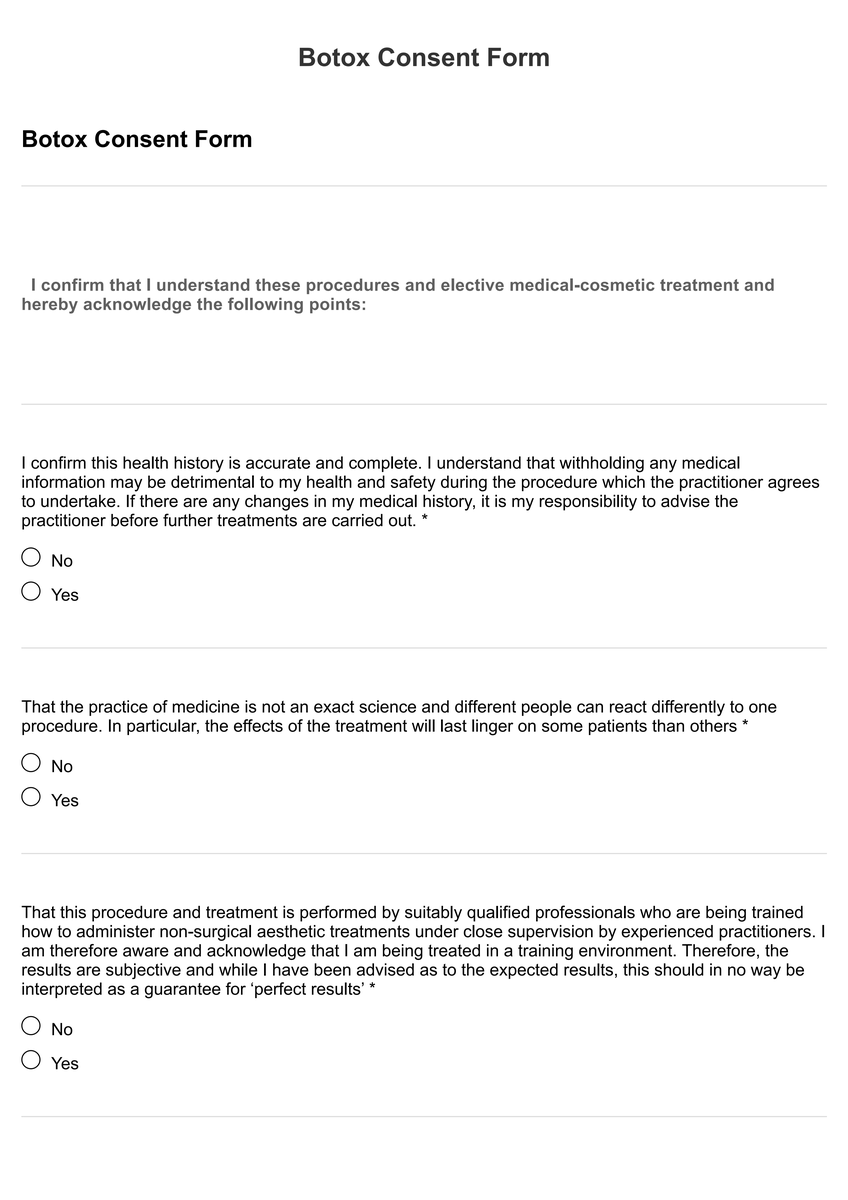
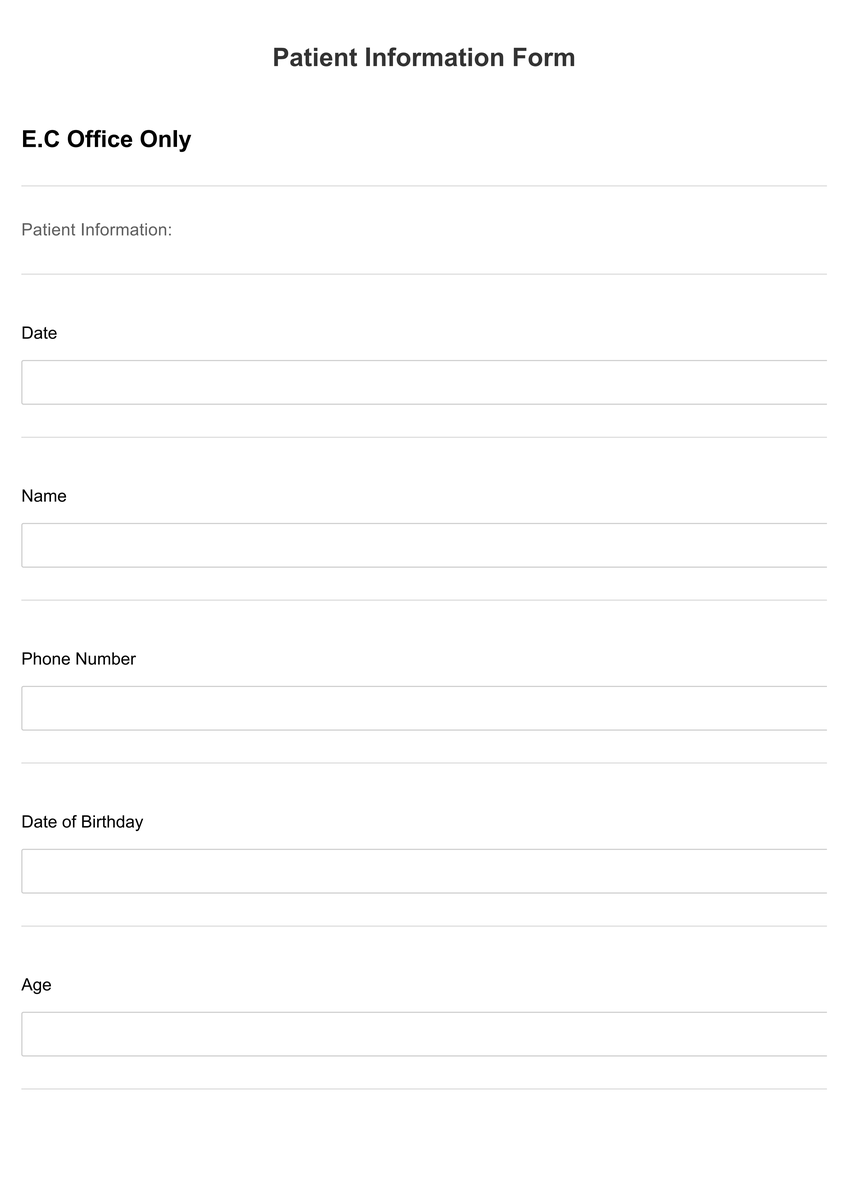
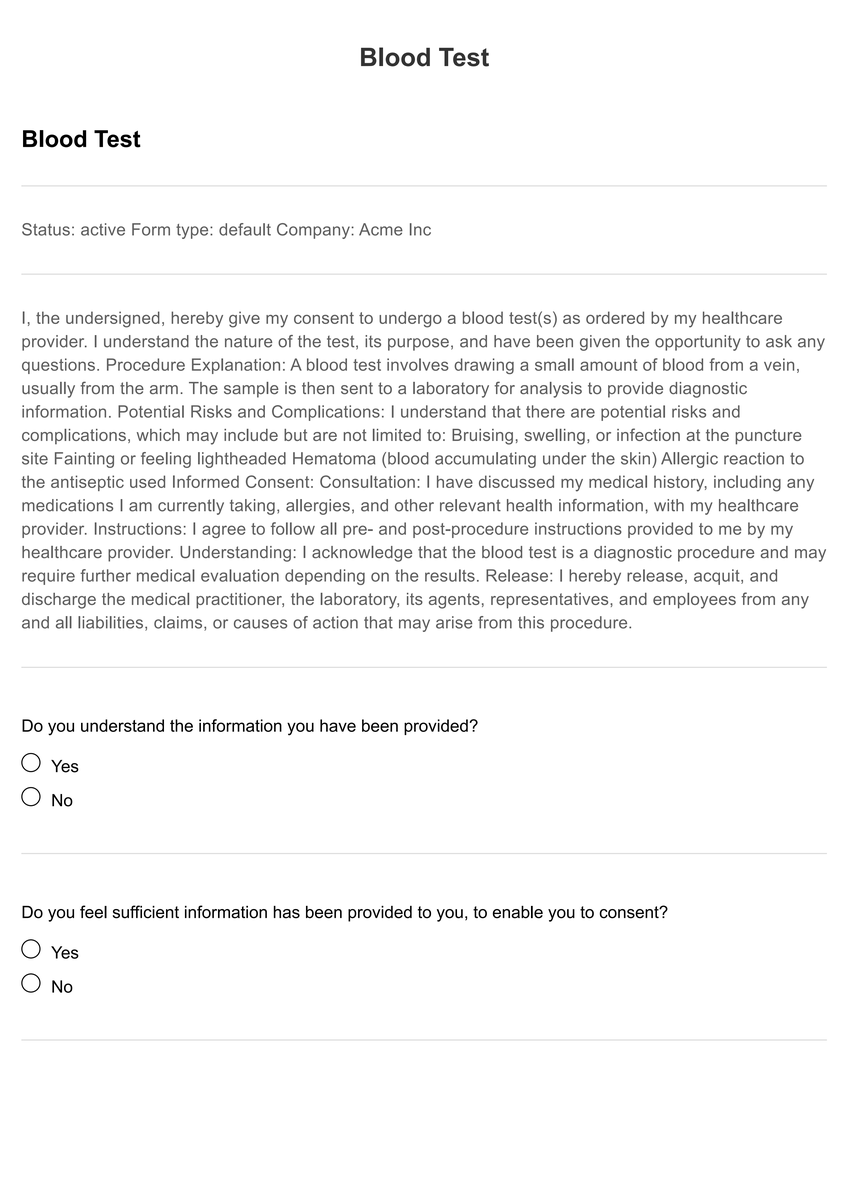
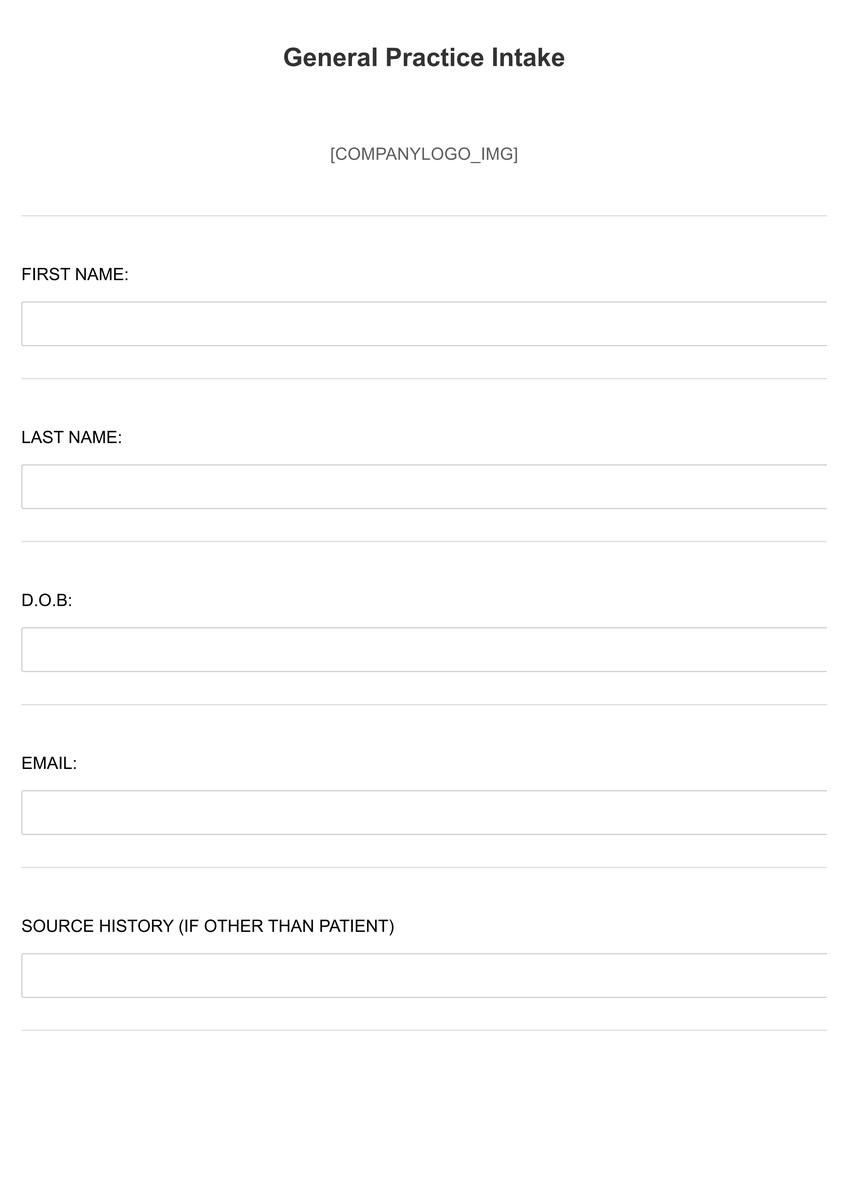
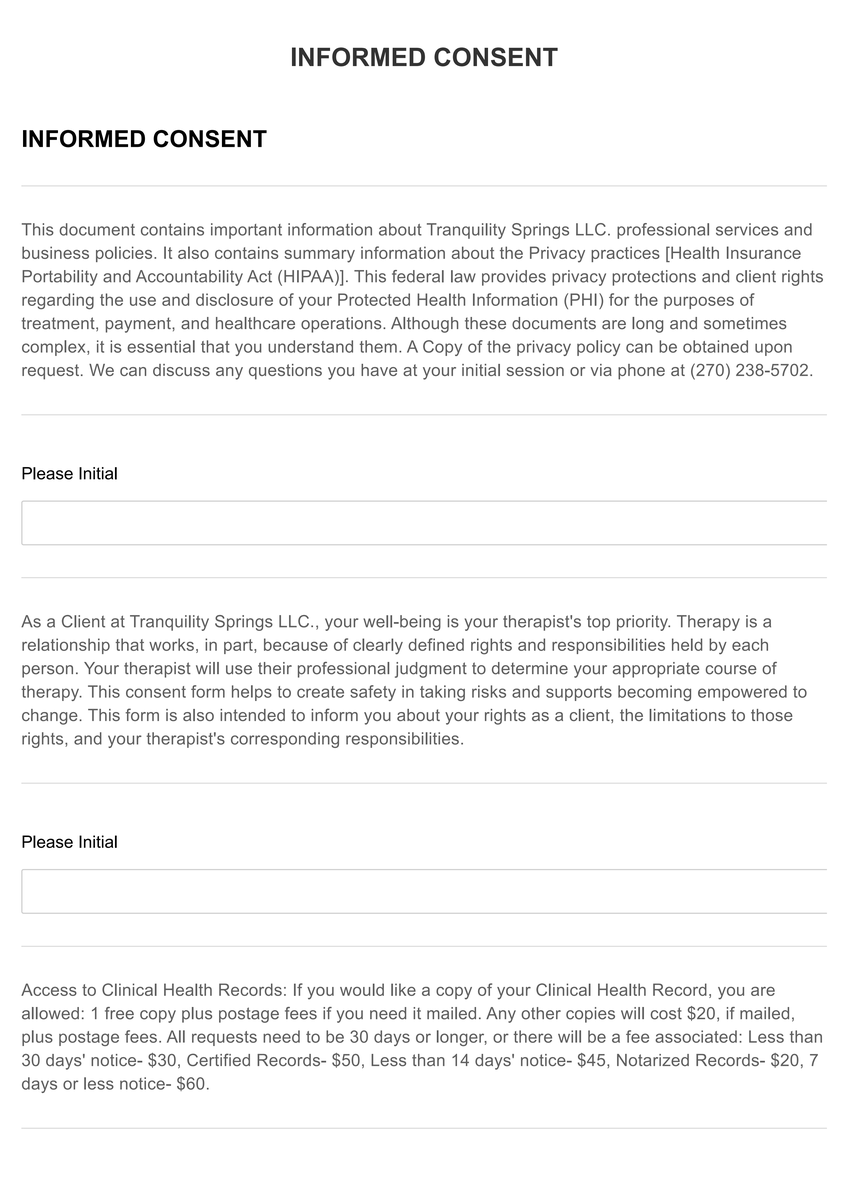
An informed consent template serves as a standardised framework for documenting patient understanding and agreement before medical procedures or treatments. This essential medical document ensures that patients receive comprehensive information about proposed interventions, including detailed explanations of risks, benefits, alternatives, and expected outcomes.
The template provides a structured approach to the consent process, ensuring consistency across different practitioners and procedures whilst meeting legal and ethical requirements. In clinical practice, informed consent represents far more than a signature on a form—it embodies the fundamental principle of patient autonomy and the right to make informed healthcare decisions.
Effective informed consent templates include sections covering treatment descriptions, potential complications, alternative options, post-treatment care instructions, and patient acknowledgement statements. Furthermore, these documents serve as valuable educational tools, helping patients understand complex medical information in accessible language.
First, access the informed consent PDF document by downloading it from Pabau below. The template will be provided in a user-friendly format that allows for easy customisation and completion. Once downloaded, ensure you save the document in a secure location within your practice management system, maintaining proper patient confidentiality protocols. The template is designed to be compatible with standard practice software systems and can be easily integrated into your existing workflow processes.
Adapt the template to reflect your specific practice requirements, treatment offerings, and regulatory obligations. Include your practice details, contact information, and relevant professional credentials. Ensure the language aligns with your speciality area and patient demographic whilst maintaining clarity and accessibility.
Schedule adequate time to thoroughly review the consent form with each patient during their consultation. Explain each section carefully, using plain language to clarify medical terminology. Encourage questions and provide detailed responses to ensure complete understanding before proceeding.
Verify that the patient comprehends all aspects of the proposed treatment by asking them to summarise key points. Address any remaining concerns or questions before obtaining their signature. Document this discussion in the patient's medical record for future reference.
Store completed consent forms securely within your practice management system, ensuring compliance with data protection regulations. Maintain easy access for future reference whilst protecting patient privacy. Provide patients with copies of their signed consent forms for their personal records.
Informed consent templates prove invaluable for healthcare practitioners across all medical specialities, from general practitioners to specialist consultants. Cosmetic surgeons, dermatologists, and aesthetic practitioners particularly benefit from comprehensive consent documentation due to the elective nature of their procedures and associated risk profiles.
Private healthcare providers find these templates essential for maintaining professional standards whilst protecting their practice from potential legal challenges. Additionally, new practitioners or those establishing new treatment protocols benefit significantly from having structured consent processes that ensure nothing is overlooked during patient consultations.
Patients themselves are key beneficiaries of well-designed informed consent processes, as these documents empower them to make truly informed decisions about their healthcare. The templates also assist practice managers and administrative staff by providing clear procedures for document handling and storage.
These templates ultimately transform the consent process from a mere administrative requirement into a valuable therapeutic tool. By facilitating meaningful dialogue between practitioners and patients, informed consent templates contribute to better treatment outcomes and enhanced patient satisfaction across all areas of medical practice.
A comprehensive informed consent template must include specific elements to ensure both legal compliance and patient understanding. The treatment description section should clearly outline the proposed procedure, expected duration, and immediate care requirements. Risk disclosure must be thorough yet understandable, covering both common and serious potential complications without causing unnecessary alarm.
Alternative treatment options deserve careful consideration within the template, including the option of no treatment and its potential consequences. Recovery information should be realistic and detailed, helping patients plan appropriately for post-treatment care. Finally, the template should include clear statements regarding the voluntary nature of consent and the patient's right to withdraw agreement at any time before treatment begins.
Regular review and updating of informed consent templates ensures ongoing compliance with evolving medical standards and regulatory requirements. Professional medical bodies often provide guidance on consent best practices, which should be incorporated into template updates. Staff training on proper consent procedures is equally important, ensuring consistent application across all patient interactions.
Quality assurance measures should include periodic audits of consent documentation and patient feedback mechanisms. This approach helps identify areas for improvement whilst maintaining the highest standards of patient care. Moreover, collaboration with legal advisors ensures templates remain current with relevant healthcare legislation and professional guidelines.