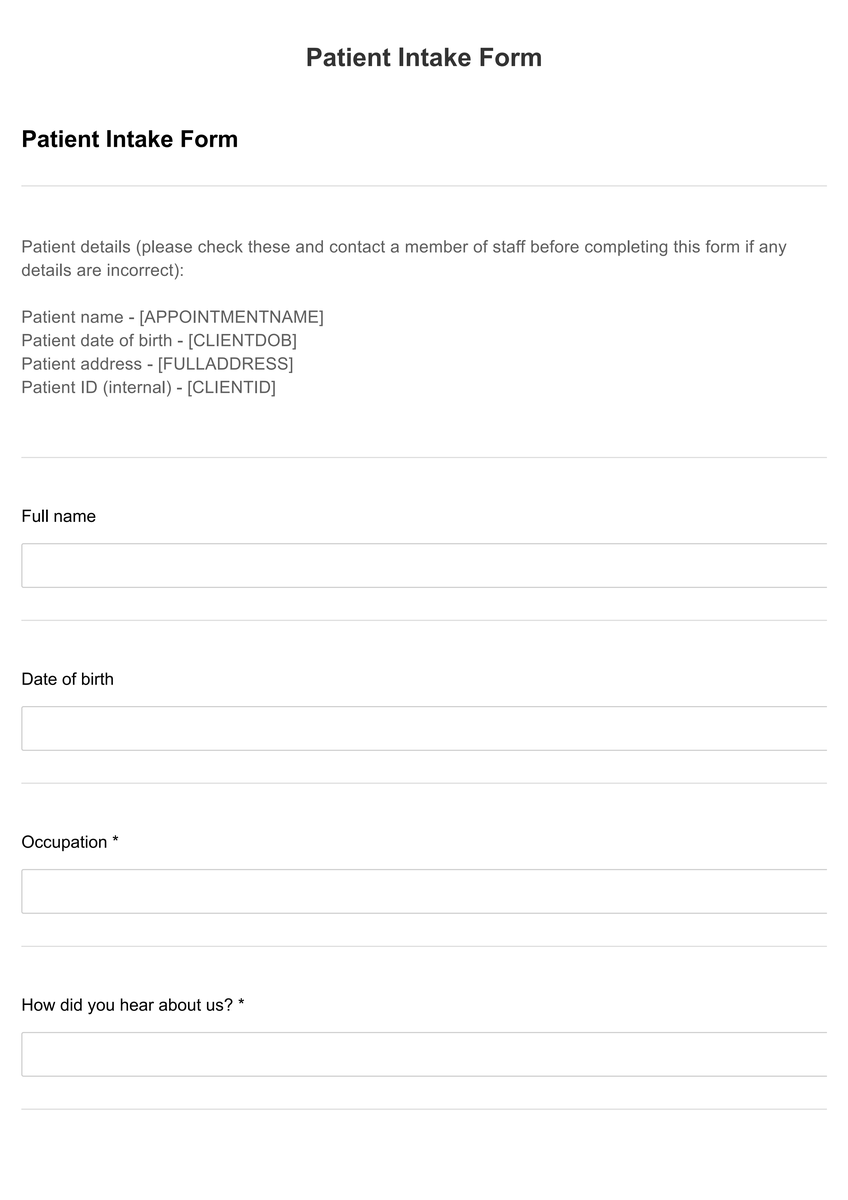
HydraFacial Treatment Record
 By Teodor Jurkovski on January 12, 2026
 Fact checked by: Teodor Jurukovski

Discover free eBooks, guides and med spa templates on our new resources page


Read case studies from our satisfied clients

Compare Pabau with alternative systems
 Integrations

 Measure Pabau savings
 Our security commitment
 About us
Learn why this holistic care and aesthetic medicine clinic chose Pabau to power patient care and performance.
Read more By Teodor Jurkovski on January 12, 2026
Fact checked by: Teodor Jurukovski
By Teodor Jurkovski on January 12, 2026
Fact checked by: Teodor Jurukovski
Comprehensive Documentation Ensures detailed recording of all treatment parameters, skin conditions, and client responses for optimal care continuity.
Regulatory Compliance Maintains professional standards and legal requirements for medical aesthetic procedures and patient safety protocols.
Treatment Tracking Provides systematic approach to monitor treatment progression and evaluate client satisfaction over multiple sessions.
Evidence-Based Practice Supports clinical decision-making through structured data collection and outcome measurement for improved treatment protocols.
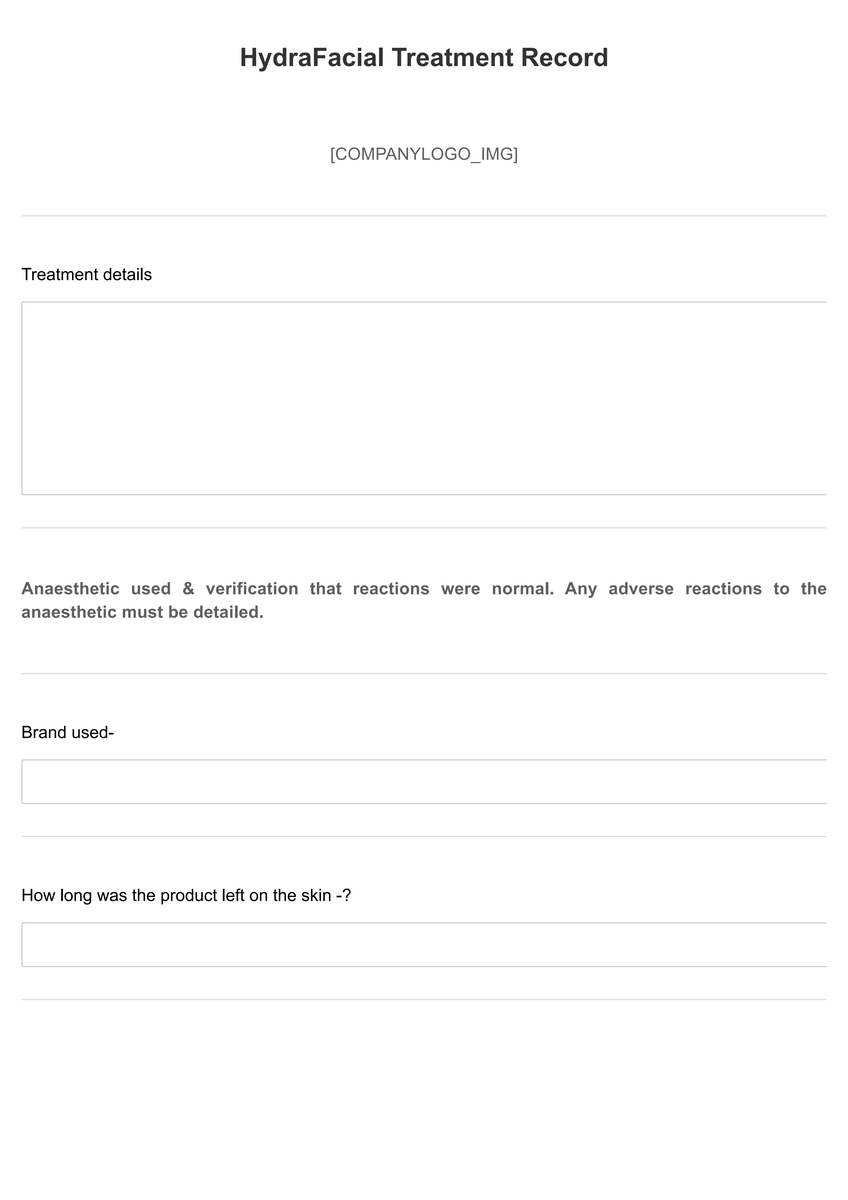
A HydraFacial Treatment Record serves as a comprehensive clinical documentation tool specifically designed for practitioners offering HydraFacial treatments. This specialised form captures essential information about each treatment session, including pre-treatment skin assessments, treatment parameters, products used, and post-treatment observations. The record functions as both a legal document and a clinical reference, ensuring practitioners maintain detailed accounts of every client interaction.
Furthermore, this documentation system enables practitioners to track treatment progression across multiple sessions, identify optimal treatment protocols for individual clients, and maintain professional standards required by regulatory bodies. The structured format ensures consistency in record-keeping whilst facilitating effective communication between practitioners and supporting evidence-based treatment decisions.
First access the HydraFacial Treatment Record PDF document by downloading it from Pabau below. Once downloaded, you can either print physical copies for immediate use during treatments or save the digital version to your practice management system. Ensure you have adequate copies available for your daily treatment schedule, as each client session requires a separate record form for proper documentation and compliance purposes.
Begin each session by conducting a thorough skin assessment and documenting your findings in the designated sections. Record the client's skin type, current concerns, contraindications, and any relevant medical history that may impact treatment selection. This initial assessment provides the foundation for personalised treatment planning and ensures safe, effective treatment delivery.
During the HydraFacial procedure, carefully record all treatment specifications including device settings, serums used, treatment duration, and any modifications made to the standard protocol. Note the client's tolerance levels and any immediate reactions observed during the treatment process, ensuring comprehensive documentation of the entire session.
Following treatment completion, document immediate post-treatment skin appearance, client comfort levels, and any adverse reactions if present. Include aftercare instructions provided to the client and schedule recommendations for follow-up treatments based on individual skin response and treatment goals.
Securely file the completed treatment record according to your practice's data protection policies and regulatory requirements. Ensure records remain accessible for future reference whilst maintaining client confidentiality and compliance with healthcare data protection standards.
The HydraFacial Treatment Record proves invaluable for aesthetic practitioners, dermatologists, and medical spa professionals who regularly perform HydraFacial treatments. Clinic owners and practice managers benefit significantly from standardised documentation systems that ensure consistency across multiple practitioners and treatment rooms. However, the form also serves newer practitioners who require structured guidance for comprehensive client assessment and treatment planning.
In addition, the record supports experienced practitioners in maintaining detailed client histories, particularly when managing complex skin conditions or designing progressive treatment programmes. Insurance providers and regulatory bodies also benefit from such thorough documentation, as it demonstrates professional accountability and evidence-based practice standards.
This structured approach to HydraFacial documentation ultimately elevates the standard of care provided whilst ensuring practitioners maintain the professional accountability expected in modern aesthetic medicine. The comprehensive nature of these records supports both immediate treatment decisions and long-term skin health strategies.
The HydraFacial Treatment Record enables practitioners to develop personalised treatment protocols based on accumulated client data. By analysing patterns in skin responses, product tolerance, and treatment outcomes, practitioners can refine their approach to achieve optimal results for each individual client. This data-driven methodology supports the evolution of practice protocols and enhances overall treatment efficacy.
Additionally, the systematic collection of treatment data facilitates identification of trends in client preferences and treatment success rates. This information proves valuable for inventory management, staff training programmes, and practice development initiatives that align with client needs and market demands.
Implementing standardised HydraFacial Treatment Records establishes robust quality assurance measures within aesthetic practices. The consistent documentation format enables practice managers to monitor treatment standards, identify areas for improvement, and ensure all practitioners maintain the same high level of clinical documentation. Regular review of treatment records supports continuous professional development and maintains clinical excellence.
Moreover, comprehensive treatment records provide essential evidence for clinical audits, professional indemnity requirements, and regulatory inspections. The detailed documentation demonstrates commitment to patient safety, professional standards, and evidence-based practice principles that underpin successful aesthetic medicine practices.