Patient Intake Form
 By Tanja Lepcheska on January 9, 2026
 Fact checked by: Teodor Jurukovski

Discover free eBooks, guides and med spa templates on our new resources page


Read case studies from our satisfied clients

Compare Pabau with alternative systems
 Integrations

 Measure Pabau savings
 Our security commitment
 About us

Learn why this holistic care and aesthetic medicine clinic chose Pabau to power patient care and performance.
Read more By Tanja Lepcheska on January 9, 2026
Fact checked by: Teodor Jurukovski
By Tanja Lepcheska on January 9, 2026
Fact checked by: Teodor Jurukovski
Comprehensive Assessment Patient intake forms collect vital medical history, current medications, and health concerns to ensure safe treatment planning.
Legal Documentation These forms provide essential legal protection by documenting patient consent and medical history for liability purposes.
Time Efficiency Completing intake forms before appointments allows clinicians to focus consultation time on assessment and treatment rather than data collection.
Personalised Care Detailed patient information enables healthcare providers to tailor treatments to individual health needs and risk factors.
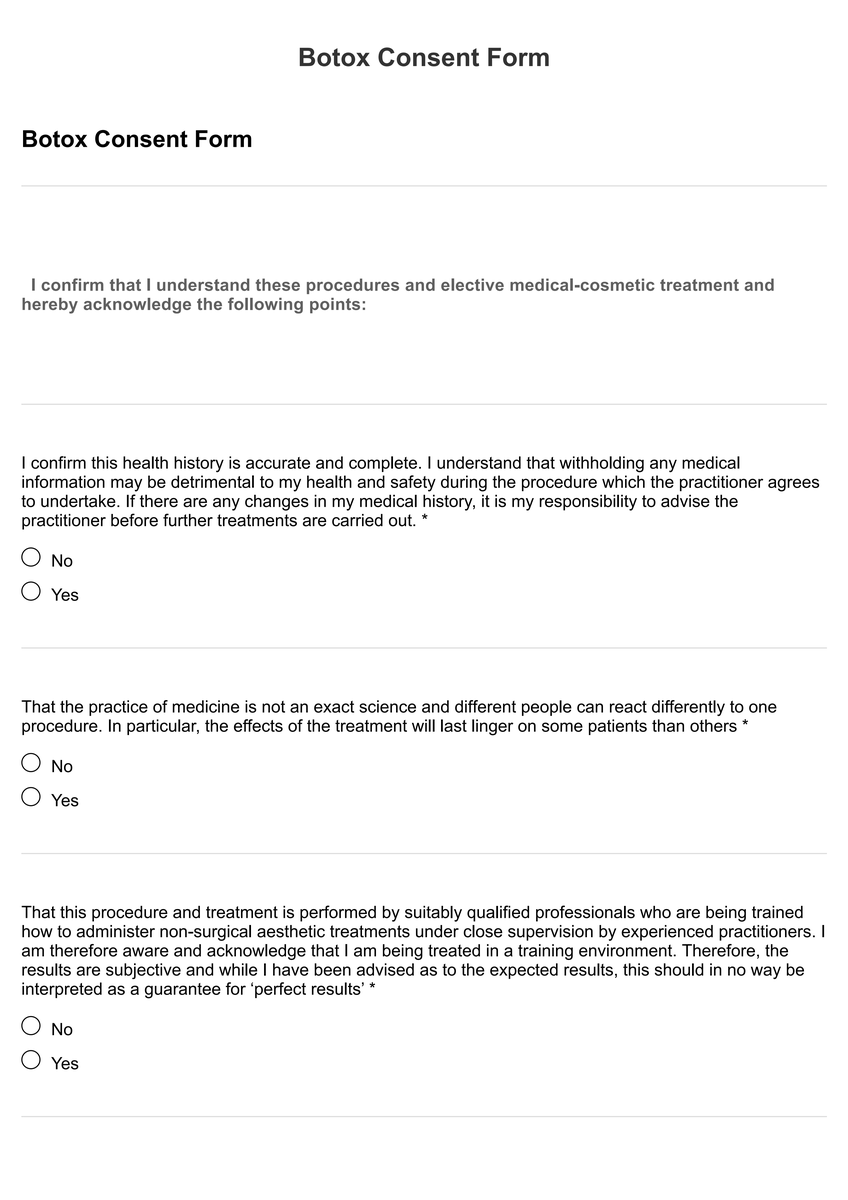
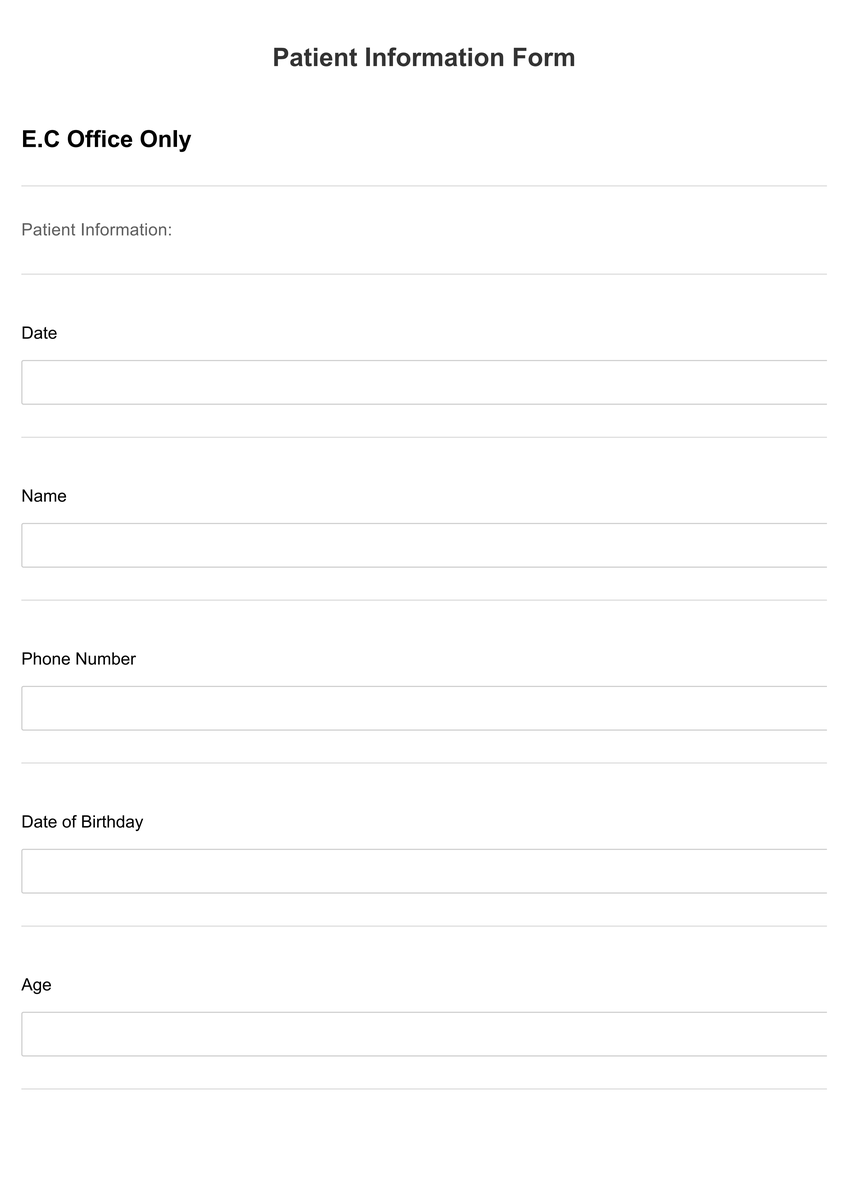
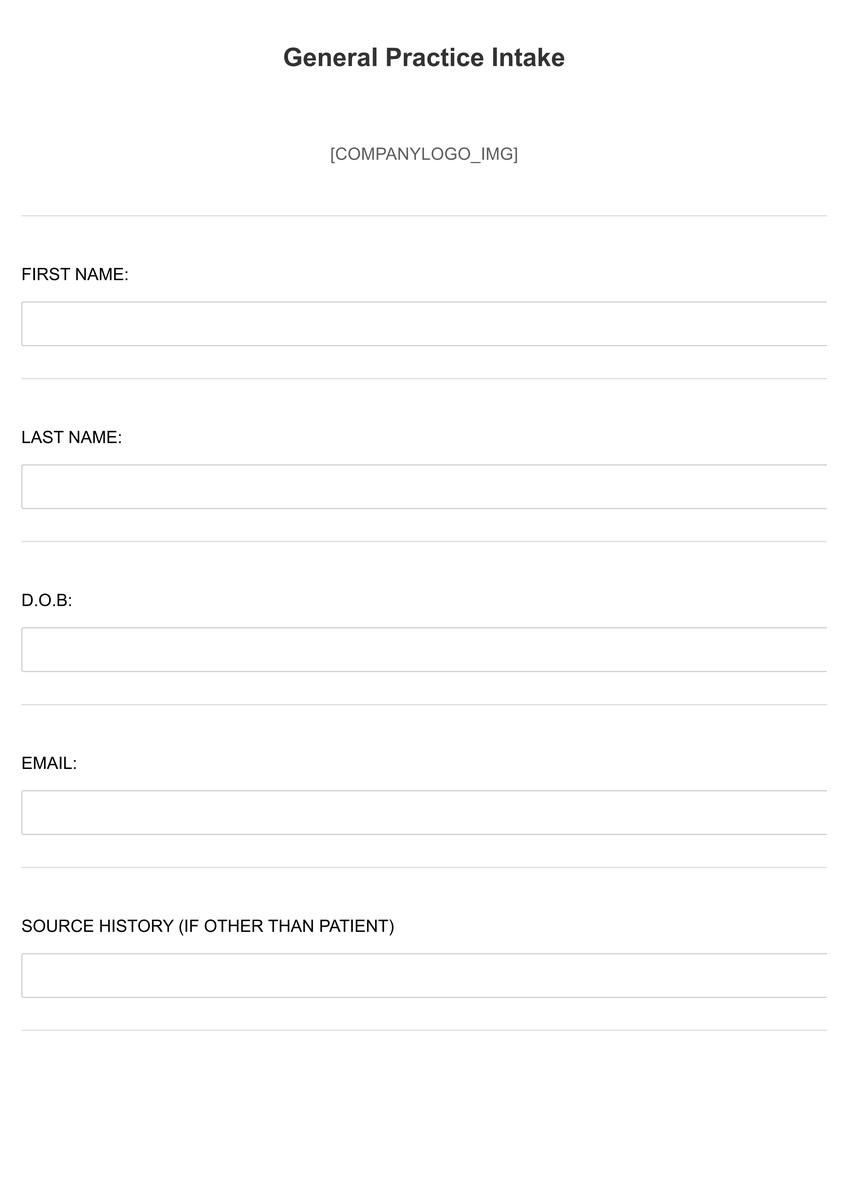
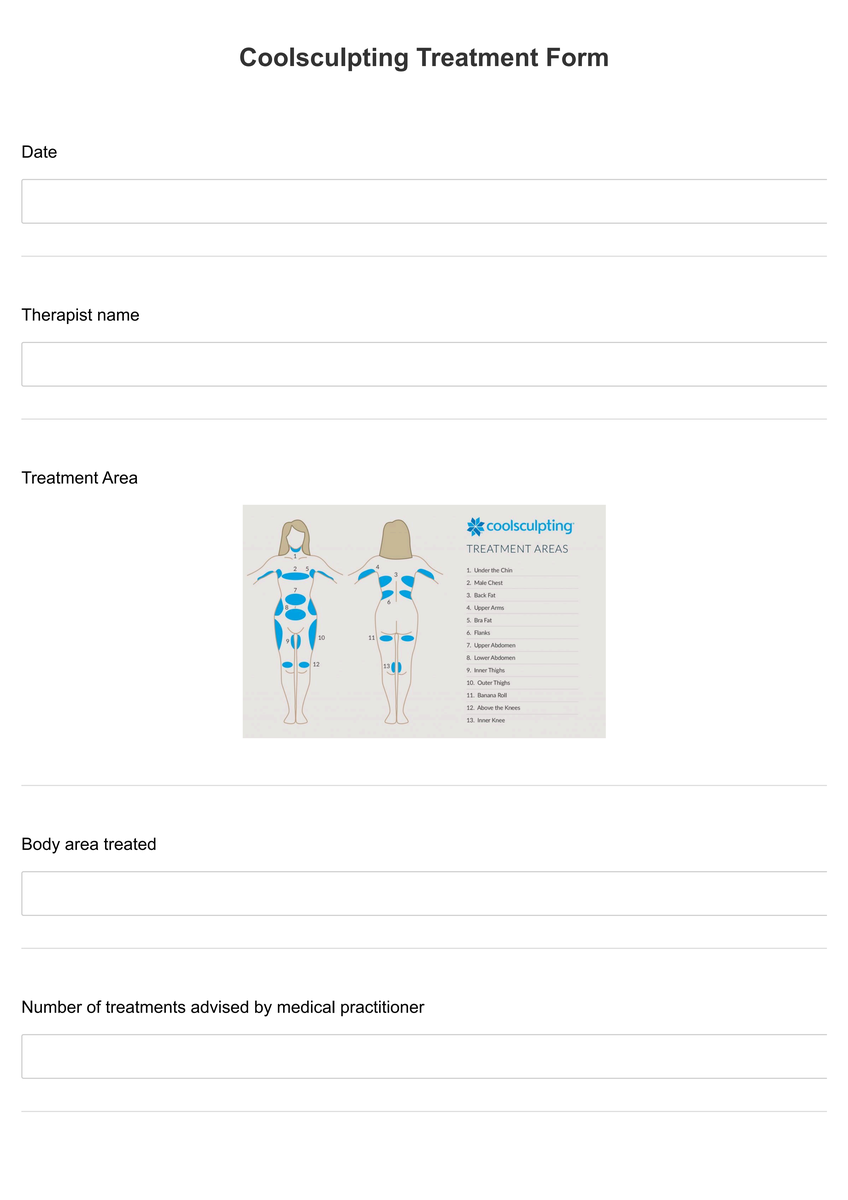
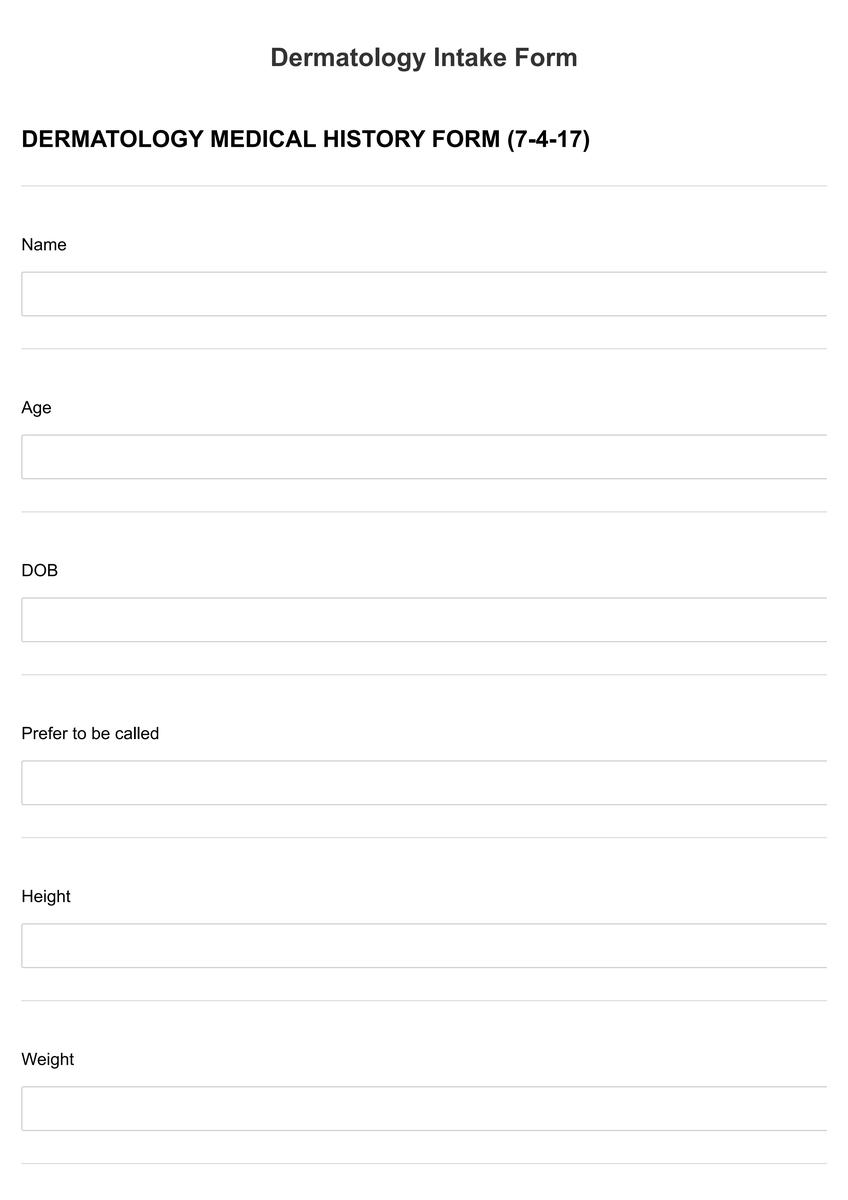
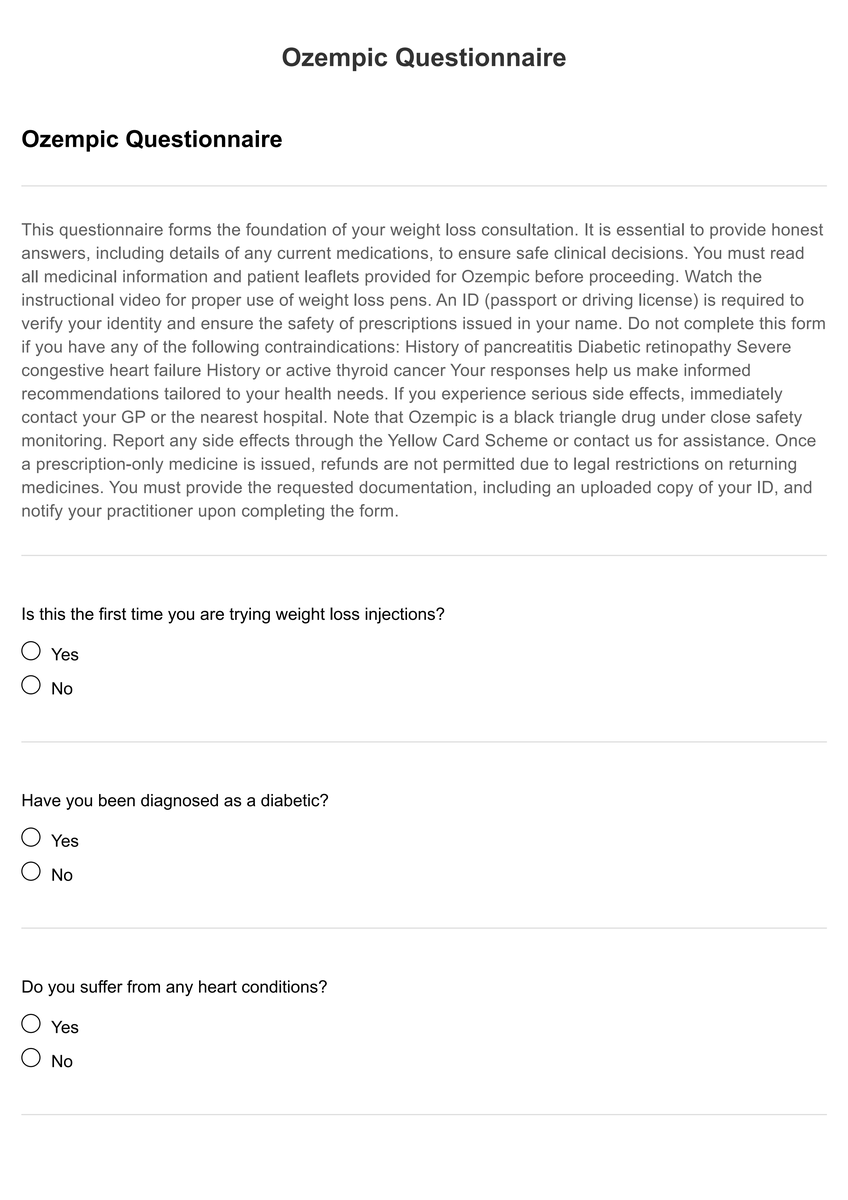
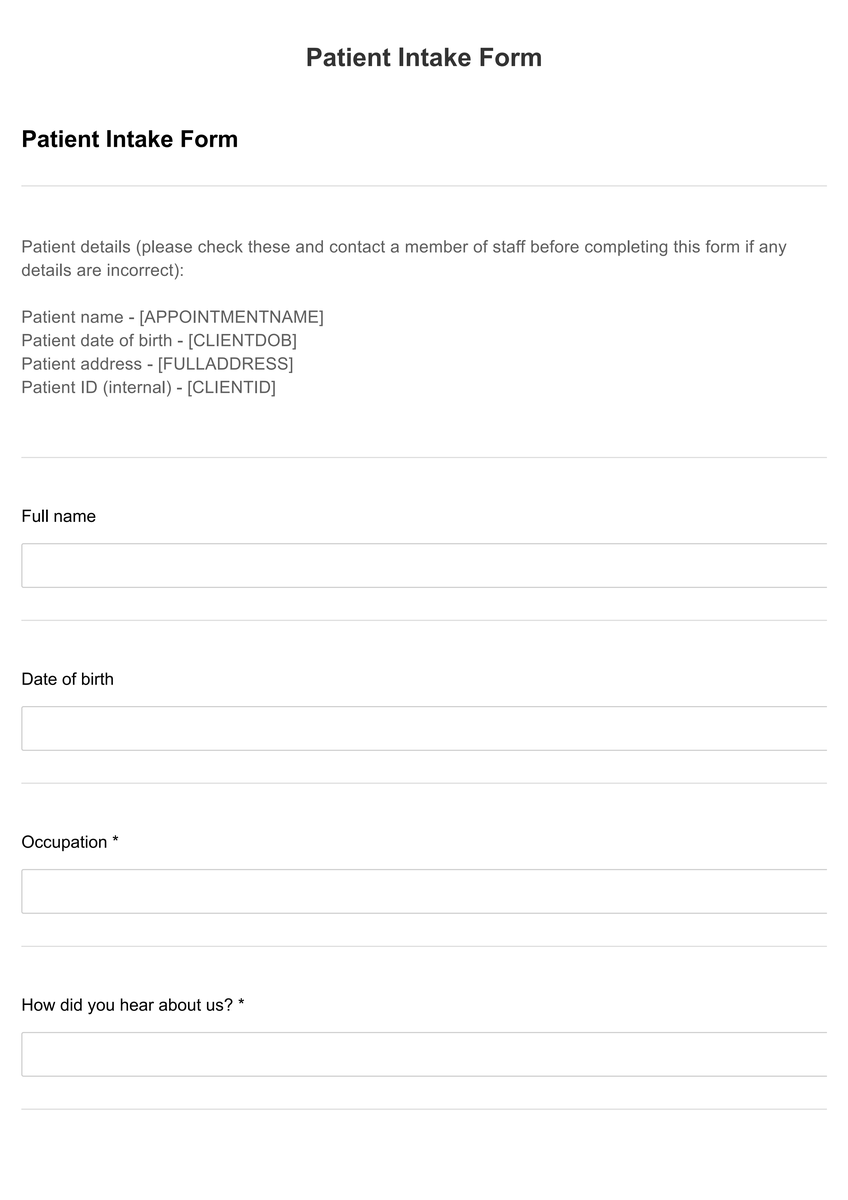
A patient intake form is a standardised medical document that serves as the foundation for establishing a comprehensive patient record. This essential questionnaire captures critical information including personal demographics, medical history, current medications, allergies, lifestyle factors, and specific health concerns that may impact treatment decisions.
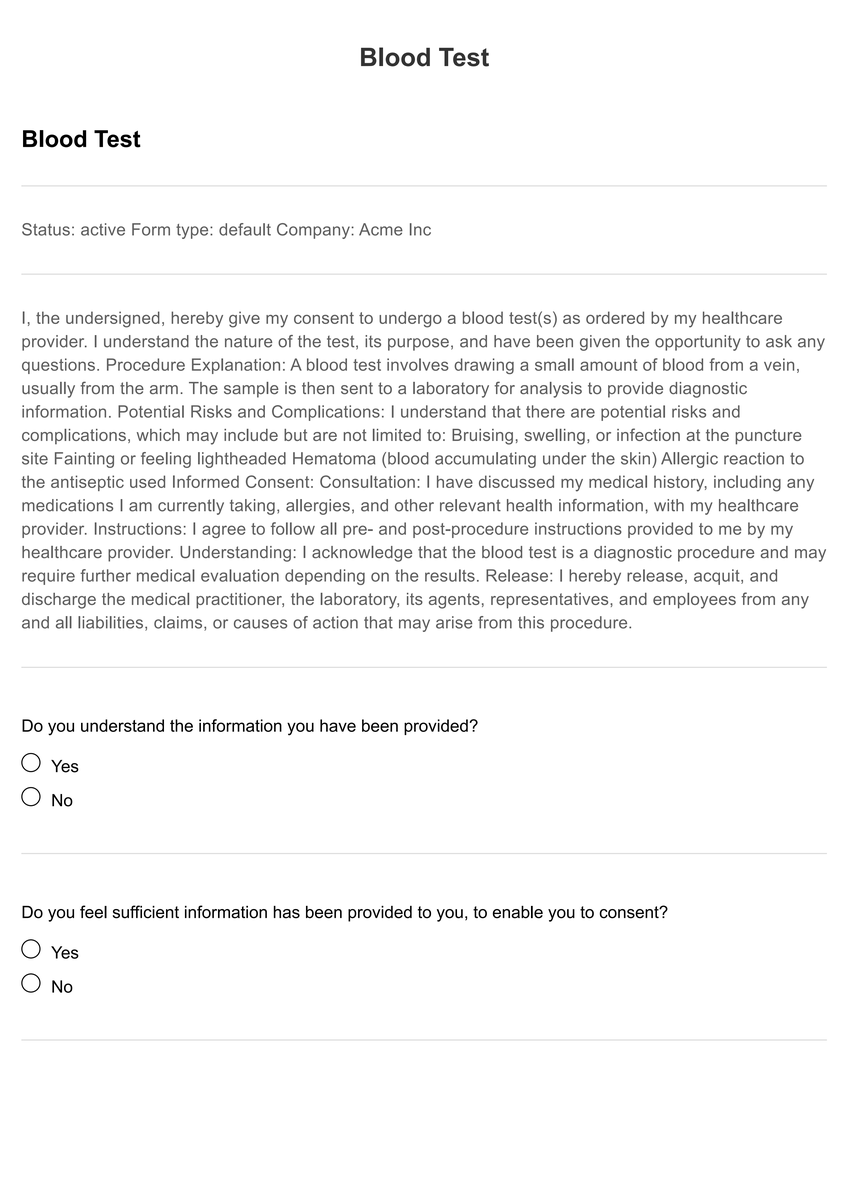
The form acts as both a legal document and a clinical tool, ensuring healthcare providers have access to complete patient information before conducting examinations or treatments. Furthermore, it establishes informed consent protocols and helps identify potential contraindications or risk factors that could influence treatment planning.
First, access the patient intake form PDF document by downloading it from Pabau below. The form is designed for both digital completion and printing, allowing flexibility in how patients complete their information. Healthcare providers should ensure they have the most current version of the form to maintain compliance with regulatory requirements and capture all necessary patient data effectively.
Send the patient intake form to new patients via email or patient portal at least 24-48 hours before their scheduled appointment. Include clear instructions on how to complete the form thoroughly and emphasise the importance of providing accurate information. For patients who prefer paper forms, ensure completed forms are available at reception for collection during their visit.
Healthcare providers should carefully review all completed intake forms before patient consultations. Pay particular attention to medical history, current medications, allergies, and any red flags that might impact treatment safety. Create a summary of key points to discuss during the appointment, ensuring no critical information is overlooked.
During the patient consultation, verbally verify key information provided on the intake form, particularly allergies, medications, and medical history. Update any changes or corrections directly in the patient record and ensure the patient confirms the accuracy of their information before proceeding with any treatments.
Once completed and verified, store patient intake forms securely in compliance with data protection regulations. Ensure forms are easily accessible for future appointments whilst maintaining patient confidentiality. Review and update patient information regularly to keep records current and accurate.
Patient intake forms benefit a wide range of healthcare practitioners and medical facilities. Private practice physicians rely on these forms to establish comprehensive patient histories efficiently, whilst aesthetic clinics use them to assess candidacy for cosmetic procedures and identify potential complications.
Specialist practices such as dermatology clinics, wellness centres, and integrative medicine providers find intake forms essential for understanding complex medical backgrounds that may influence treatment outcomes. Additionally, medical spas and cosmetic surgery practices use these forms to ensure patient safety and legal compliance before performing procedures.
The forms are equally valuable for patients, providing an opportunity to thoughtfully consider their medical history and current health status before their appointment. This preparation leads to more productive consultations and better health outcomes.
Implementing patient intake forms creates a professional, organised approach to patient care that enhances both clinical outcomes and practice efficiency. These forms establish trust through thorough preparation whilst ensuring all parties have access to complete, accurate medical information for informed decision-making.
Patient intake forms must comply with relevant healthcare regulations including data protection laws and medical record-keeping requirements. Healthcare providers should ensure forms capture necessary information for informed consent whilst protecting patient privacy. Regular updates to intake forms help maintain compliance with evolving regulatory standards and clinical best practices.
The documentation provided through intake forms serves as crucial evidence in legal proceedings and insurance claims. Therefore, forms must be designed to capture comprehensive, accurate information that can withstand scrutiny whilst remaining user-friendly for patients to complete thoroughly.
Contemporary healthcare practices increasingly utilise digital patient intake forms integrated with electronic health record systems. This approach reduces administrative burden, minimises transcription errors, and allows for real-time data validation. Digital forms can include conditional logic that presents relevant questions based on previous responses, creating a more personalised experience for patients.
Integration with practice management software enables automatic population of patient records, appointment scheduling systems, and billing platforms. This seamless workflow reduces duplicate data entry whilst ensuring consistency across all patient touchpoints within the healthcare facility.