Case Management Intake Form
 By Tanja Lepcheska on January 12, 2026
 Fact checked by: Teodor Jurukovski

Discover free eBooks, guides and med spa templates on our new resources page


Read case studies from our satisfied clients

Compare Pabau with alternative systems
 Integrations

 Measure Pabau savings
 Our security commitment
 About us

Learn why this holistic care and aesthetic medicine clinic chose Pabau to power patient care and performance.
Read more By Tanja Lepcheska on January 12, 2026
Fact checked by: Teodor Jurukovski
By Tanja Lepcheska on January 12, 2026
Fact checked by: Teodor Jurukovski
Comprehensive Assessment This intake form captures essential client information including demographics, medical history, and psychosocial factors to establish effective case management plans.
Streamlined Process The structured format ensures consistent data collection across all clients, improving service delivery and care coordination from the first appointment.
Risk Identification Early identification of client risks, support systems, and barriers to care enables proactive intervention strategies and appropriate resource allocation.
Documentation Standards Provides a standardised framework for recording client information that supports regulatory compliance and quality assurance in case management services.
A Case Management Intake Form serves as the foundational document for establishing therapeutic relationships and care coordination in healthcare settings. This comprehensive assessment tool systematically collects vital information about clients entering case management services, including their personal demographics, medical history, current concerns, and support systems.
The form functions as both an administrative tool and clinical assessment instrument. It enables case managers to understand each client's unique circumstances, identify immediate needs, and develop appropriate intervention strategies. Furthermore, the structured format ensures consistent data collection across different practitioners and settings, supporting quality care delivery and regulatory compliance.
In practice, the case management intake form bridges the gap between initial client contact and comprehensive care planning. It establishes clear communication pathways between clients and care teams whilst documenting essential information that informs treatment decisions and service coordination throughout the client's journey.
First access the case management intake form PDF document by downloading it from Pabau below. The form is available in a fillable PDF format that can be completed electronically or printed for paper-based completion. Ensure you have the most current version of the form to maintain compliance with documentation standards and capture all necessary client information effectively.
Schedule adequate time for the intake process, allowing 45-60 minutes for comprehensive completion. Review the form sections beforehand to familiarise yourself with the required information. Prepare a comfortable, private environment that encourages open communication and ensures client confidentiality throughout the assessment process.
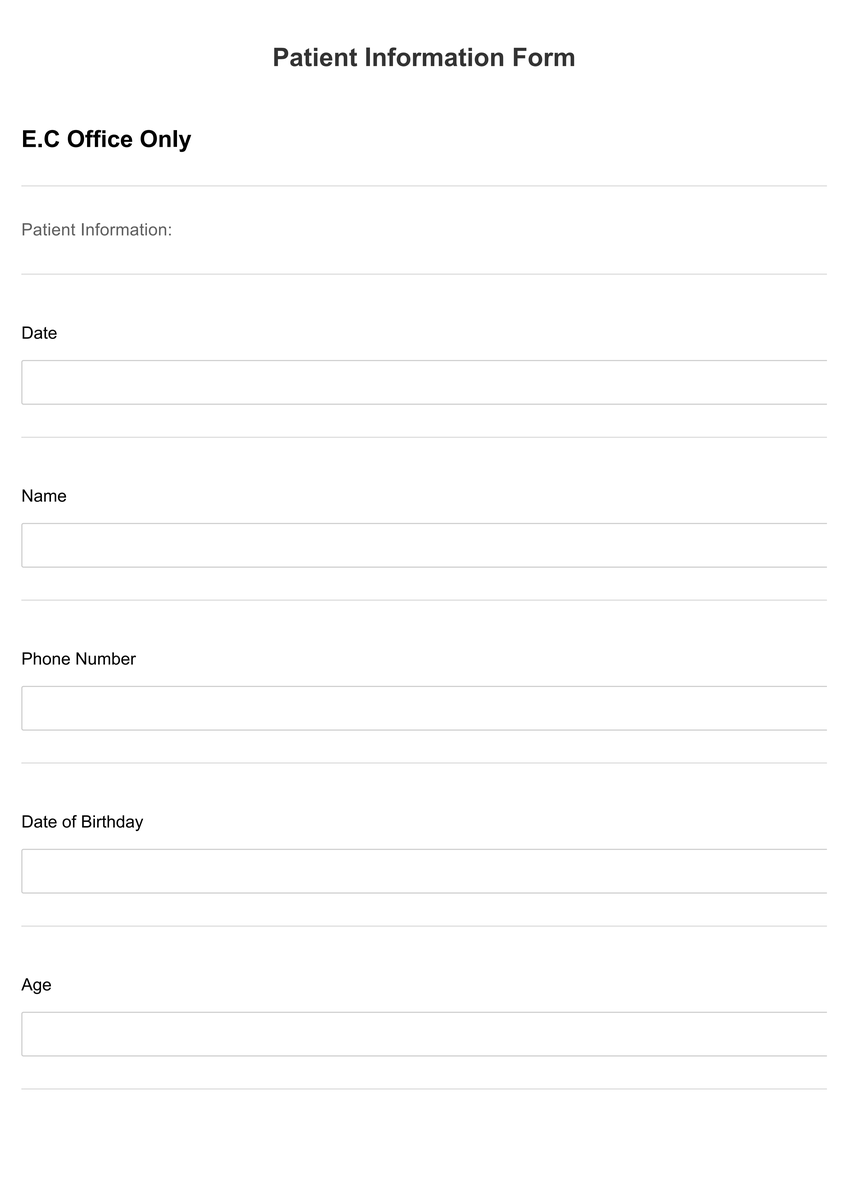
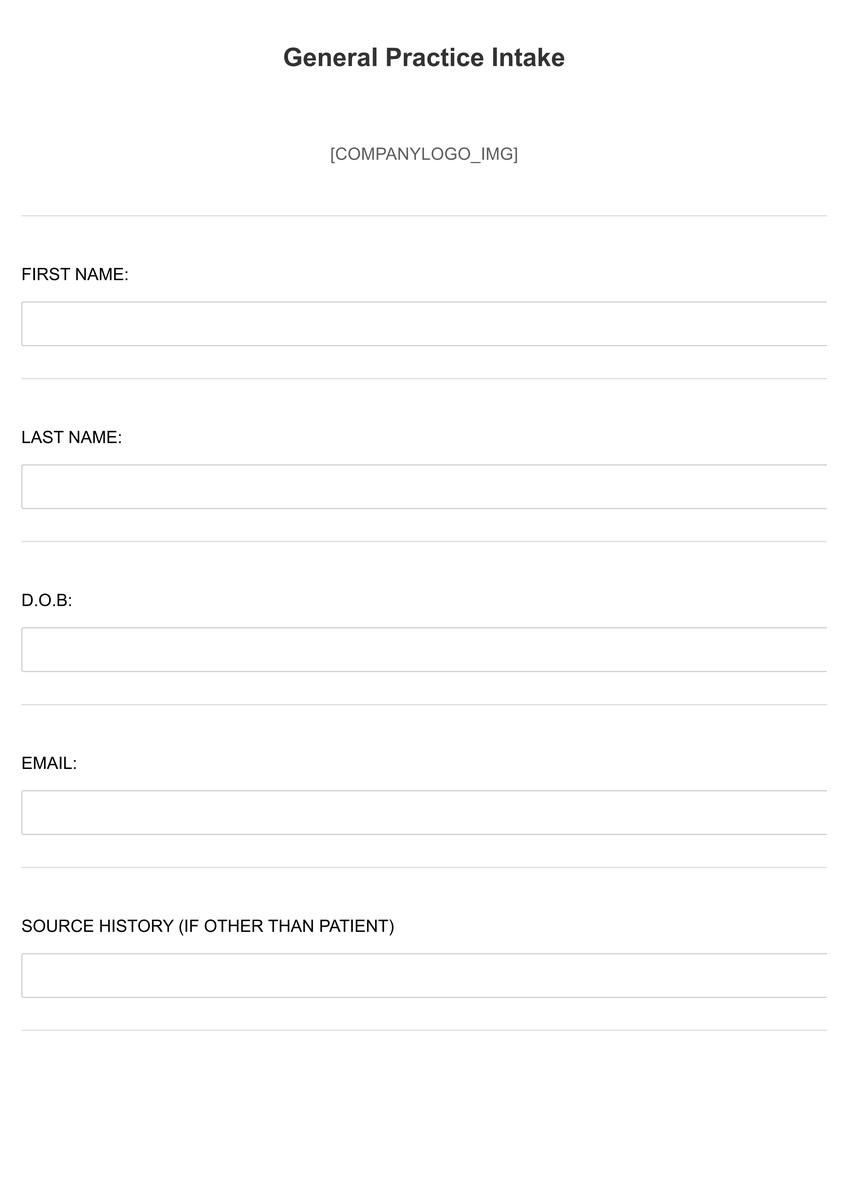
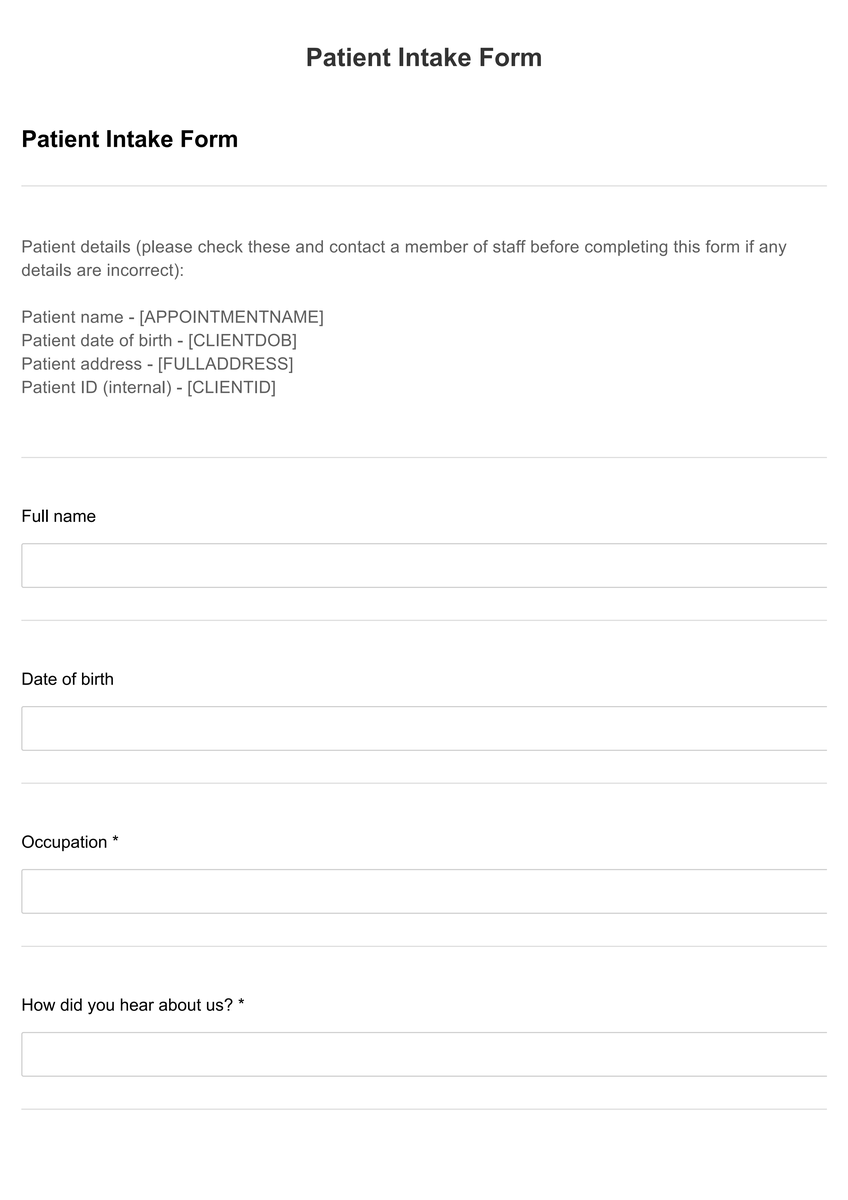
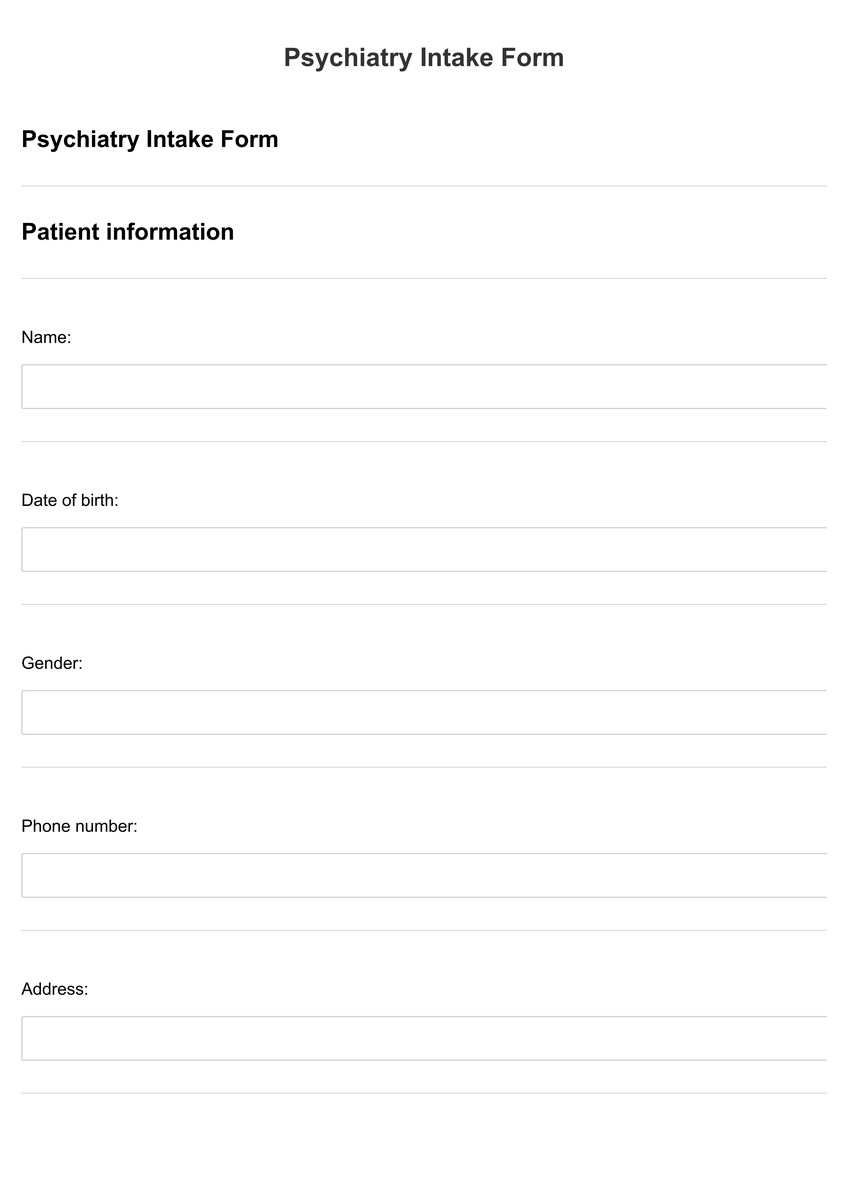
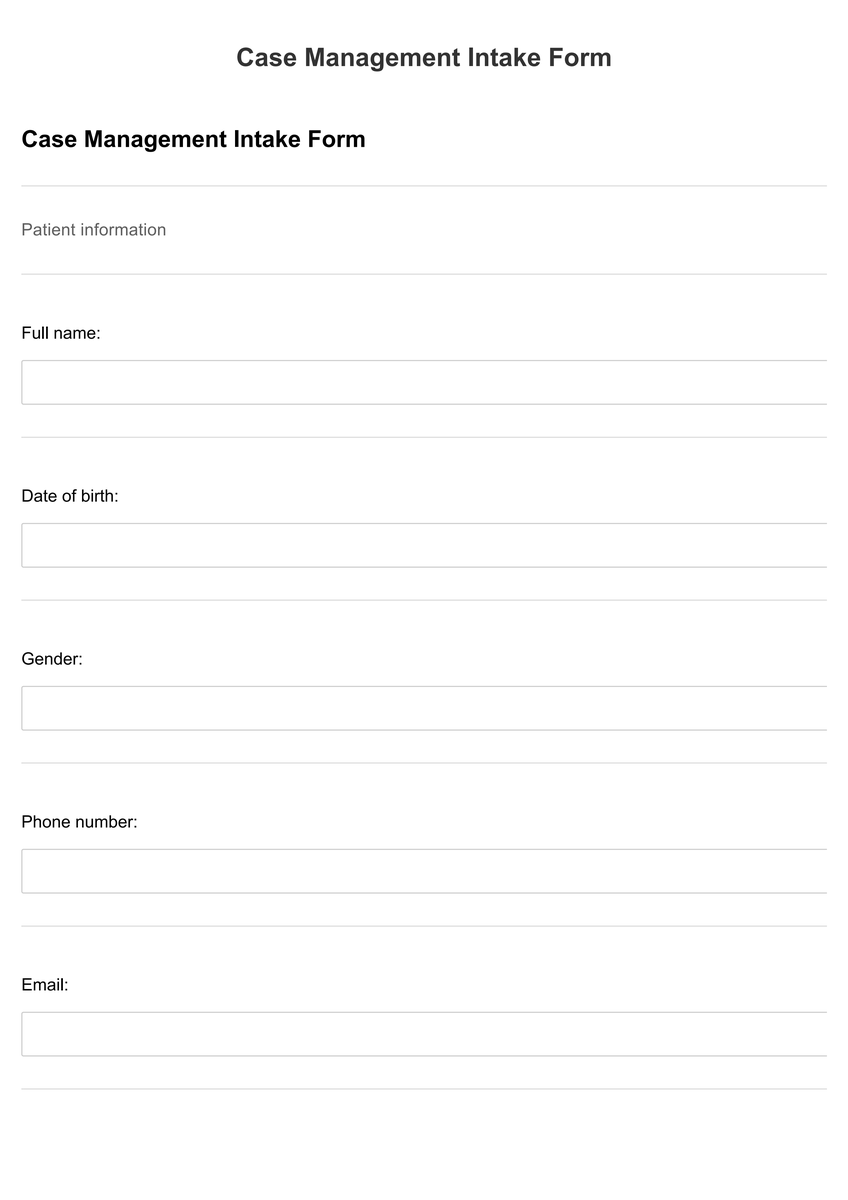
Begin by recording accurate demographic details including full name, date of birth, contact information, and emergency contacts. Verify insurance information and obtain necessary authorisations for treatment. This foundational information ensures proper identification and enables effective communication throughout the case management relationship.
Systematically work through each section of the form, covering medical history, current medications, presenting concerns, and psychosocial factors. Use open-ended questions to encourage detailed responses and clarify any unclear information. Document responses accurately and completely, noting any areas requiring immediate attention or follow-up.
Once the form is completed, review all sections with the client to ensure accuracy and completeness. Address any gaps in information and clarify ambiguous responses. Obtain necessary signatures and consent forms, explaining the purpose of case management services and outlining next steps in the care process.
Securely store the completed form in compliance with confidentiality requirements and organisational policies. Use the gathered information to develop initial care plans, identify referral needs, and schedule appropriate follow-up appointments. Share relevant information with care team members as authorised and necessary for coordinated service delivery.
The Case Management Intake Form proves invaluable for case managers working across diverse healthcare settings, from community mental health centres to private practice environments. Social workers and care coordinators benefit significantly from the structured approach to client assessment, enabling them to identify complex needs and coordinate appropriate services efficiently.
Healthcare administrators and quality assurance teams find the standardised format essential for maintaining consistent documentation practices and supporting regulatory compliance. The form serves as a valuable tool for organisations seeking to improve care coordination, reduce duplicated efforts, and enhance communication between multidisciplinary team members.
Additionally, clients themselves benefit from the comprehensive intake process, as it ensures their concerns are thoroughly documented and understood from the beginning of their care journey. The systematic approach helps build rapport and trust whilst ensuring no critical information is overlooked in initial assessments.
Moreover, implementing a standardised case management intake form significantly reduces assessment time whilst improving data quality and completeness. This systematic approach enhances care coordination effectiveness, leading to better client outcomes and increased satisfaction with services provided.
Proper documentation practices are essential when using the Case Management Intake Form. The completed form becomes part of the client's permanent record and must be maintained according to professional standards and regulatory requirements. Electronic storage systems should include appropriate security measures to protect client confidentiality whilst ensuring authorised access for care team members.
Regular auditing of intake documentation helps identify areas for improvement in assessment practices and ensures consistency across different practitioners. The form serves as a baseline reference document that can be updated as client circumstances change, supporting continuity of care throughout the case management relationship.
The information gathered through the Case Management Intake Form directly informs the development of individualised care plans and service coordination strategies. Case managers can use assessment data to identify appropriate referrals, prioritise intervention needs, and establish measurable goals for client progress. This systematic approach ensures that care planning is evidence-based and responsive to each client's unique circumstances.
Furthermore, the intake assessment provides valuable baseline data for measuring client progress over time. Regular review of initial intake information helps case managers evaluate the effectiveness of interventions and adjust care plans as needed to optimise client outcomes and service delivery.