Psychiatry Intake Form
 By Tanja Lepcheska on January 12, 2026
 Fact checked by: Teodor Jurukovski

Discover free eBooks, guides and med spa templates on our new resources page


Read case studies from our satisfied clients

Compare Pabau with alternative systems
 Integrations

 Measure Pabau savings
 Our security commitment
 About us

Learn why this holistic care and aesthetic medicine clinic chose Pabau to power patient care and performance.
Read more By Tanja Lepcheska on January 12, 2026
Fact checked by: Teodor Jurukovski
By Tanja Lepcheska on January 12, 2026
Fact checked by: Teodor Jurukovski
Comprehensive Assessment The form captures detailed medical, psychological, and social history to inform accurate psychiatric diagnosis and treatment planning.
Risk Evaluation Includes structured assessment of suicide risk, substance use, and safety concerns to ensure appropriate care protocols.
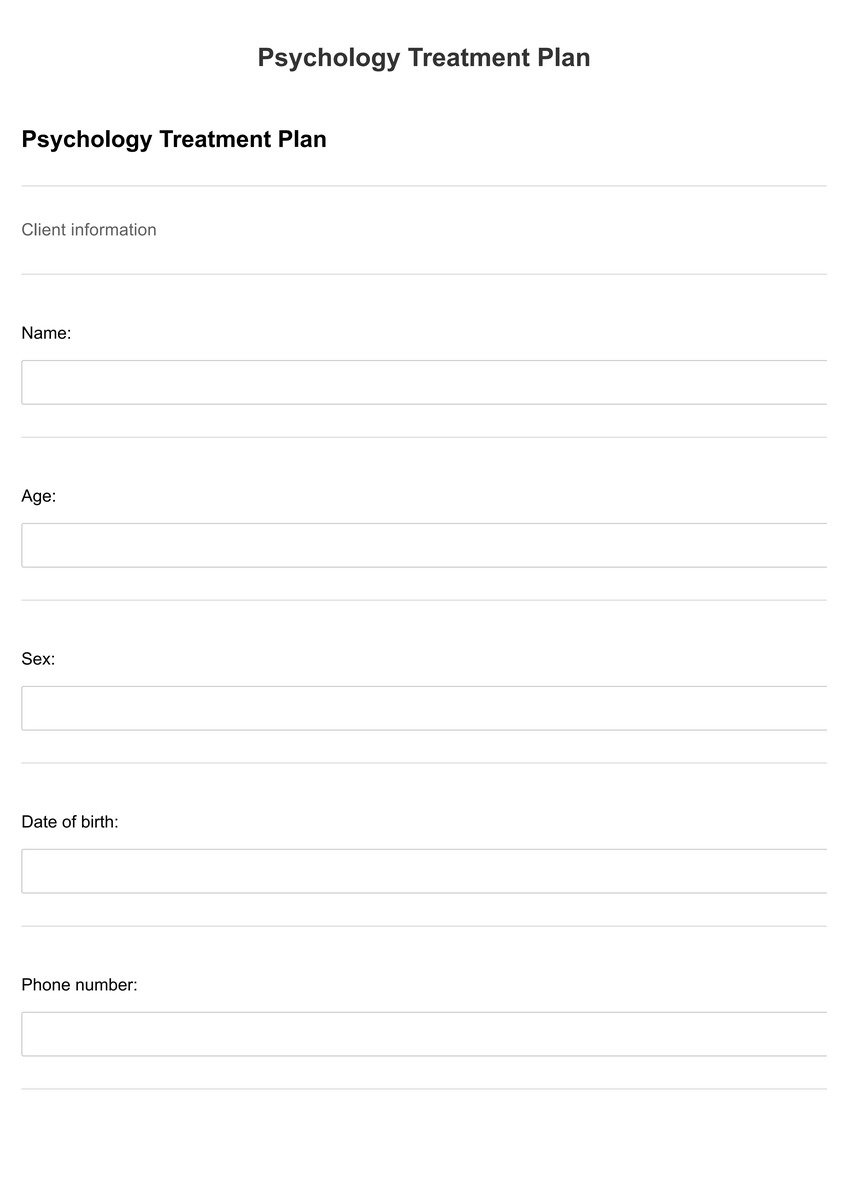
Treatment Foundation Information gathered establishes baseline functioning and helps develop individualised treatment strategies and goals.
Clinical Efficiency Streamlines the initial consultation process by collecting essential information before the appointment begins.
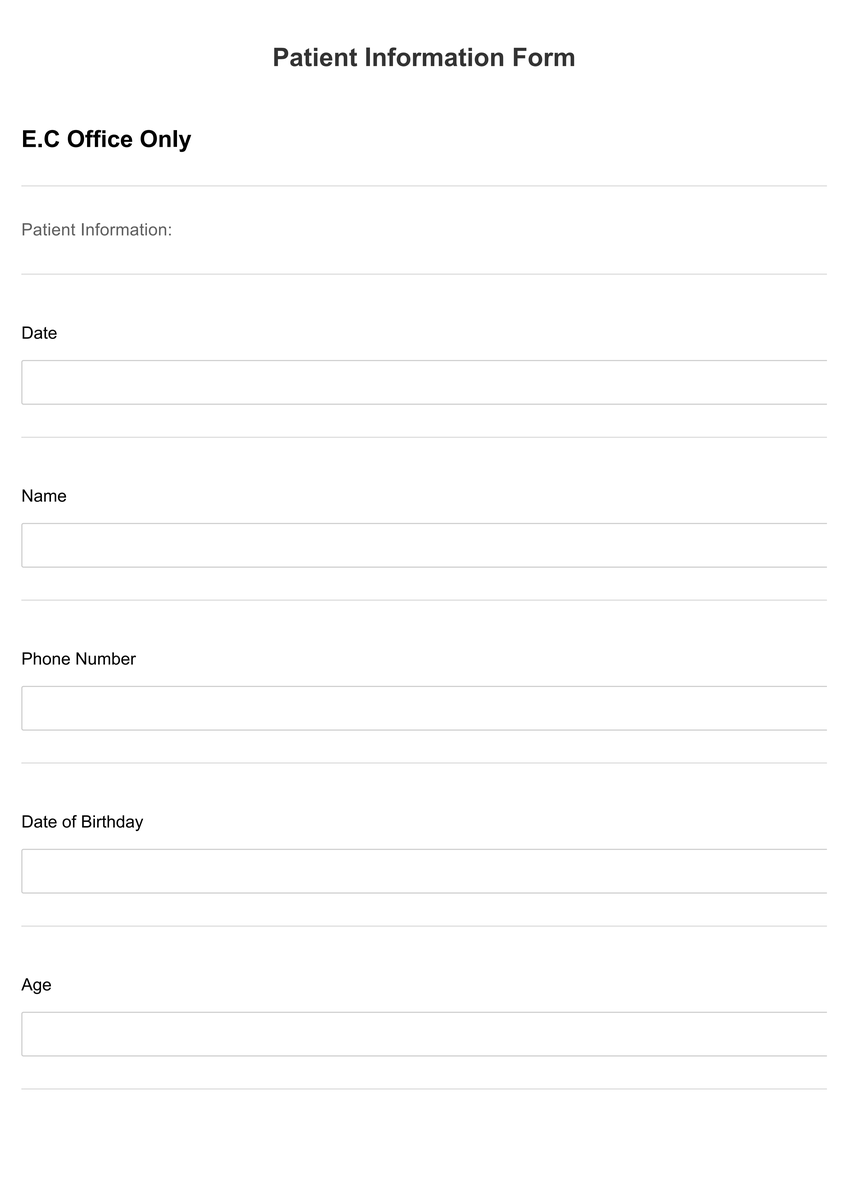
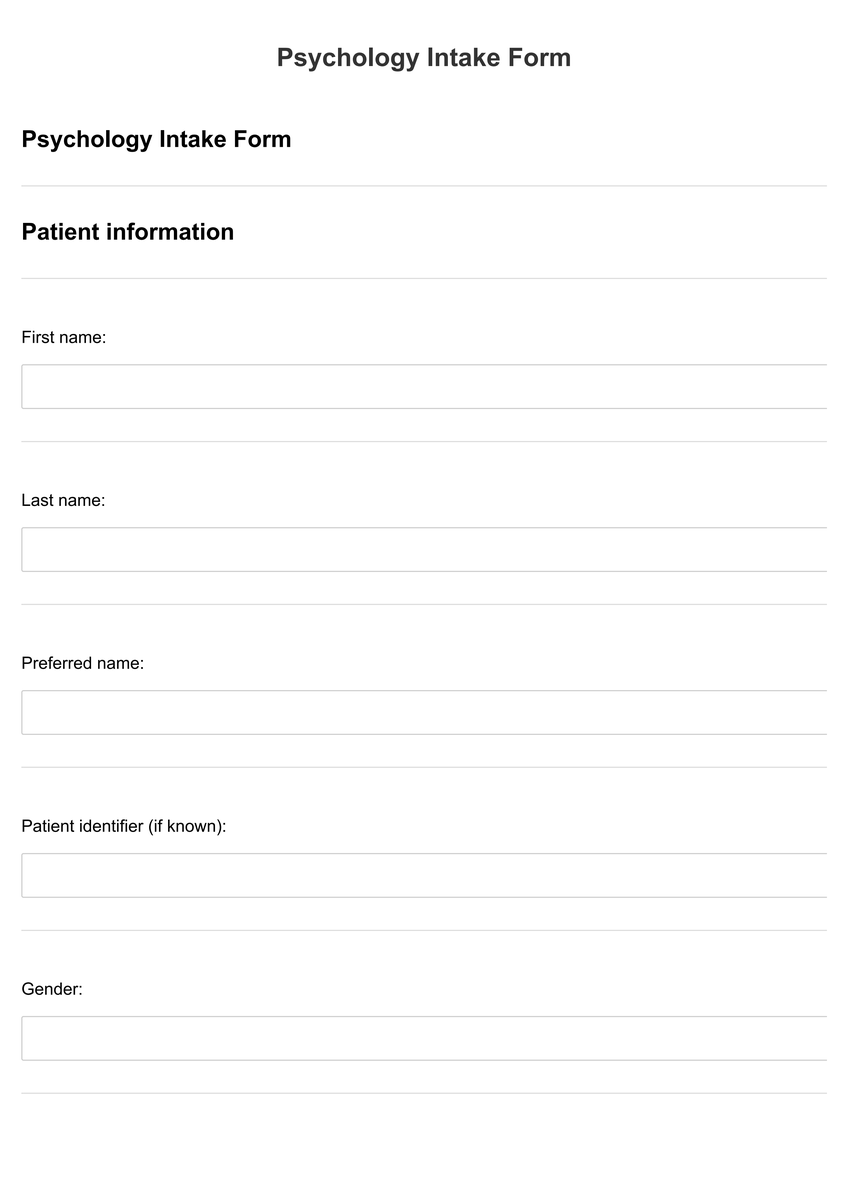
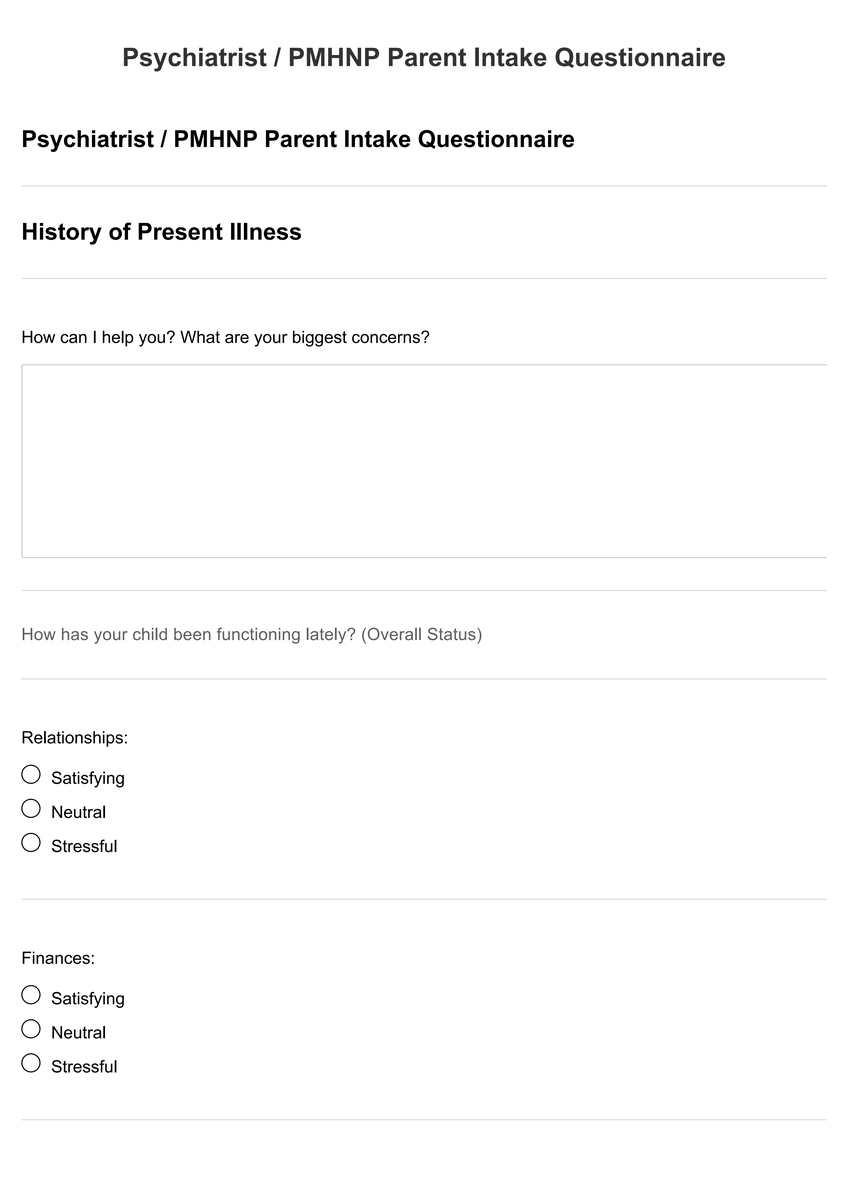
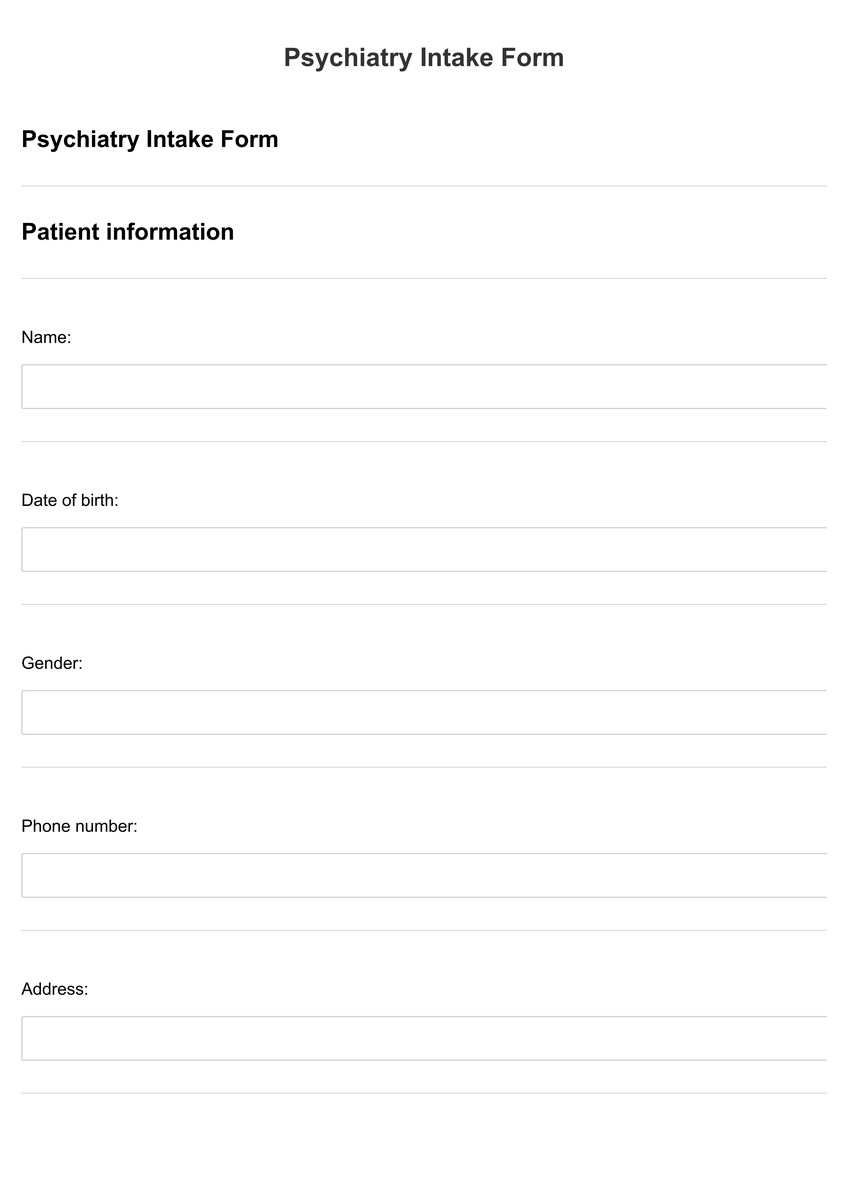
A psychiatry intake form is a comprehensive pre-assessment questionnaire designed to collect detailed information about a patient's mental health history, current symptoms, and overall wellbeing before their initial psychiatric consultation. This essential clinical document serves as the foundation for building a complete understanding of the patient's psychological profile and treatment needs.
The form systematically gathers information across multiple domains including psychiatric history, medical conditions, medication usage, family mental health history, substance use patterns, and psychosocial circumstances. By collecting this information in advance, mental health professionals can conduct more focused and productive initial assessments.
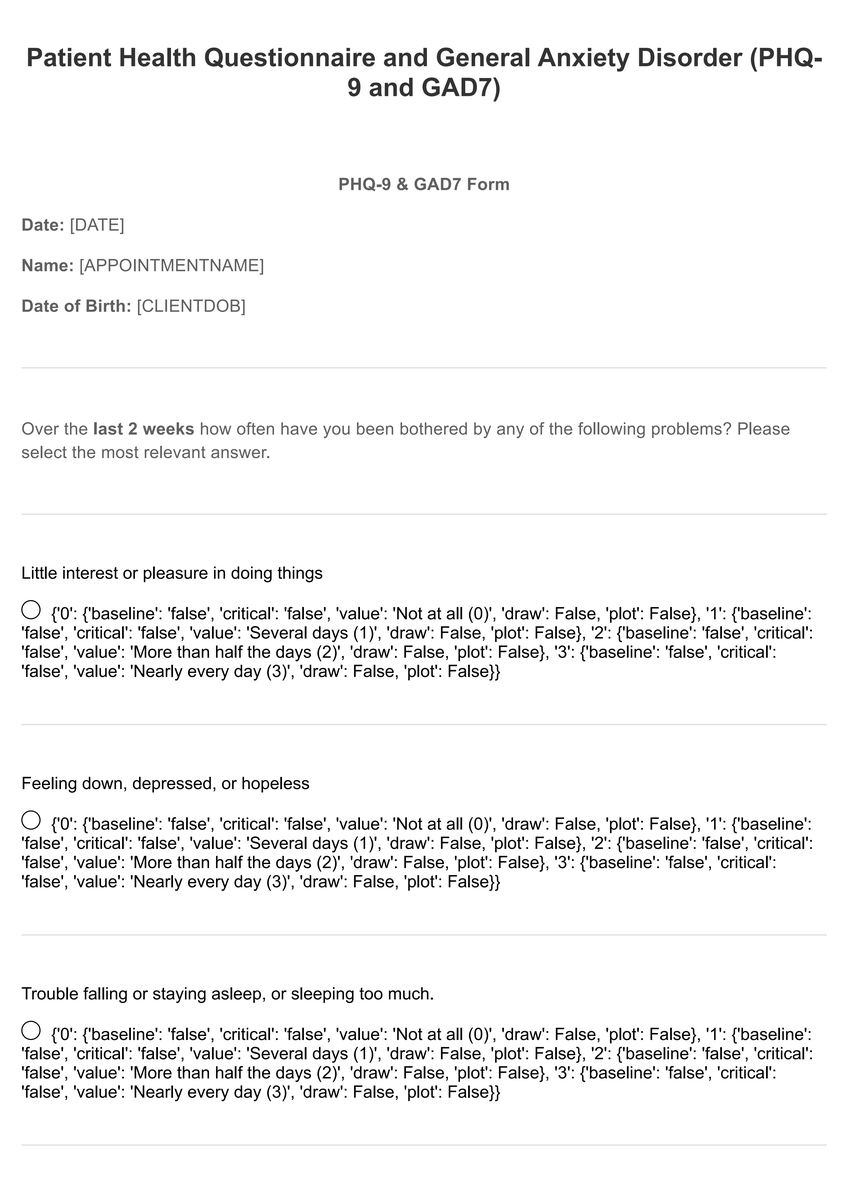
Furthermore, the psychiatry intake form includes standardised screening questions for common mental health conditions such as depression, anxiety, bipolar disorder, and attention deficit hyperactivity disorder. This structured approach ensures that no critical areas are overlooked during the evaluation process and helps establish appropriate treatment priorities from the outset.
First access the psychiatry intake form PDF document by downloading it from Pabau below. The form is available as a fillable PDF that can be completed electronically or printed for handwritten completion. Ensure you have the most current version of the form to guarantee all relevant assessment areas are included in your evaluation process.
Provide the form to patients at least 24-48 hours before their scheduled appointment. Include clear instructions about completing all sections thoroughly and honestly. Advise patients to gather relevant information such as medication lists, previous treatment records, and family history details before beginning the form.
Guide patients to complete all sections of the intake form, emphasising the importance of accurate and detailed responses. Ensure they understand that incomplete forms may delay their assessment and treatment planning. Review any sections that require clarification or additional detail.
Review the completed form before the patient's appointment to identify key areas of concern, potential risk factors, and preliminary diagnostic considerations. This preparation allows for more targeted questioning during the clinical interview and efficient use of appointment time.
Use the intake information to structure your initial assessment, validate responses through clinical interview, and develop a comprehensive formulation. Document any discrepancies or areas requiring further exploration in your clinical notes.
The psychiatry intake form is invaluable for psychiatrists, psychiatric nurse practitioners, and other mental health professionals conducting initial assessments in various clinical settings. It proves particularly useful in busy psychiatric practices where efficient information gathering is essential for maintaining appointment schedules whilst ensuring thorough evaluations.
Additionally, the form benefits patients by providing them with an opportunity to reflect on their mental health concerns and organise their thoughts before meeting with their clinician. This preparation often leads to more productive consultations and helps patients feel more prepared to discuss sensitive topics.
Healthcare administrators and practice managers also find these forms helpful for standardising intake procedures, ensuring compliance with documentation requirements, and improving overall clinical workflow efficiency within psychiatric services.
The structured approach of psychiatry intake forms significantly enhances the quality of mental health care by ensuring consistent, thorough evaluations whilst improving clinical efficiency and patient experience.
An essential component of the psychiatry intake form involves comprehensive risk assessment, including evaluation of suicidal ideation, self-harm behaviours, and potential harm to others. This section requires careful attention as it directly impacts patient safety protocols and treatment urgency.
The form includes structured questions about current and historical suicidal thoughts, previous attempts, access to means, and protective factors. This information enables clinicians to implement appropriate safety measures and determine the level of care required, whether outpatient management is suitable or if more intensive intervention is necessary.
Moreover, the assessment covers substance use patterns, as these significantly impact treatment planning and medication selection. Understanding a patient's relationship with alcohol and drugs helps inform both safety considerations and therapeutic approaches throughout their care journey.
The psychiatry intake form dedicates significant attention to family psychiatric history, recognising the substantial genetic component in many mental health conditions. This information helps clinicians understand predisposition patterns and inform both diagnostic considerations and treatment selection.
Patients are asked to provide details about mental health conditions in immediate and extended family members, including specific diagnoses, treatments received, and outcomes. This genetic information can influence medication choices, particularly when family members have responded well or poorly to specific treatments.
Furthermore, understanding family dynamics and relationships provides valuable context for the patient's current presentation. Trauma history, family support systems, and intergenerational patterns of mental health all contribute to a comprehensive understanding of the patient's psychological landscape and inform treatment planning decisions.