GP Intake Form
 By Teodor Jurkovski on January 12, 2026
 Fact checked by: Teodor Jurukovski

Discover free eBooks, guides and med spa templates on our new resources page


Read case studies from our satisfied clients

Compare Pabau with alternative systems
 Integrations

 Measure Pabau savings
 Our security commitment
 About us

Learn why this holistic care and aesthetic medicine clinic chose Pabau to power patient care and performance.
Read more By Teodor Jurkovski on January 12, 2026
Fact checked by: Teodor Jurukovski
By Teodor Jurkovski on January 12, 2026
Fact checked by: Teodor Jurukovski
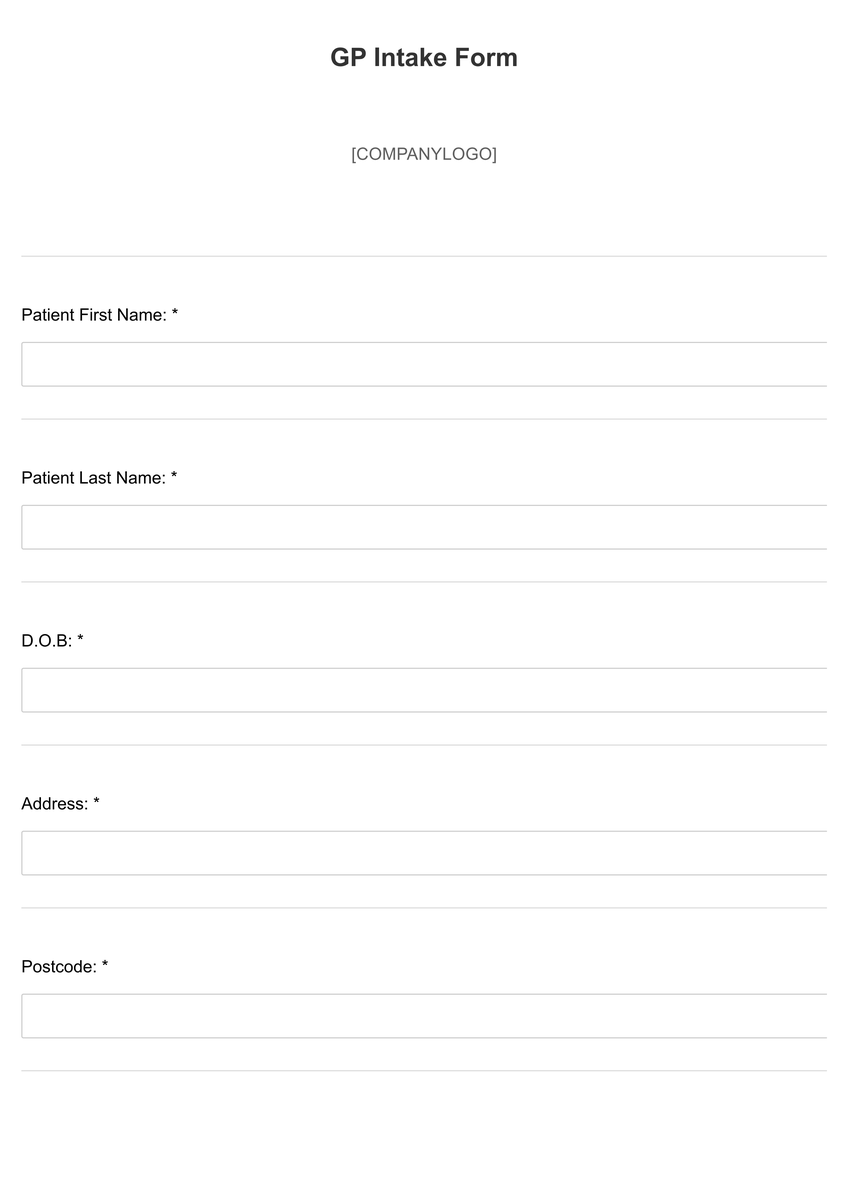
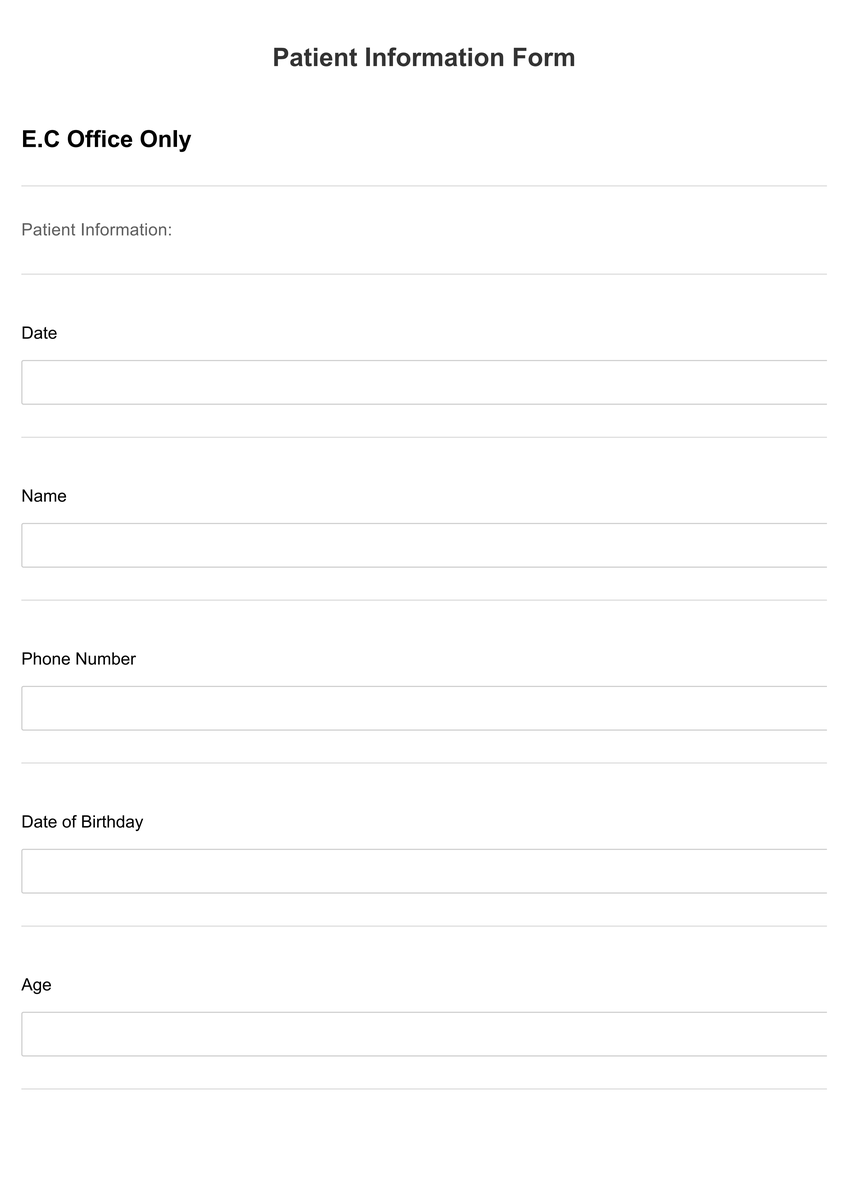
Patient Registration The GP intake form streamlines the registration process by collecting comprehensive patient information before the first consultation.
Medical History Complete documentation of past medical conditions, medications, and allergies ensures safe and informed treatment decisions.
Consultation Preparation Healthcare providers can review patient information beforehand, leading to more focused and productive appointments.
Clinical Efficiency Standardised intake forms reduce appointment time spent on data collection and improve overall practice workflow.
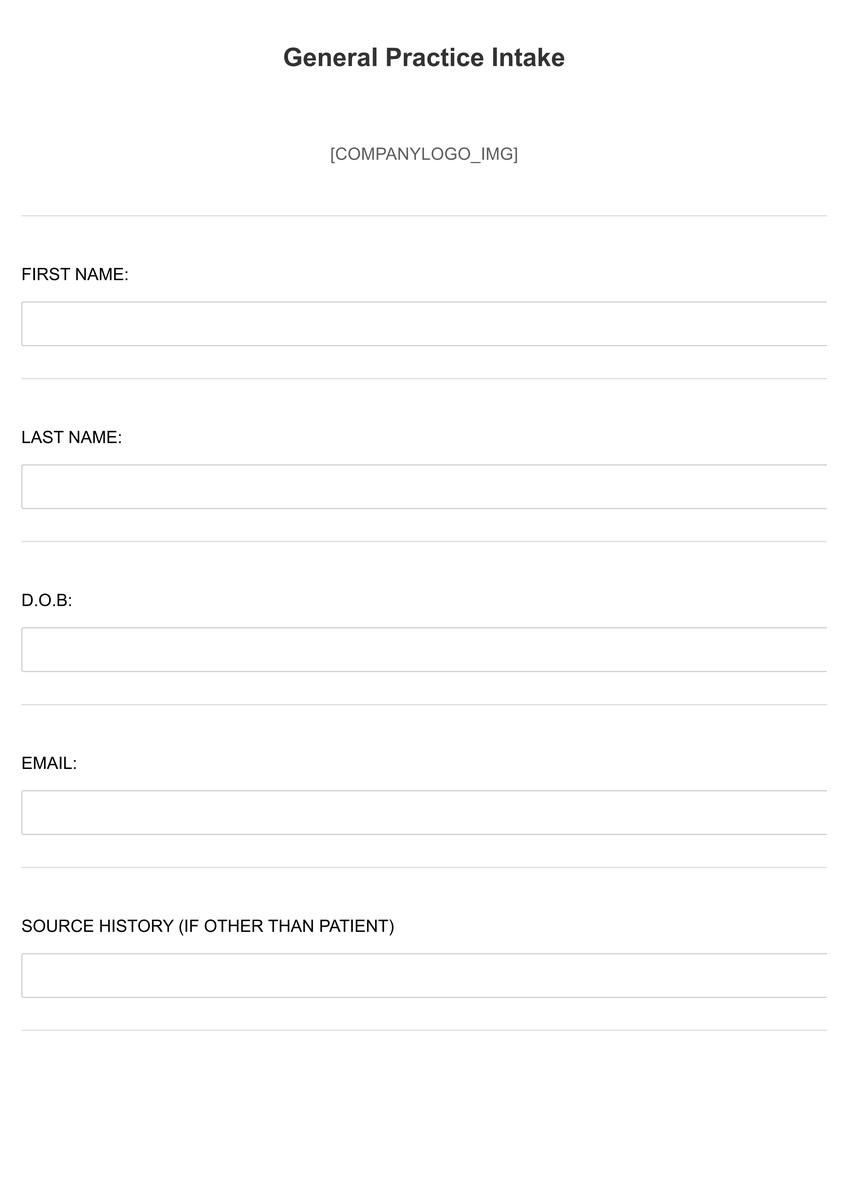
A GP intake form is a structured document that collects comprehensive patient information before their initial consultation with a general practitioner. This essential tool gathers vital details about a patient's medical history, current symptoms, medications, lifestyle factors, and personal health concerns. The form serves as a foundation for establishing the doctor-patient relationship and creating an accurate medical record.
Healthcare providers use intake forms to understand each patient's unique health profile, including chronic conditions, previous treatments, family medical history, and current medications. This information enables clinicians to identify potential health risks, drug interactions, and relevant screening requirements. Furthermore, the form helps practices maintain accurate patient records whilst ensuring compliance with healthcare documentation standards.
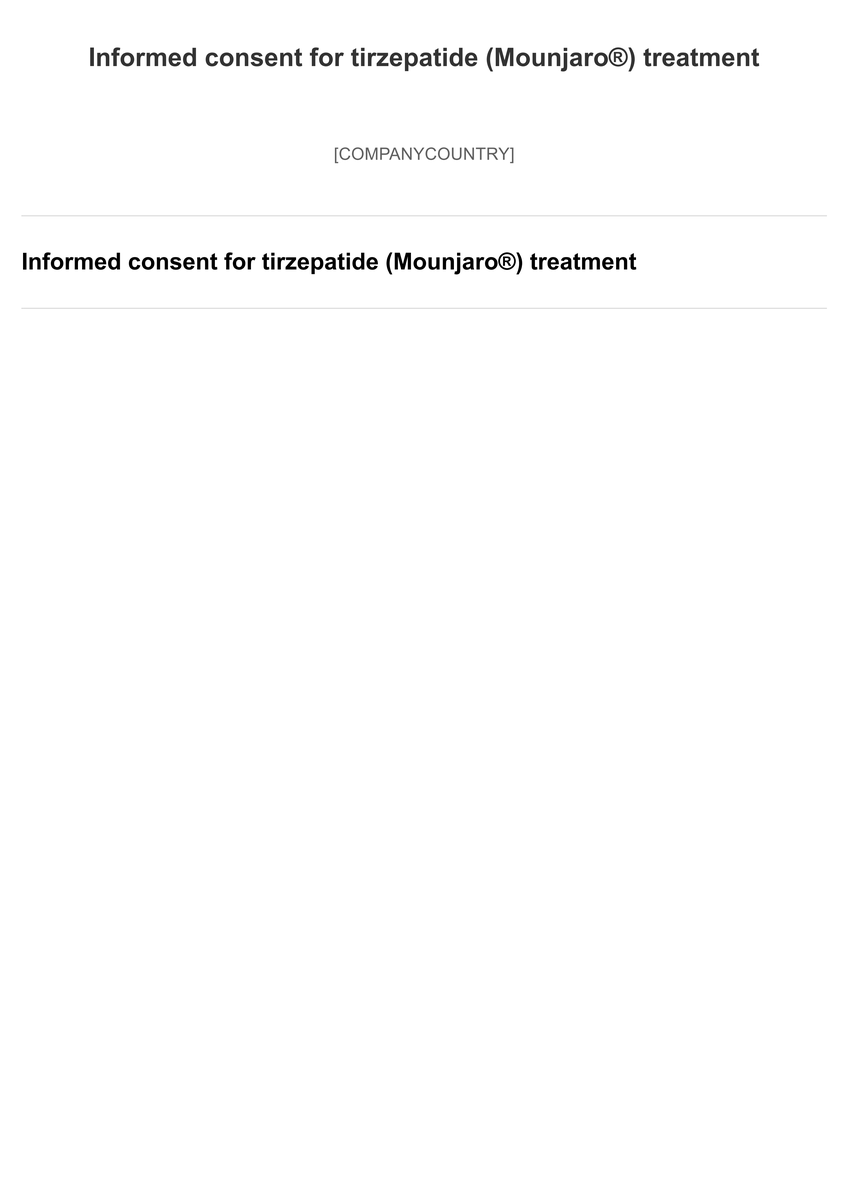
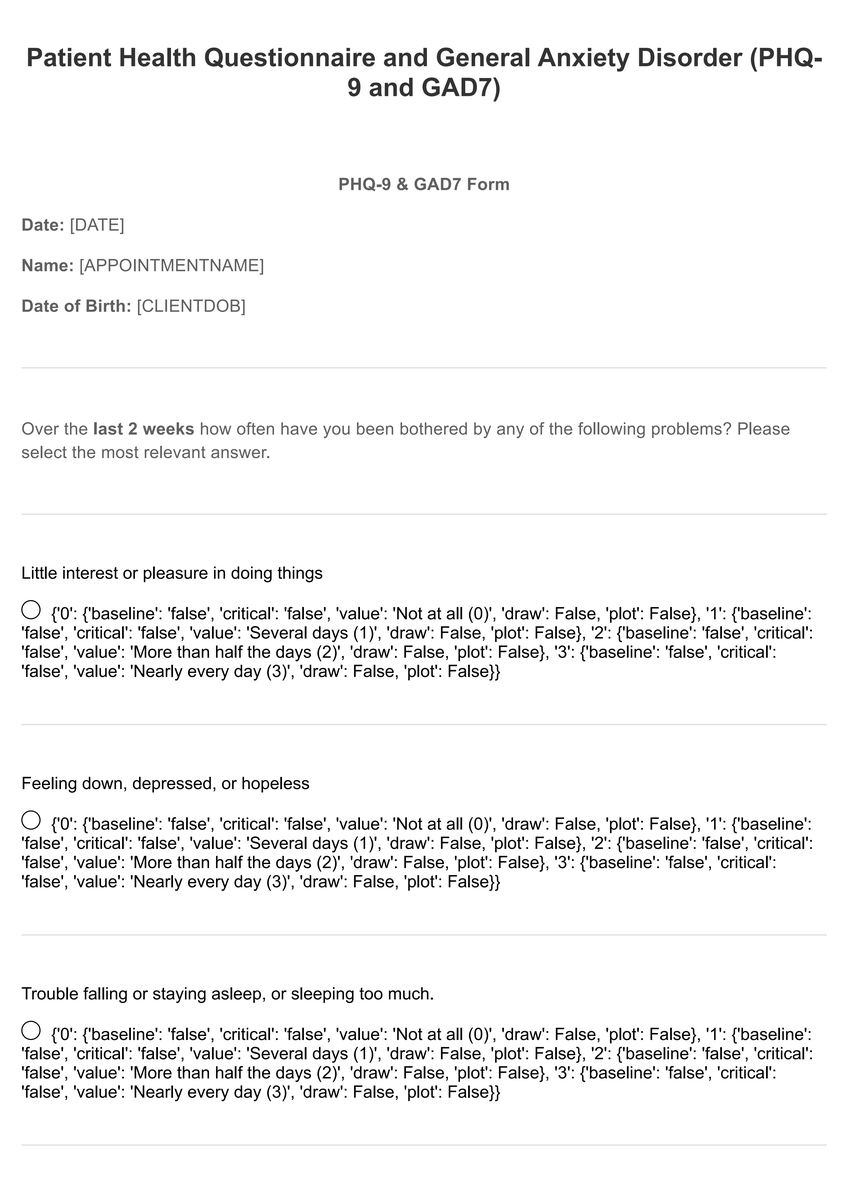
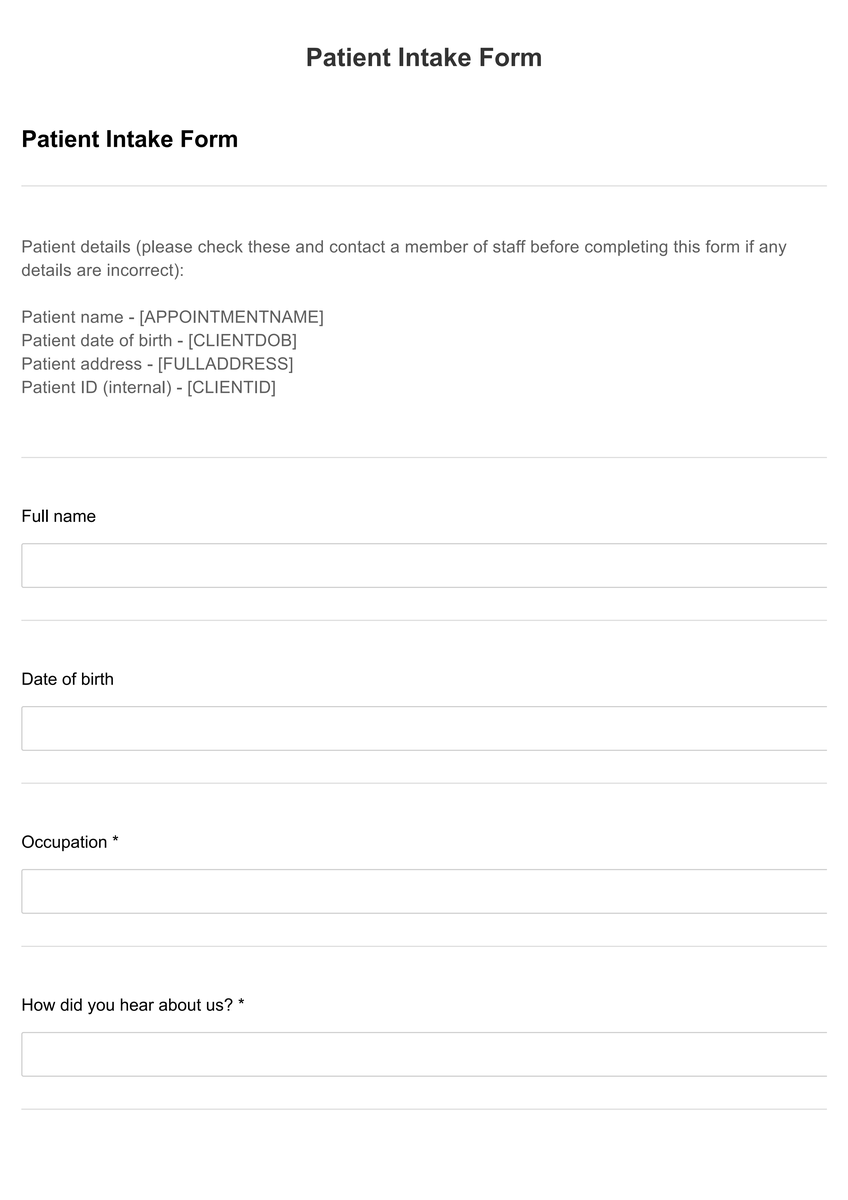
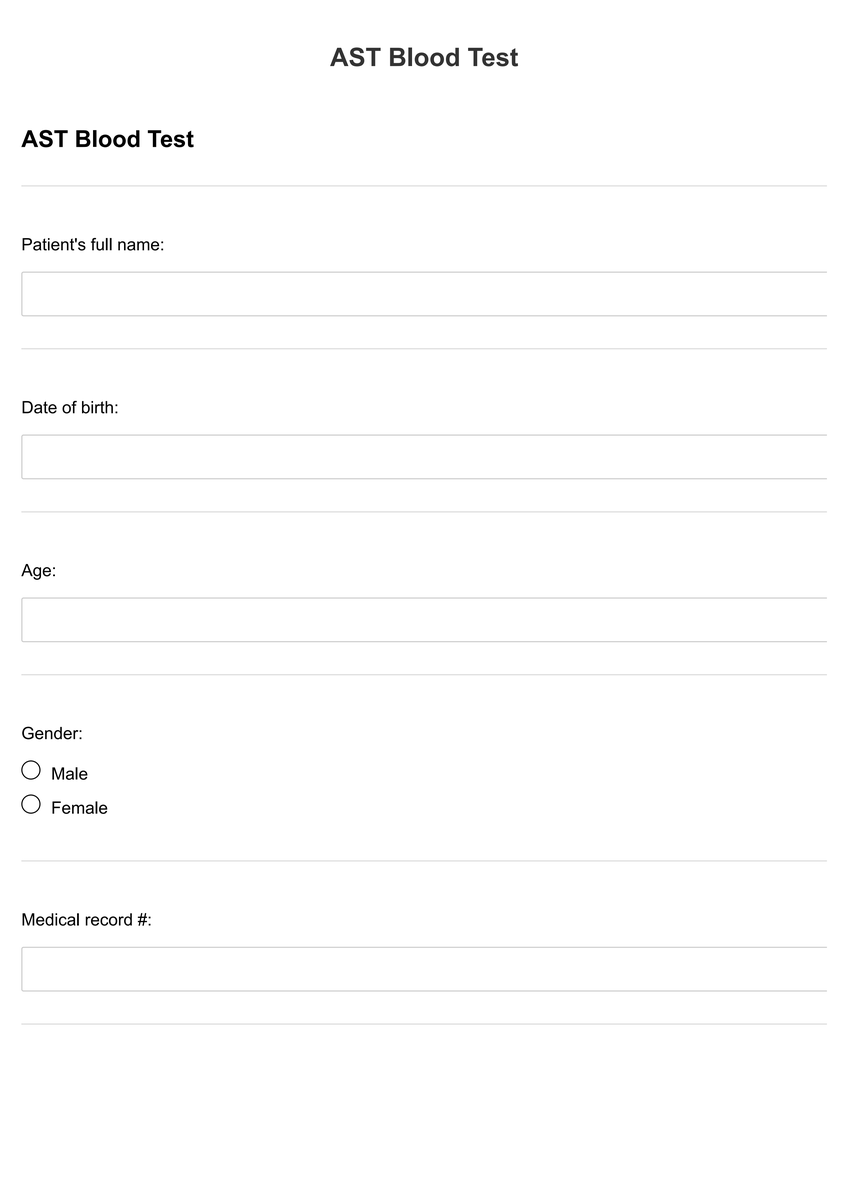
First access the GP intake form PDF document by downloading it from Pabau below. The form is available as a fillable PDF that can be completed electronically or printed for handwritten completion. Ensure you have the most current version of the form to guarantee all necessary fields and requirements are included. The downloadable format allows for easy distribution to patients via email or through patient portals, making the registration process convenient and accessible.
Begin by completing the personal information section, including full name, date of birth, address, contact details, and emergency contact information. Patients should provide accurate insurance details and preferred communication methods. This demographic information ensures proper identification and enables effective communication throughout their care journey.
Complete the comprehensive medical history section, detailing past illnesses, surgeries, hospitalisations, and chronic conditions. Include information about family medical history, particularly hereditary conditions that may influence current health risks. Document any previous diagnostic tests, specialist consultations, and ongoing treatments to provide a complete clinical picture.
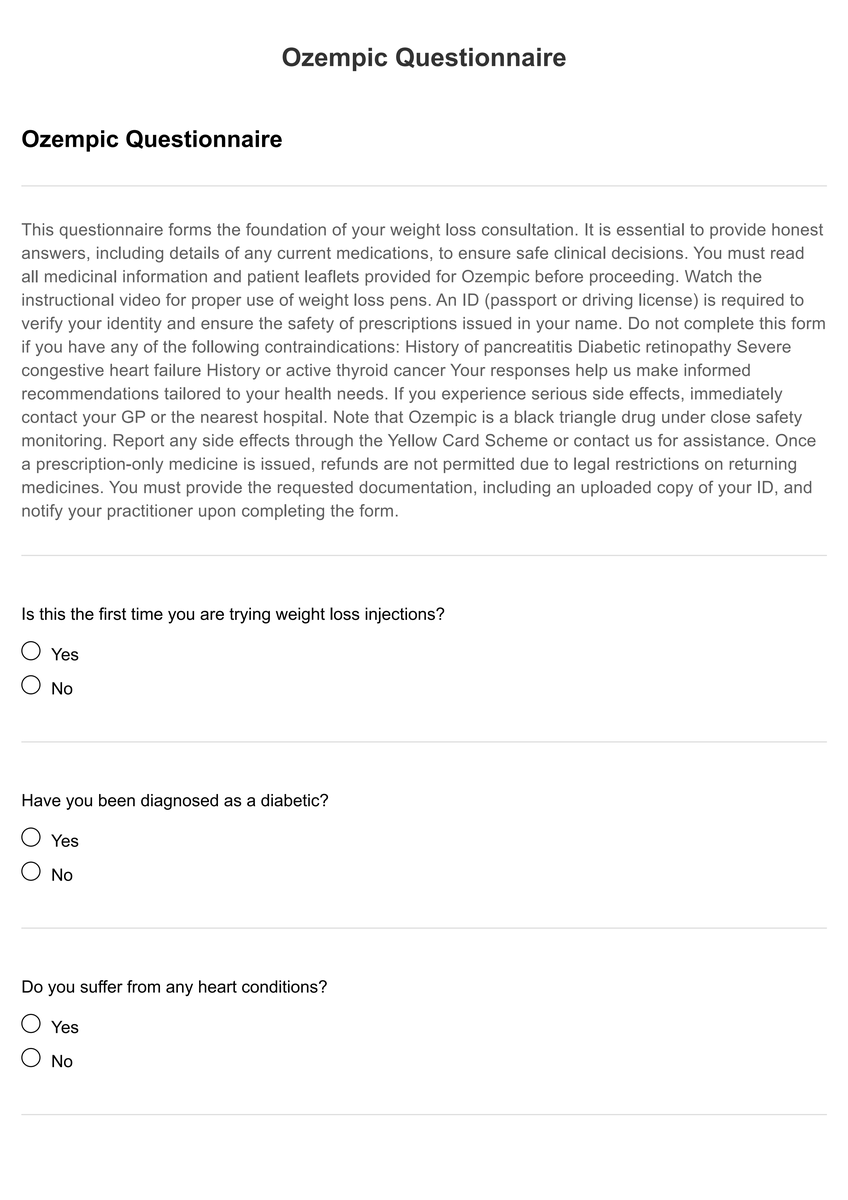
List all current medications, including prescription drugs, over-the-counter medications, supplements, and herbal remedies. Specify dosages and frequency where possible. Document all known allergies, including drug allergies, environmental sensitivities, and food intolerances, noting the type and severity of reactions experienced.
Describe current symptoms, health concerns, or reasons for seeking medical attention. Include the duration, severity, and any factors that worsen or improve symptoms. This section helps healthcare providers understand immediate health needs and prioritise care appropriately.
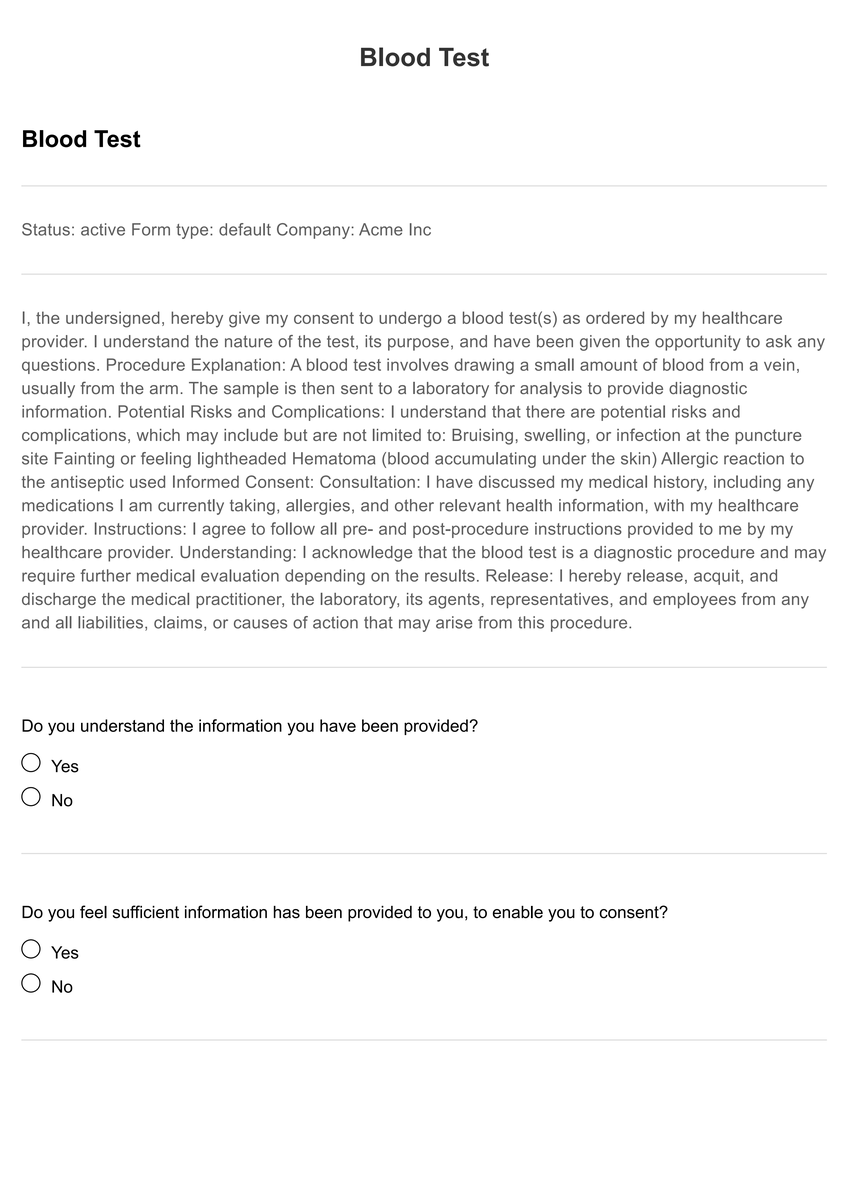
Carefully review all completed sections for accuracy and completeness. Sign and date the form where required, acknowledging consent for treatment and information sharing as outlined in practice policies. Submit the completed form according to the practice's preferred method, whether electronically, by post, or in person before the scheduled appointment.
GP intake forms are invaluable for general practice clinics, private healthcare providers, and multi-disciplinary medical centres seeking to streamline patient registration processes. These forms particularly benefit practices with high patient volumes, as they enable efficient data collection and reduce consultation time spent on administrative tasks.
New patients benefit significantly from structured intake forms, as they ensure all relevant health information is communicated clearly to their healthcare provider. Patients with complex medical histories find these forms especially useful for organising and presenting their health information comprehensively. In addition, patients who may feel anxious about medical appointments can complete forms in advance, reducing stress during their visit.
Healthcare providers across various specialties utilise intake forms to gather baseline information before consultations. Practice managers and administrative staff rely on these forms to maintain accurate patient records and ensure compliance with healthcare documentation requirements.
The implementation of GP intake forms significantly improves practice efficiency whilst enhancing patient care quality. By establishing comprehensive patient profiles before consultations, healthcare providers can focus on clinical assessment and treatment planning rather than basic information gathering, ultimately leading to more productive and meaningful patient interactions.
GP intake forms must comply with data protection regulations, including GDPR requirements for patient information handling and storage. Healthcare providers should ensure forms include appropriate consent clauses for data processing and sharing with relevant healthcare professionals. Regular review of intake forms ensures they remain current with changing healthcare regulations and clinical best practices.
Patient confidentiality must be maintained throughout the intake process, with secure storage and transmission of completed forms. Practices should establish clear policies regarding form retention periods and disposal procedures in accordance with healthcare record-keeping requirements.
Contemporary healthcare practices increasingly integrate digital intake forms with electronic health records and practice management systems. This integration eliminates duplicate data entry whilst ensuring seamless information flow between administrative and clinical systems. Digital forms can include automated validation features that prompt patients to complete missing fields and flag potential medication interactions or allergies.
Mobile-friendly intake forms accommodate modern patient preferences for digital interactions, allowing completion on smartphones or tablets. Electronic submission enables immediate availability of patient information to healthcare providers, supporting more efficient appointment scheduling and clinical preparation processes.