CLIENT INTAKE FORM AND MEDICAL HISTORY
 By Teodor Jurkovski on January 12, 2026
 Fact checked by: Teodor Jurukovski

Discover free eBooks, guides and med spa templates on our new resources page


Read case studies from our satisfied clients

Compare Pabau with alternative systems
 Integrations

 Measure Pabau savings
 Our security commitment
 About us

Learn why this holistic care and aesthetic medicine clinic chose Pabau to power patient care and performance.
Read more By Teodor Jurkovski on January 12, 2026
Fact checked by: Teodor Jurukovski
By Teodor Jurkovski on January 12, 2026
Fact checked by: Teodor Jurukovski
Comprehensive assessment captures complete medical history and current health status for informed treatment planning.
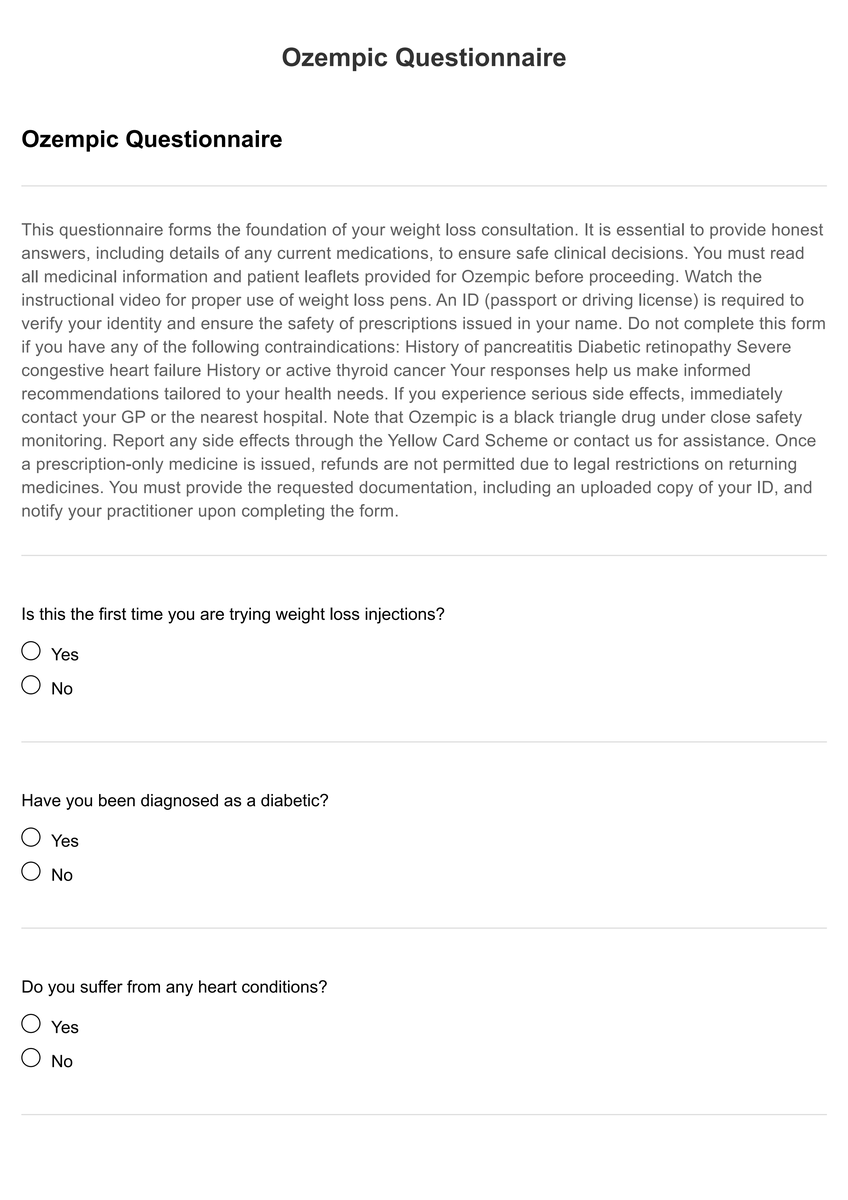
Safety screening identifies contraindications and risk factors before any medical or aesthetic procedures.
Legal documentation provides essential record-keeping for regulatory compliance and continuity of care.
Personalised care enables tailored treatment approaches based on individual patient needs and preferences.
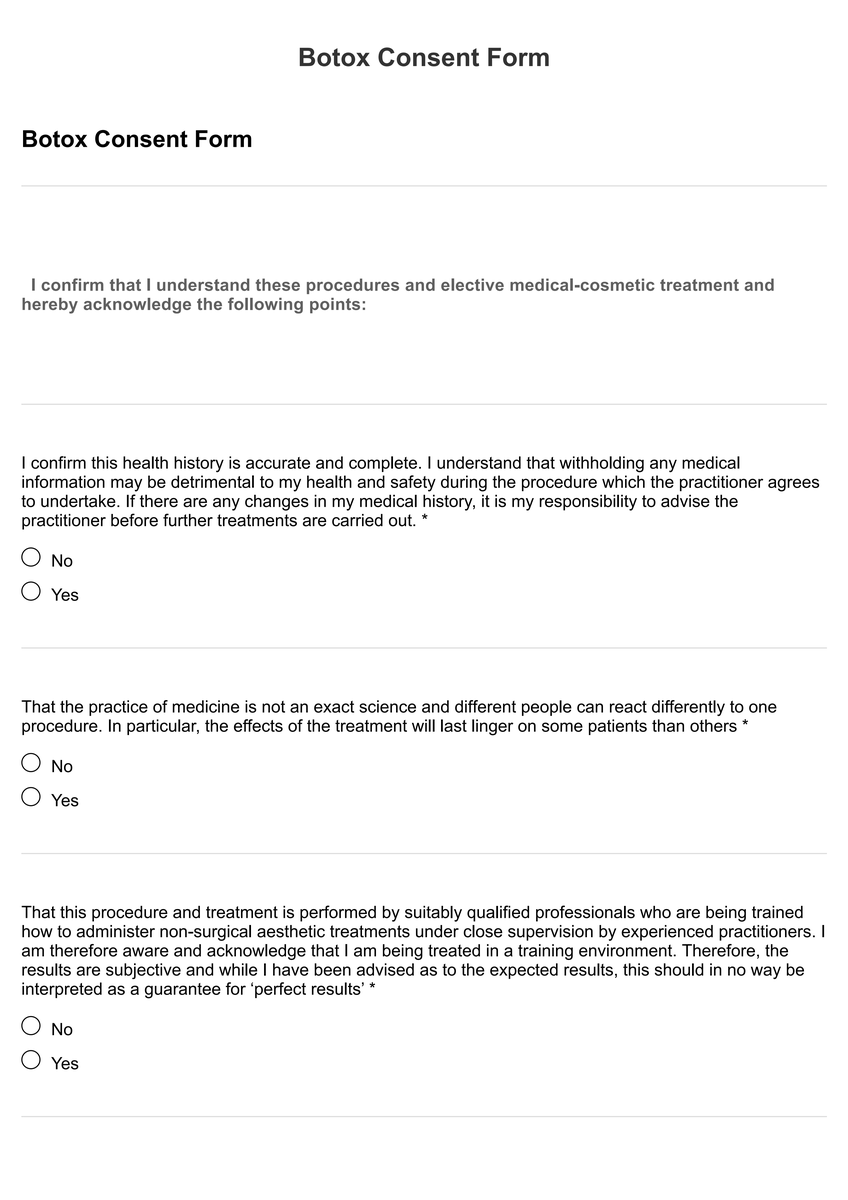
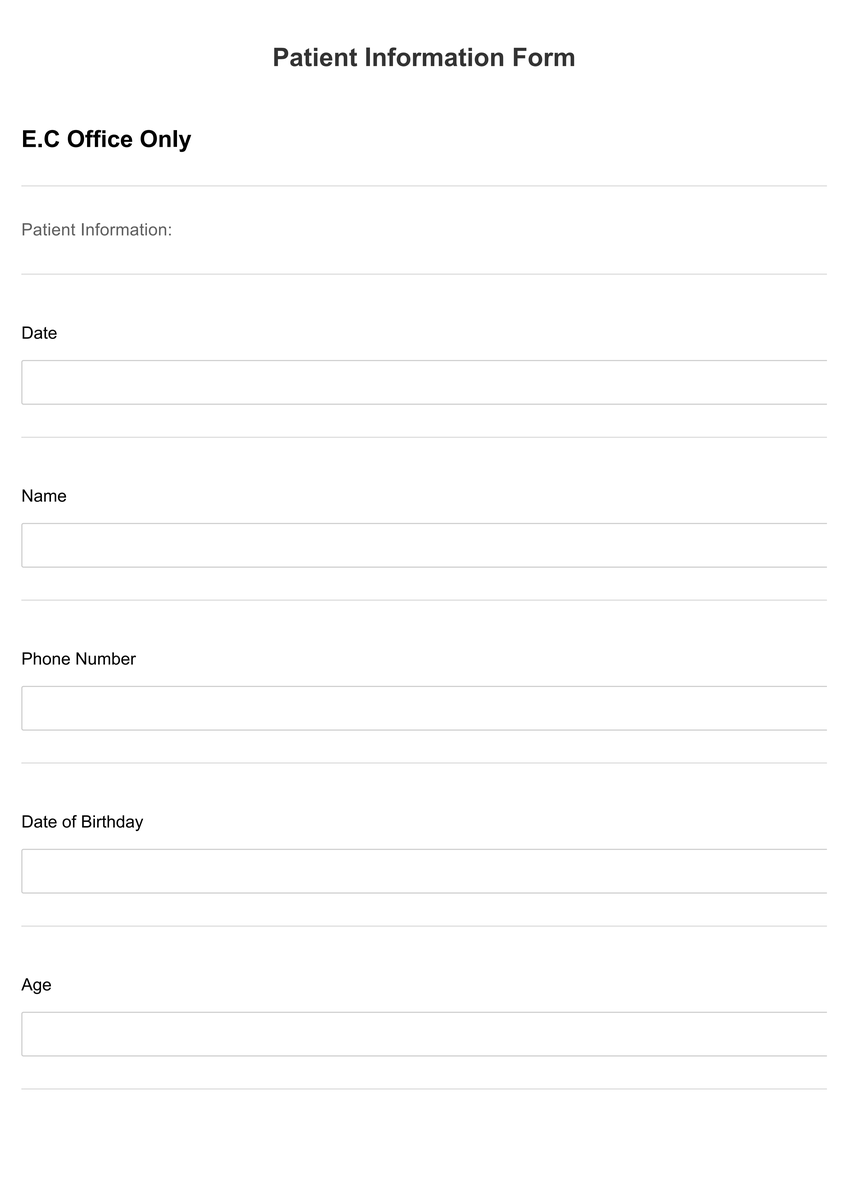
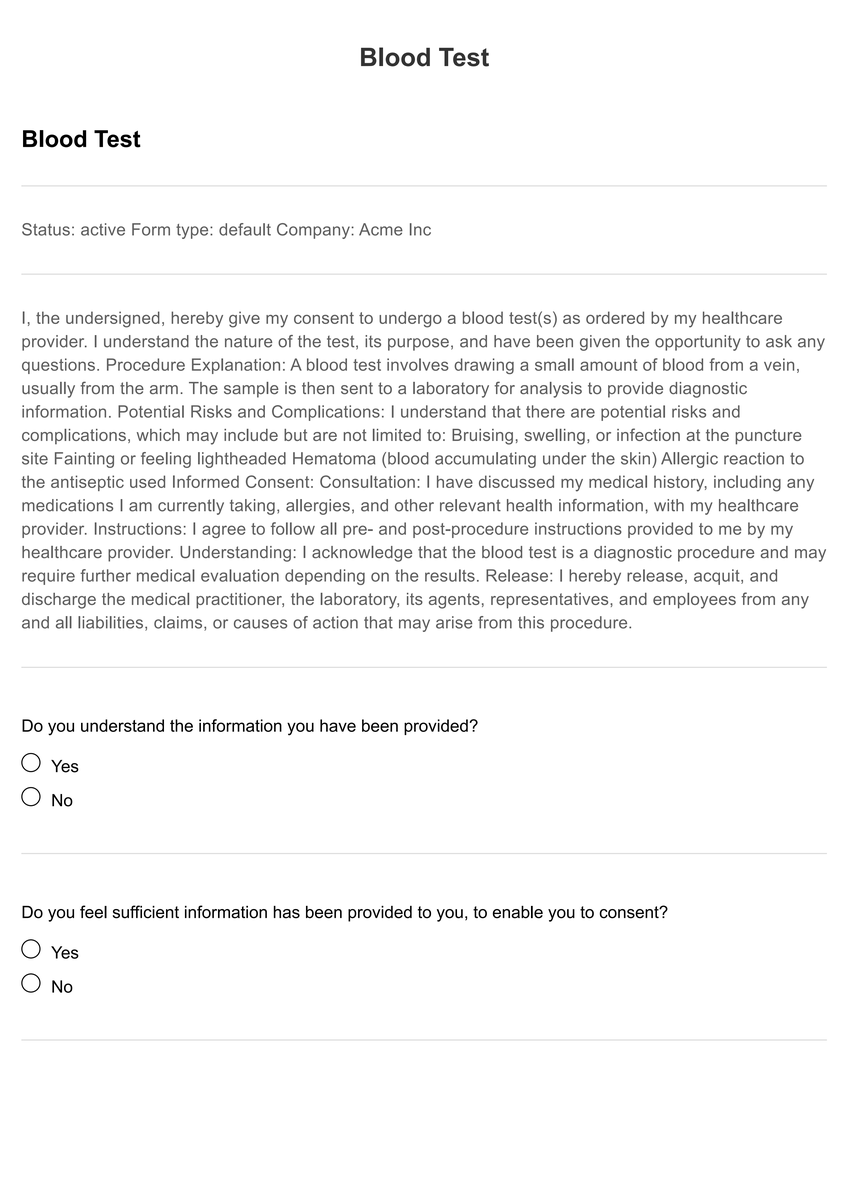
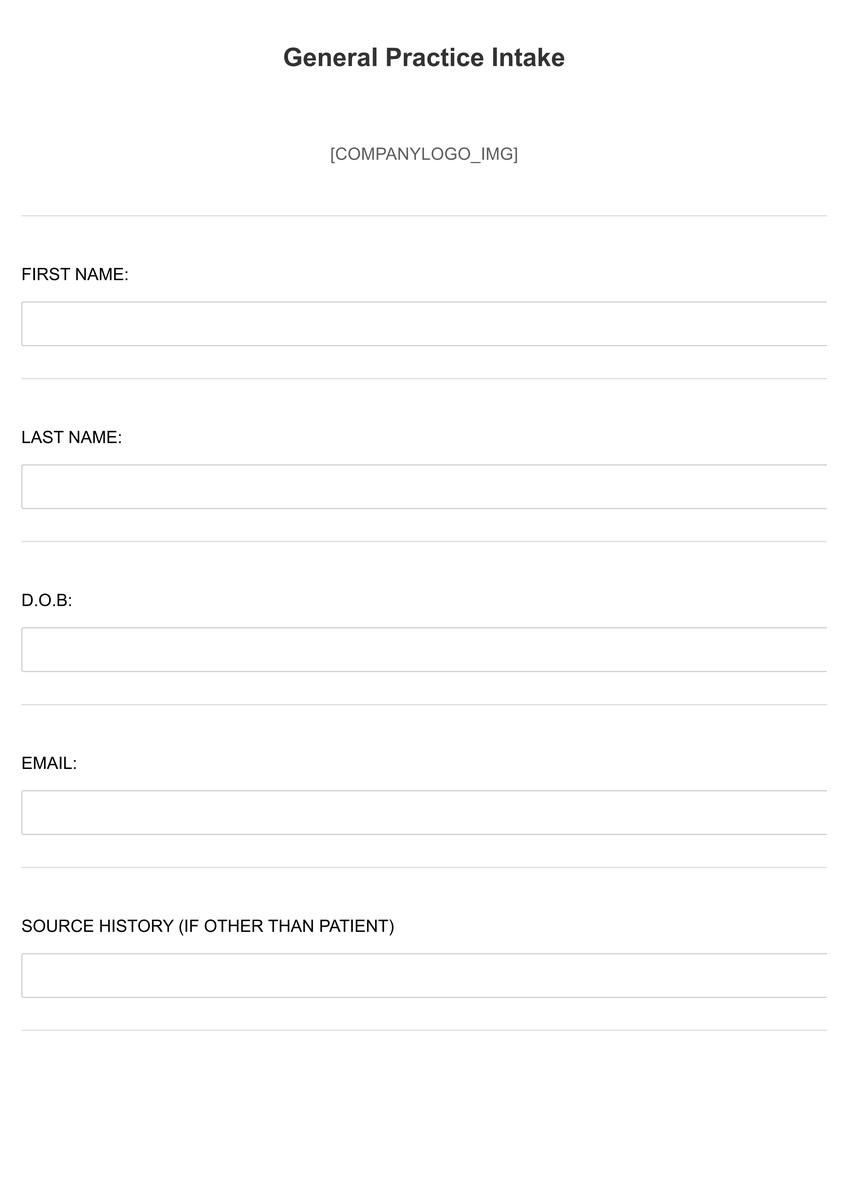
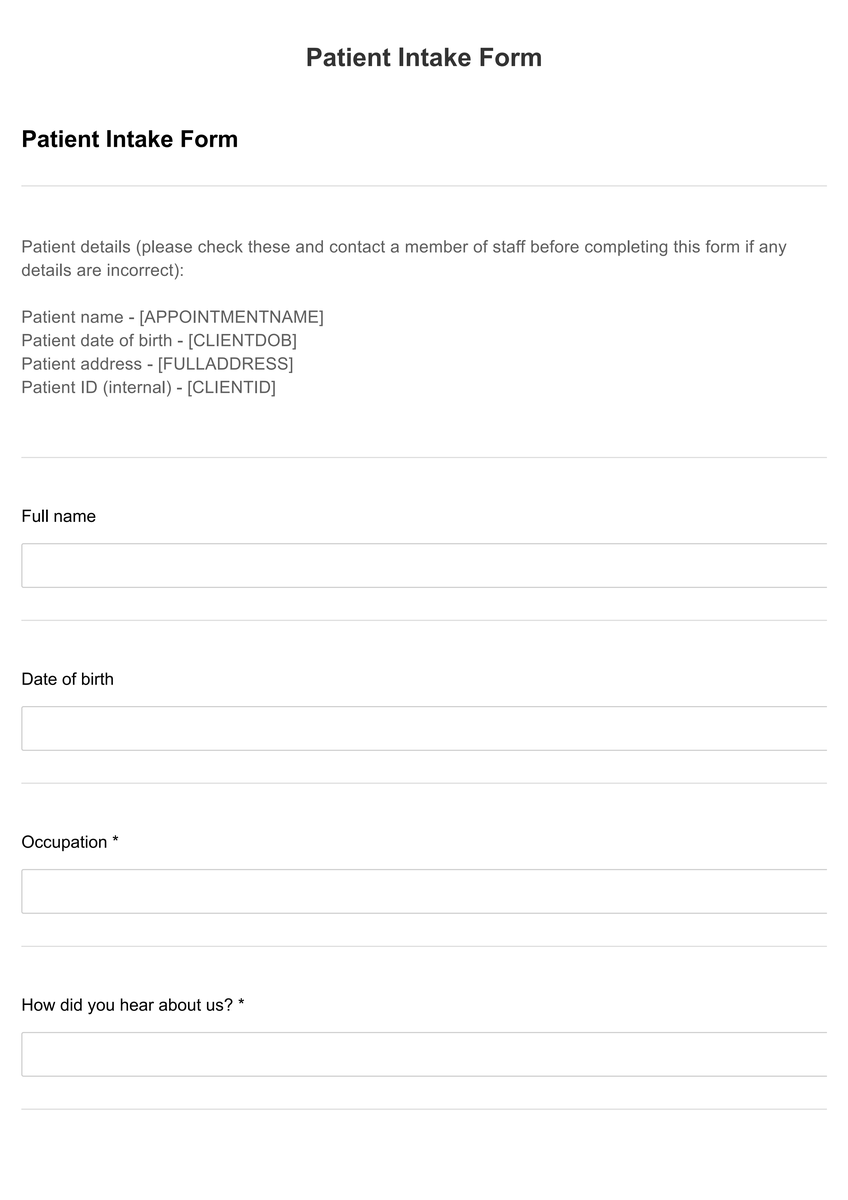
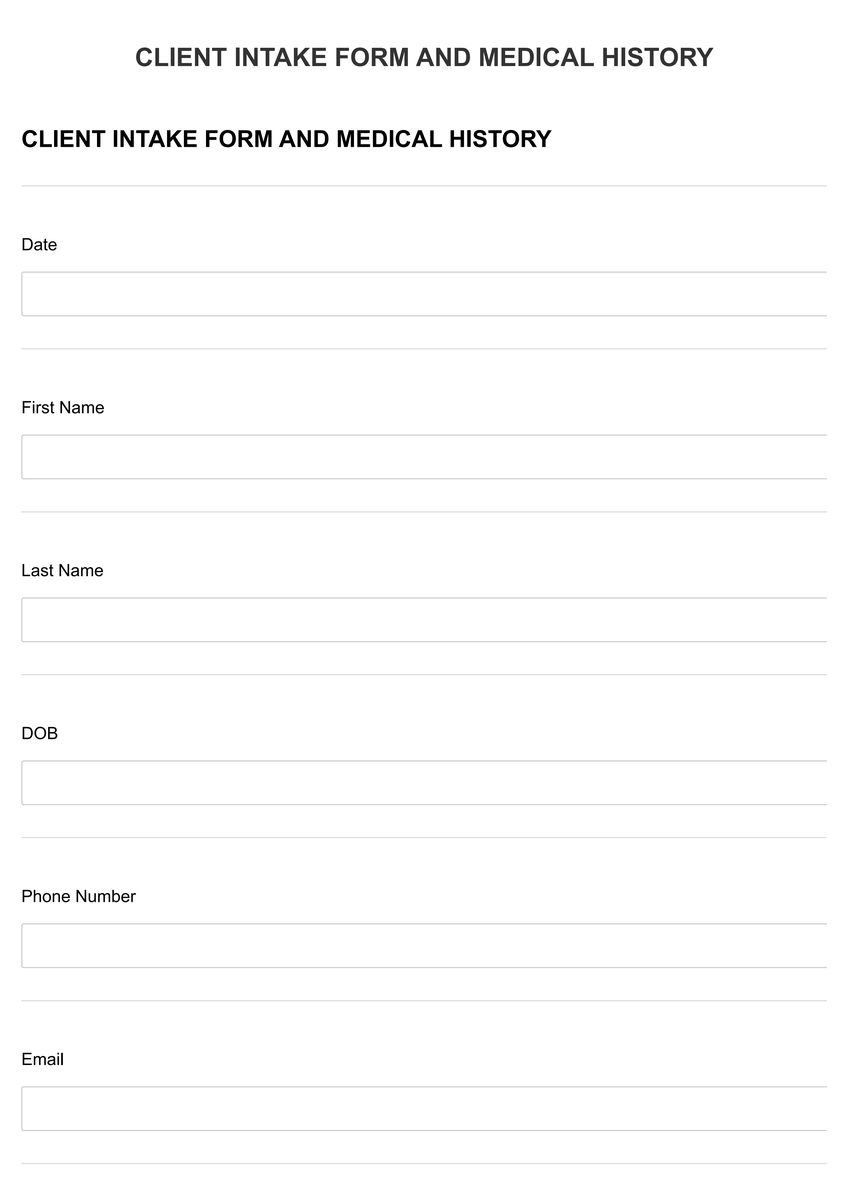
A client intake form and medical history is a comprehensive document that systematically collects vital information about new patients before their first appointment or treatment. This essential healthcare tool serves as the foundation for establishing a complete patient profile, encompassing personal details, medical background, current health status, medications, allergies, and treatment goals.
The form acts as a crucial screening mechanism that enables healthcare providers to identify potential contraindications, assess treatment suitability, and develop personalised care plans. Furthermore, it establishes a legal record of the patient's health information at the time of initial consultation, which is essential for ongoing care documentation and regulatory compliance.
First access client intake form and medical history PDF document by downloading it from Pabau below. The form is available in a standardised format that can be printed for in-person completion or filled digitally using PDF editing software. Ensure you have the most current version to maintain consistency with regulatory requirements and clinical best practices.
Provide the form to new patients at least 24-48 hours before their scheduled appointment when possible. This allows sufficient time for thoughtful completion and reduces appointment delays. Send digitally via secure patient portals or email, or provide printed copies during registration for immediate completion in your waiting area.
Thoroughly review all completed sections before the patient consultation, paying particular attention to medical history, current medications, allergies, and previous treatments. Flag any concerning information that requires additional clarification or may impact treatment planning, such as blood-thinning medications or autoimmune conditions.
During the initial consultation, verify critical information with the patient and clarify any unclear responses. Ask specific follow-up questions about medical conditions, medications, or previous adverse reactions to treatments to ensure accuracy and completeness of the medical record.
File the completed form in the patient's secure medical record system, ensuring compliance with data protection regulations. Establish a protocol for regular updates to capture any changes in health status, medications, or treatment history during subsequent appointments.
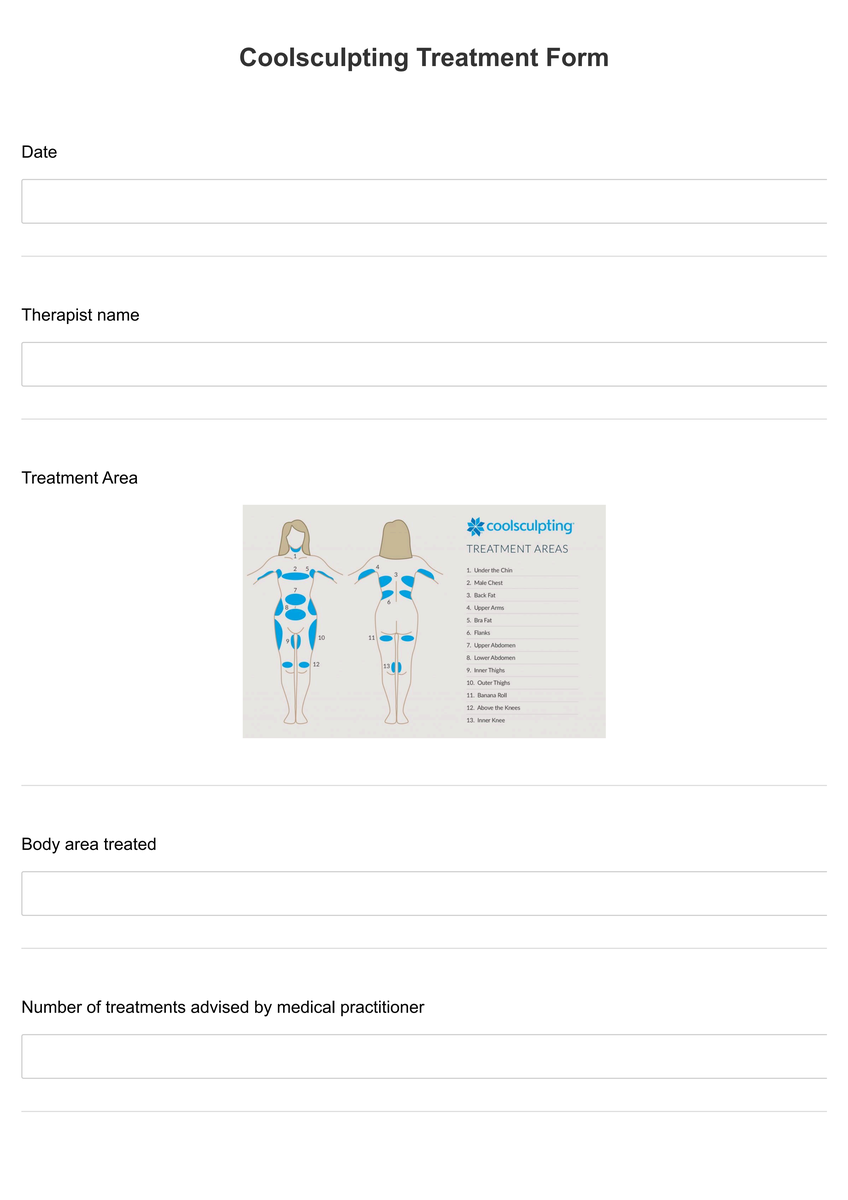
Client intake forms and medical history documentation are invaluable for healthcare practitioners across diverse medical and aesthetic specialties. General practitioners and specialists rely on these forms to establish comprehensive baseline health assessments, while aesthetic clinics and medspas use them to screen for contraindications before cosmetic procedures.
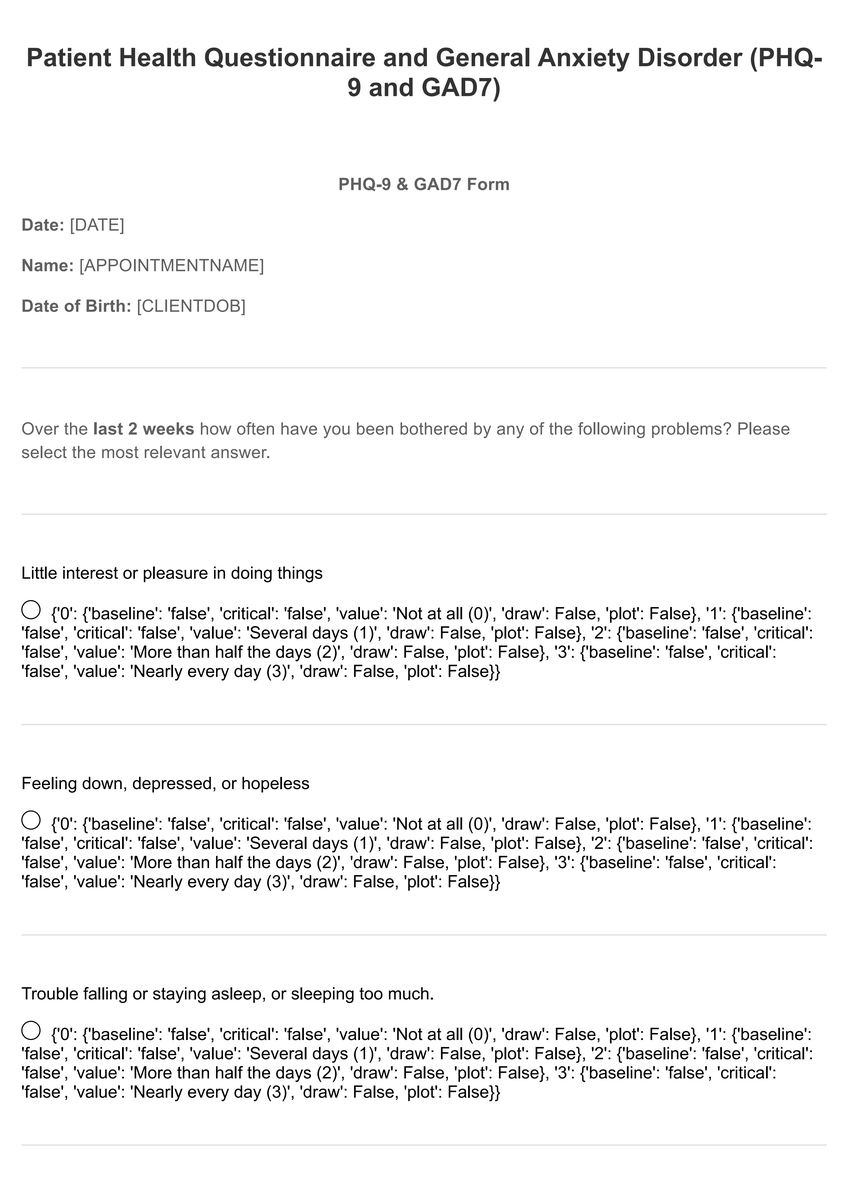
Mental health professionals benefit from detailed intake information to understand patient history and current concerns, whilst physical therapy and rehabilitation clinics use these forms to assess injury history and functional limitations. Private practice physicians find these forms essential for efficient appointment scheduling and treatment planning, as they provide crucial background information before patient encounters.
By implementing standardised client intake forms and medical history documentation, healthcare providers establish a professional framework that prioritises patient safety whilst optimising clinical efficiency. This systematic approach ensures that every patient receives appropriate, well-informed care tailored to their unique medical background and treatment objectives.
A well-designed client intake form and medical history should encompass several critical components to ensure comprehensive patient assessment. Personal demographics, emergency contact information, and insurance details form the administrative foundation, whilst detailed medical history sections capture chronic conditions, surgical history, and family medical background.
Current medications, including over-the-counter supplements and herbal remedies, require careful documentation alongside known allergies and adverse drug reactions. Treatment-specific sections should address relevant lifestyle factors, previous aesthetic or medical procedures, and realistic expectations for proposed treatments.
Healthcare practices must consider the advantages and limitations of digital versus paper-based intake systems when implementing client intake forms and medical history documentation. Digital systems offer enhanced security, automatic data integration, and environmental benefits, whilst reducing storage requirements and enabling remote completion.
However, paper-based systems may be more accessible for certain patient populations and provide backup options during technical difficulties. Many practices adopt hybrid approaches, offering both digital and paper options to accommodate diverse patient preferences whilst maintaining consistent data collection standards across all platforms.