Key Takeaways
Legal Protection Proper consent documentation protects both practitioners and patients by establishing clear treatment expectations.
Risk Management The form comprehensively outlines potential complications and contraindications for dermal filler treatments.
Patient Education Detailed information helps patients make informed decisions about their aesthetic treatment journey.
Professional Standards Using standardised consent forms demonstrates adherence to medical best practices and regulatory requirements.
The dermal filler consent form serves as a crucial communication tool between practitioners and patients, establishing a foundation of trust and transparency before aesthetic treatments commence. This document ensures that patients receive comprehensive information about their chosen procedure whilst providing practitioners with necessary legal protection and documentation of informed consent.
What is a Dermal Filler Consent Form?
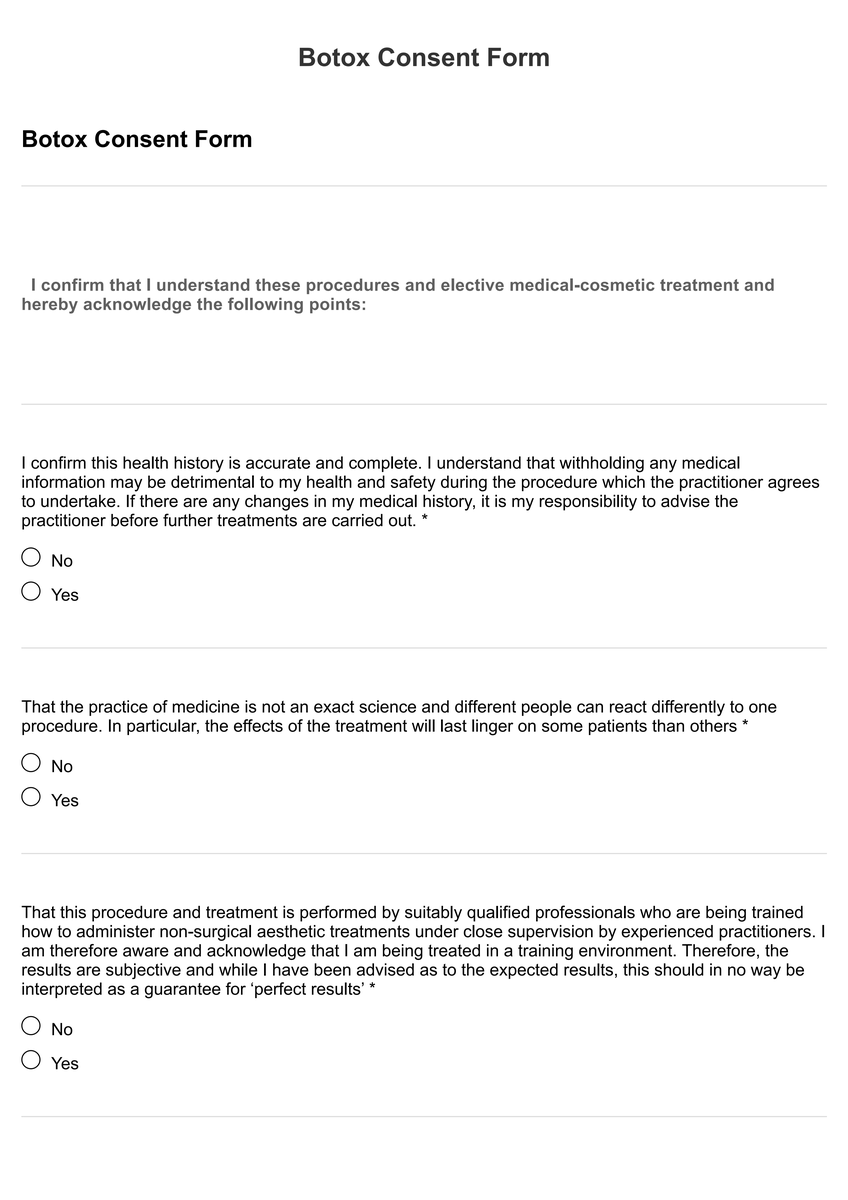
A dermal filler consent form is a detailed medical document that patients must review and sign before receiving dermal filler treatments. This comprehensive form explains the procedure, outlines potential risks and benefits, discusses alternative treatments, and confirms that the patient understands all aspects of their chosen treatment. The form serves multiple purposes: protecting practitioners from legal liability, ensuring patients make informed decisions, and maintaining professional standards within aesthetic medicine.
The document covers essential elements including patient medical history, treatment goals, contraindications, potential complications, aftercare instructions, and emergency contact procedures. Furthermore, it establishes clear communication channels between the practitioner and patient, ensuring all questions and concerns are addressed before treatment begins.
How to use Dermal Filler Consent Form?
Step 1: Download the Template
First access the dermal filler consent form PDF document by downloading it from Pabau below. The template provides a comprehensive framework that can be customised to match your clinic's specific requirements and treatment protocols. Ensure you save the document in an easily accessible location for future patient consultations.
Step 2: Schedule Patient Consultation
Arrange a thorough consultation appointment with your patient well in advance of their treatment date. This allows sufficient time for discussion, consideration, and any necessary follow-up questions. During this consultation, review the patient's medical history, aesthetic goals, and suitability for dermal filler treatment.
Step 3: Review Form Content
Present the consent form to your patient and methodically review each section together. Explain medical terminology in plain language, discuss potential risks and benefits, and ensure the patient understands all aspects of the proposed treatment. Address any questions or concerns thoroughly before proceeding.
Step 4: Complete Patient Information
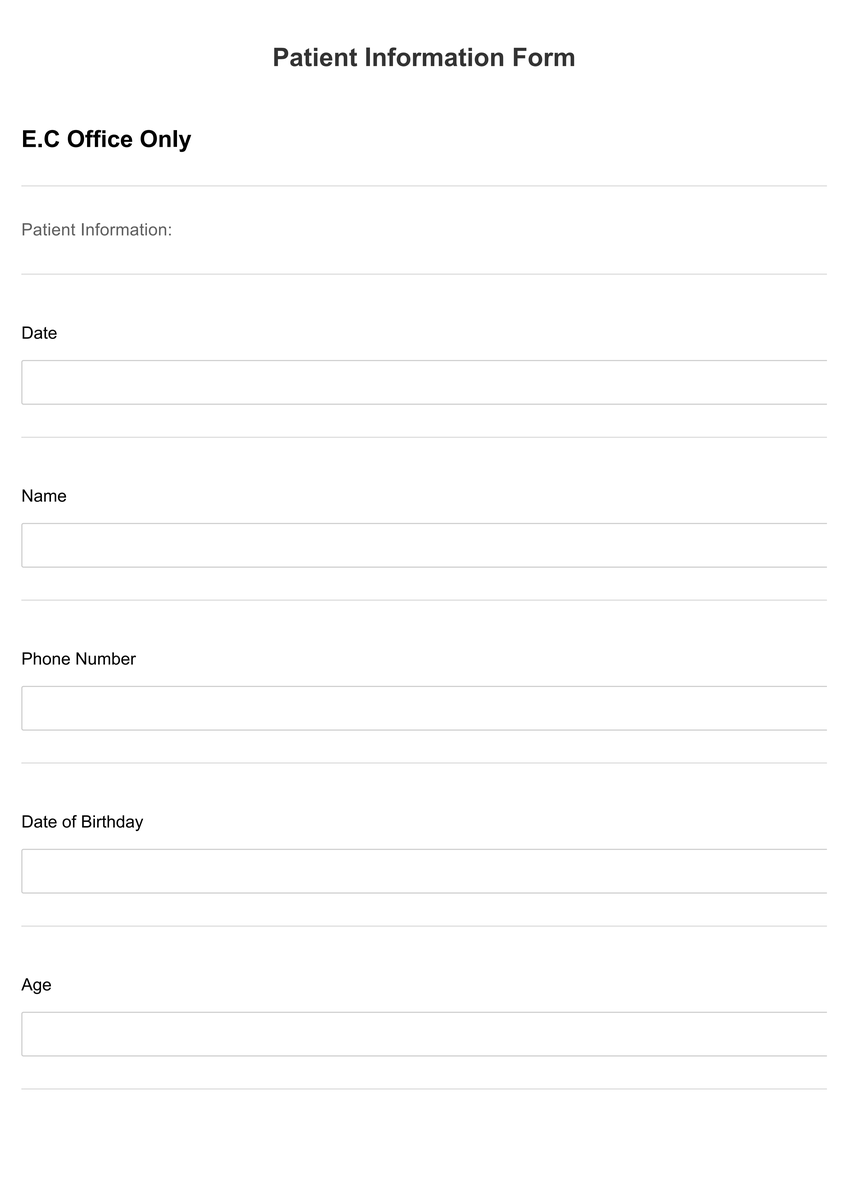
Work with your patient to complete all required sections of the form, including personal details, medical history, current medications, and specific treatment areas. Ensure all information is accurate and comprehensive, as this forms the basis of your treatment planning and risk assessment.
Step 5: Obtain Written Consent
Once all information has been reviewed and understood, have the patient sign and date the consent form. As the practitioner, you should also sign to confirm that informed consent has been obtained. Store the completed form securely in the patient's medical records for future reference.
Who is it helpful for?
The dermal filler consent form proves invaluable for aesthetic practitioners working across various healthcare settings. Cosmetic surgeons, dermatologists, nurse practitioners, and aesthetic physicians all benefit from using standardised consent documentation to maintain professional standards and protect their practices. Additionally, clinic managers and healthcare administrators find these forms essential for ensuring compliance with regulatory requirements and maintaining comprehensive patient records.
Patients themselves gain significant value from thorough consent processes, as the form provides them with detailed information about their treatment, helping them make informed decisions about their aesthetic journey. The document serves as a reference point for post-treatment care and establishes clear expectations for treatment outcomes.
Benefits of using Dermal Filler Consent Form
• Legal protection for practitioners against potential malpractice claims
• Enhanced patient safety through comprehensive risk assessment and documentation
• Improved treatment outcomes via clear communication of expectations
• Regulatory compliance with medical standards and professional guidelines
• Streamlined consultation process with standardised information delivery
Implementing structured consent processes demonstrates your commitment to patient safety and professional excellence. The thorough documentation provided by these forms creates a solid foundation for successful aesthetic treatments whilst maintaining the highest standards of medical practice and patient care.
Pre-Treatment Preparation Guidelines
Proper preparation before dermal filler treatment significantly impacts both safety and results. The consent form should outline specific pre-treatment instructions, including medication restrictions, lifestyle modifications, and skin preparation requirements. Patients need clear guidance on avoiding blood-thinning medications, alcohol consumption, and certain supplements that may increase bruising risk.
Additionally, the form should address scheduling considerations, such as avoiding treatment before important events and planning for potential downtime. This preparation phase ensures patients arrive for treatment in optimal condition whilst minimising the risk of complications or suboptimal results.
Emergency Procedures and Contact Information
Every dermal filler consent form must include comprehensive emergency procedures and clear contact information for urgent situations. This section should detail signs and symptoms that require immediate medical attention, such as signs of vascular occlusion, severe allergic reactions, or unusual swelling patterns. Patients need to understand when to contact their practitioner versus when to seek immediate emergency care.
The form should provide multiple contact methods, including after-hours emergency numbers and clear instructions for accessing urgent care. This preparation ensures patients know exactly how to respond to any complications, potentially preventing serious adverse outcomes through prompt intervention.
Dermal Filler - Consent Form