Facial Consent Form
 By Maja Muzhdeka on January 12, 2026
 Fact checked by: Teodor Jurukovski


Read case studies from our satisfied clients

Compare Pabau with alternative systems
 Integrations

 Measure Pabau savings
 Our security commitment
 About us
Learn why this holistic care and aesthetic medicine clinic chose Pabau to power patient care and performance.
Read more By Maja Muzhdeka on January 12, 2026
Fact checked by: Teodor Jurukovski
By Maja Muzhdeka on January 12, 2026
Fact checked by: Teodor Jurukovski
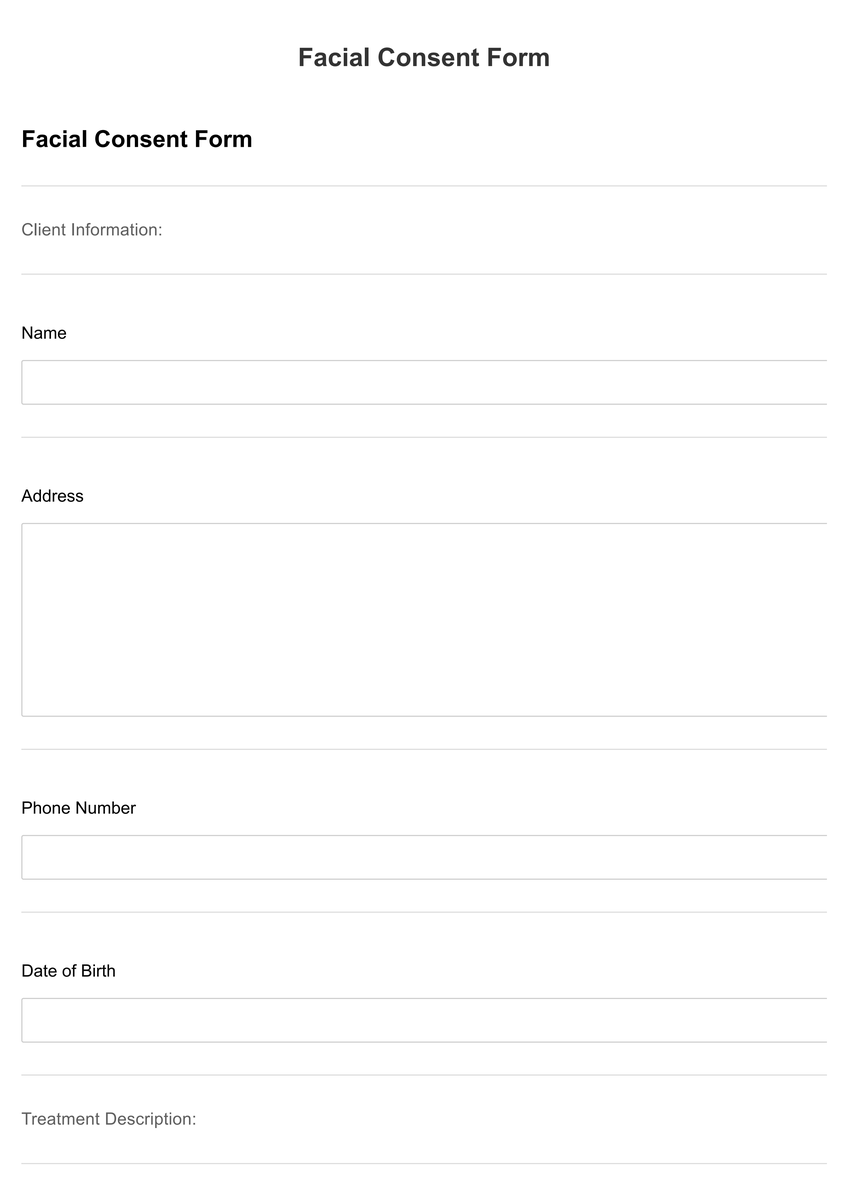
Legal Protection Facial consent forms provide essential documentation of informed consent, protecting both practitioners and patients in aesthetic procedures.
Risk Communication These forms ensure patients understand potential side effects, contraindications, and realistic treatment expectations before proceeding.
Treatment Documentation Comprehensive consent forms capture patient medical history, current medications, and specific treatment parameters for safe practice.
Professional Standards Using standardised consent forms demonstrates adherence to clinical governance requirements and professional regulatory guidelines.
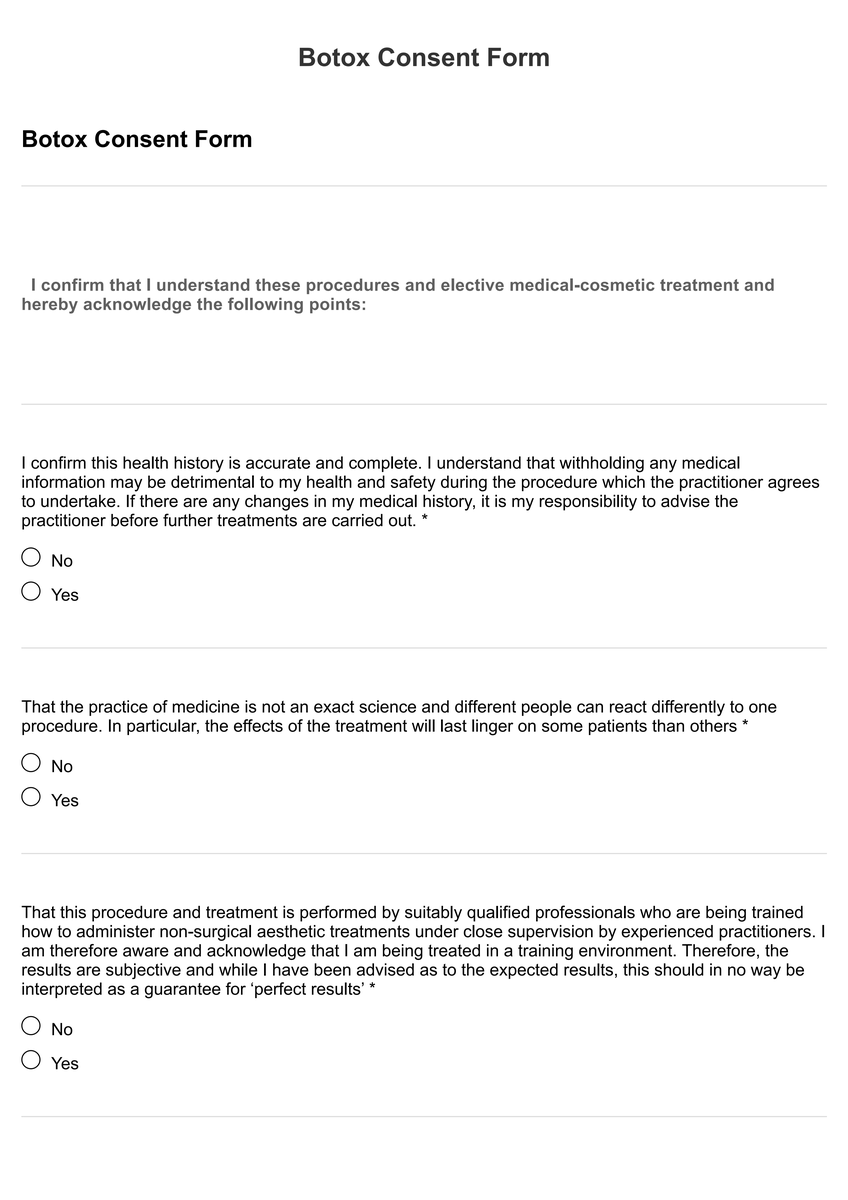
A facial consent form is a comprehensive legal document that establishes informed consent between aesthetic practitioners and patients before any facial treatment or procedure. This essential paperwork serves as both a communication tool and protective measure, ensuring patients fully understand the nature of their chosen treatment, associated risks, and realistic outcomes they can expect.
The form captures crucial information about the patient's medical history, current medications, skin conditions, and treatment goals. Furthermore, it documents the specific procedure being performed, the practitioner's qualifications, and any post-treatment care requirements. By signing this document, patients acknowledge they have received adequate information to make an informed decision about their treatment.
In addition to protecting both parties legally, facial consent forms serve as an important clinical record. They provide a structured framework for practitioners to assess suitability for treatment, identify potential contraindications, and establish clear expectations about results and recovery periods.
First access the facial consent form PDF document by downloading it from Pabau below. Once downloaded, you can either print physical copies for in-person consultations or use digital signature software if your clinic operates with electronic records. Ensure you save the template in an easily accessible location within your practice management system for quick retrieval during patient appointments.
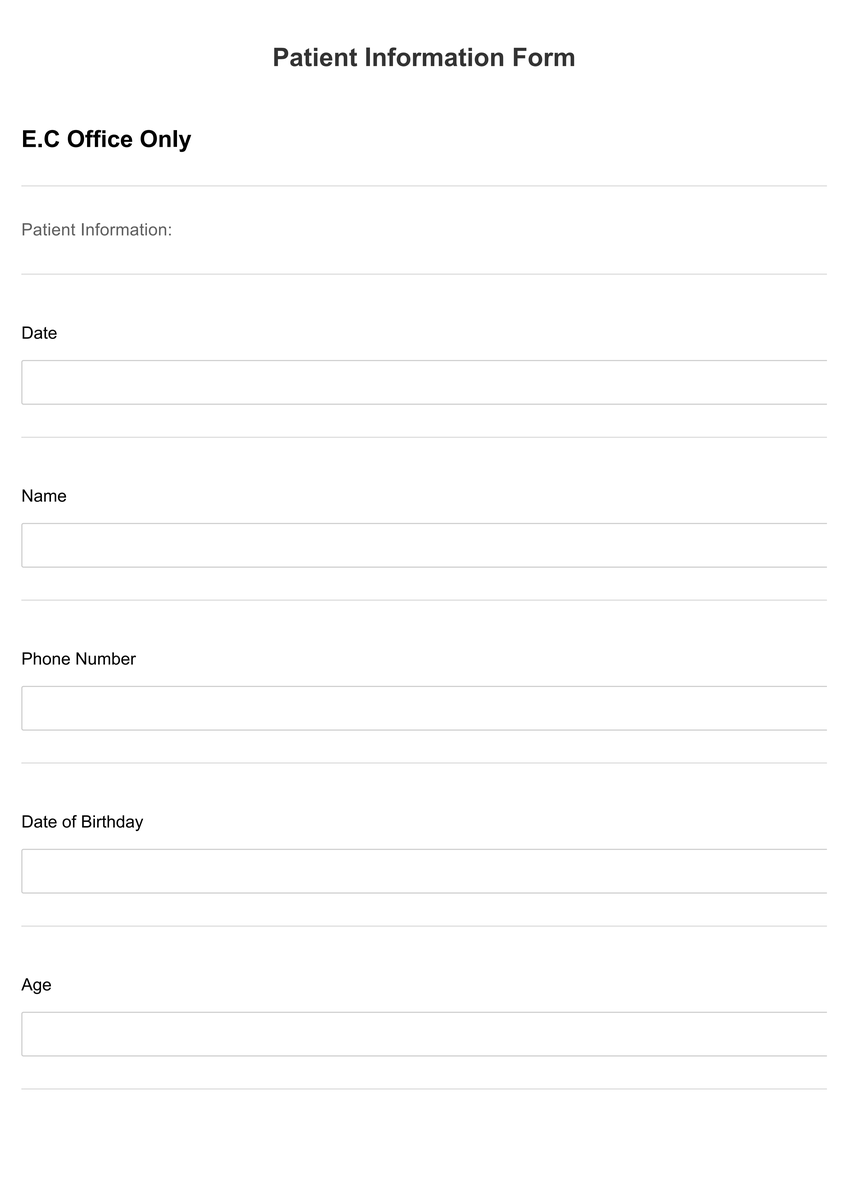
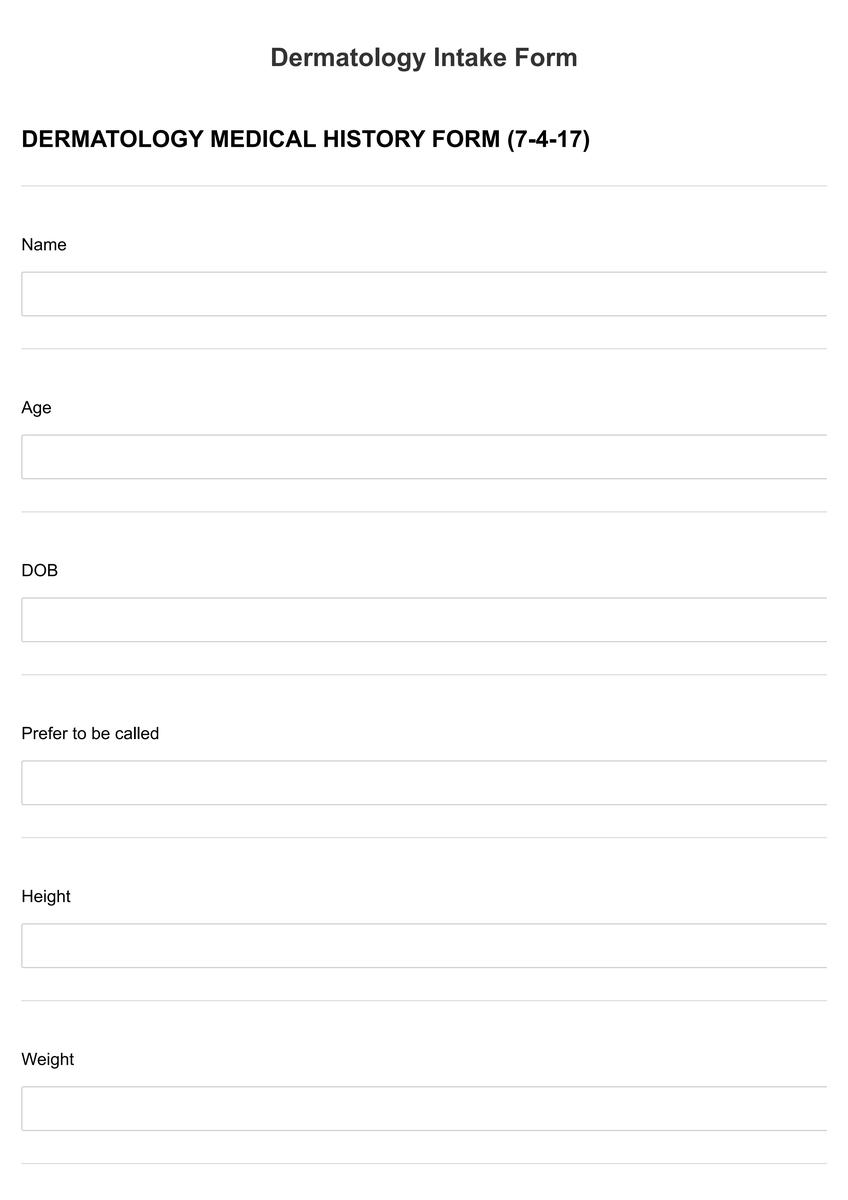
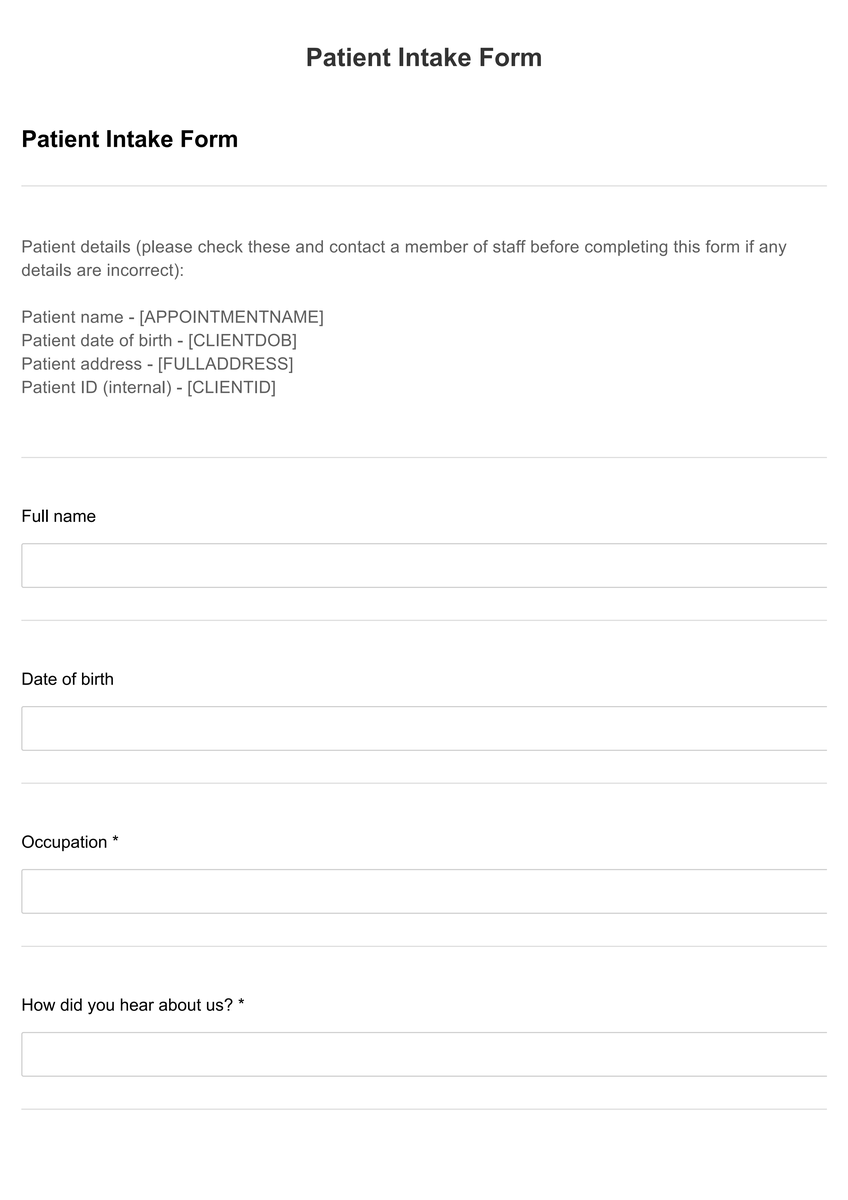
Begin the consultation by having your patient complete the personal information section, including full name, date of birth, contact details, and emergency contact information. Review their medical history thoroughly, paying particular attention to any skin conditions, allergies, previous aesthetic treatments, and current medications that might affect treatment outcomes or safety.
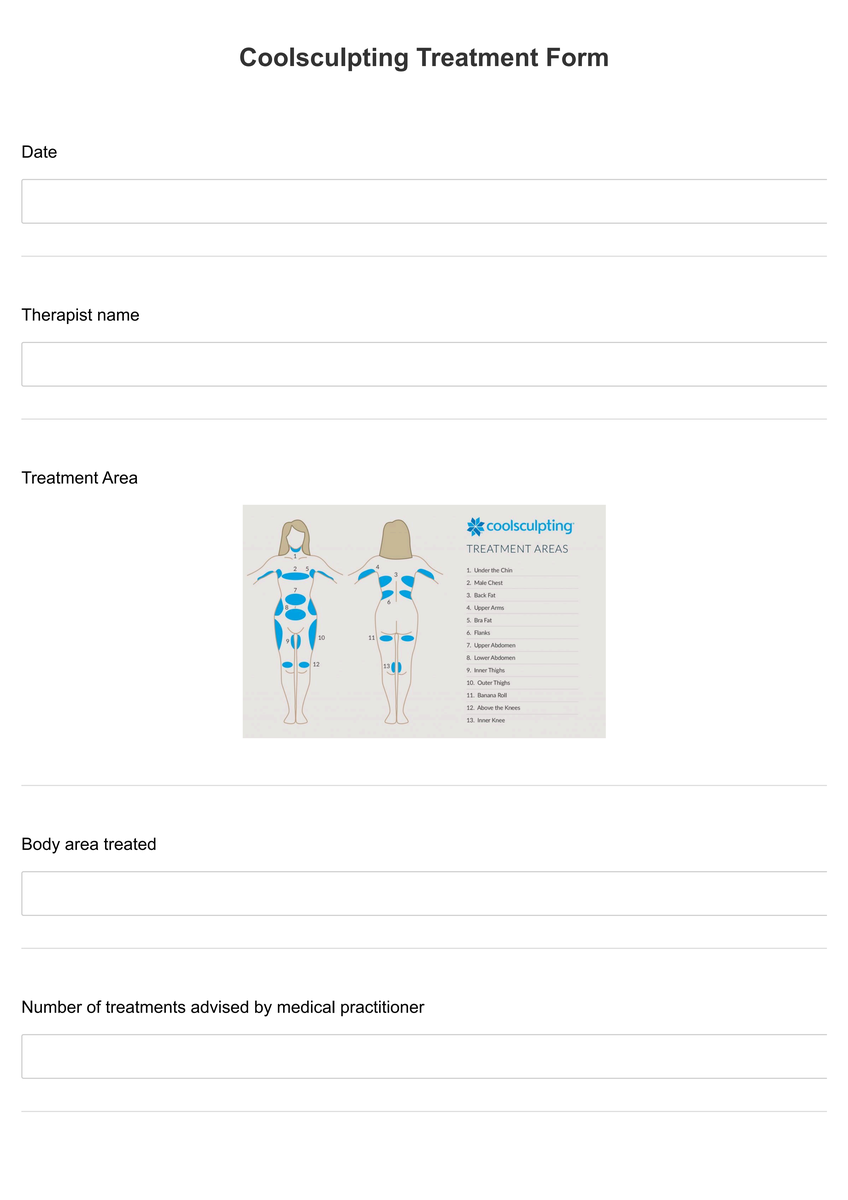
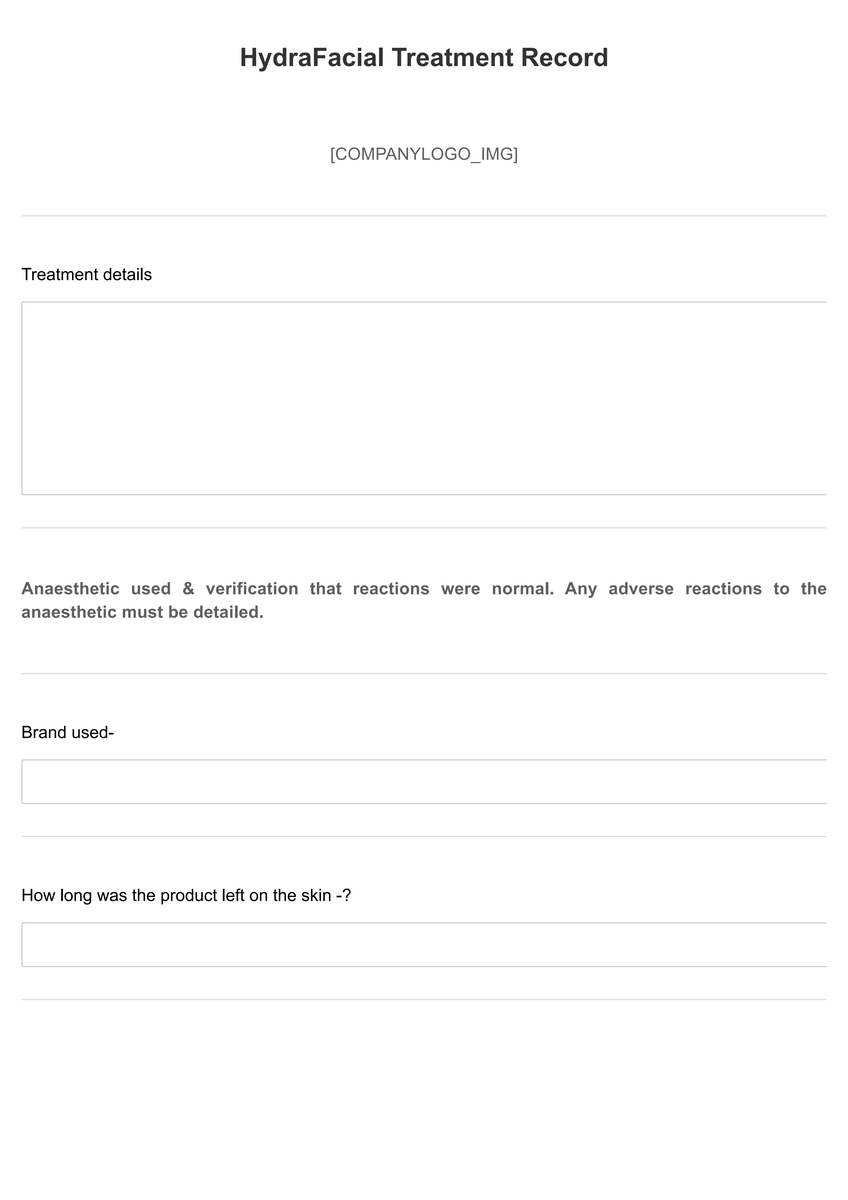
Explain the proposed facial treatment in detail, including the specific techniques or products to be used, expected duration, and number of sessions required. Document the treatment area precisely and discuss realistic expectations about results, including the timeline for visible improvements and any temporary side effects that may occur.
Thoroughly review all potential risks, side effects, and contraindications associated with the chosen facial treatment. Ensure your patient understands both common temporary effects such as redness or swelling, and rarer but more serious complications. Address any concerns or questions the patient may have about the procedure.
Once all sections are completed and the patient confirms their understanding, obtain signatures from both the patient and practitioner with dated entries. Provide the patient with a copy of the signed consent form and retain the original in their clinical records for future reference and legal compliance.
Facial consent forms are essential for all aesthetic practitioners offering facial treatments, including dermatologists, cosmetic doctors, nurse practitioners, and trained aestheticians. These professionals require comprehensive documentation to meet regulatory standards and maintain professional indemnity insurance coverage.
The forms are equally valuable for patients, as they provide a structured opportunity to ask questions, understand treatment implications, and make informed decisions about their aesthetic care. Patients with complex medical histories, those taking specific medications, or individuals undergoing multiple treatments particularly benefit from this detailed documentation process.
Practice managers and clinic owners also find these forms invaluable for maintaining clinical governance standards, ensuring consistent documentation across all practitioners, and reducing liability exposure. They serve as an important quality assurance tool that demonstrates adherence to professional standards and regulatory requirements.
These standardised forms ultimately elevate the quality of aesthetic practice by ensuring every treatment is delivered with appropriate safeguards, clear communication, and professional accountability. This systematic approach builds patient confidence whilst protecting practitioners from potential legal complications.
Facial consent forms should include detailed post-treatment care instructions that patients must acknowledge and agree to follow. This section outlines specific aftercare requirements such as sun protection measures, skincare product restrictions, and activity limitations that may apply following certain facial procedures.
The documentation should specify when patients can resume normal activities, use particular skincare products, or apply makeup. Clear guidance about signs that warrant immediate medical attention helps patients identify when to contact the clinic for urgent advice. This comprehensive approach to aftercare planning significantly reduces the risk of complications and ensures optimal treatment outcomes.
Modern facial consent forms must align with current healthcare regulations, professional body guidelines, and insurance requirements. They should demonstrate compliance with data protection laws whilst maintaining detailed clinical records that satisfy regulatory inspections and professional audits.
The forms serve as evidence of adherence to clinical governance frameworks, showing that practitioners follow established protocols for patient assessment, treatment planning, and risk management. This documentation becomes particularly important during professional registration renewals, insurance claims, or regulatory investigations, providing clear evidence of appropriate professional conduct and patient care standards.