Psychology Intake Form
 By Ivana Kotorchevikj on January 30, 2026
 Fact checked by: Teodor Jurukovski

Discover free eBooks, guides and med spa templates on our new resources page


Read case studies from our satisfied clients

Compare Pabau with alternative systems
 Integrations

 Measure Pabau savings
 Our security commitment
 About us

Learn why this holistic care and aesthetic medicine clinic chose Pabau to power patient care and performance.
Read more By Ivana Kotorchevikj on January 30, 2026
Fact checked by: Teodor Jurukovski
By Ivana Kotorchevikj on January 30, 2026
Fact checked by: Teodor Jurukovski
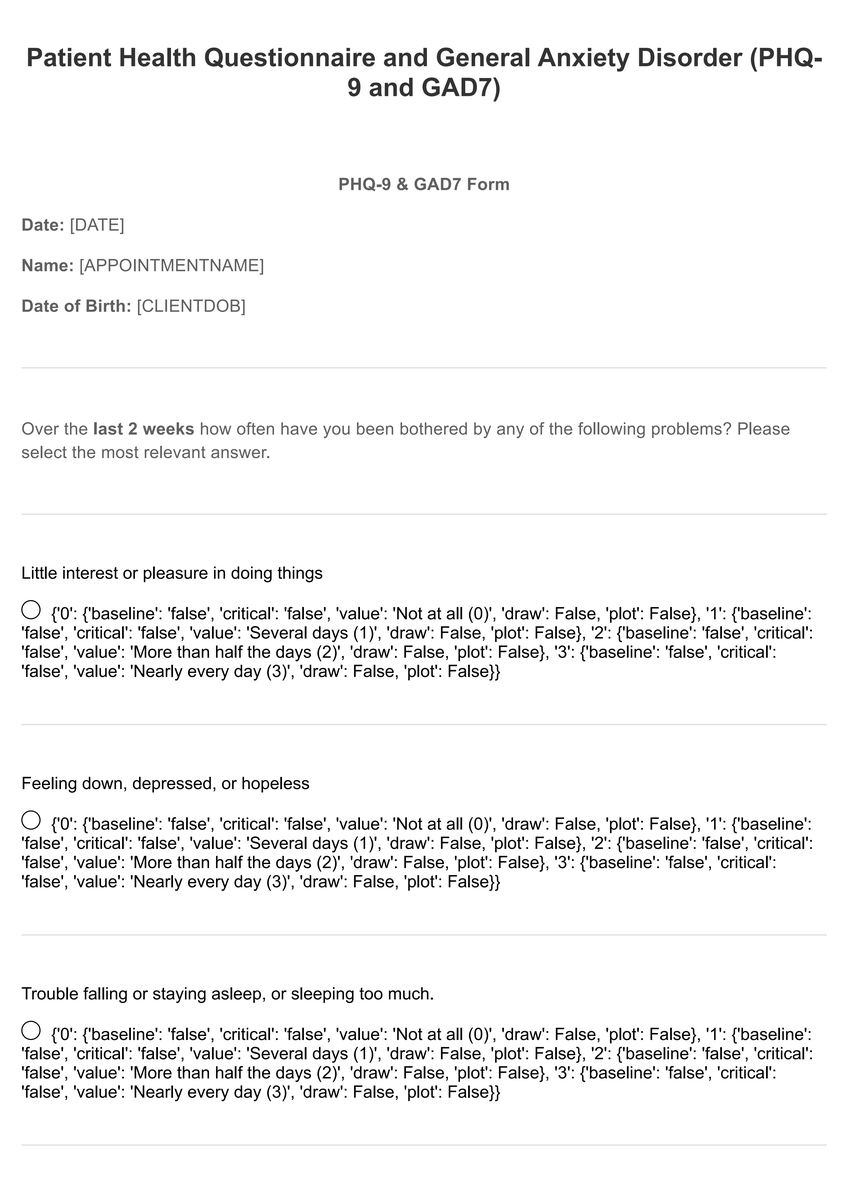
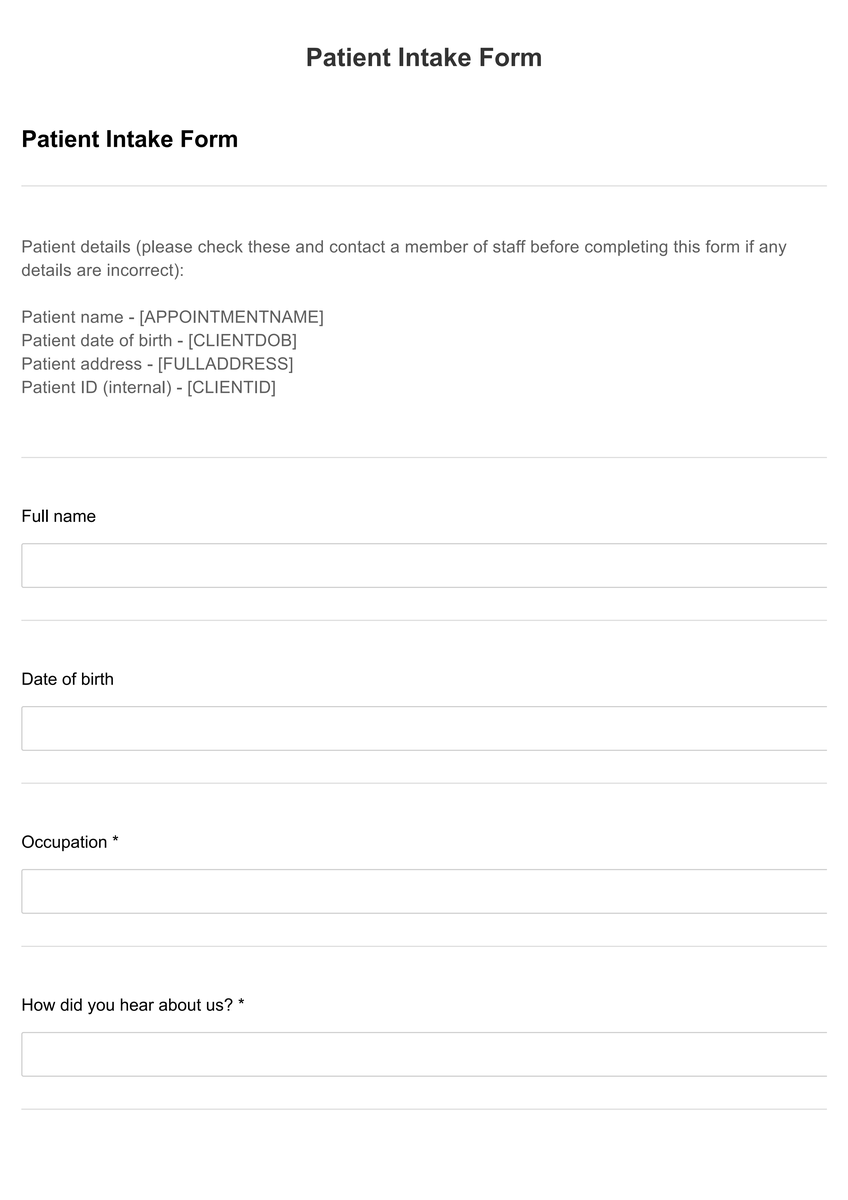
Comprehensive assessment Psychology intake forms gather crucial client information including mental health history, current symptoms, and personal circumstances before the first session.
Treatment planning Information collected enables psychologists to develop personalised, evidence-based treatment approaches tailored to each client's specific needs.
Efficient sessions Pre-session completion allows more time for therapeutic work rather than information gathering during valuable appointment time.
Clinical documentation Forms ensure consistent data collection and provide essential documentation for treatment records and clinical notes.
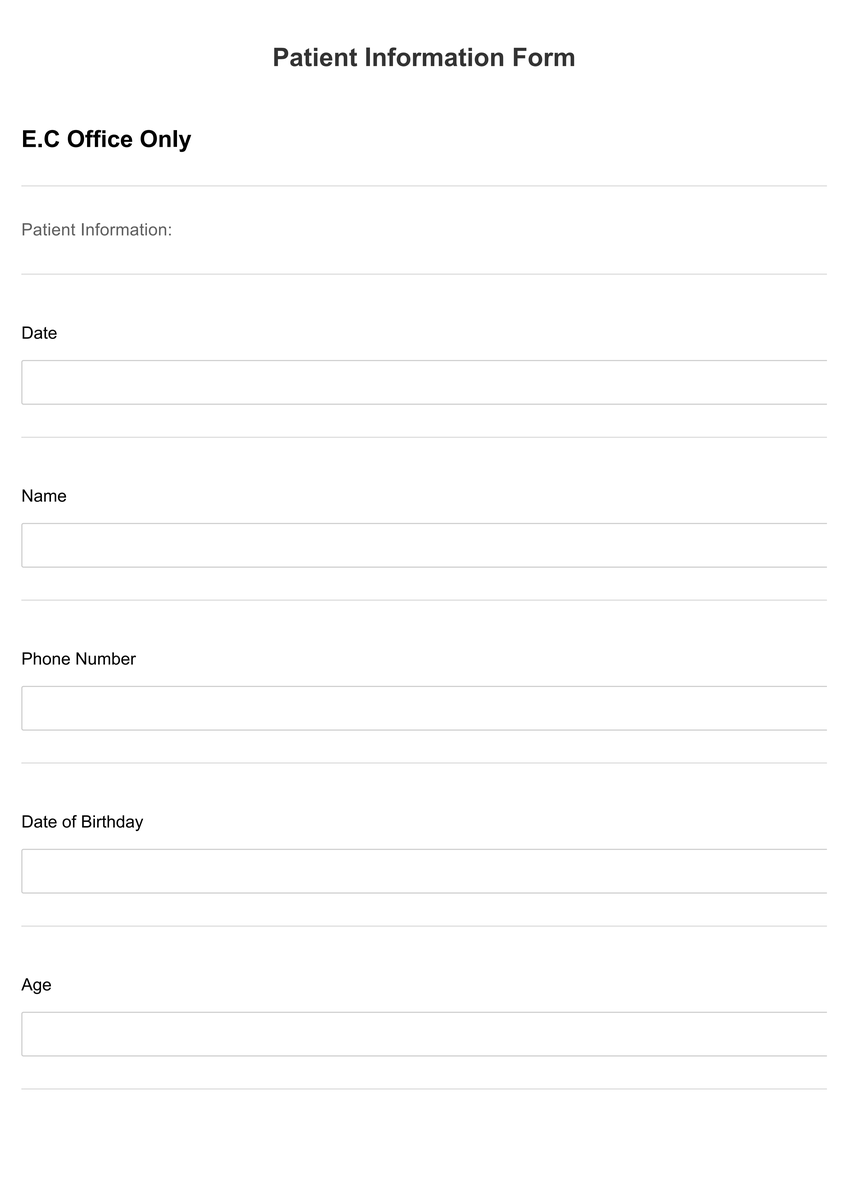
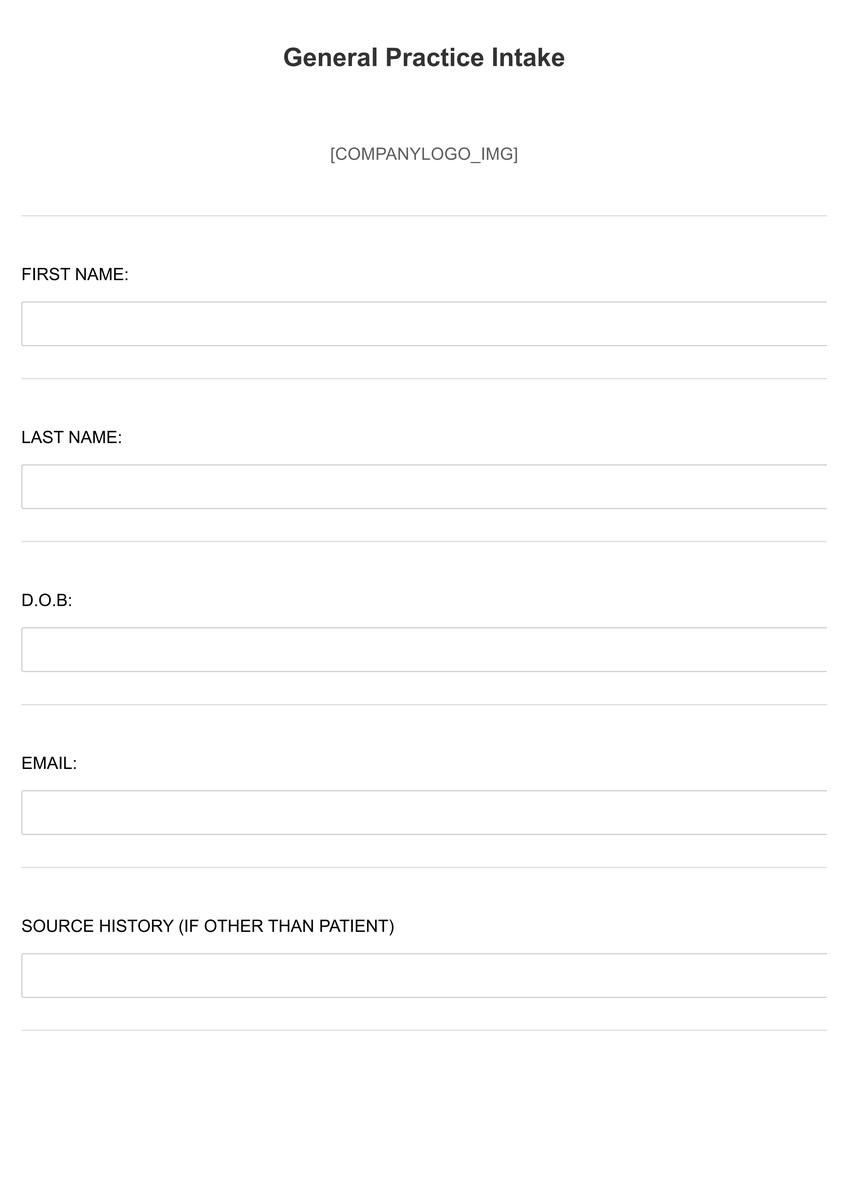
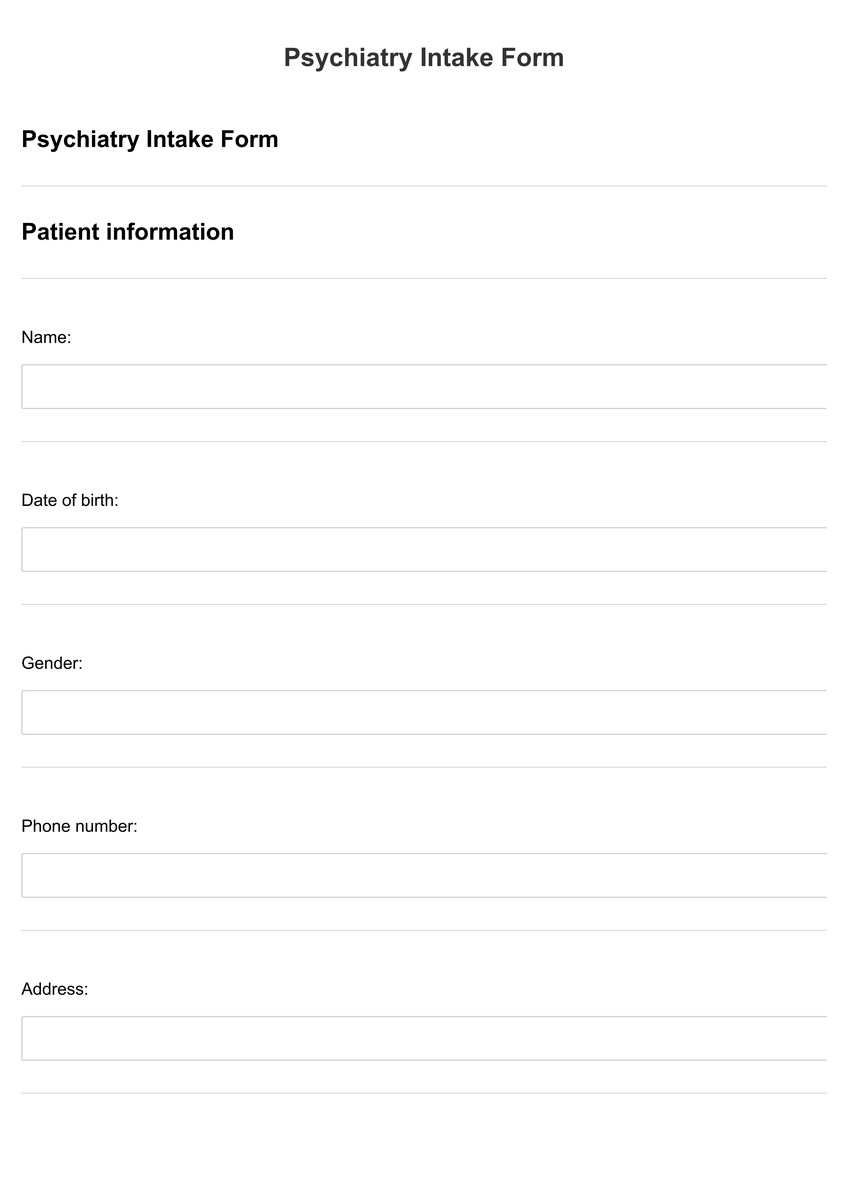
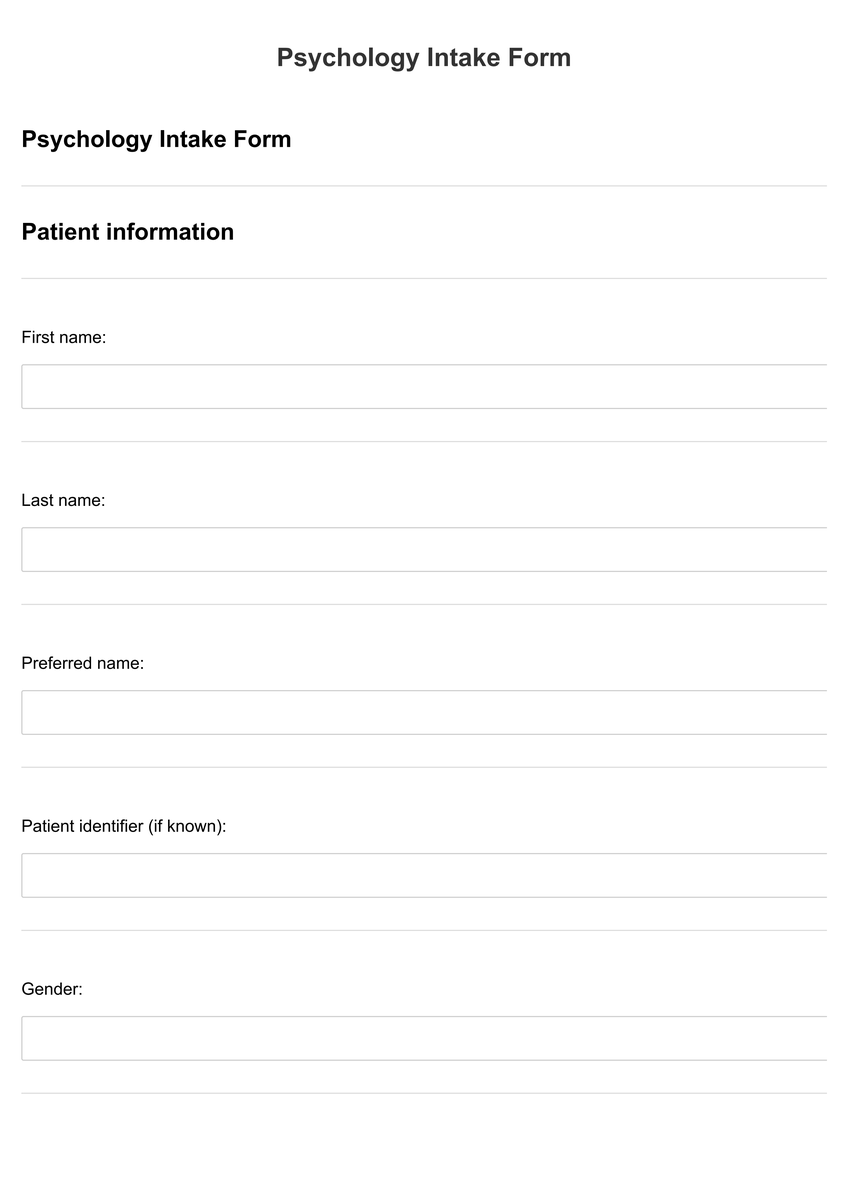
A Psychology Intake Form serves as a comprehensive preliminary assessment tool that mental health professionals use to understand their clients' psychological wellbeing, personal history, and current circumstances. This structured document captures essential information about the client's mental health concerns, previous therapy experiences, medication history, family background, and current life stressors.
The form functions as a foundation for the therapeutic relationship, enabling psychologists to gain valuable insights into their client's unique situation before the initial consultation. By gathering this information in advance, practitioners can better prepare for the first session and begin forming hypotheses about appropriate therapeutic approaches.
Furthermore, the psychology intake form ensures that critical safety information is captured, including any history of self-harm, substance use, or crisis situations that may require immediate attention or specialised intervention protocols.
First access the psychology intake form PDF document by downloading it from Pabau below. The form is available as a digital download that can be completed electronically or printed for handwritten completion. Ensure you have the most recent version of the form, which includes all necessary fields for comprehensive client assessment and complies with current professional standards for psychological practice.
Provide the psychology intake form to new clients at least 24-48 hours before their scheduled initial appointment. This allows adequate time for thoughtful completion without rushing through important details. Include clear instructions about which sections are mandatory and advise clients to complete the form in a quiet, private environment where they can reflect honestly on their responses.
Thoroughly review the completed intake form before the client's arrival, paying particular attention to presenting concerns, risk factors, and any indicated mental health history. Identify areas that may require further exploration during the session and note any immediate safety concerns that need addressing. This preparation enables more focused and productive use of session time.
Use the intake form as a foundation for deeper exploration during the first appointment. Ask follow-up questions about responses that seem unclear or incomplete, and invite the client to elaborate on areas of particular concern. This collaborative approach helps build rapport whilst ensuring comprehensive understanding of the client's situation.
Incorporate the intake form information into your clinical formulation and treatment planning process. Consider how the client's history, current circumstances, and stated goals align with evidence-based therapeutic approaches. Document relevant information in your clinical notes and use it to guide therapeutic goal setting and intervention selection.
Psychology intake forms prove invaluable for a diverse range of mental health practitioners across various settings. Clinical psychologists in private practice benefit significantly from the structured approach to client assessment, whilst counselling psychologists use these forms to understand the broader context of their clients' lives and relationships.
The forms are particularly beneficial for psychologists working in specialist areas such as trauma therapy, anxiety disorders, or relationship counselling, as they can be customised to capture specific information relevant to these therapeutic domains. Additionally, psychology trainees and newly qualified practitioners find intake forms especially helpful in ensuring they gather comprehensive information consistently across all new clients.
Community mental health services and employee assistance programmes also utilise psychology intake forms to streamline their assessment processes and ensure that limited session time is maximised for therapeutic intervention rather than information gathering.
The psychology intake form ultimately enhances the quality of mental health services by providing a systematic approach to client assessment. This structured foundation enables practitioners to deliver more personalised and effective therapeutic interventions whilst maintaining professional standards for clinical documentation and risk management.
Psychology intake forms must comply with strict confidentiality requirements and data protection regulations. Practitioners should ensure that all collected information is stored securely and only shared with appropriate parties as outlined in their consent procedures. The form should clearly explain how client information will be used and stored, and clients should provide explicit consent for this data collection.
Additionally, intake forms should include clear statements about the limits of confidentiality, particularly regarding situations where disclosure may be required for safety reasons. Practitioners must also consider cultural sensitivity and accessibility when designing or selecting intake forms, ensuring they are appropriate for diverse client populations and those with different communication needs.
Effective psychology intake forms can be adapted to suit different therapeutic approaches and client populations. Practitioners specialising in particular areas such as child psychology, addiction counselling, or trauma therapy may wish to include additional sections relevant to their expertise whilst maintaining the core elements of comprehensive assessment.
The form can also be modified to reflect different theoretical orientations, whether cognitive-behavioural, psychodynamic, or humanistic approaches. However, any modifications should maintain the essential components of risk assessment, mental health history, and current functioning to ensure comprehensive client understanding and appropriate treatment planning.