Key Takeaways
Patient Registration The new patient intake form establishes comprehensive patient records and enables personalised healthcare delivery.
Medical History Detailed collection of medical background, current medications, and health conditions ensures safe treatment planning.
Safety Assessment Comprehensive screening identifies potential contraindications and allergies before treatment begins.
Legal Compliance Proper documentation meets regulatory requirements and supports informed consent processes.
What is a New Patient Intake Form?
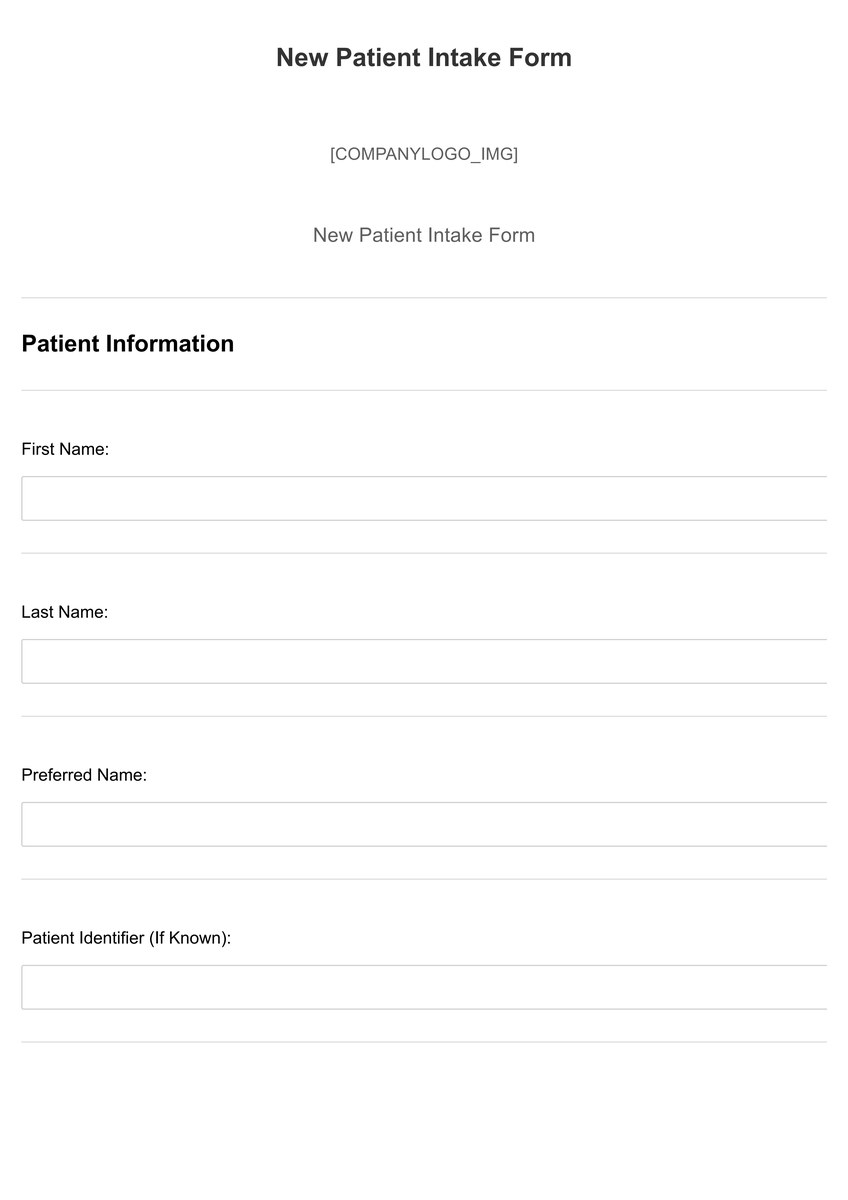
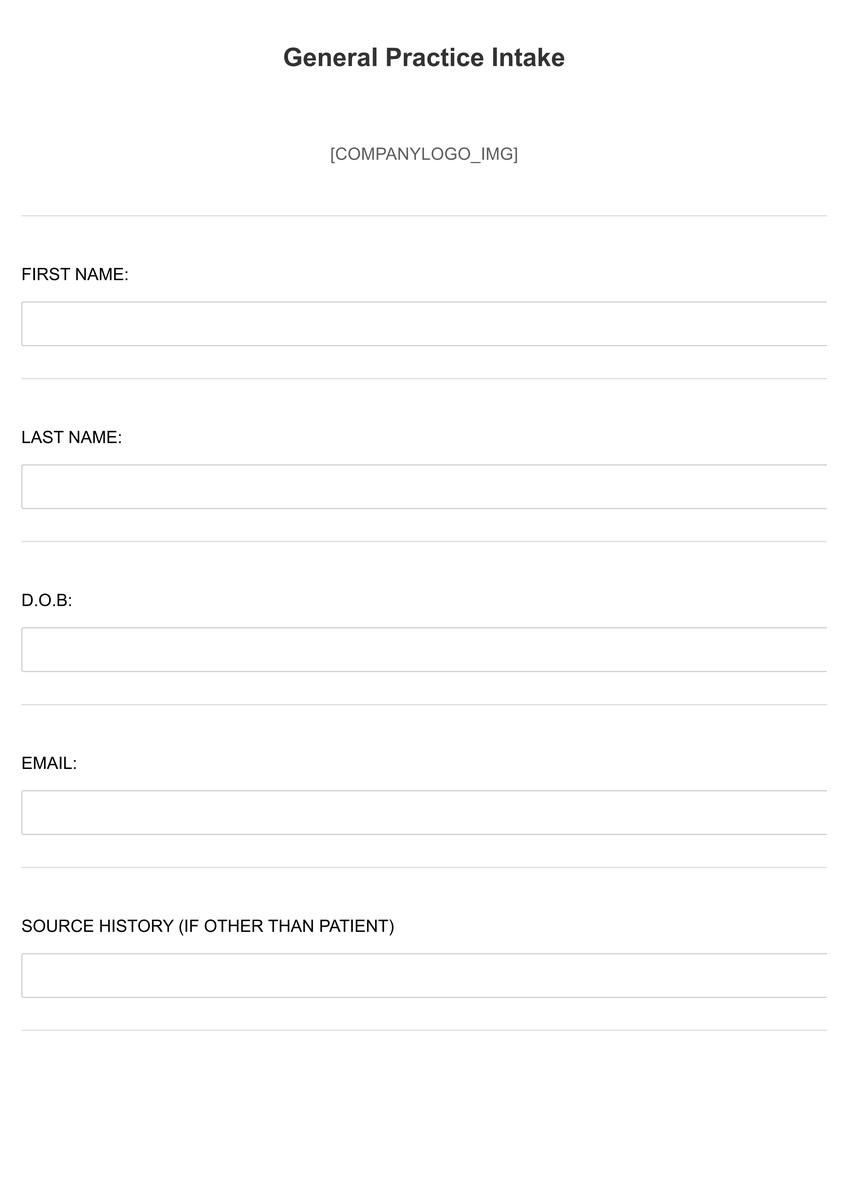
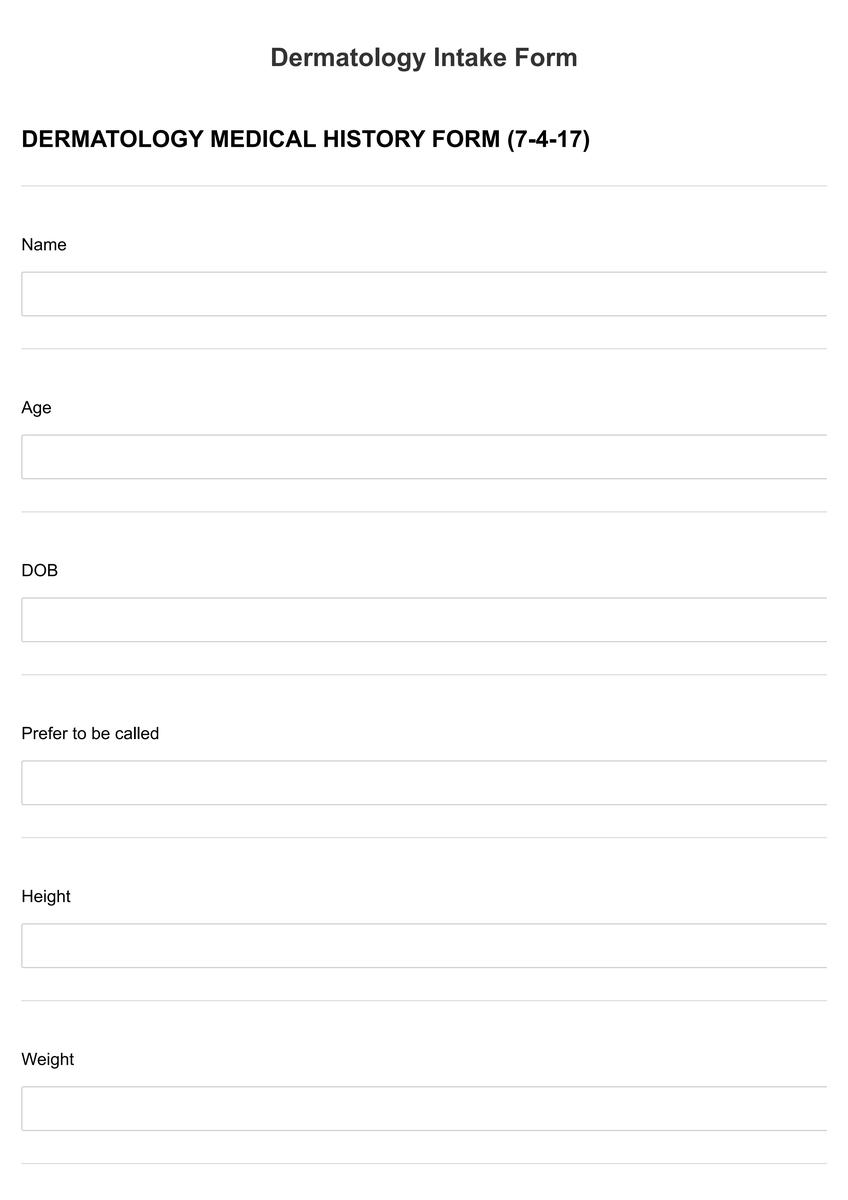
A new patient intake form is a foundational document used in healthcare practices to gather comprehensive information from patients during their initial visit or consultation. This essential registration tool captures critical details including personal demographics, medical history, current health status, medications, allergies, and treatment goals.
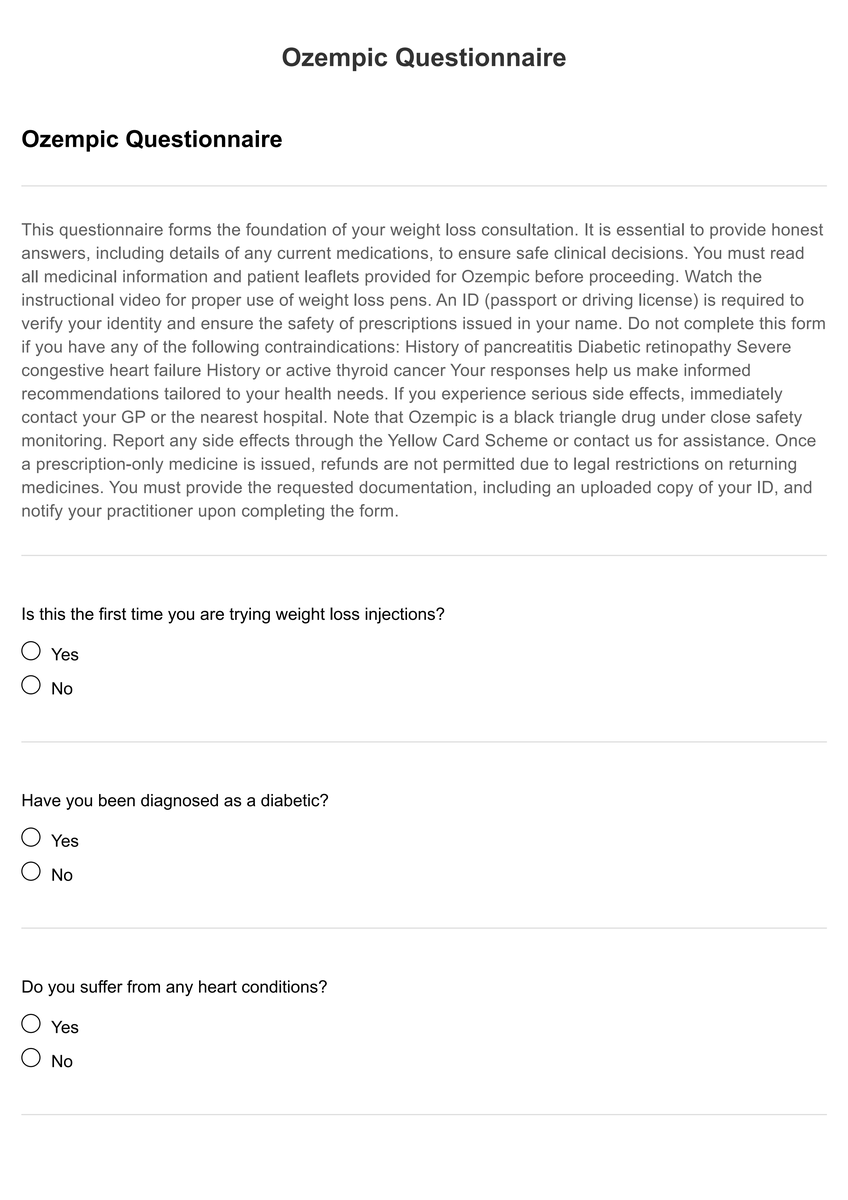
The form serves multiple purposes within the healthcare setting. Primarily, it establishes a complete patient record that enables healthcare providers to understand each individual's unique medical background and current health needs. Furthermore, the information collected helps identify potential risks, contraindications, or special considerations that may influence treatment decisions.
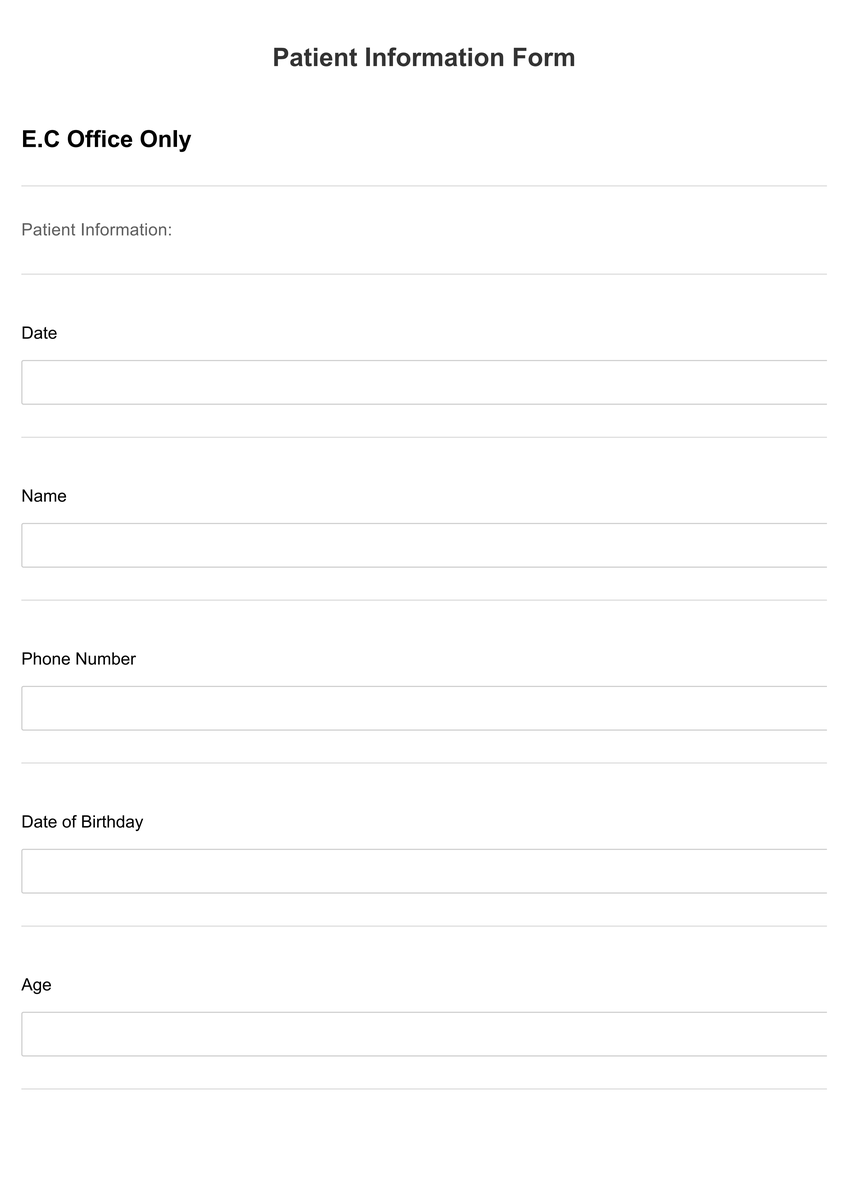
In addition to medical information, the new patient intake form collects administrative details such as contact information, emergency contacts, insurance details, and consent for various practice policies. This comprehensive approach ensures that both clinical and administrative aspects of patient care are properly documented from the first interaction.
How to use New Patient Intake Form?
Step 1: Download New Patient Intake Form
First, access the new patient intake form PDF document by downloading it from Pabau below. The form is available as a digital PDF that can be completed electronically or printed for handwritten completion. Once downloaded, you can save the document to your preferred location and distribute it to new patients via email, patient portals, or provide printed copies at your practice reception.
Step 2: Distribute to New Patients
Send the form to patients prior to their first appointment, ideally 24-48 hours in advance. This allows sufficient time for patients to complete the form thoroughly and gather any necessary information such as medication lists or previous medical records. Include clear instructions about returning the completed form before their appointment.
Step 3: Patient Completion
Patients should complete all sections of the form honestly and thoroughly. Encourage them to provide detailed information about their medical history, current medications, allergies, and specific health concerns or treatment goals. If patients have questions about any section, provide contact information for your practice staff to assist.
Step 4: Review and Verification
Upon receipt, healthcare staff should review the completed form for completeness and clarity. Follow up with patients if any information is missing or requires clarification. Verify insurance information and update any changes since the form was completed.
Step 5: Integration into Patient Records
Integrate the completed form into the patient's medical record system, ensuring all information is accurately entered and easily accessible to the healthcare team. Flag any important medical alerts, allergies, or special considerations that require immediate attention during the patient's visit.
Who it's helpful for?
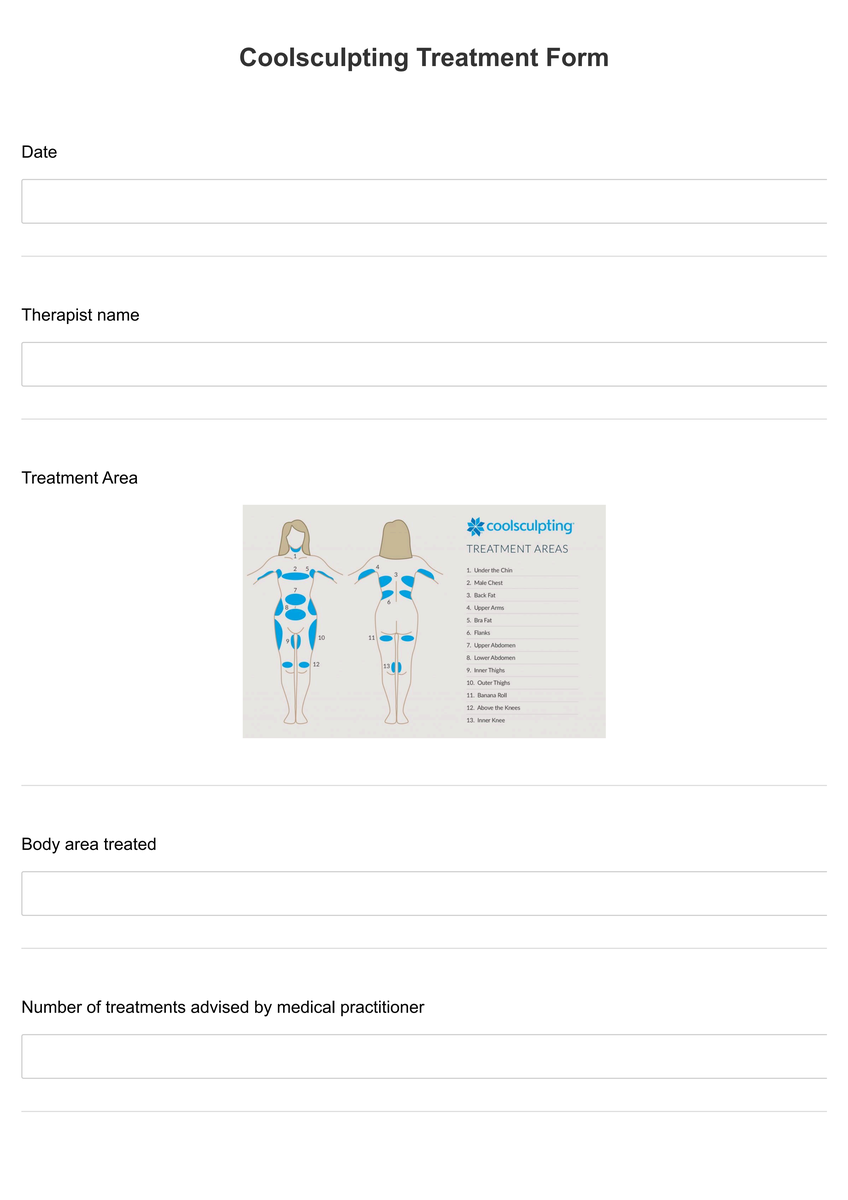
The new patient intake form is valuable for healthcare practices across various specialities and settings. Primary care physicians, specialist clinics, aesthetic practices, and wellness centres all benefit from implementing a comprehensive intake process that establishes thorough patient records from the first interaction.
Healthcare administrators find the form particularly useful for streamlining the registration process and ensuring consistent data collection across all new patients. Clinical staff benefit from having detailed medical histories readily available, which enhances patient safety and enables more informed treatment decisions.
For patients themselves, the intake form provides an opportunity to communicate their complete health picture and treatment expectations clearly. This thorough communication helps establish realistic treatment goals and builds a foundation for effective patient-provider relationships.
Benefits of using New Patient Intake Form
- Comprehensive medical history documentation ensures safe and appropriate treatment planning
- Streamlined administrative processes reduce appointment time and improve practice efficiency
- Enhanced patient safety through systematic identification of allergies and contraindications
- Improved treatment outcomes via detailed understanding of patient goals and expectations
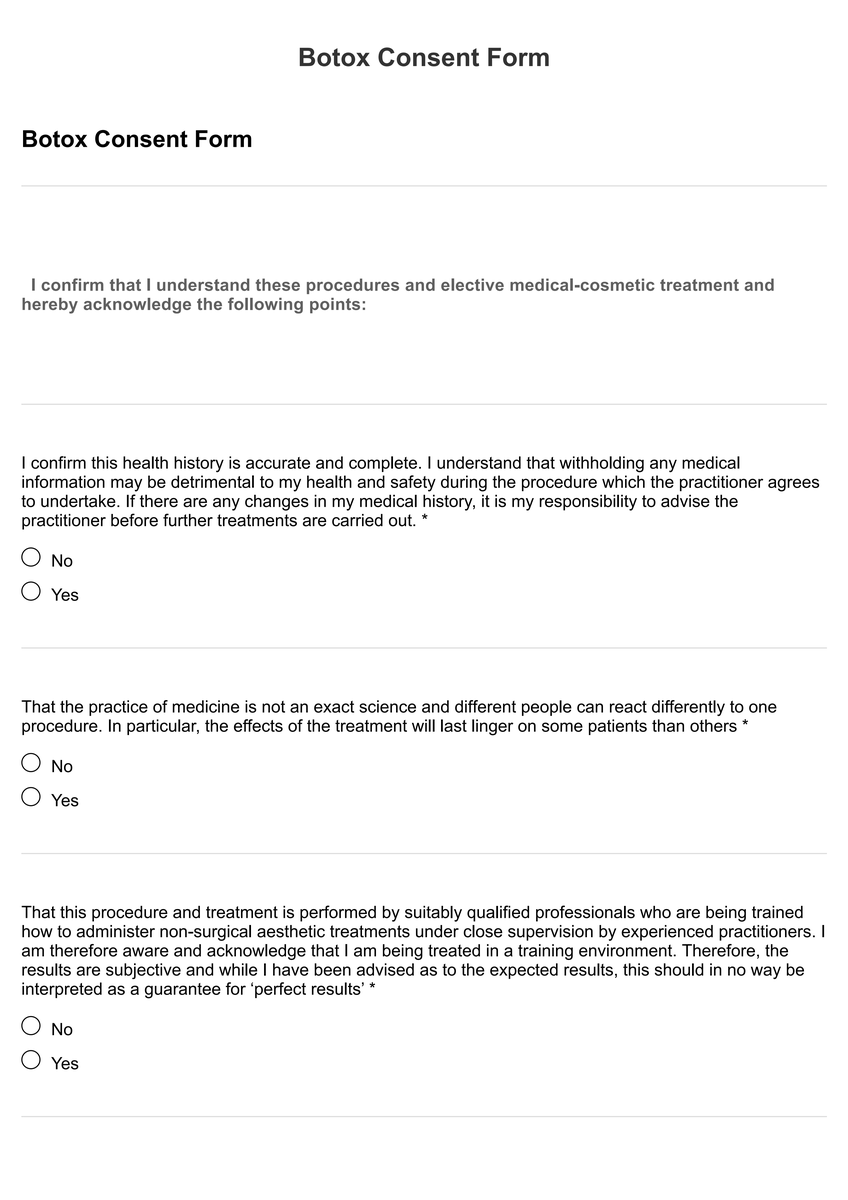
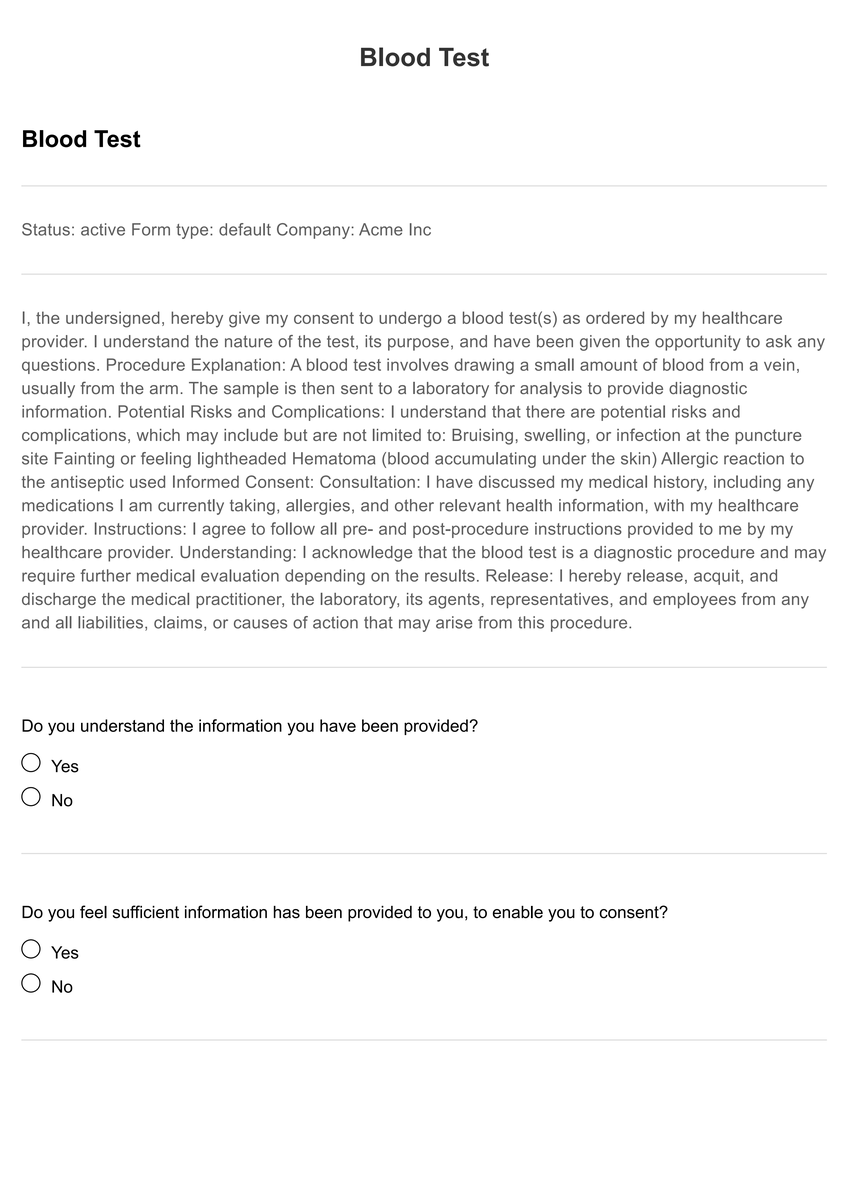
- Legal compliance and risk management through proper documentation and consent processes
The new patient intake form represents a crucial investment in both patient care quality and practice efficiency. By establishing comprehensive records from the first patient interaction, healthcare providers can deliver more personalised, safe, and effective treatments whilst maintaining proper documentation standards.
Creating an Effective Patient Experience
A well-designed new patient intake form contributes significantly to the overall patient experience by setting professional expectations and demonstrating the practice's commitment to thorough care. When patients receive a comprehensive intake form, they understand that their healthcare provider values detailed information and takes a methodical approach to treatment planning.
The process of completing the form also helps patients reflect on their health goals and prepare mentally for their consultation. This preparation often leads to more productive appointments where patients can engage meaningfully in treatment discussions and make informed decisions about their care options.
Moreover, an efficient intake process reduces waiting times and administrative delays during the actual appointment, allowing more time for clinical consultation and patient education. This enhanced experience contributes to higher patient satisfaction and stronger therapeutic relationships.
Regulatory Compliance and Documentation Standards
New patient intake forms play a vital role in meeting healthcare regulatory requirements and maintaining proper documentation standards. These forms help practices comply with data protection regulations by establishing clear consent for information collection and use whilst ensuring that patient privacy rights are respected throughout the process.
From a clinical governance perspective, comprehensive intake documentation supports quality assurance processes and provides evidence of appropriate care standards. Should any clinical incidents or complaints arise, detailed intake records demonstrate that proper assessment and screening procedures were followed from the patient's first interaction with the practice.
Additionally, many insurance providers and healthcare regulators require evidence of thorough patient assessment and documentation. A complete new patient intake form helps satisfy these requirements and supports claims processing and audit procedures when necessary.
New Patient Intake Form