Psychology Treatment Plan
 By Teodor Jurkovski on January 30, 2026
 Fact checked by: Teodor Jurukovski

Discover free eBooks, guides and med spa templates on our new resources page


Read case studies from our satisfied clients

Compare Pabau with alternative systems
 Integrations

 Measure Pabau savings
 Our security commitment
 About us

Learn why this holistic care and aesthetic medicine clinic chose Pabau to power patient care and performance.
Read more By Teodor Jurkovski on January 30, 2026
Fact checked by: Teodor Jurukovski
By Teodor Jurkovski on January 30, 2026
Fact checked by: Teodor Jurukovski
Structured Framework Psychology treatment plans provide a systematic approach to mental health care with clear goals and measurable outcomes.
Evidence-Based Care Treatment plans incorporate proven therapeutic interventions tailored to individual patient needs and presenting concerns.
Progress Monitoring Regular review mechanisms ensure therapeutic goals remain relevant and treatment effectiveness is continuously evaluated.
Collaborative Process Treatment planning involves active patient participation to enhance engagement and therapeutic alliance.
A psychology treatment plan is a comprehensive clinical document that serves as a roadmap for therapeutic intervention in mental health care. This essential tool outlines the specific goals, objectives, and strategies that will guide the therapeutic process between a mental health professional and their patient. The treatment plan is developed collaboratively, taking into account the patient's presenting concerns, clinical history, strengths, and personal circumstances.
In practice, the psychology treatment plan functions as both a clinical guide and a communication tool. It ensures that therapeutic interventions are purposeful, evidence-based, and aligned with the patient's individual needs and preferences. Furthermore, the treatment plan provides a framework for monitoring progress, adjusting therapeutic approaches as needed, and maintaining accountability throughout the therapeutic journey.
The document incorporates various elements including diagnostic formulations, therapeutic goals, specific interventions, timelines, and outcome measures. As a result, it creates a structured approach to mental health care that promotes consistency, transparency, and effectiveness in psychological treatment delivery.
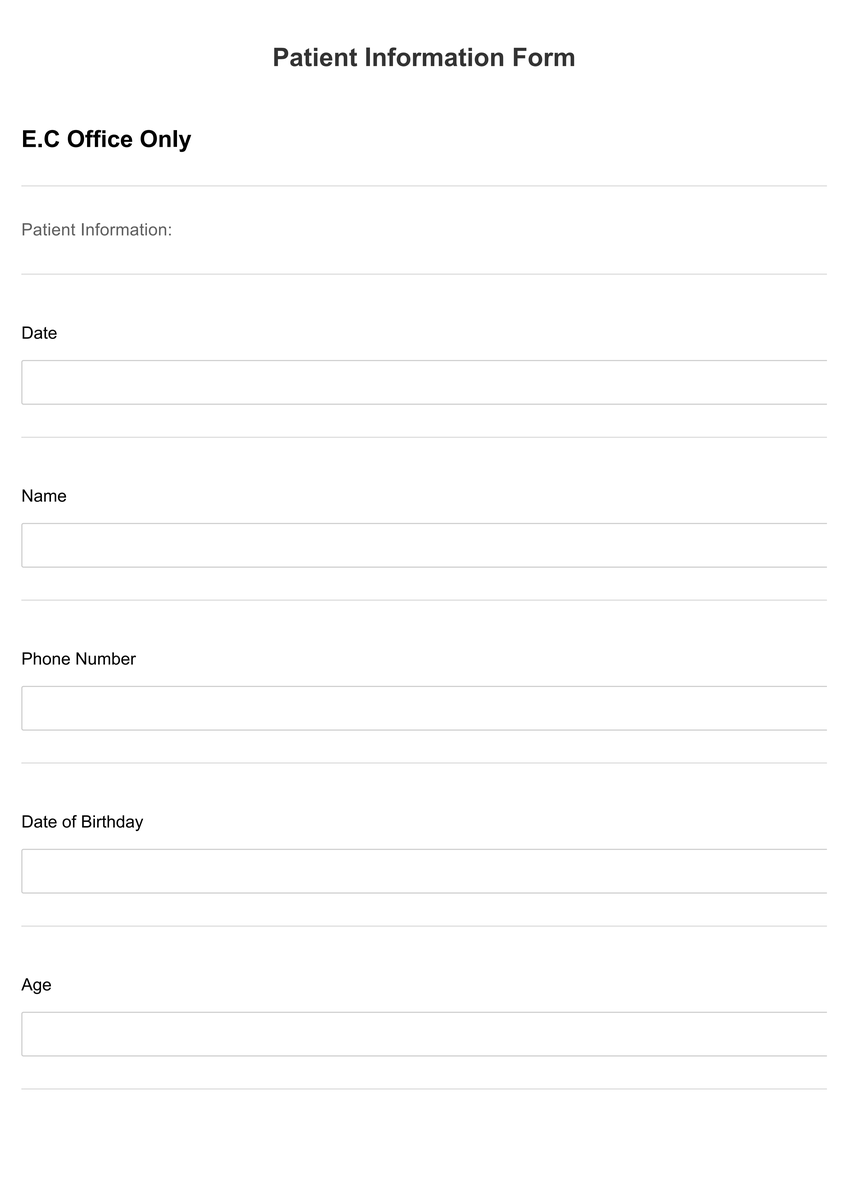
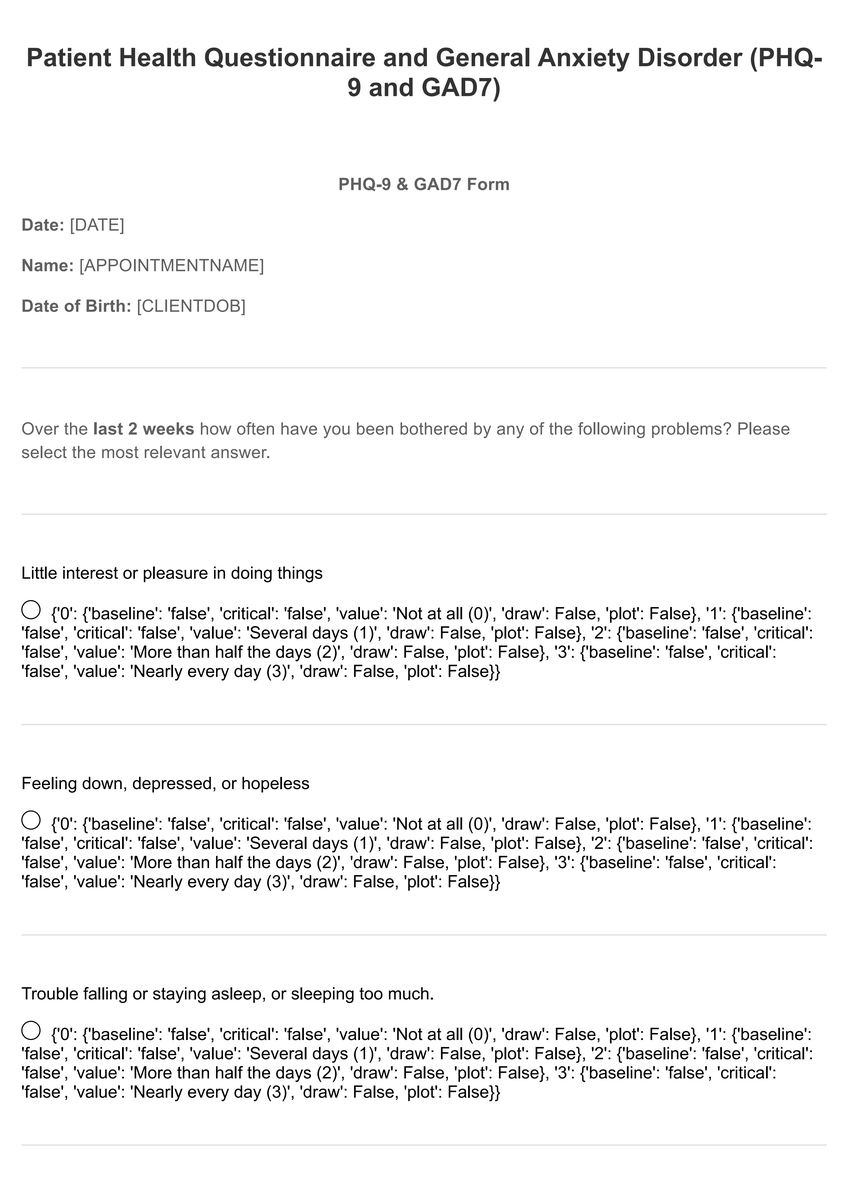
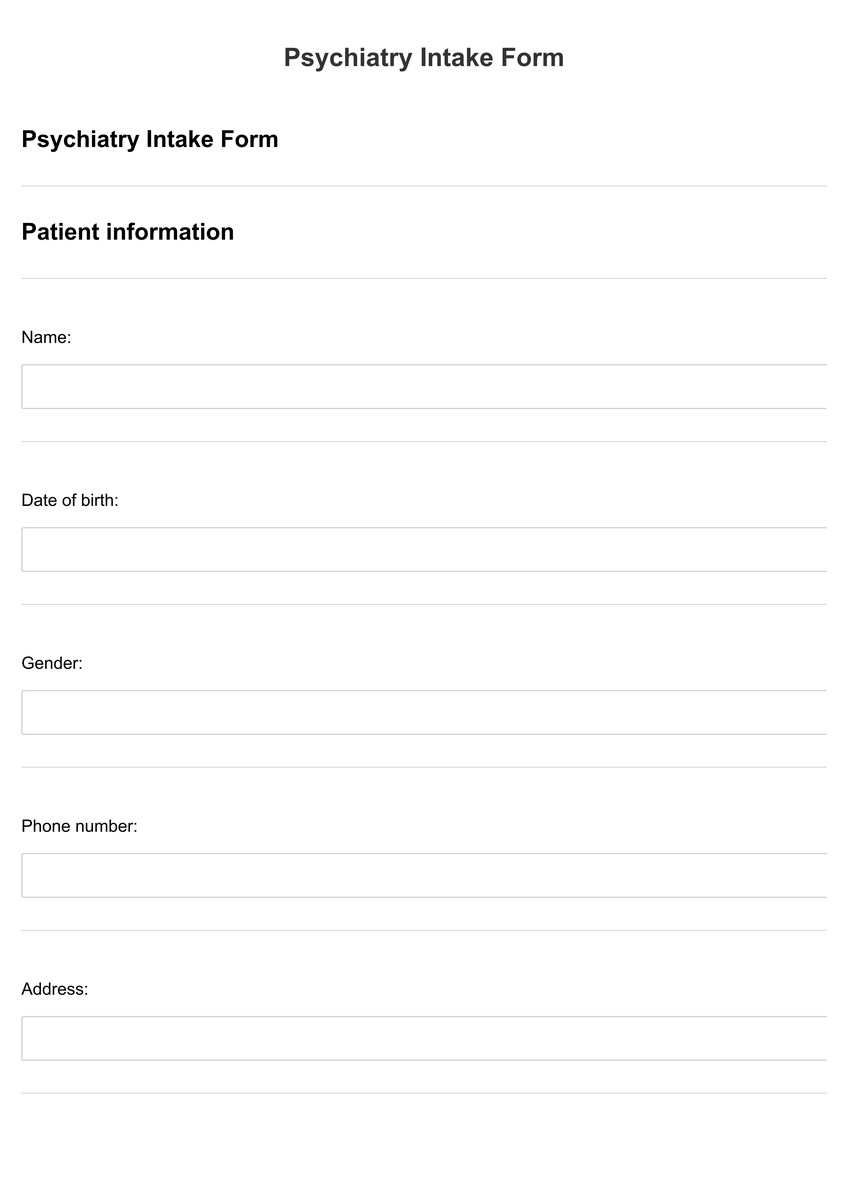
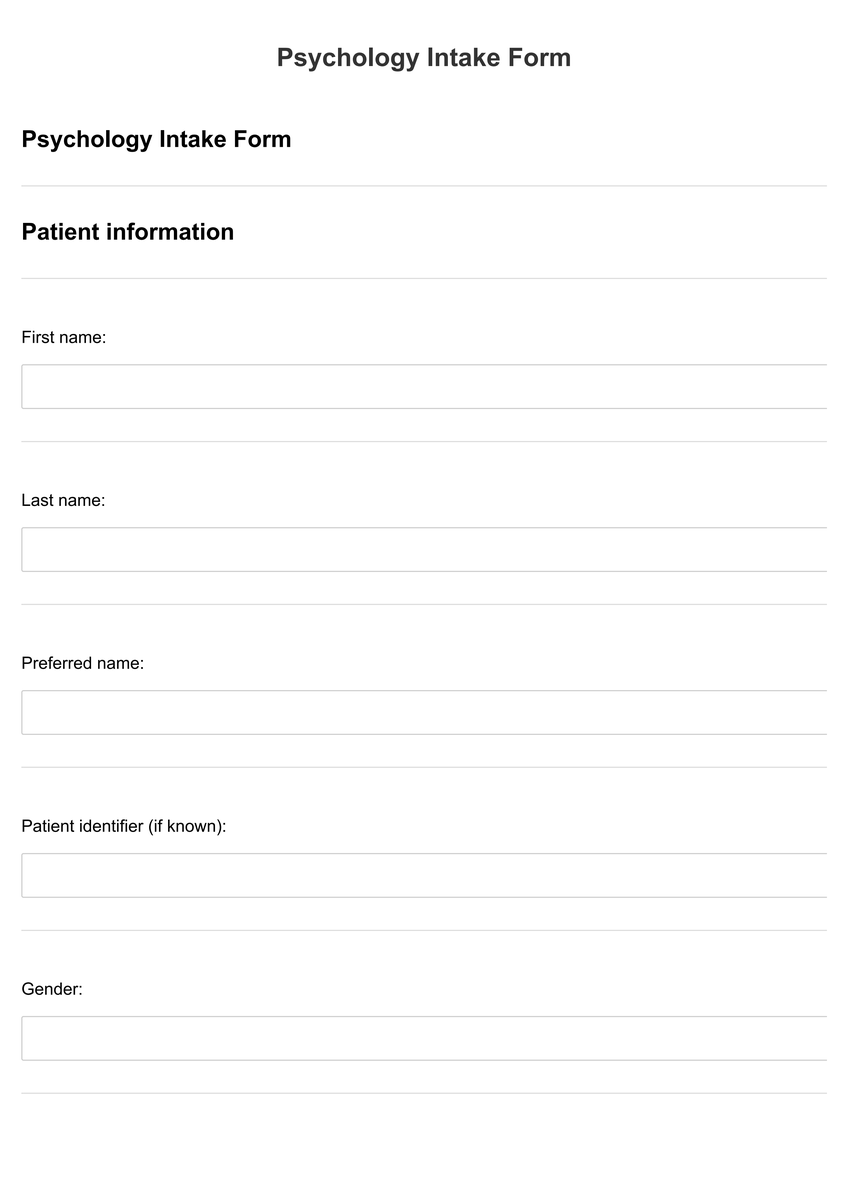
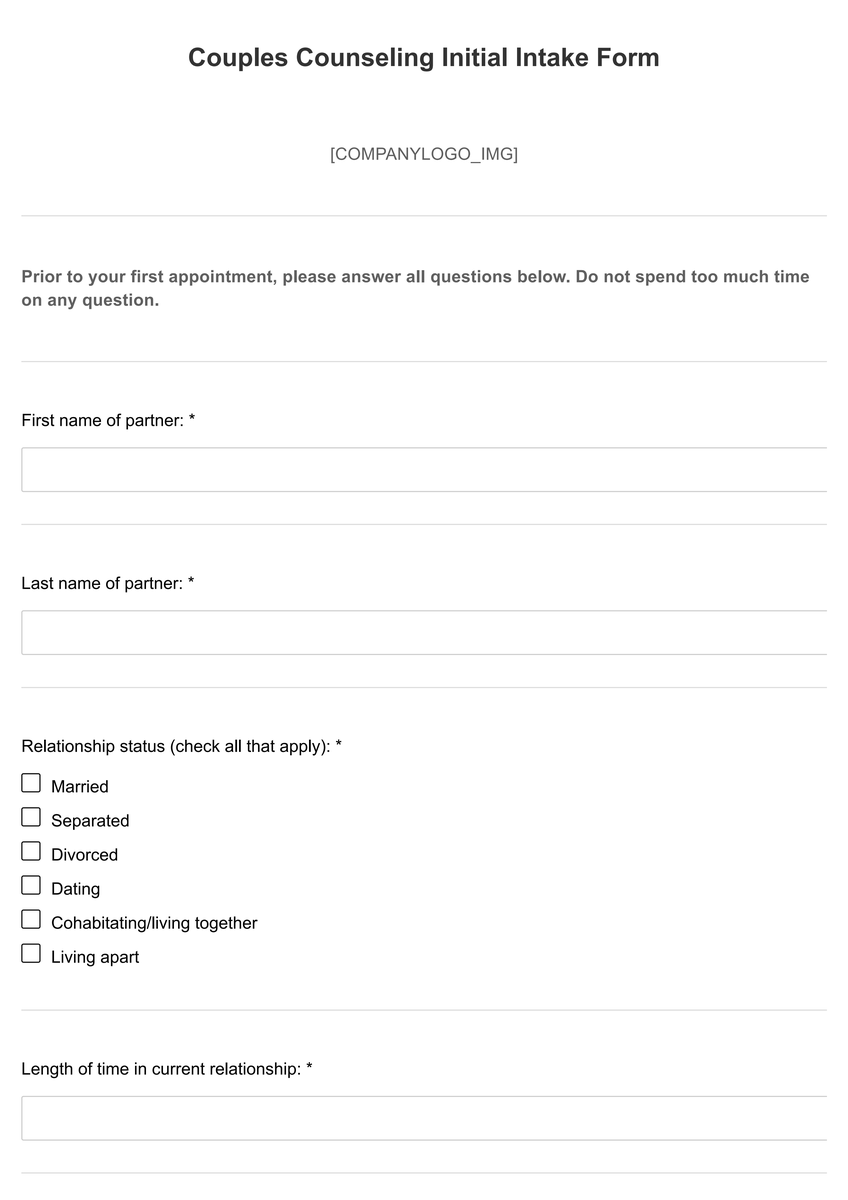
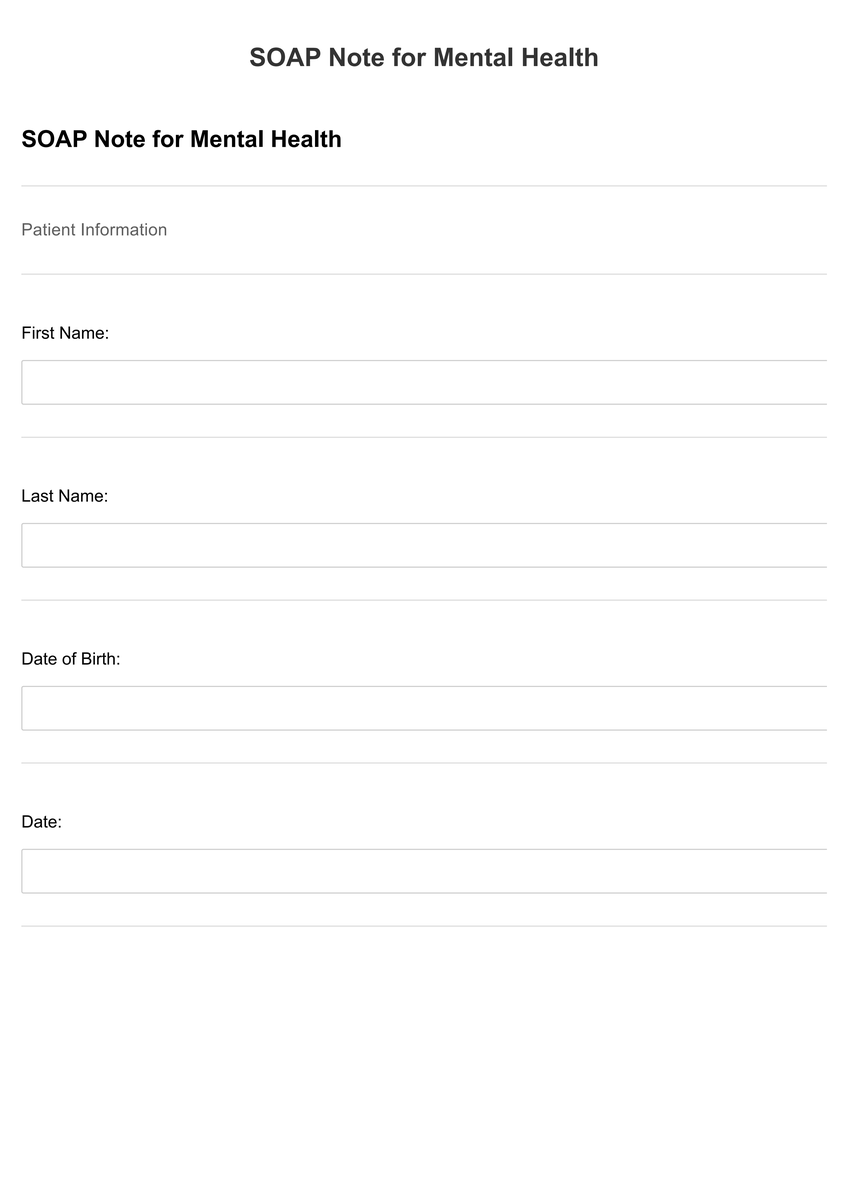
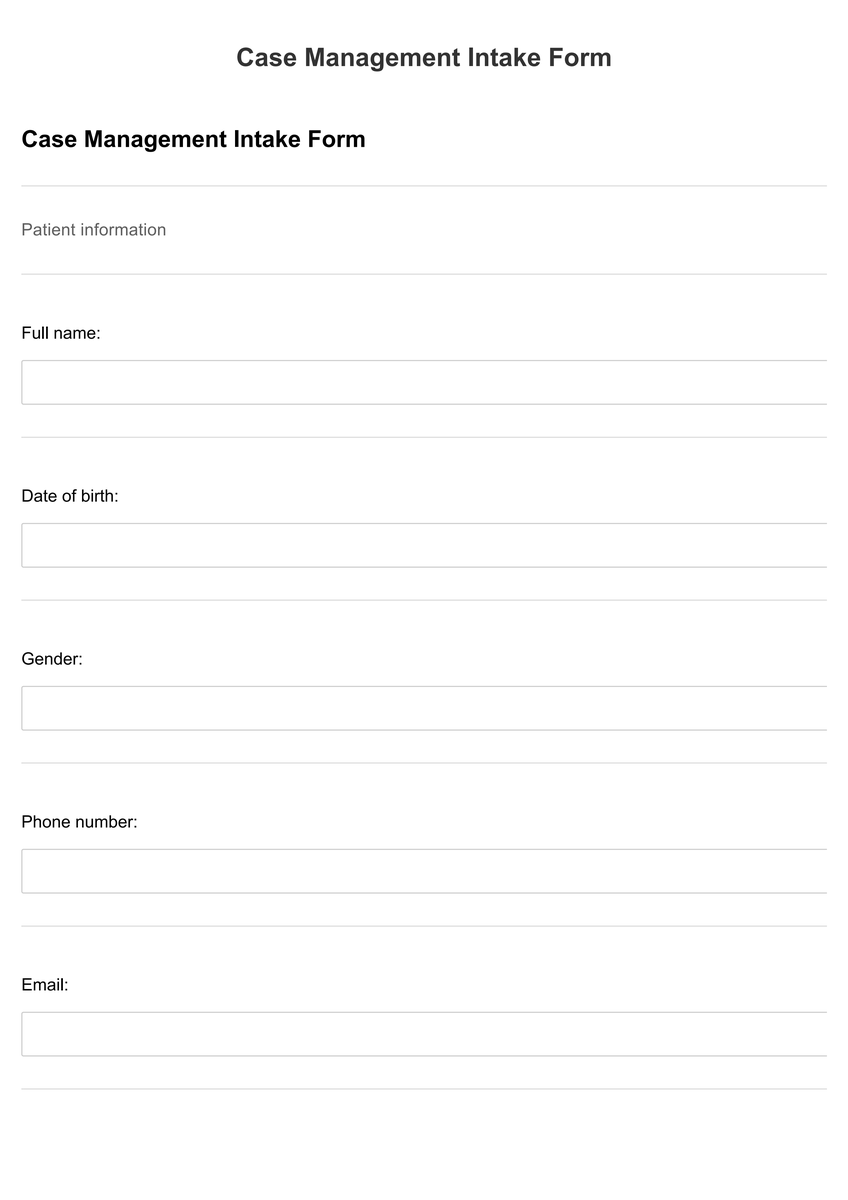
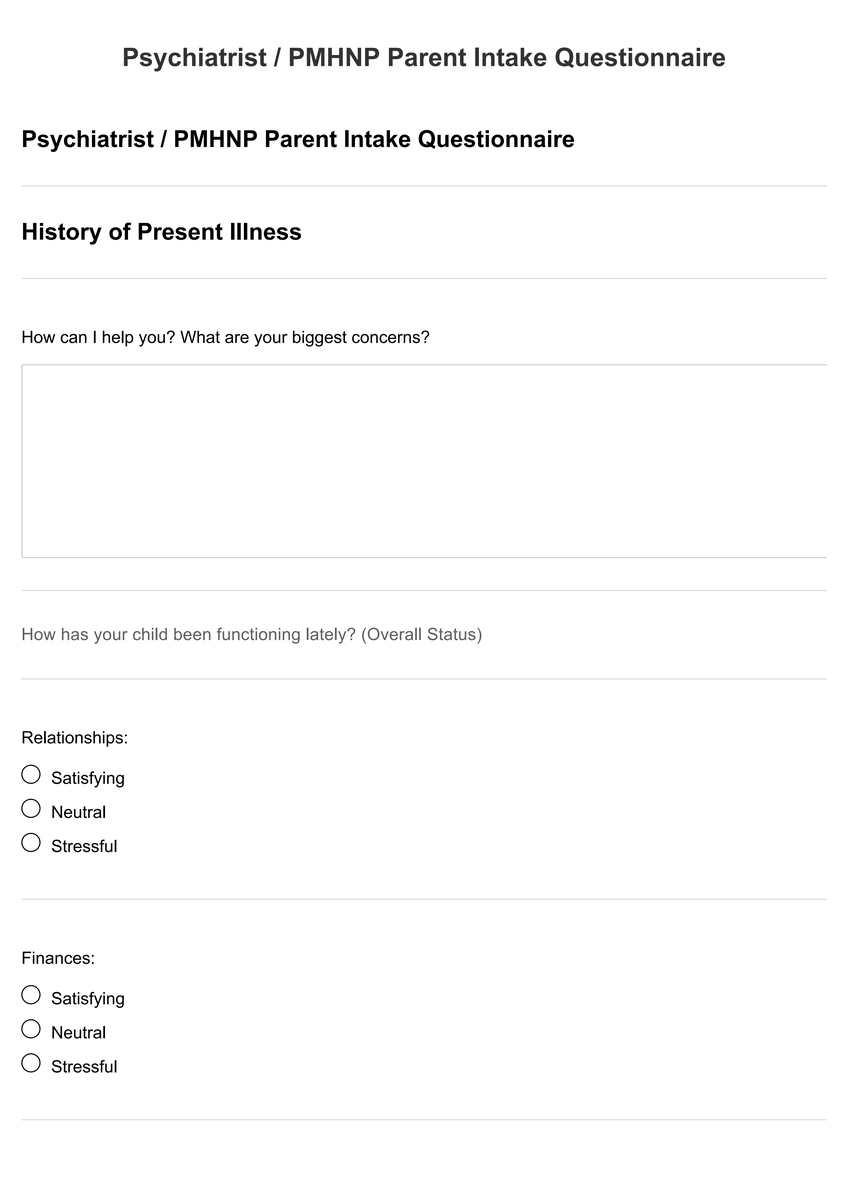
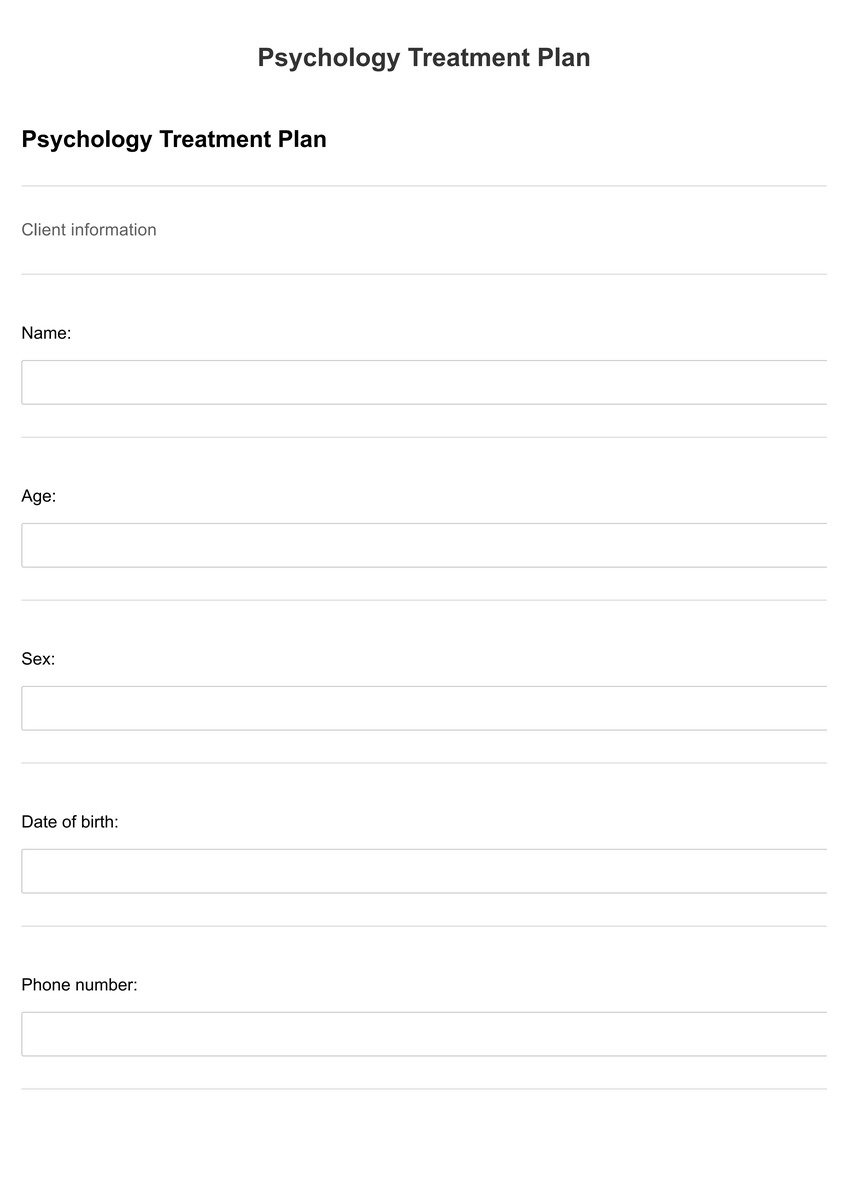
First access psychology treatment plan PDF document by downloading it from Pabau below. The template provides a comprehensive framework that can be customised to meet the specific needs of your practice and patient population. Once downloaded, you can either use the digital version for electronic health records or print copies for manual completion during clinical sessions.
Begin by conducting a thorough clinical assessment of your patient's presenting concerns, mental health history, and current functioning. Gather comprehensive information about their symptoms, duration, severity, and impact on daily life. This foundational step ensures that the treatment plan is grounded in accurate clinical data and addresses the patient's most pressing needs.
Work collaboratively with your patient to identify specific, measurable, achievable, relevant, and time-bound (SMART) therapeutic goals. Ensure these objectives reflect both clinical priorities and the patient's personal aspirations for treatment. This collaborative approach enhances patient engagement and increases the likelihood of successful outcomes.
Choose appropriate therapeutic interventions based on current evidence, clinical best practices, and the patient's individual presentation. Consider factors such as the patient's preferences, cultural background, and previous treatment experiences when selecting specific techniques and approaches.
Establish clear methods for tracking therapeutic progress, including specific outcome measures, review schedules, and criteria for goal achievement. This systematic approach enables timely adjustments to treatment strategies and maintains focus on measurable improvements in the patient's wellbeing.
Schedule regular reviews of the treatment plan to assess progress, modify goals as needed, and ensure continued relevance of therapeutic interventions. This ongoing evaluation process maintains the plan's effectiveness and responsiveness to changing patient needs throughout the therapeutic process.
Psychology treatment plans serve multiple stakeholders within the mental health care ecosystem. Clinical psychologists, counselling psychologists, and psychotherapists find these documents invaluable for structuring their therapeutic work and maintaining professional standards. The systematic approach provided by treatment plans supports clinicians in delivering consistent, evidence-based care whilst meeting regulatory and professional requirements.
Mental health practices and clinics benefit significantly from implementing standardised treatment planning processes. These documents facilitate clear communication between team members, support clinical supervision activities, and ensure continuity of care when patients work with multiple professionals. Additionally, treatment plans provide essential documentation for insurance claims and regulatory compliance.
Patients themselves gain considerable value from the treatment planning process. The collaborative development of goals and interventions enhances their understanding of the therapeutic process, increases engagement in treatment, and provides clear expectations about the journey ahead. Moreover, the structured approach helps patients track their progress and celebrate achievements throughout their therapeutic journey.
Psychology treatment plans represent a cornerstone of professional mental health practice, promoting accountability, transparency, and effectiveness in therapeutic interventions. By implementing these structured frameworks, mental health professionals can deliver higher quality care whilst maintaining clear documentation of their clinical work and patient progress throughout the therapeutic journey.
Successful implementation of psychology treatment plans requires careful consideration of practice workflows and clinical processes. Mental health professionals should integrate treatment planning into their standard intake procedures, ensuring that comprehensive plans are developed within the first few sessions. This early establishment of treatment frameworks provides clarity and direction from the outset of the therapeutic relationship.
Training and supervision play crucial roles in effective treatment plan utilisation. Clinical teams should receive ongoing education about evidence-based planning approaches, goal-setting techniques, and progress monitoring strategies. Regular supervision sessions can focus on treatment plan development and review, ensuring that less experienced clinicians receive appropriate guidance in this essential clinical skill.
Technology integration can significantly enhance treatment planning efficiency and effectiveness. Electronic health record systems can incorporate treatment plan templates, automated reminders for review dates, and progress tracking tools. However, it remains important to maintain the collaborative, patient-centred approach that makes treatment planning most effective, regardless of the technological tools employed.
Ethics play a fundamental role in psychology treatment planning, with informed consent being paramount throughout the process. Patients must understand the nature of their treatment, potential benefits and risks, and their rights within the therapeutic relationship. Treatment plans should clearly document that patients have provided informed consent for the proposed interventions and understand their role in the therapeutic process.
Cultural competence represents another critical ethical consideration in treatment planning. Mental health professionals must ensure that treatment goals and interventions are culturally appropriate and sensitive to the patient's background, values, and beliefs. This includes considering how cultural factors might influence symptom expression, treatment preferences, and therapeutic goals.
Confidentiality and documentation standards must be carefully maintained throughout the treatment planning process. Treatment plans contain sensitive clinical information that requires appropriate protection and secure storage. Additionally, professionals must balance the need for comprehensive documentation with patient privacy rights, ensuring that treatment plans serve their clinical purpose without compromising patient confidentiality.