Key Takeaways
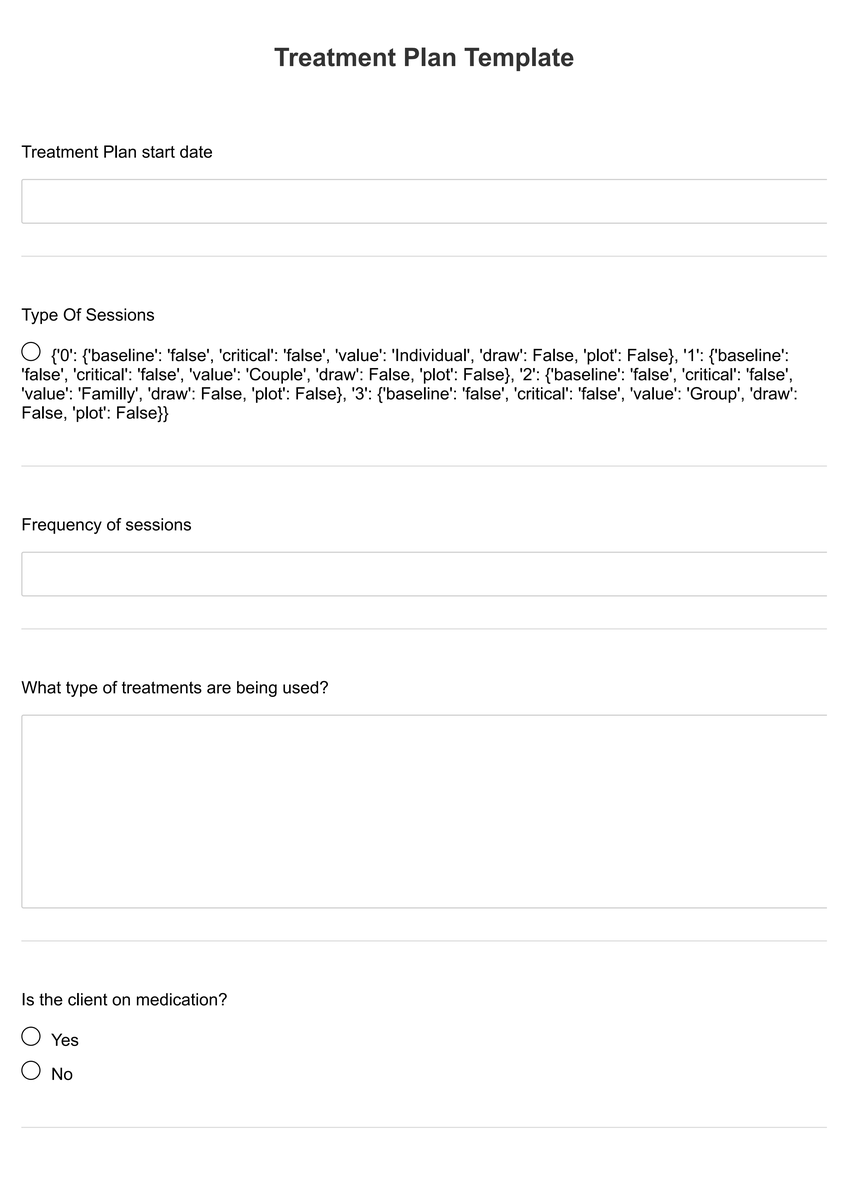
Structured Planning The treatment plan template provides a systematic approach to documenting patient care pathways and therapeutic objectives.
Clinical Documentation Essential for maintaining comprehensive records of planned interventions, timelines, and measurable outcomes.
Patient Communication Facilitates clear discussions about treatment expectations, progress milestones, and collaborative care decisions.
Quality Assurance Ensures consistency in care delivery whilst supporting clinical governance and professional standards.
What is a Treatment Plan Template?
A treatment plan template serves as a comprehensive clinical documentation tool designed to outline systematic approaches to patient care across various healthcare specialities. This structured framework enables practitioners to clearly define treatment objectives, document planned interventions, establish realistic timelines, and track progress towards desired therapeutic outcomes.
The template functions as both a clinical roadmap and communication tool, ensuring that all members of the healthcare team understand the proposed treatment approach. Furthermore, it provides patients with transparency regarding their care journey, fostering informed consent and collaborative decision-making throughout the treatment process.
In modern healthcare practice, treatment plan templates have become indispensable for maintaining clinical standards whilst supporting evidence-based care delivery. They facilitate consistent documentation practices across different practitioners and help ensure that no critical aspects of patient care are overlooked during treatment planning.
How to use Treatment Plan Template?
Implementing a treatment plan template requires systematic completion of each section to ensure comprehensive documentation of patient care. The following steps provide a structured approach to utilising this essential clinical tool effectively.
Step 1: Download Treatment Plan Template
First, access the treatment plan template PDF document by downloading it from Pabau below. The template is designed to be printer-friendly and can be completed electronically or by hand, depending on your practice preferences. Ensure you have the most current version to maintain consistency with updated clinical guidelines and regulatory requirements.
Step 2: Complete Patient Information Section
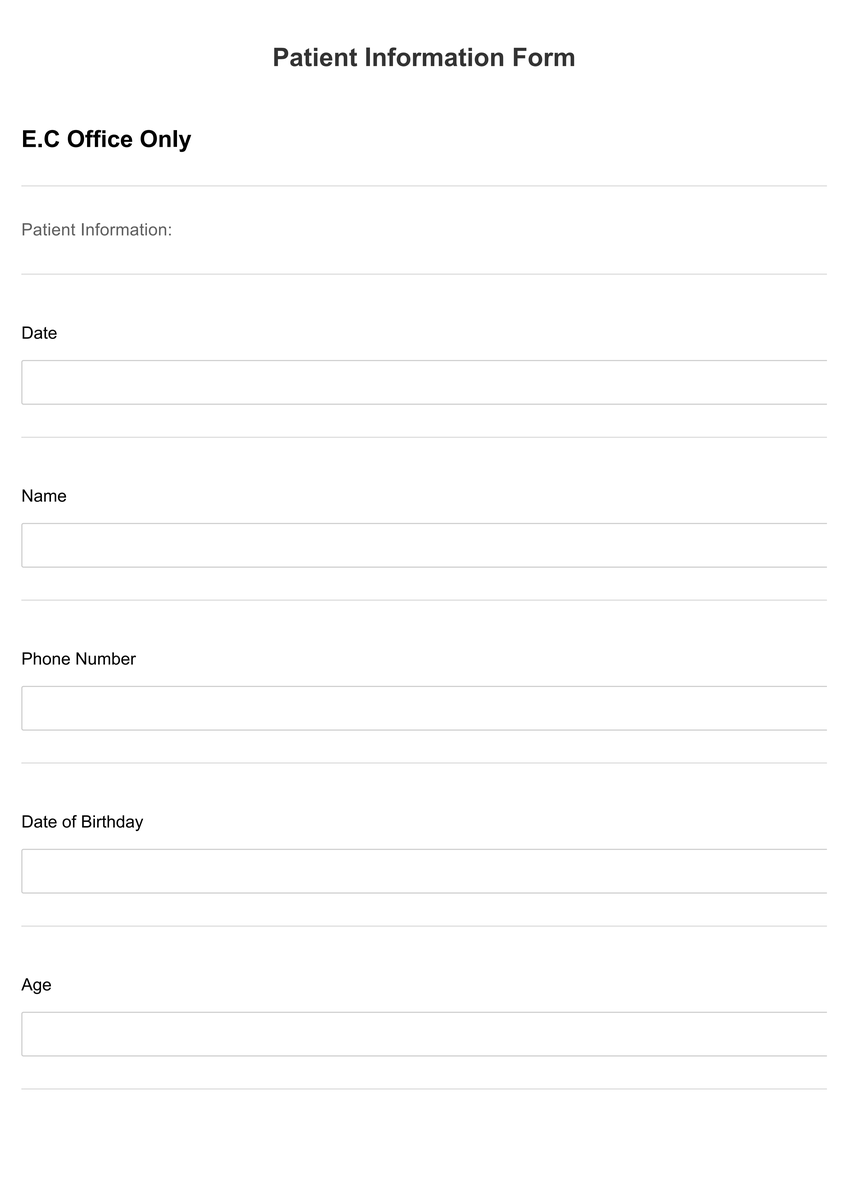
Begin by documenting comprehensive patient demographics, including full name, date of birth, contact details, and relevant identification numbers. Include emergency contact information and any pertinent medical history that may influence treatment planning decisions.
Step 3: Document Assessment Findings
Record detailed assessment findings, including presenting concerns, clinical observations, diagnostic test results, and any relevant psychological or social factors. This section forms the foundation for evidence-based treatment recommendations.
Step 4: Establish Treatment Goals
Define specific, measurable, achievable, relevant, and time-bound (SMART) treatment objectives. Collaborate with the patient to ensure goals align with their expectations and lifestyle considerations whilst remaining clinically appropriate.
Step 5: Outline Intervention Strategies
Detail planned interventions, including specific treatments, procedures, medications, or therapeutic approaches. Include frequency, duration, and any special considerations or precautions that may apply to the proposed interventions.
Step 6: Schedule Review and Monitoring
Establish clear timelines for progress reviews, outcome assessments, and treatment plan modifications. Document monitoring parameters and criteria for evaluating treatment effectiveness throughout the care journey.
Who is it helpful for?
The treatment plan template proves invaluable for healthcare practitioners across diverse clinical specialities who require systematic documentation of patient care pathways. Primary care physicians, specialists, allied health professionals, and multidisciplinary teams benefit from this structured approach to treatment planning and progress monitoring.
Patients also derive significant value from comprehensive treatment plans, as they provide clarity regarding expected interventions, timelines, and outcomes. The template facilitates informed discussions between patients and healthcare providers, supporting shared decision-making and treatment adherence.
Healthcare administrators and quality assurance teams utilise treatment plans for clinical governance purposes, ensuring consistent care delivery and supporting professional development initiatives. Additionally, the template assists with regulatory compliance and provides evidence of systematic care planning for accreditation purposes.
Benefits of using Treatment Plan Template
- Ensures comprehensive documentation of all aspects of patient care planning
- Facilitates clear communication between healthcare team members
- Supports evidence-based treatment decision-making processes
- Enhances patient engagement and treatment adherence
- Provides structure for systematic progress monitoring and outcome evaluation
Implementing treatment plan templates transforms clinical practice by establishing consistent documentation standards that enhance both patient outcomes and professional accountability. This systematic approach ensures that every aspect of patient care is carefully considered and documented, ultimately supporting the delivery of high-quality, patient-centred healthcare services.
Treatment Plan Customisation and Adaptation
Effective treatment plans require personalisation to address individual patient needs, preferences, and circumstances. The template should be adapted based on clinical specialty requirements, patient complexity, and local practice guidelines. Consider incorporating patient-specific risk factors, cultural considerations, and social determinants of health that may influence treatment outcomes.
Regular template updates ensure alignment with evolving clinical guidelines, regulatory requirements, and best practice recommendations. Practitioners should review and refine their treatment planning approach based on patient feedback, outcome data, and continuing professional development activities to maintain optimal care standards.
Integration with Electronic Health Records
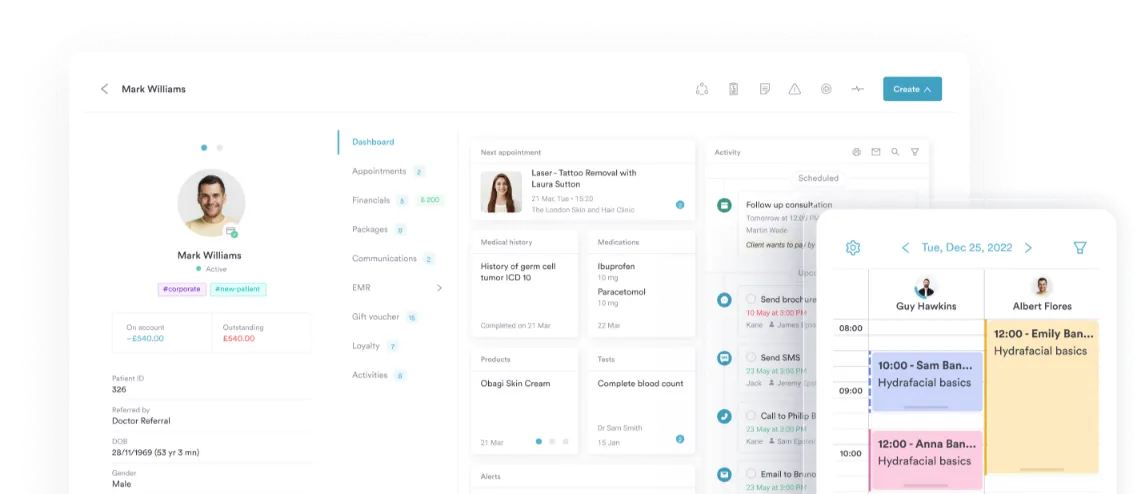
Modern healthcare practice increasingly relies on digital documentation systems that can accommodate treatment plan templates within comprehensive electronic health records. Integration with existing practice management systems streamlines documentation workflows whilst maintaining accessibility for all authorised healthcare team members.
Digital treatment plans offer enhanced functionality, including automated reminders for review dates, progress tracking capabilities, and seamless communication with other healthcare providers. However, it remains essential to maintain backup documentation procedures and ensure system reliability to prevent any disruption to patient care continuity.
Treatment Plan Template