Hydrafacial Consent Form
 By Ivana Karafiloska on February 1, 2026
 Fact checked by: Teodor Jurukovski


Read case studies from our satisfied clients

Compare Pabau with alternative systems
 Integrations

 Measure Pabau savings
 Our security commitment
 About us
Learn why this holistic care and aesthetic medicine clinic chose Pabau to power patient care and performance.
Read more By Ivana Karafiloska on February 1, 2026
Fact checked by: Teodor Jurukovski
By Ivana Karafiloska on February 1, 2026
Fact checked by: Teodor Jurukovski
Legal Protection Essential documentation that protects both practitioners and patients through comprehensive informed consent.
Treatment Understanding Ensures patients fully comprehend the Hydrafacial procedure, benefits, and potential side effects.
Risk Management Documents contraindications, medical history, and potential complications for safer treatment delivery.
Professional Standards Maintains compliance with healthcare regulations and industry best practices for aesthetic treatments.
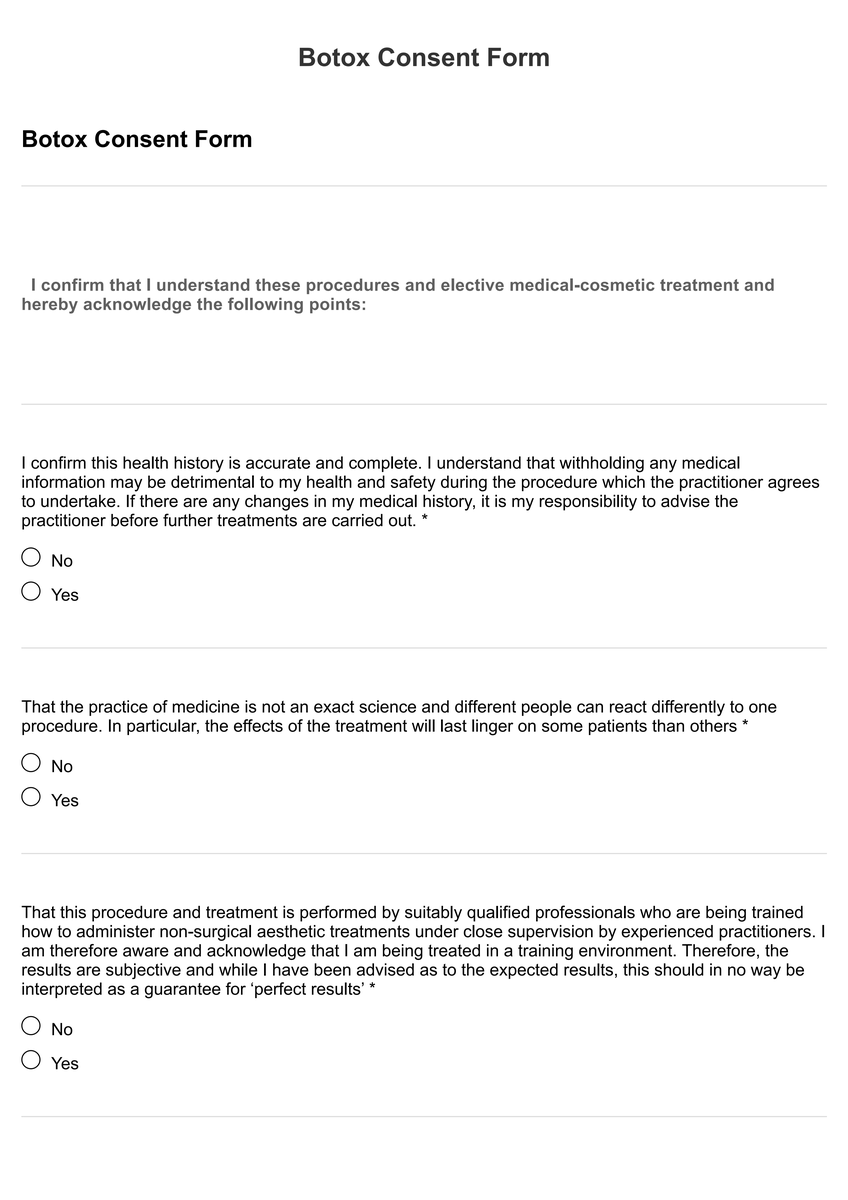
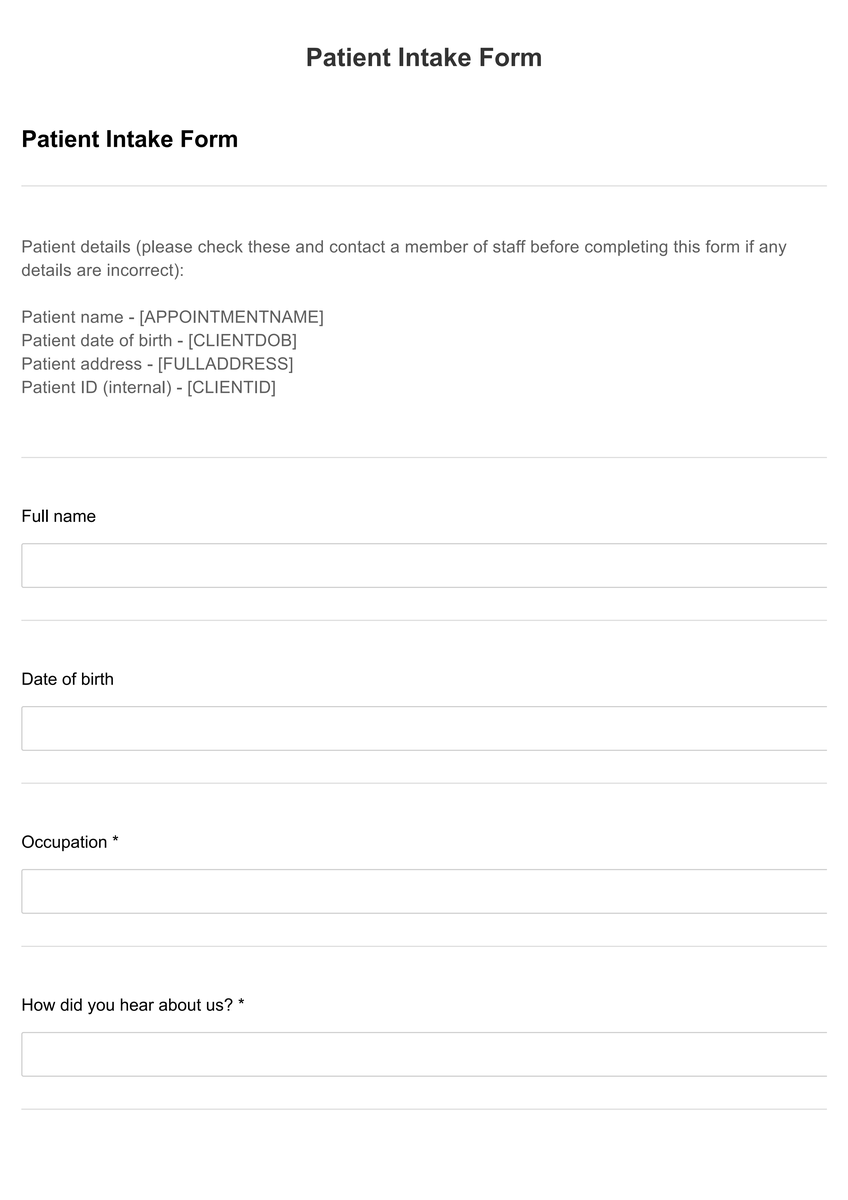
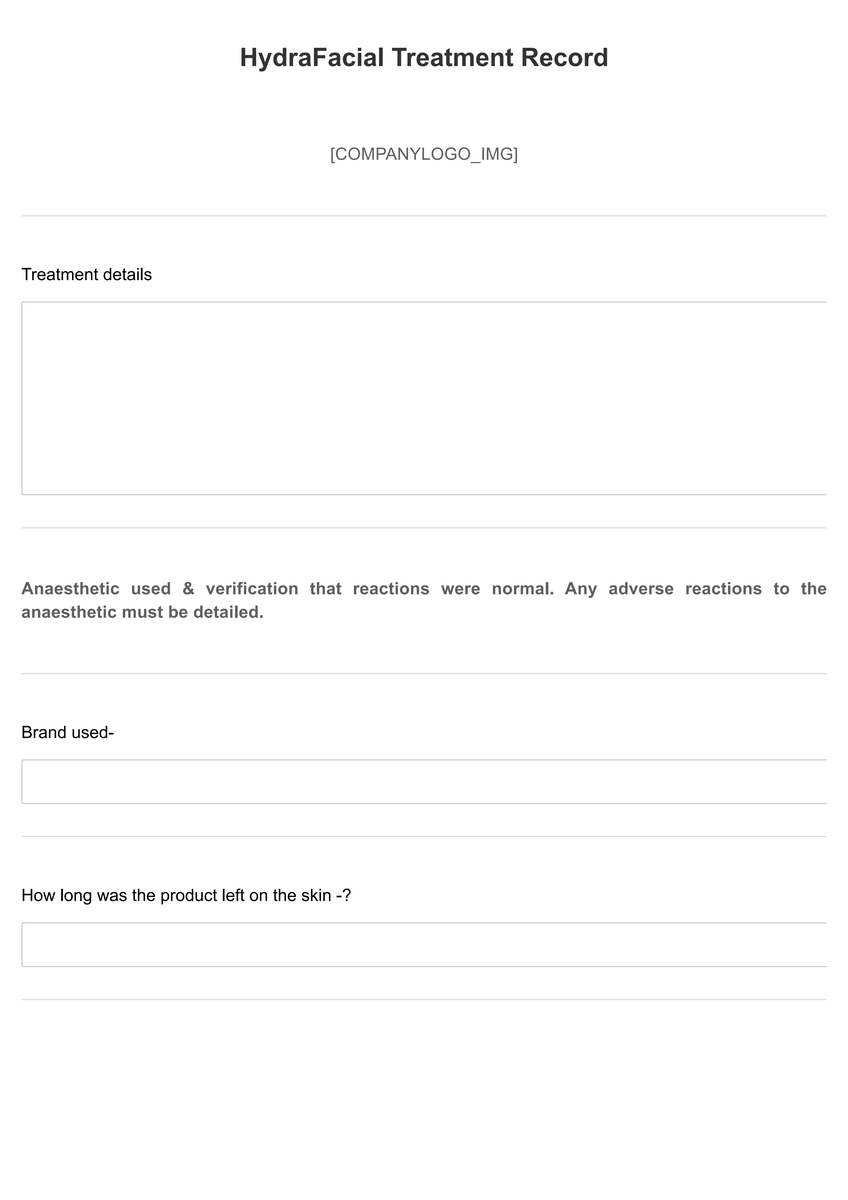
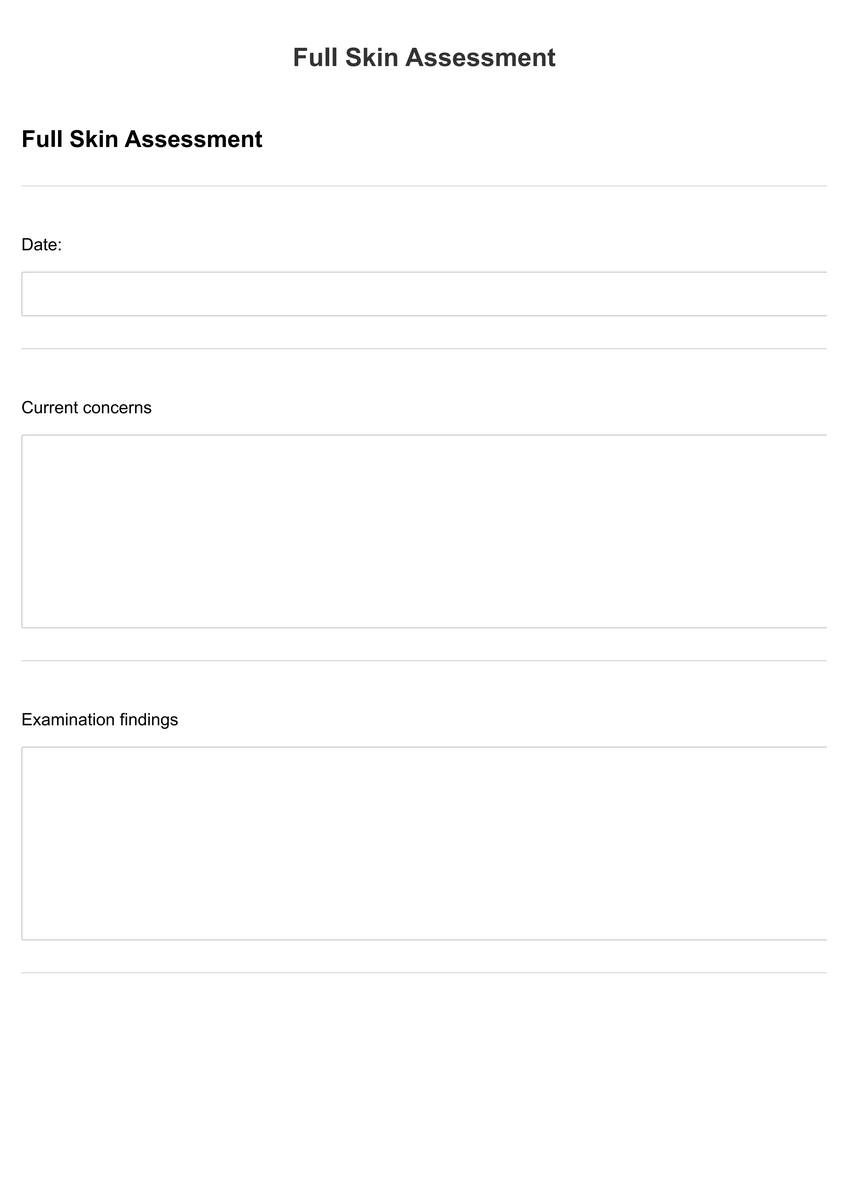
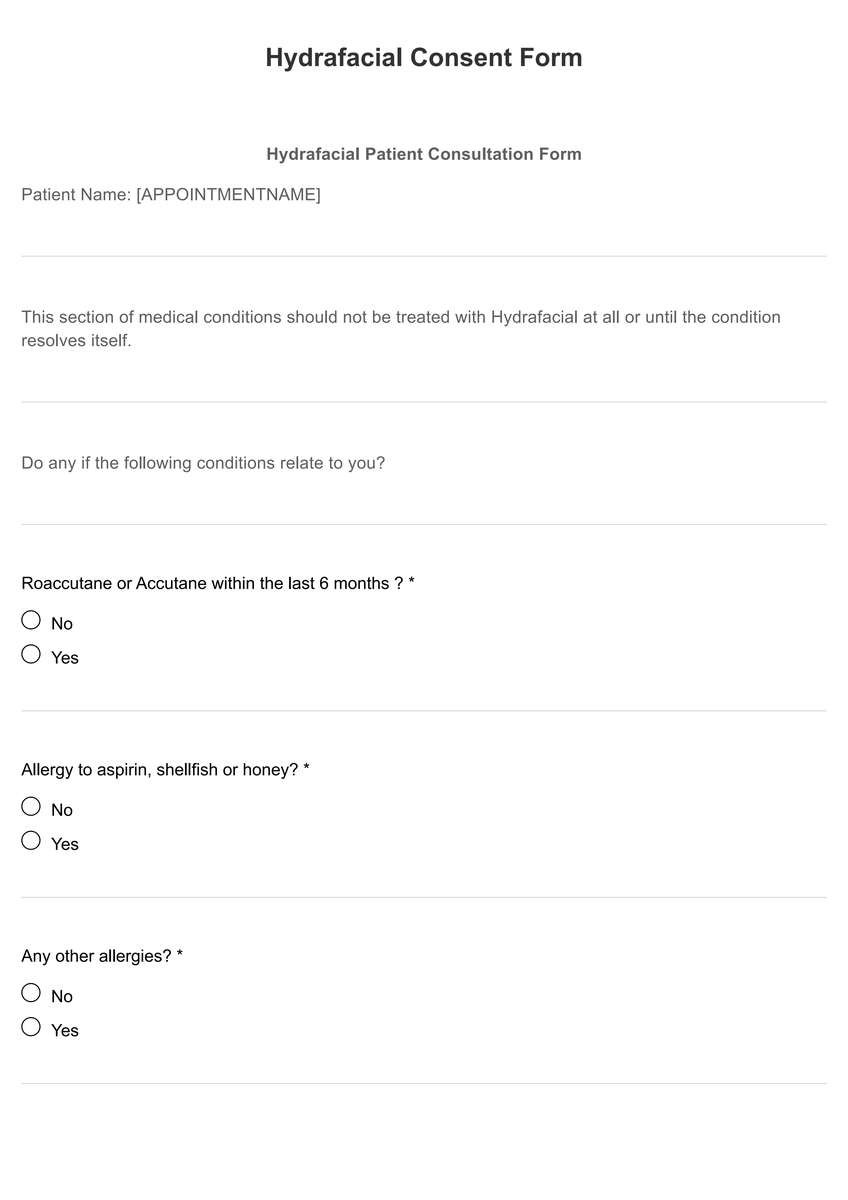
A Hydrafacial consent form is a vital legal and medical document that establishes informed consent between the practitioner and patient before administering Hydrafacial treatments. This comprehensive form serves as both a educational tool and legal safeguard, ensuring patients understand every aspect of the procedure they are about to undergo.
The document encompasses detailed information about the Hydrafacial process, which involves a multi-step treatment combining cleansing, exfoliation, extraction, hydration, and antioxidant protection. Furthermore, the form addresses patient medical history, skin conditions, medications, and any contraindications that might affect treatment safety or efficacy.
In addition to treatment specifics, the consent form outlines realistic expectations for results, potential side effects, aftercare instructions, and the patient's responsibilities throughout the treatment process. This transparency ensures patients can make fully informed decisions about their skincare journey.
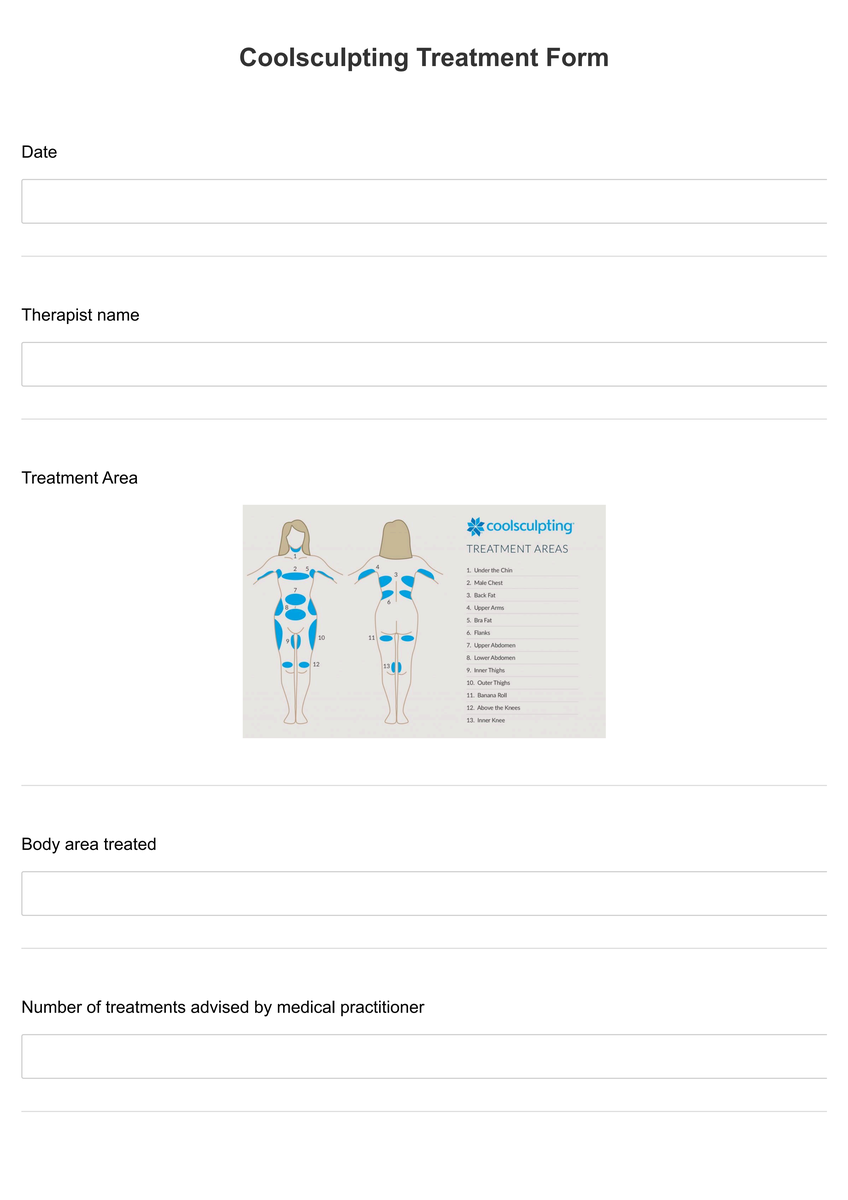
First access the Hydrafacial consent form PDF document by downloading it from Pabau below. The form is professionally designed to meet industry standards and includes all necessary sections for comprehensive patient documentation. Once downloaded, you can print physical copies or use it digitally on tablets for patient completion during consultations.
Schedule adequate consultation time to review the form thoroughly with each patient. Begin by explaining the Hydrafacial procedure in detail, addressing any questions or concerns they may have. This step ensures patients understand what the treatment involves and helps build trust and confidence in your services.
Guide patients through completing their comprehensive medical history, including current medications, allergies, previous skin treatments, and any underlying health conditions. Pay particular attention to conditions that might contraindicate Hydrafacial treatment, such as active infections, recent chemical peels, or certain autoimmune disorders.
Carefully explain both the benefits and potential risks associated with Hydrafacial treatment. Discuss realistic expectations for results, including the timeline for visible improvements and the recommended treatment frequency. Address any specific concerns related to the patient's skin type or condition.
Ensure all sections are completed accurately before obtaining the patient's signature and date. Verify that both practitioner and patient signatures are present, and file the completed form securely in the patient's records for future reference and legal compliance.
The Hydrafacial consent form is essential for aesthetic practitioners, dermatologists, medical spas, and skincare clinics offering Hydrafacial treatments. Medical directors and clinic managers rely on this documentation to maintain regulatory compliance and protect their practice from potential liability issues.
Healthcare providers benefit from using this form as it streamlines the consultation process whilst ensuring all necessary information is captured systematically. The structured format helps practitioners identify contraindications and tailor treatments appropriately for each patient's unique needs.
Patients also benefit significantly from this comprehensive consent process. The form empowers them with detailed information about their treatment, enabling informed decision-making and setting appropriate expectations for their aesthetic journey. Moreover, it provides them with a reference document for aftercare instructions and contact information.
By implementing a thorough consent process, practitioners demonstrate their commitment to patient safety and professional excellence. This approach not only protects the practice legally but also enhances patient confidence and satisfaction, ultimately contributing to better treatment outcomes and stronger patient relationships within the aesthetic medicine field.
Understanding patient safety considerations is crucial when administering Hydrafacial treatments. The consent form helps identify patients who may not be suitable candidates for treatment, including those with active skin infections, open wounds, or severe inflammatory conditions. Pregnant and nursing mothers require special consideration, as do patients taking certain medications that increase photosensitivity or affect skin healing.
Practitioners must carefully evaluate patients with a history of keloid scarring, autoimmune disorders, or those currently using retinoids or other active skincare ingredients. The form provides a systematic approach to gathering this critical information, ensuring treatments are administered safely and effectively.
Proper documentation through the Hydrafacial consent form creates a comprehensive patient record that supports continuity of care and treatment planning. These records become invaluable for tracking patient progress, identifying trends in treatment responses, and making informed decisions about future treatment protocols.
The documentation also serves as evidence of proper informed consent procedures, which is essential for regulatory compliance and professional insurance requirements. Maintaining organised, complete records demonstrates professional accountability and supports the delivery of high-quality patient care in aesthetic medicine practice.