Key Takeaways
Professional Documentation The cosmetic dermatology template ensures comprehensive recording of all aesthetic procedures and patient interactions.
Treatment Planning Structured sections guide practitioners through systematic assessment and treatment documentation.
Regulatory Compliance The template supports adherence to professional standards and clinical governance requirements.
Patient Safety Comprehensive documentation enhances continuity of care and supports informed treatment decisions.
What is a Cosmetic Dermatology Template?
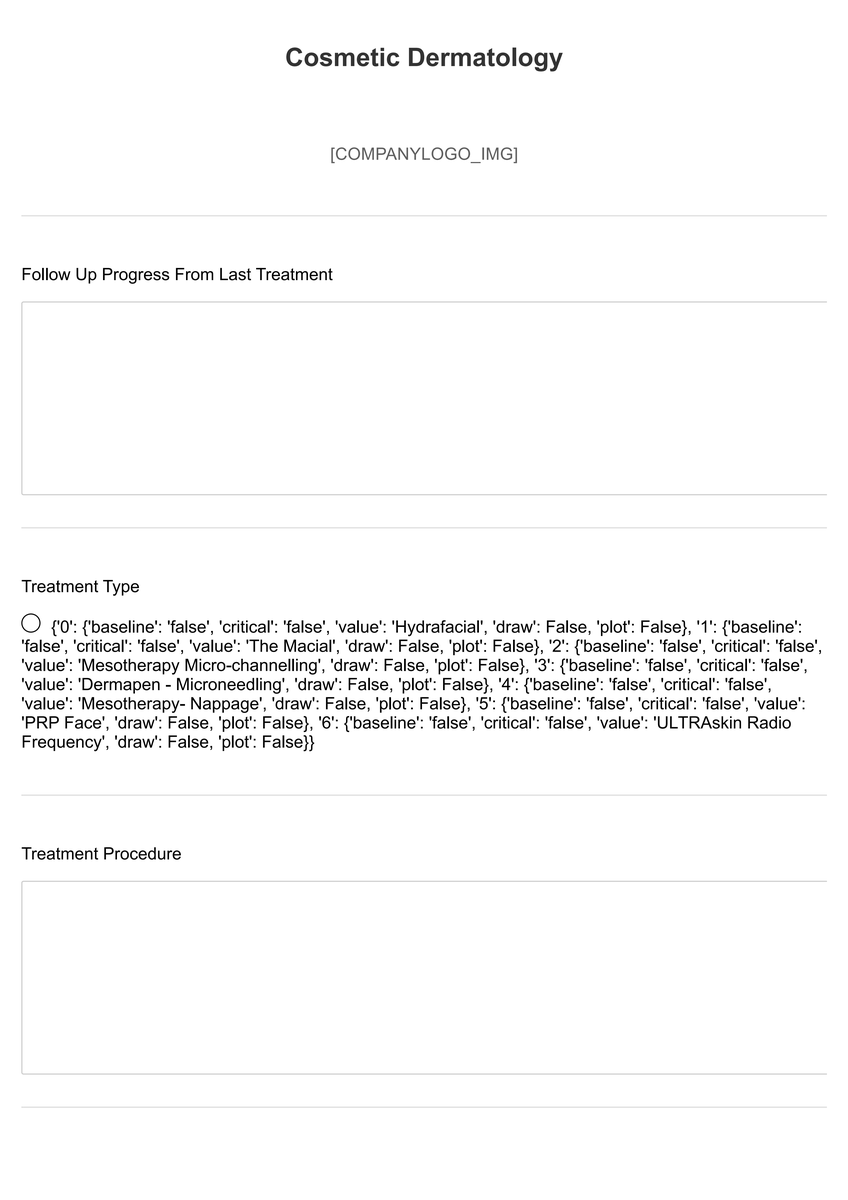
A cosmetic dermatology template is a structured documentation framework specifically designed for aesthetic medical practices. This comprehensive tool enables dermatologists and aesthetic practitioners to systematically record patient assessments, treatment histories, and procedural details in a standardised format. The template encompasses various aspects of cosmetic dermatological care, from initial consultations through to post-treatment follow-ups.
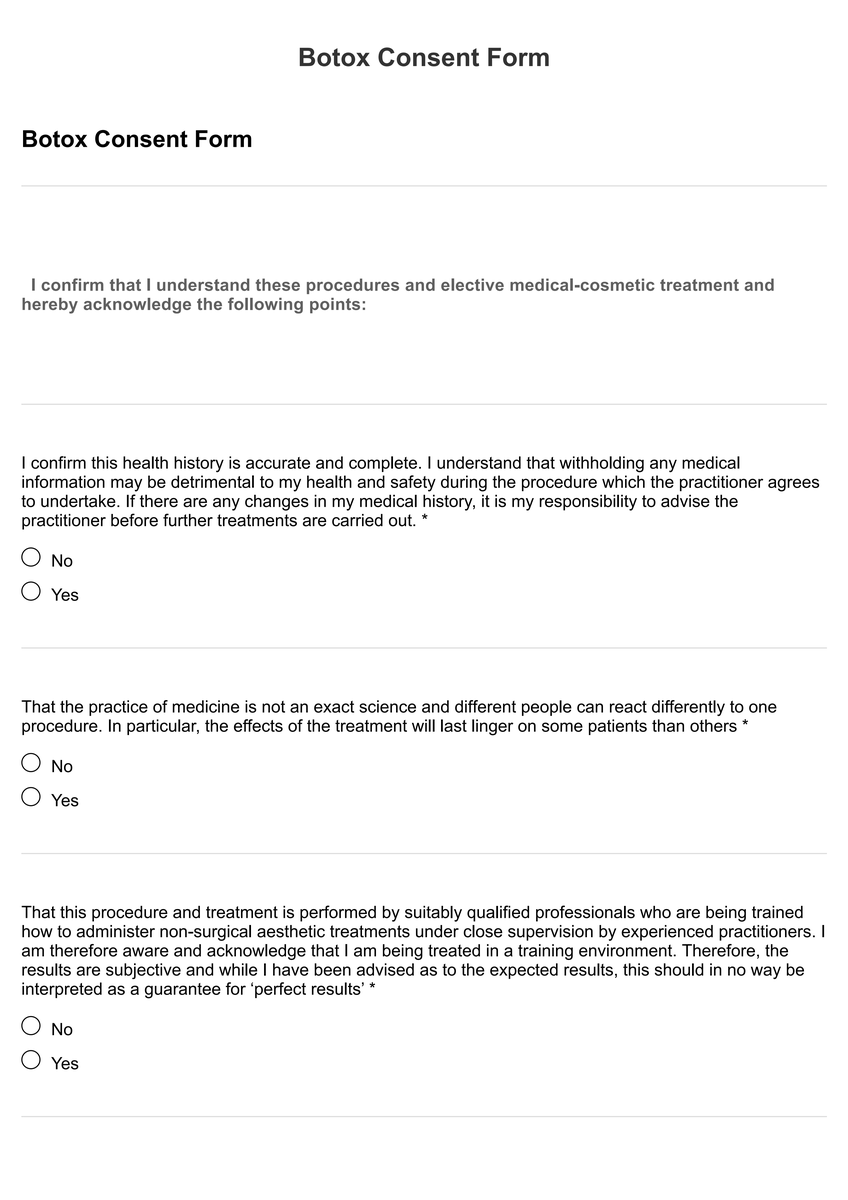
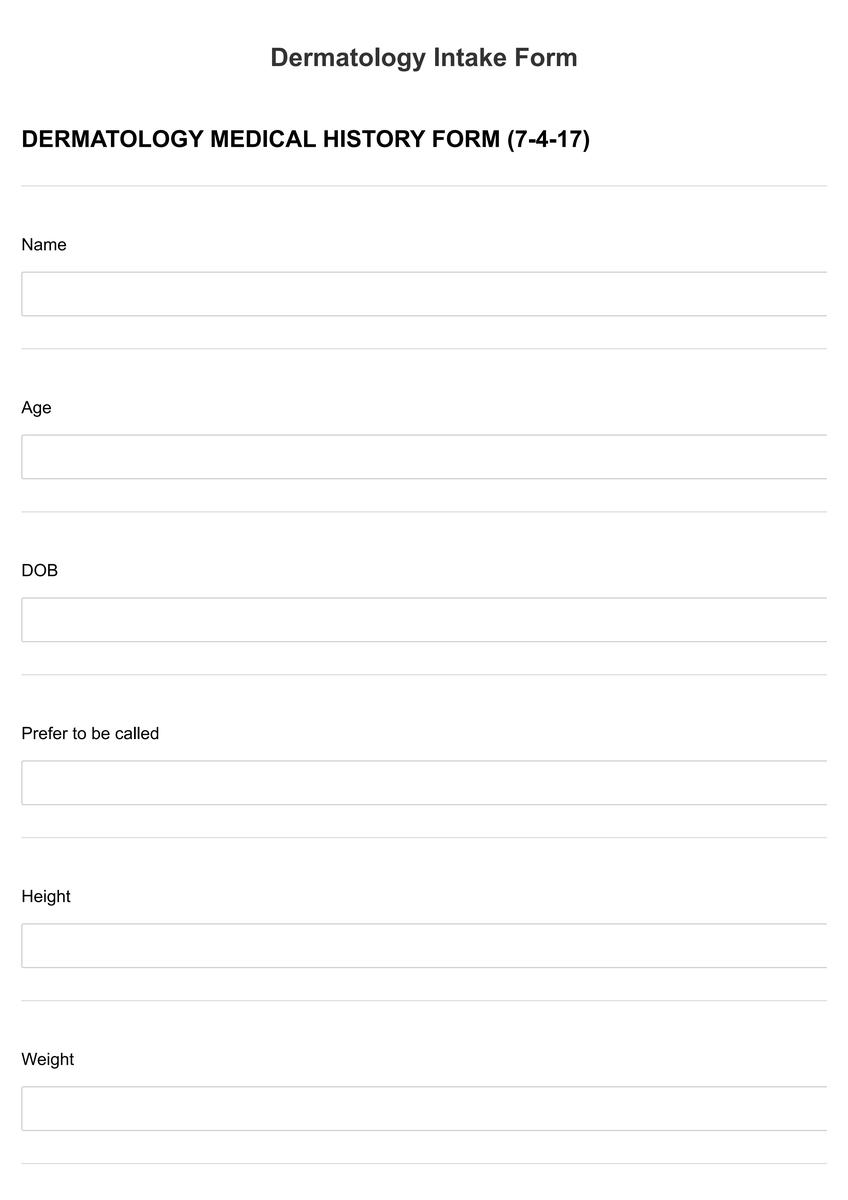
The template serves as both a clinical record and a communication tool, ensuring that all relevant information about cosmetic procedures is captured accurately. It includes sections for patient demographics, medical history, aesthetic concerns, treatment objectives, and detailed procedural notes. Furthermore, the template incorporates essential elements such as informed consent documentation, risk assessments, and outcome measurements.
In practice, cosmetic dermatology templates are essential for maintaining professional standards and supporting clinical decision-making. They provide a systematic approach to documenting aesthetic treatments, ensuring consistency across different practitioners and treatment sessions. The template also facilitates regulatory compliance and supports quality assurance processes within aesthetic practices.
How to Use Cosmetic Dermatology Template?
Step 1: Download the Template
First, access the cosmetic dermatology template PDF document by downloading it from Pabau below. The template is designed to be user-friendly and can be completed electronically or printed for manual completion. Ensure you have the latest version of the template, as updates may include new regulatory requirements or enhanced features. The download process is straightforward and the template will be immediately available for use in your practice.
Step 2: Complete Patient Demographics
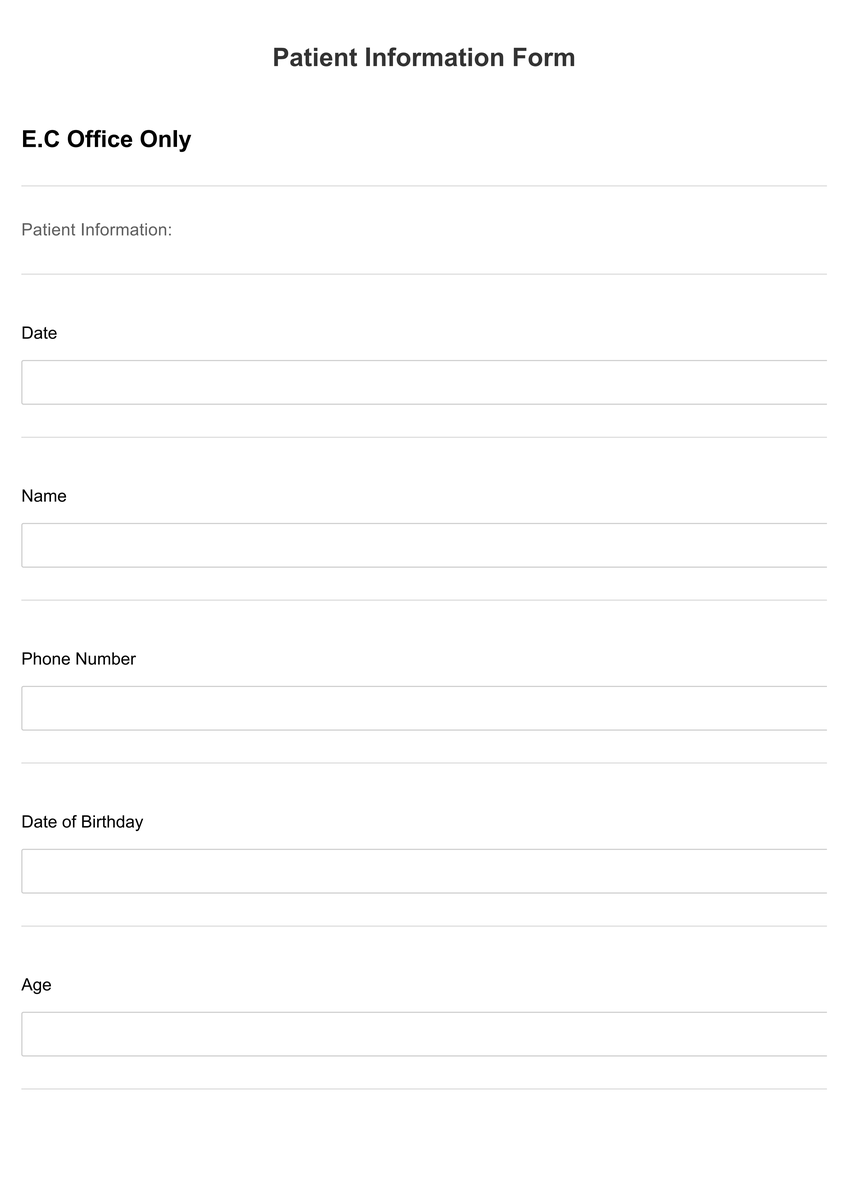
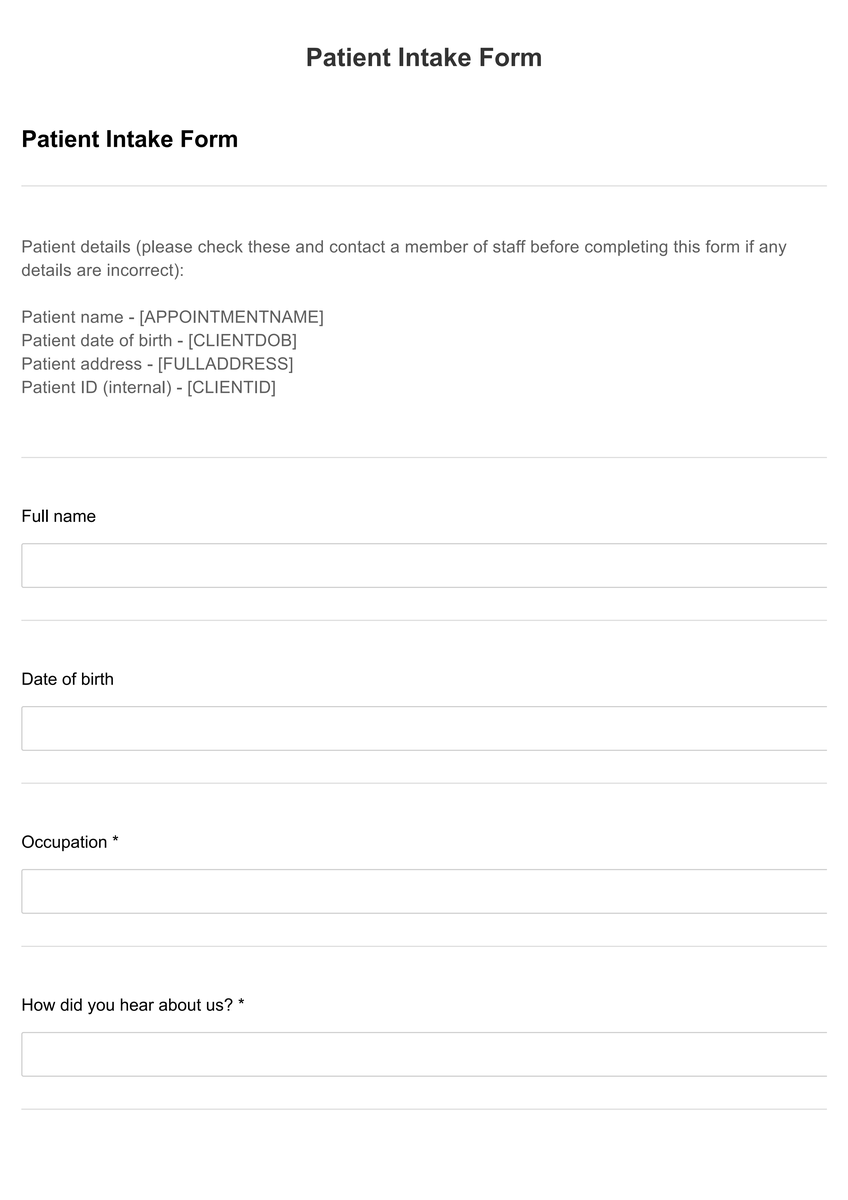
Begin by filling in the patient's personal details, including full name, date of birth, contact information, and unique patient identifier. This section forms the foundation of the clinical record and ensures accurate patient identification. Double-check all demographic information for accuracy, as this data is crucial for maintaining proper medical records and facilitating future care continuity.
Step 3: Document Medical History
Record comprehensive medical history relevant to cosmetic dermatological treatments. This includes current medications, allergies, previous aesthetic procedures, and any contraindications to planned treatments. Pay particular attention to medications that might affect healing or treatment outcomes, such as anticoagulants or photosensitising drugs. This information is vital for treatment planning and risk assessment.
Step 4: Assess Aesthetic Concerns
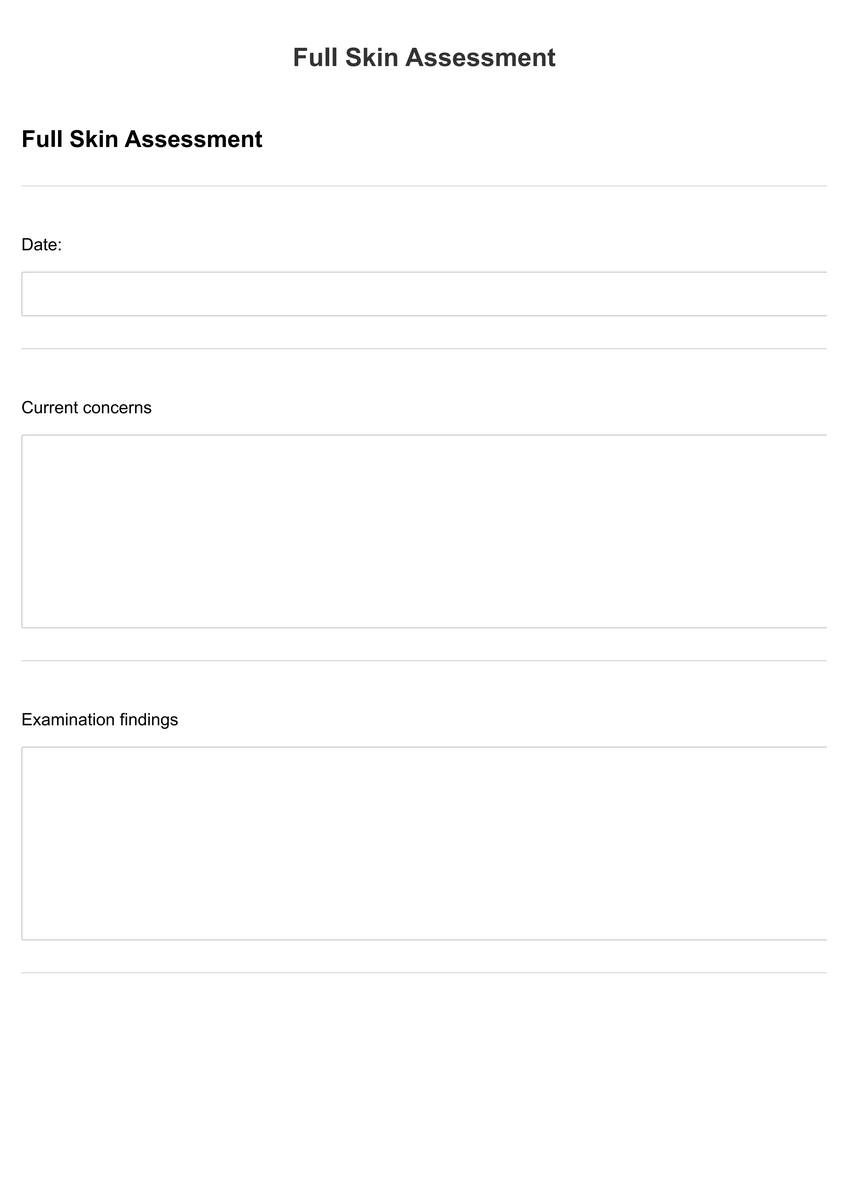
Document the patient's primary aesthetic concerns and treatment objectives in detail. Use standardised assessment scales where appropriate and include photographic documentation if consented. Record the patient's expectations and ensure these are realistic and achievable. This section helps align treatment plans with patient goals and provides a baseline for measuring treatment success.
Step 5: Develop Treatment Plan
Create a comprehensive treatment plan based on the assessment findings. Include specific procedures recommended, treatment sequences, expected timelines, and potential alternatives. Document the rationale for chosen treatments and any modifications to standard protocols. The treatment plan should be clearly communicated to the patient and their understanding confirmed.
Step 6: Record Procedural Details
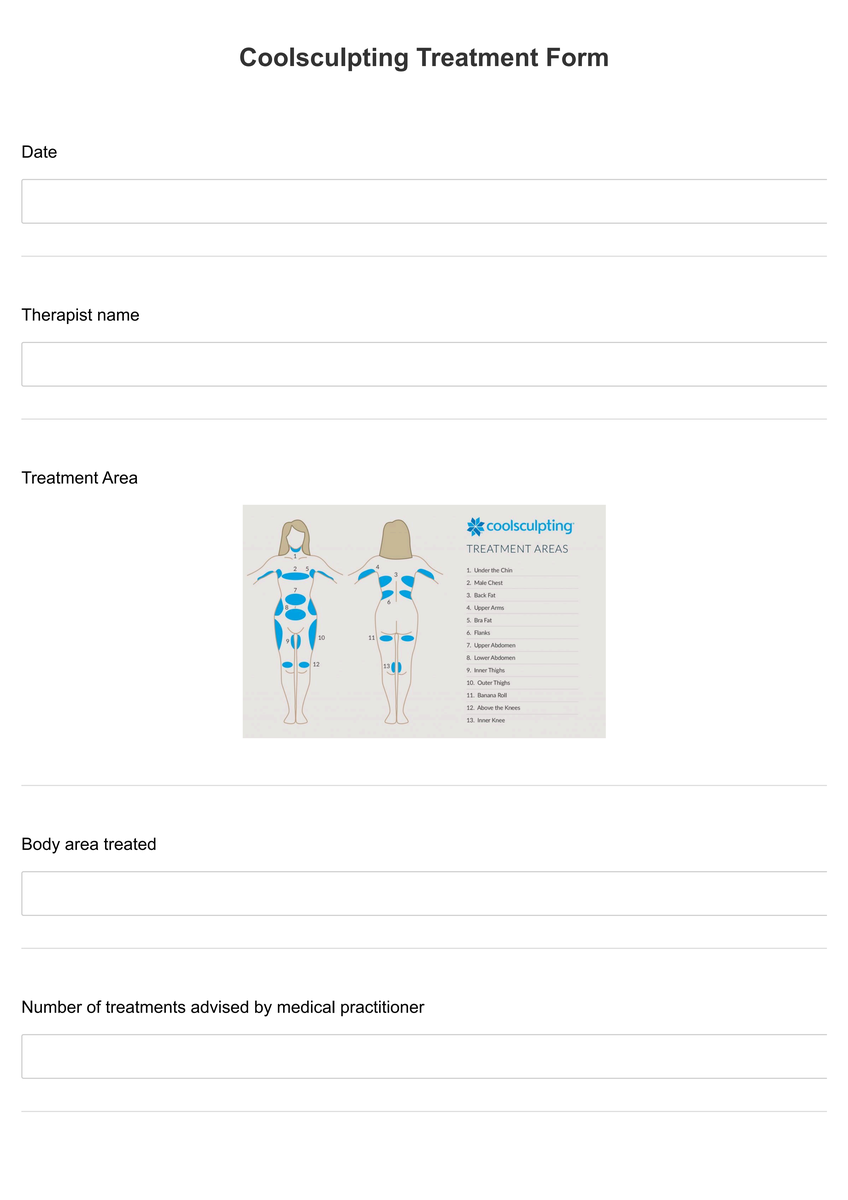
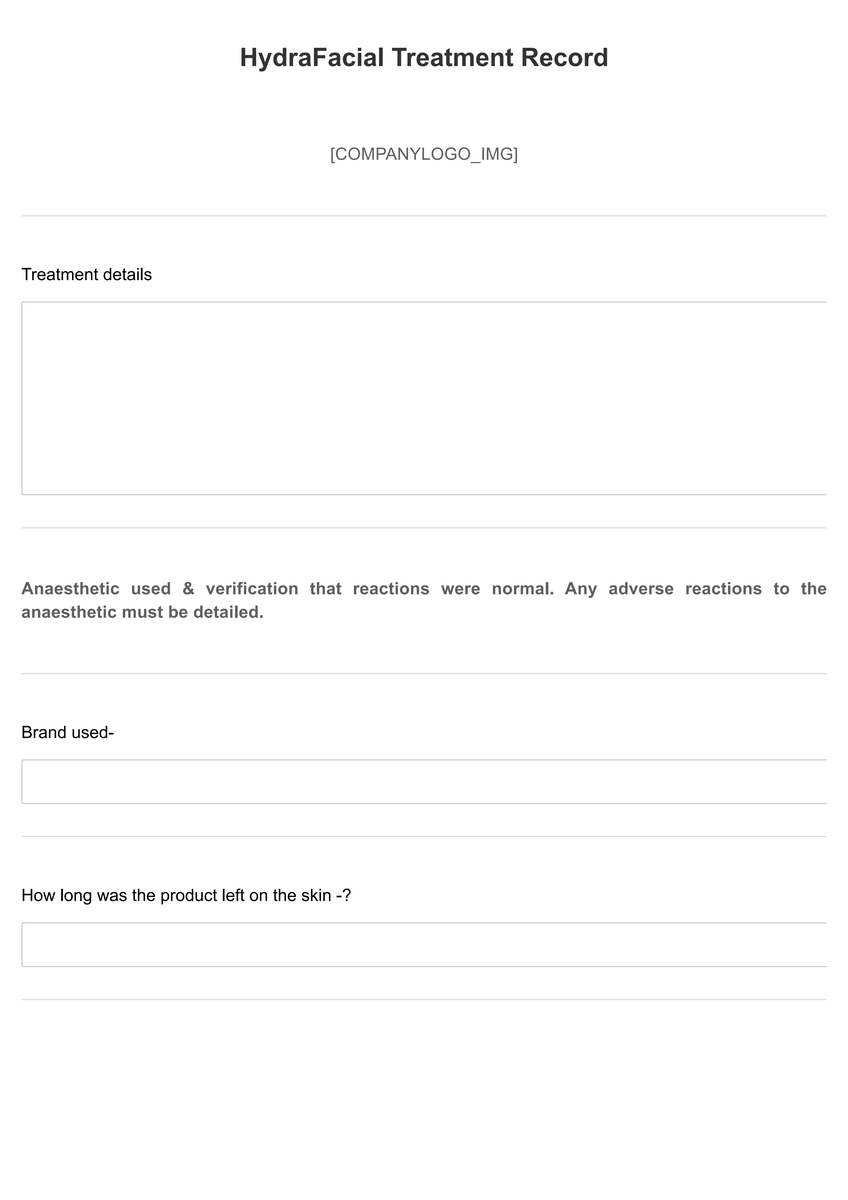
During treatment sessions, meticulously document all procedural details including products used, techniques employed, settings for equipment, and patient responses. Note any complications or unexpected reactions immediately. This detailed documentation supports quality care delivery and provides essential information for future treatments or follow-up care.
Who is it Helpful For?
The cosmetic dermatology template proves invaluable for various healthcare professionals working in aesthetic medicine. Dermatologists benefit significantly from the structured approach to documenting cosmetic procedures, ensuring comprehensive patient records and supporting clinical decision-making. The template provides a systematic framework that enhances the quality of care delivery whilst maintaining professional standards.
Aesthetic nurses and nurse practitioners find the template particularly useful for maintaining consistency in patient documentation across different treatment sessions. The standardised format ensures that all relevant information is captured, regardless of which practitioner sees the patient. This consistency is crucial for maintaining continuity of care and supporting team-based treatment approaches.
Practice managers and administrative staff also benefit from the template's structured format, which facilitates efficient record-keeping and supports regulatory compliance. The template helps ensure that all necessary documentation requirements are met, reducing administrative burden and supporting audit processes. Additionally, the standardised format makes it easier to track treatment outcomes and maintain quality assurance standards across the practice.
Benefits of Using Cosmetic Dermatology Template
- Ensures comprehensive documentation of all aesthetic procedures and patient interactions
- Supports regulatory compliance and professional standards adherence
- Facilitates consistent care delivery across multiple practitioners
- Enhances patient safety through systematic risk assessment and documentation
- Improves communication between healthcare team members
The cosmetic dermatology template represents a significant advancement in aesthetic practice management, providing practitioners with the tools necessary to deliver exceptional patient care whilst maintaining the highest professional standards. By implementing this structured approach to documentation, practices can enhance their clinical outcomes and operational efficiency.
Clinical Governance and Quality Assurance
The cosmetic dermatology template plays a crucial role in supporting clinical governance frameworks within aesthetic practices. By providing standardised documentation processes, the template ensures that all treatments meet established quality standards and regulatory requirements. The structured format facilitates regular audit processes and enables practices to monitor treatment outcomes systematically.
Quality assurance processes are significantly enhanced through the use of standardised templates. The comprehensive documentation requirements help identify areas for improvement and support continuous professional development. Moreover, the template enables practices to demonstrate compliance with regulatory bodies and professional organisations, supporting accreditation processes and maintaining professional standing.
Risk management is another critical aspect supported by the cosmetic dermatology template. The systematic documentation of patient assessments, treatment plans, and outcomes enables practices to identify potential risks early and implement appropriate mitigation strategies. This proactive approach to risk management enhances patient safety and reduces the likelihood of adverse events.
Technology Integration and Digital Workflows
Modern cosmetic dermatology templates are designed to integrate seamlessly with electronic health record systems and practice management software. This integration streamlines documentation processes and reduces administrative burden on clinical staff. Digital templates can incorporate features such as automated calculations, dropdown menus for standardised terms, and integrated photography systems.
The digital format also enables enhanced data analysis capabilities, allowing practices to track treatment outcomes, patient satisfaction scores, and other key performance indicators. This data-driven approach supports evidence-based practice and enables continuous improvement in treatment protocols. Furthermore, digital templates facilitate secure information sharing between healthcare providers whilst maintaining patient confidentiality.
Cloud-based systems ensure that templates are accessible from multiple locations and devices, supporting flexible working arrangements and telemedicine consultations. The ability to access patient records remotely enhances continuity of care and supports collaborative treatment approaches between different specialists.
Cosmetic Dermatology