Key Takeaways
Natural Enhancement Collagen stimulating injections work with your body's natural processes to gradually restore skin firmness and volume over time.
Long-lasting Results Unlike temporary fillers, these treatments provide progressive improvement that can last up to two years as your skin rebuilds its collagen matrix.
Minimal Downtime The procedure involves only minor discomfort with most patients returning to normal activities within 24-48 hours.
Comprehensive Assessment Proper patient evaluation and medical history review ensures optimal treatment outcomes and safety protocols.
What are Collagen Stimulating Injections?
Collagen stimulating injections are innovative aesthetic treatments that harness the body's natural regenerative capabilities to restore youthful skin appearance. Unlike traditional dermal fillers that provide immediate volume through hyaluronic acid or other substances, these specialised injections work by encouraging the production of new collagen fibres within the deeper layers of the skin.
The treatment utilises biocompatible materials such as poly-L-lactic acid (PLLA) or calcium hydroxylapatite, which act as scaffolding to support new collagen formation. As these substances are gradually absorbed by the body, they leave behind a network of newly formed collagen that provides long-term structural support and volume restoration.
This approach represents a significant advancement in aesthetic medicine, offering patients a more natural alternative to traditional volume enhancement procedures. The results develop progressively over several months, creating subtle yet significant improvements in skin texture, firmness, and overall facial contour.
How to use Collagen Stimulating Injections?
Step 1: Download the Treatment Protocol
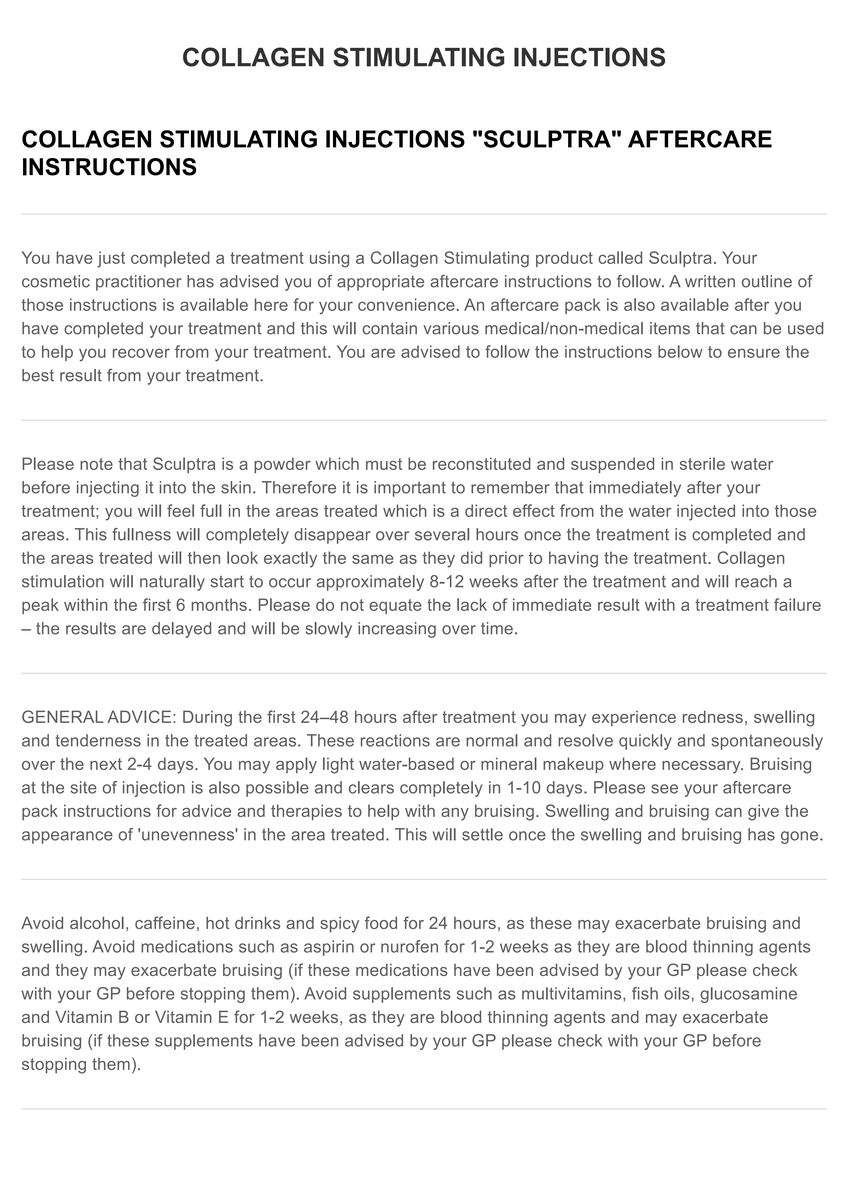
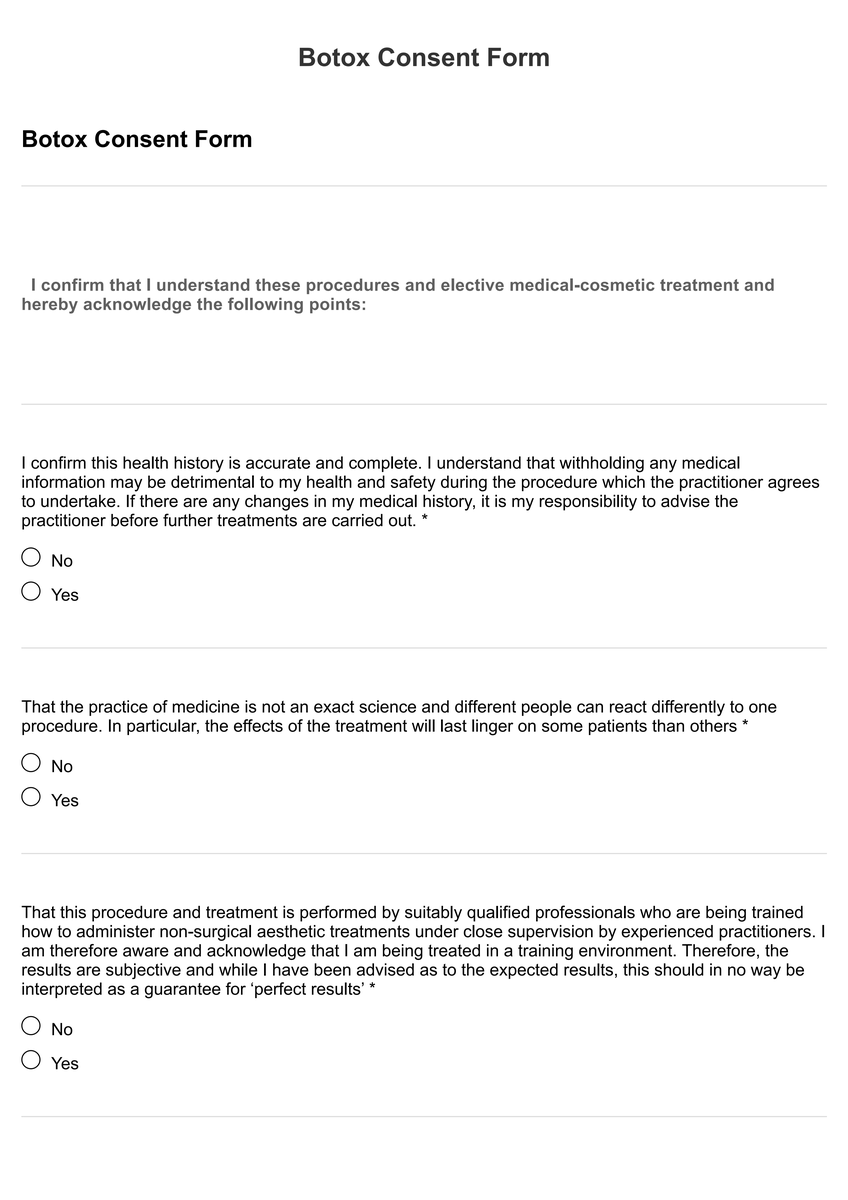
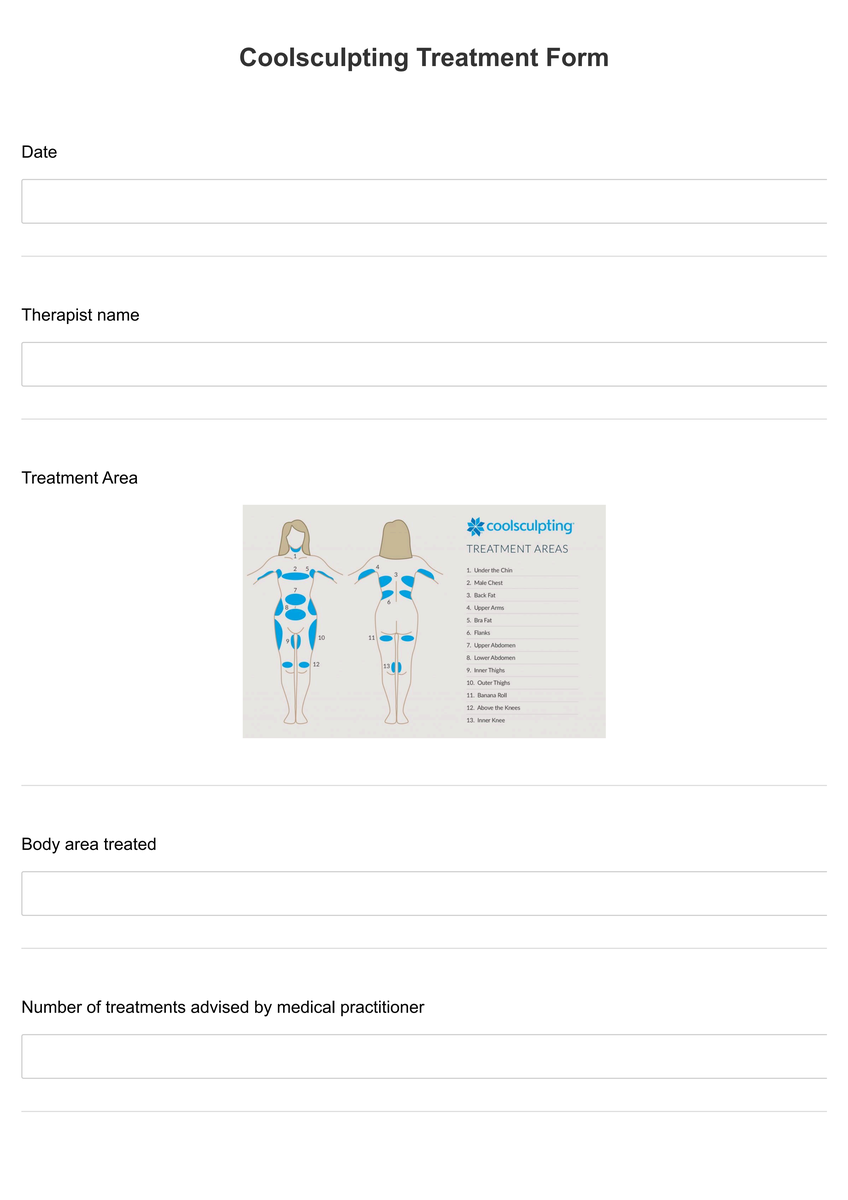
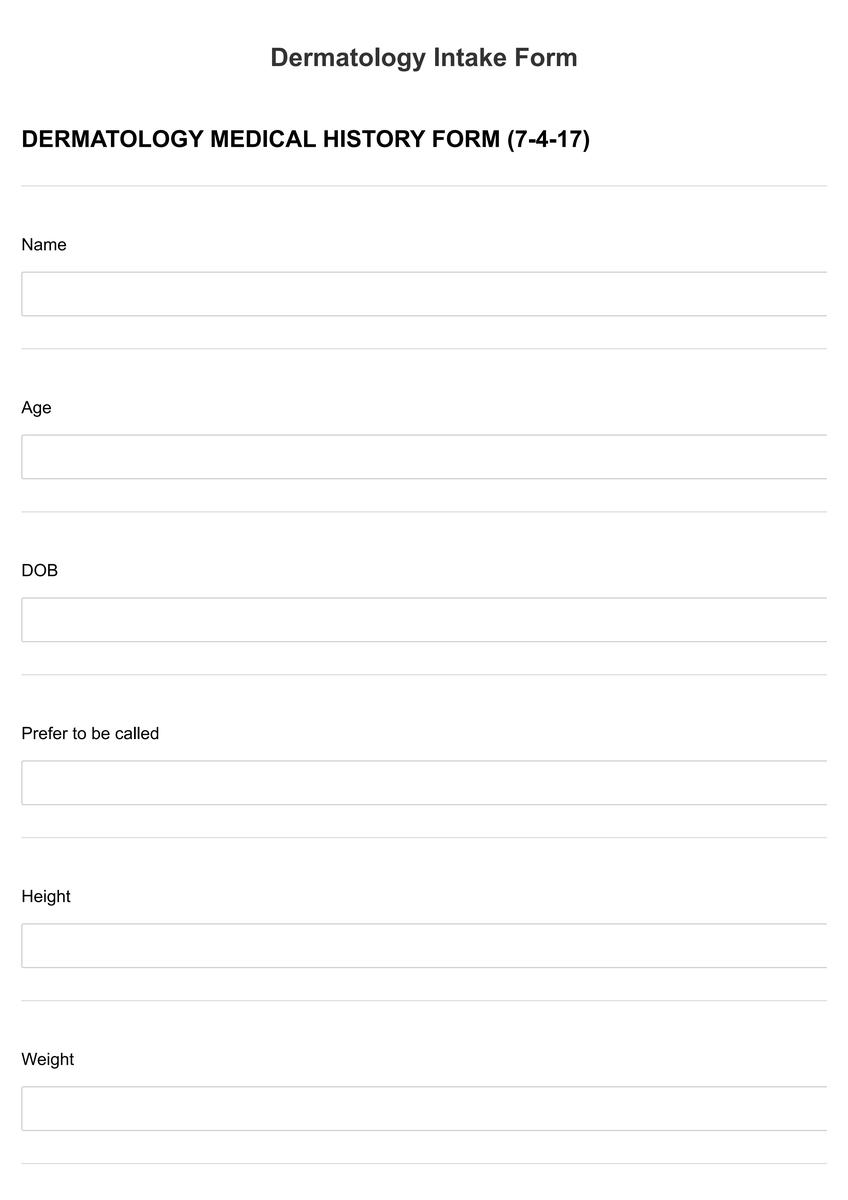
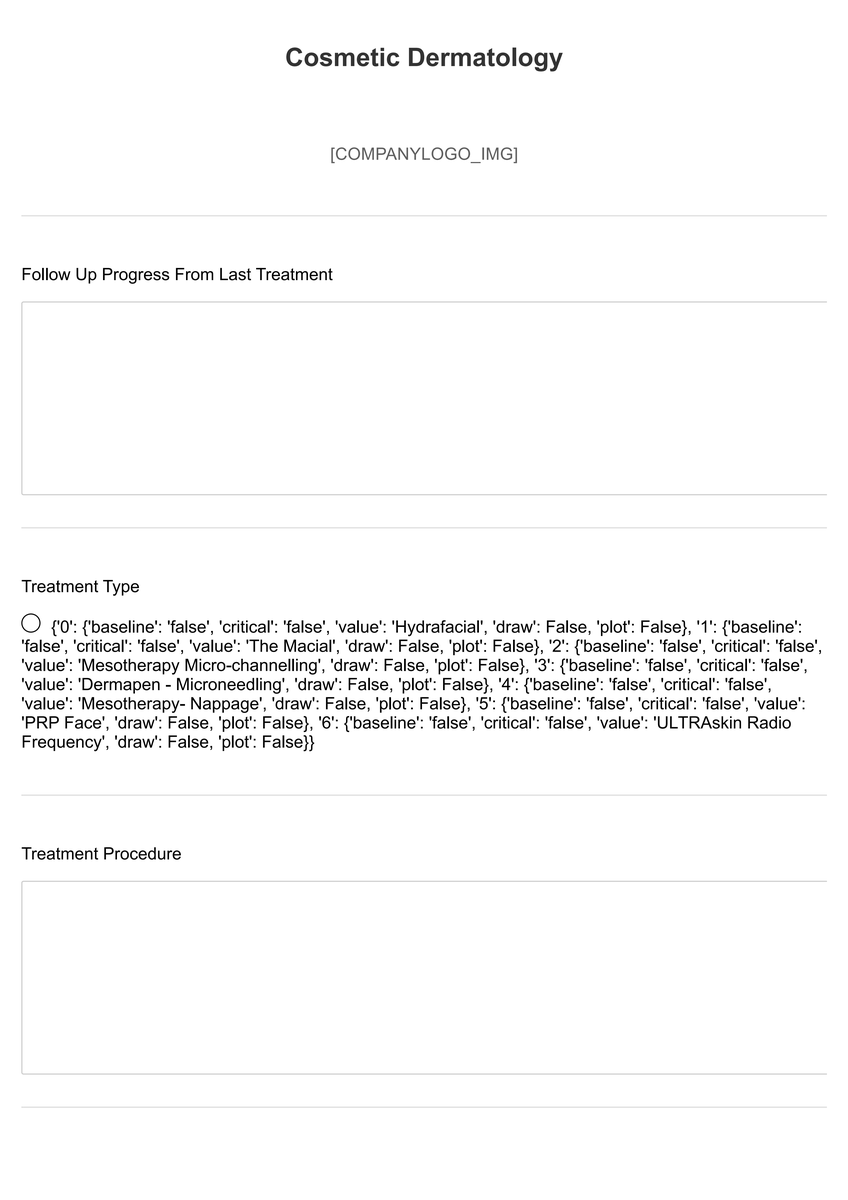
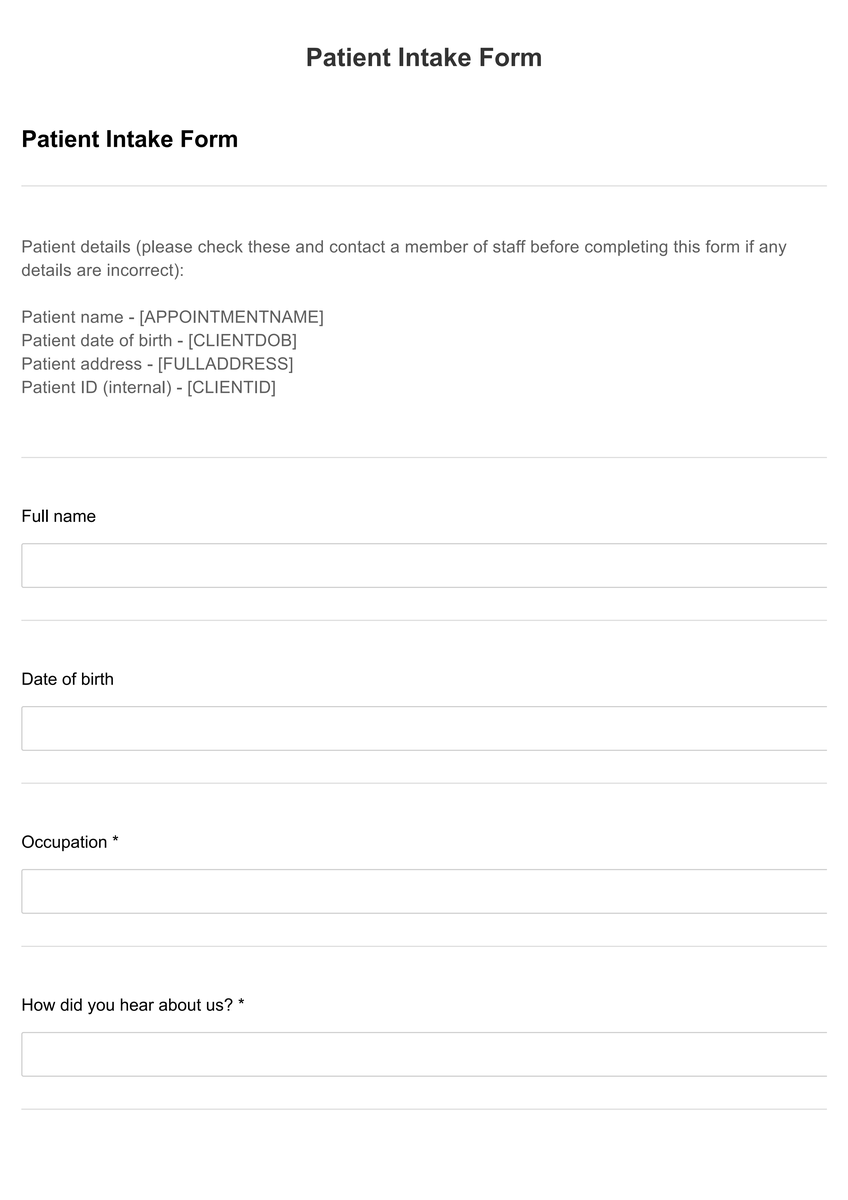
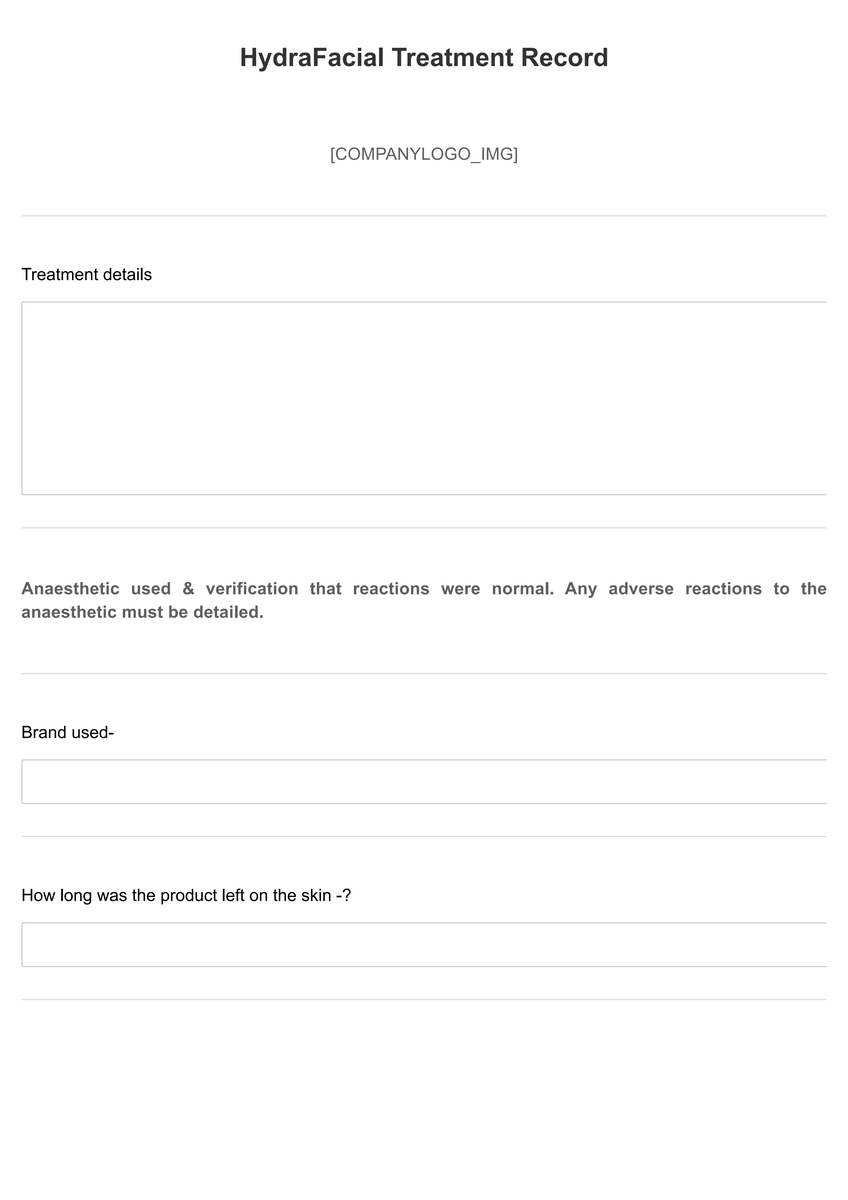
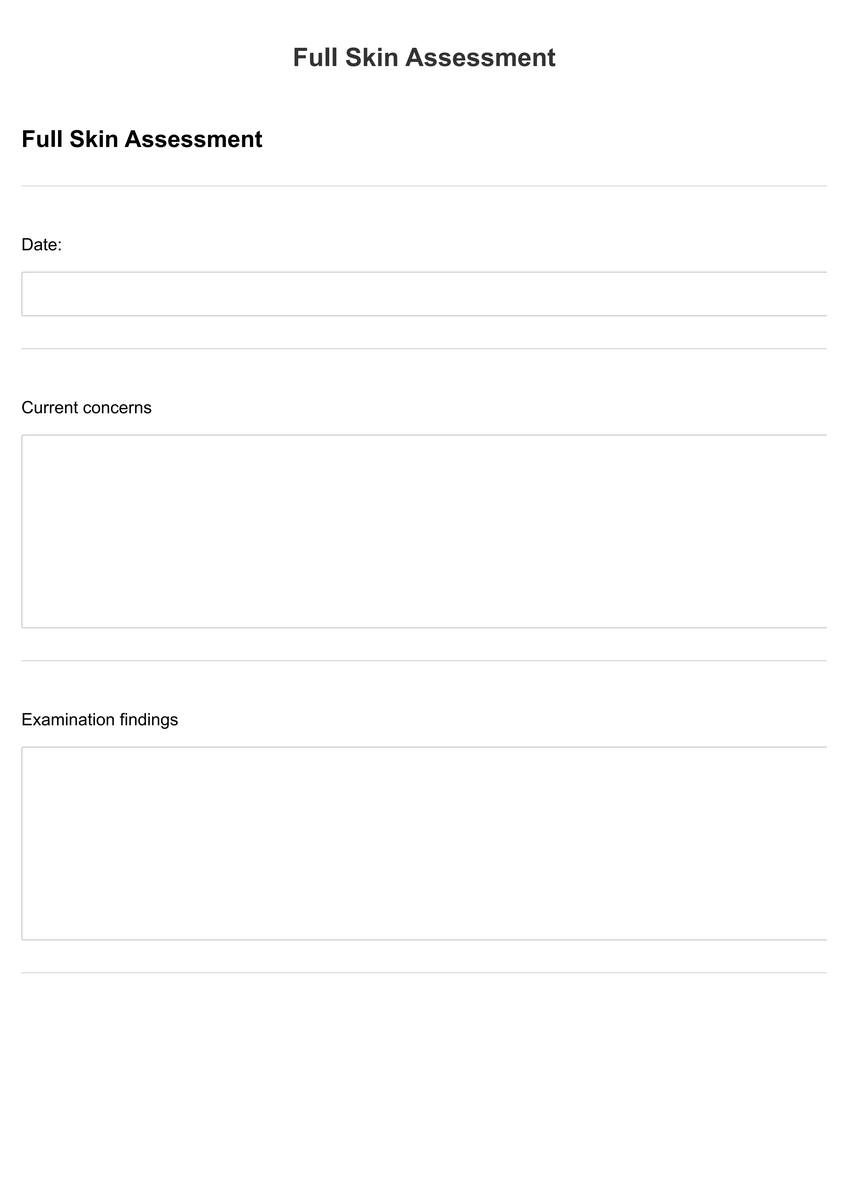
First, access the collagen stimulating injections treatment protocol by downloading it from Pabau below. This comprehensive document provides detailed guidelines for patient assessment, injection techniques, and post-treatment care protocols. The template includes essential forms for medical history documentation, consent procedures, and treatment planning worksheets that ensure standardised care delivery across all patients.
Step 2: Conduct Comprehensive Patient Assessment
Perform a thorough evaluation of the patient's medical history, current medications, and aesthetic goals. Assess skin quality, facial anatomy, and areas requiring treatment. Document any contraindications such as active infections, autoimmune conditions, or recent cosmetic procedures that may affect treatment outcomes.
Step 3: Prepare Treatment Area and Materials
Cleanse the treatment area thoroughly and apply topical anaesthetic if required. Prepare the collagen stimulating product according to manufacturer guidelines, ensuring proper reconstitution and sterile handling. Position the patient comfortably and mark injection points using appropriate anatomical landmarks.
Step 4: Perform Injection Technique
Using aseptic technique, inject the collagen stimulating material into the predetermined sites using appropriate needle or cannula techniques. Massage the treatment area gently to ensure even distribution of the product and prevent nodule formation.
Step 5: Provide Post-Treatment Instructions
Give detailed aftercare instructions including massage protocols, activity restrictions, and signs to monitor. Schedule follow-up appointments to assess progress and determine if additional treatments are required to achieve optimal results.
Who Are Collagen Stimulating Injections Helpful For?
Collagen stimulating injections are particularly beneficial for patients experiencing age-related volume loss, skin laxity, and diminished facial contours. These treatments are ideal for individuals in their thirties to sixties who are beginning to notice the effects of collagen depletion but prefer a gradual, natural-looking enhancement rather than dramatic immediate changes.
Candidates include patients with hollow cheeks, temple volume loss, or overall facial deflation who seek long-term improvement without frequent maintenance treatments. The procedure is especially suitable for those with realistic expectations who understand that results develop progressively over several months.
However, careful patient selection is crucial. Individuals with active skin infections, autoimmune disorders, or unrealistic expectations may not be suitable candidates. A thorough consultation and medical assessment ensures optimal patient safety and treatment outcomes.
Benefits of Using Collagen Stimulating Injections
- Natural collagen regeneration that continues for months after treatment
- Long-lasting results that can persist for up to two years
- Gradual improvement that appears natural and undetectable
- Minimal downtime compared to surgical procedures
- Biocompatible materials with excellent safety profiles
These advantages make collagen stimulating injections an excellent choice for patients seeking sustainable aesthetic enhancement. The treatment combines the effectiveness of advanced medical technology with the body's natural healing processes, delivering results that improve over time while maintaining a completely natural appearance throughout the enhancement period.
Safety Considerations and Contraindications
Patient safety remains paramount when administering collagen stimulating injections. Practitioners must be aware of absolute and relative contraindications including pregnancy, breastfeeding, active skin infections, and certain autoimmune conditions. Additionally, patients taking anticoagulant medications require careful evaluation and potential treatment modifications.
Proper injection technique is essential to prevent complications such as nodule formation, asymmetry, or vascular compromise. Practitioners should maintain current knowledge of facial anatomy, injection depths, and product-specific handling requirements. Emergency protocols should be established for rare but serious adverse events.
Documentation of informed consent, medical history, and treatment protocols protects both patient and practitioner while ensuring optimal treatment outcomes and regulatory compliance.
Expected Treatment Timeline and Results
Understanding the progressive nature of collagen stimulating injections is crucial for managing patient expectations. Initial results may be subtle, with the most significant improvements becoming apparent between three to six months post-treatment. This timeline reflects the natural collagen production cycle and varies between individuals based on age, skin condition, and lifestyle factors.
Most patients require a series of treatments spaced four to six weeks apart to achieve optimal results. The total number of sessions depends on the degree of volume loss, patient goals, and individual response to treatment. Follow-up appointments allow for assessment of progress and adjustment of treatment plans as necessary.
Long-term maintenance may involve annual touch-up treatments to sustain results, though many patients enjoy benefits for eighteen to twenty-four months following their initial treatment series. Regular skin care and sun protection help maximise and extend treatment benefits.
COLLAGEN STIMULATING INJECTIONS