Key Takeaways
Comprehensive Assessment evaluates multiple aspects of patient health including physical symptoms, lifestyle factors, and emotional wellbeing.
Personalised Care enables healthcare practitioners to develop tailored treatment plans based on individual patient needs and health goals.
Holistic Approach considers nutrition, sleep patterns, stress levels, exercise habits, and environmental factors affecting health.
Progress Tracking provides a baseline for monitoring health improvements and treatment effectiveness over time.
What is a Wellness Review Assessment?
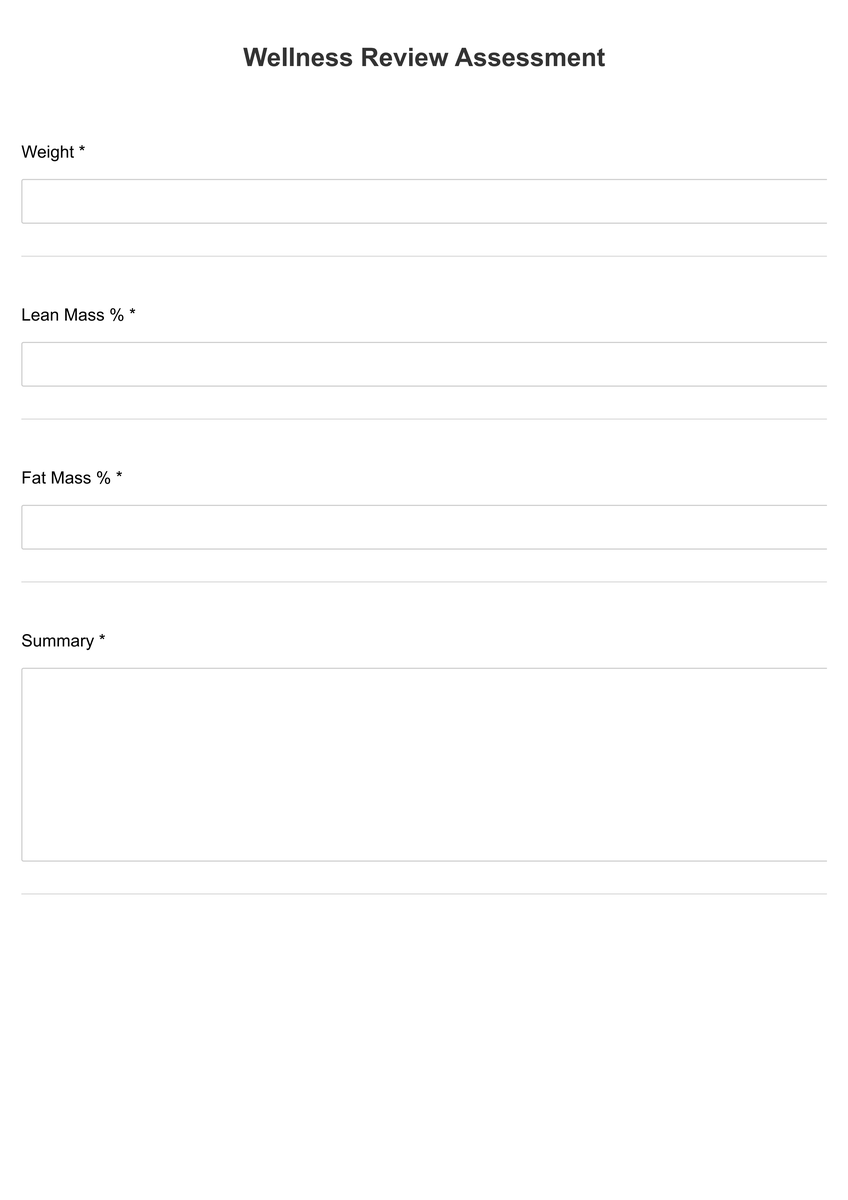
A wellness review assessment is a comprehensive health evaluation tool that goes beyond traditional medical examinations to explore the full spectrum of factors influencing a patient's wellbeing. This detailed assessment captures information about physical symptoms, lifestyle habits, nutritional patterns, stress levels, sleep quality, exercise routines, and environmental influences that may impact overall health.
Unlike standard medical consultations that focus primarily on specific symptoms or conditions, the wellness review assessment takes a holistic approach to understanding a patient's health profile. It examines the interconnections between different aspects of wellbeing, including mental health, social relationships, work-life balance, and personal health goals. This comprehensive evaluation enables healthcare practitioners to identify underlying causes of health concerns and develop targeted interventions for optimal wellness.
The assessment serves as a foundation for personalised healthcare planning, helping practitioners understand each patient's unique circumstances and health challenges. By gathering detailed information about lifestyle factors, medical history, and current concerns, clinicians can create individualised treatment strategies that address root causes rather than merely managing symptoms.
How to use Wellness Review Assessment?
Step 1: Download the Assessment
First, access the wellness review assessment PDF document by downloading it from Pabau below. The form is designed to be printer-friendly and can be completed either digitally or by hand. Ensure you have the most current version of the assessment to capture all relevant health parameters and updated clinical guidelines.
Step 2: Prepare the Patient
Explain to the patient the purpose and scope of the wellness review assessment. Inform them that the evaluation covers multiple aspects of their health and lifestyle, and that honest, detailed responses will help create the most effective treatment plan. Provide adequate time for completion, as thorough responses require careful consideration.
Step 3: Complete the Assessment
Guide the patient through each section of the assessment, ensuring they understand each question and provide comprehensive answers. The form covers areas including current symptoms, medical history, medications, nutritional habits, exercise patterns, sleep quality, stress levels, and personal health goals.
Step 4: Review and Analyse
Carefully review the completed assessment to identify patterns, potential health risks, and areas requiring further investigation. Look for connections between different symptoms and lifestyle factors that may indicate underlying health imbalances or opportunities for wellness improvement.
Step 5: Develop Treatment Plan
Use the assessment findings to create a personalised wellness plan that addresses the patient's specific needs, goals, and circumstances. Consider both immediate health concerns and long-term wellness objectives when developing recommendations.
Who is it helpful for?
The wellness review assessment is particularly valuable for patients seeking comprehensive health evaluation and those interested in preventive healthcare approaches. It serves individuals experiencing unexplained symptoms, chronic fatigue, digestive issues, sleep disturbances, or stress-related health concerns that may benefit from a holistic assessment approach.
Healthcare practitioners working in functional medicine, integrative medicine, and wellness-focused practices find this assessment invaluable for understanding the complete health picture of their patients. It is especially useful for clinicians who want to move beyond symptom management to address underlying causes of health imbalances and optimise overall patient wellbeing.
Patients with multiple health concerns or those taking several medications benefit significantly from this comprehensive evaluation, as it helps identify potential interactions and overlapping factors affecting their health. Additionally, health-conscious individuals seeking to optimise their wellness and prevent future health issues find the assessment provides valuable insights into areas for improvement.
Benefits of using Wellness Review Assessment
- Comprehensive health evaluation covering physical, mental, and lifestyle factors
- Identifies root causes of health concerns rather than just symptoms
- Enables personalised treatment plans based on individual patient needs
- Facilitates better patient-practitioner communication and understanding
- Supports preventive healthcare and early intervention strategies
The wellness review assessment transforms the traditional healthcare approach by providing a complete picture of patient health and wellbeing. This comprehensive evaluation empowers both patients and practitioners to work collaboratively towards optimal health outcomes through personalised, evidence-based interventions that address individual needs and circumstances.
Clinical Integration Strategies
Successful implementation of the wellness review assessment requires careful integration into existing clinical workflows. Healthcare practitioners should allocate sufficient consultation time to review assessment findings thoroughly and discuss implications with patients. The assessment works best when combined with appropriate laboratory testing, physical examinations, and other diagnostic tools to create a complete clinical picture.
Regular reassessment using this tool enables practitioners to track patient progress and adjust treatment plans as needed. Many clinicians find it beneficial to use the assessment quarterly or bi-annually to monitor changes in patient health status and treatment effectiveness. This longitudinal approach helps identify trends and patterns that may not be apparent in single consultations.
Patient Education and Engagement
The wellness review assessment serves as an excellent patient education tool, helping individuals understand the various factors that influence their health and wellbeing. By completing the assessment, patients often gain new insights into connections between their lifestyle choices and health symptoms, leading to increased motivation for positive health changes.
Healthcare practitioners can use assessment findings to facilitate meaningful conversations about health priorities, goal setting, and realistic lifestyle modifications. The comprehensive nature of the evaluation helps patients understand that optimal health requires attention to multiple areas of their lives, not just medical treatment of specific conditions. This understanding often leads to better patient compliance and more successful health outcomes.
Wellness Review Assessment