Key Takeaways
Injection technique The Ozempic pen provides pre-filled semaglutide doses for once-weekly subcutaneous administration with clear visual guidance.
Storage requirements Proper refrigeration before first use and room temperature storage during treatment ensures medication effectiveness.
Dosing schedule Weekly injections on the same day each week maintain consistent therapeutic levels for optimal glycaemic control.
Safety monitoring Regular monitoring for gastrointestinal side effects and proper needle disposal protocols ensure patient safety.
What is an Ozempic Pen?
The Ozempic pen is a pre-filled injection device containing semaglutide, a GLP-1 receptor agonist medication used primarily for managing type 2 diabetes and supporting weight management. This innovative pen delivery system provides patients with a convenient, user-friendly method for self-administering their weekly medication dose. The pen features a simple dial mechanism that allows for precise dosing and includes visual indicators to ensure proper administration.
Semaglutide works by mimicking the action of naturally occurring hormones that regulate blood sugar levels and appetite. When injected subcutaneously, it helps improve insulin sensitivity, slows gastric emptying, and reduces glucose production by the liver. Furthermore, the medication supports weight management by enhancing satiety signals, helping patients feel fuller for longer periods after meals.
How to use an Ozempic Pen?
Step 1: Download Ozempic Pen Template
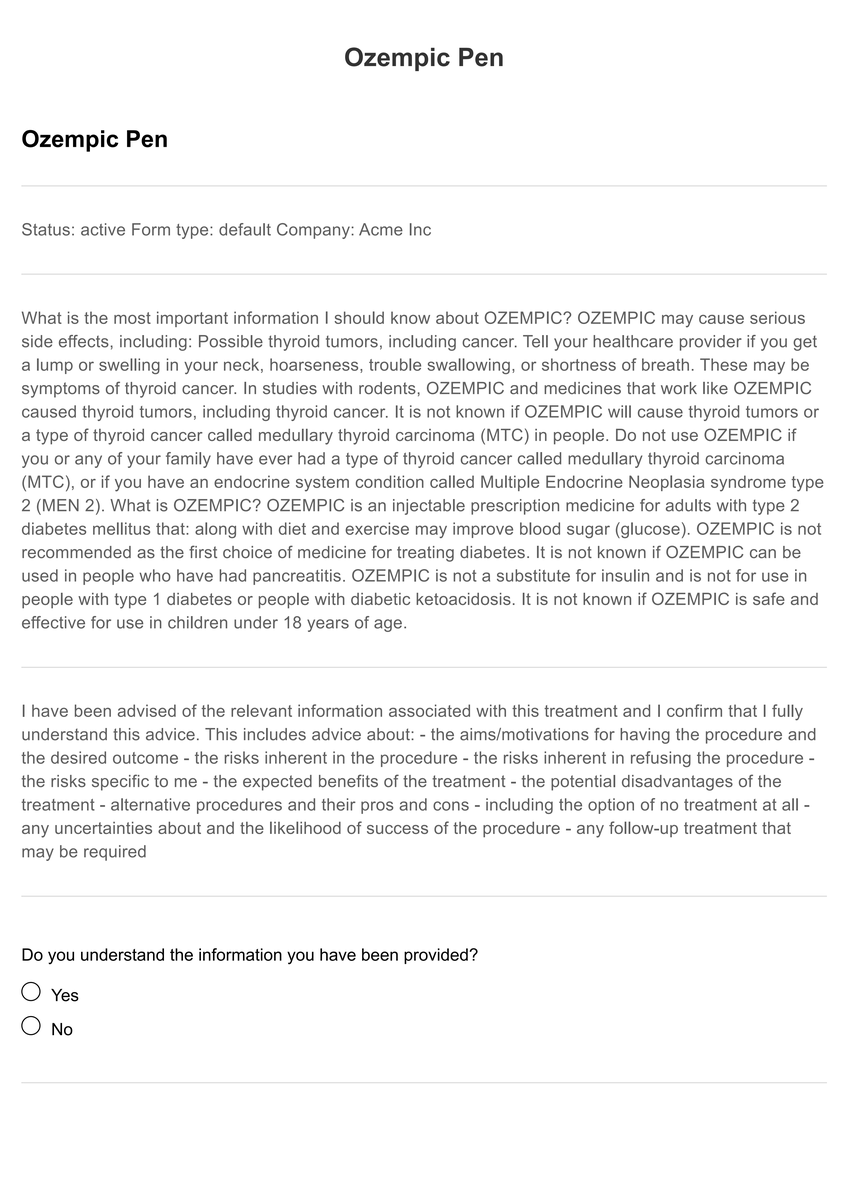
First, access the Ozempic pen template PDF document by downloading it from Pabau below. This comprehensive patient information resource contains detailed visual guides, step-by-step injection instructions, and important safety information that you can customise for your practice. The template includes sections on proper storage, injection technique, dose escalation schedules, and troubleshooting common issues that patients may encounter during their treatment journey.
Step 2: Review Storage and Preparation Requirements
Before first use, ensure the Ozempic pen has been stored in the refrigerator between 2°C and 8°C. Remove the pen from refrigeration 15-30 minutes before injection to allow it to reach room temperature, which improves patient comfort during administration. Check the medication for any discolouration or particles, and verify the expiration date on the pen label.
Step 3: Prepare the Injection Site
Select an appropriate injection site on the thigh, abdomen, or upper arm, rotating locations weekly to prevent lipodystrophy. Clean the chosen area with an alcohol swab and allow it to dry completely. Ensure the injection site is free from scars, moles, or areas of skin irritation that could affect medication absorption.
Step 4: Attach and Prime the Needle
Remove the pen cap and attach a new needle firmly to the pen. Remove both the outer and inner needle caps, keeping the outer cap for safe disposal later. Prime the pen by turning the dose selector to the priming symbol and pressing the injection button until a drop of medication appears at the needle tip.
Step 5: Set the Prescribed Dose
Turn the dose selector to the prescribed dose amount as indicated by your healthcare provider. The pen will click as you turn the dial, and the dose window will display the selected amount clearly. Ensure the dose matches your current prescription, as this may change during the initial titration period.
Step 6: Administer the Injection
Insert the needle into the prepared injection site at a 90-degree angle and press the injection button firmly. Hold the button down and count to six slowly to ensure complete medication delivery. Remove the needle and apply gentle pressure to the injection site if needed.
Who is it helpful for?
The Ozempic pen template serves healthcare practitioners working with patients who have type 2 diabetes, particularly those requiring intensive glucose management or weight loss support. Primary care physicians, endocrinologists, and diabetes specialist nurses find this resource invaluable when initiating semaglutide therapy, as it provides comprehensive patient education materials that can be customised to individual practice needs.
Additionally, this template benefits patients who are new to injectable medications or those transitioning from oral antidiabetic therapies. The visual guides and detailed instructions help reduce anxiety about self-injection whilst ensuring proper technique from the start. Healthcare practices focusing on metabolic health, weight management, or diabetes care can integrate this template into their patient onboarding processes to improve treatment adherence and outcomes.
Benefits of using an Ozempic Pen Template
- Standardised patient education reduces medication errors and improves injection technique confidence
- Visual step-by-step guides accommodate different learning styles and health literacy levels
- Customisable content allows practices to include specific contact information and protocols
- Comprehensive safety information helps patients recognise and respond to potential side effects
- Professional presentation enhances patient trust and treatment adherence rates
This template ultimately empowers patients to take an active role in their diabetes management whilst providing healthcare providers with a reliable educational tool. The standardised approach ensures consistent information delivery across all patient interactions, reducing the risk of miscommunication and improving overall treatment outcomes for individuals using semaglutide therapy.
Managing Side Effects and Monitoring
Effective management of potential side effects is crucial for successful Ozempic therapy. The most common adverse reactions include gastrointestinal symptoms such as nausea, vomiting, diarrhoea, and decreased appetite, which often occur during the initial weeks of treatment or after dose increases. These effects generally subside as patients develop tolerance to the medication.
Healthcare providers should establish clear monitoring protocols, including regular assessment of blood glucose levels, body weight, and renal function. Patients should be educated about when to contact their healthcare team, particularly if they experience severe or persistent gastrointestinal symptoms, signs of pancreatitis, or symptoms of thyroid tumours. Regular follow-up appointments allow for dose adjustments and ensure optimal therapeutic outcomes whilst minimising adverse effects.
Storage and Disposal Guidelines
Proper storage and disposal of Ozempic pens are essential for maintaining medication efficacy and ensuring public safety. Unopened pens should be stored in the refrigerator and protected from light, whilst pens in use can be kept at room temperature for up to 56 days. Patients must never freeze the medication or expose it to extreme temperatures, as this can affect its therapeutic properties.
Safe disposal practices involve removing and discarding needles in approved sharps containers immediately after use. Once empty or expired, the pen body should be disposed of according to local pharmaceutical waste guidelines. Healthcare providers should ensure patients understand these protocols and have access to appropriate disposal resources within their community.
Ozempic Pen