Key Takeaways
Comprehensive Assessment This intake form captures complete medical history, current medications, and lifestyle factors crucial for safe weight loss planning.
Personalised Care Healthcare providers can tailor weight loss strategies based on individual patient goals, preferences, and medical contraindications.
Risk Management Early identification of underlying health conditions ensures appropriate screening and referrals before treatment begins.
Treatment Planning Detailed baseline information enables clinicians to monitor progress and adjust interventions throughout the weight loss journey.
What is a New Patient Weight Loss Intake Form?
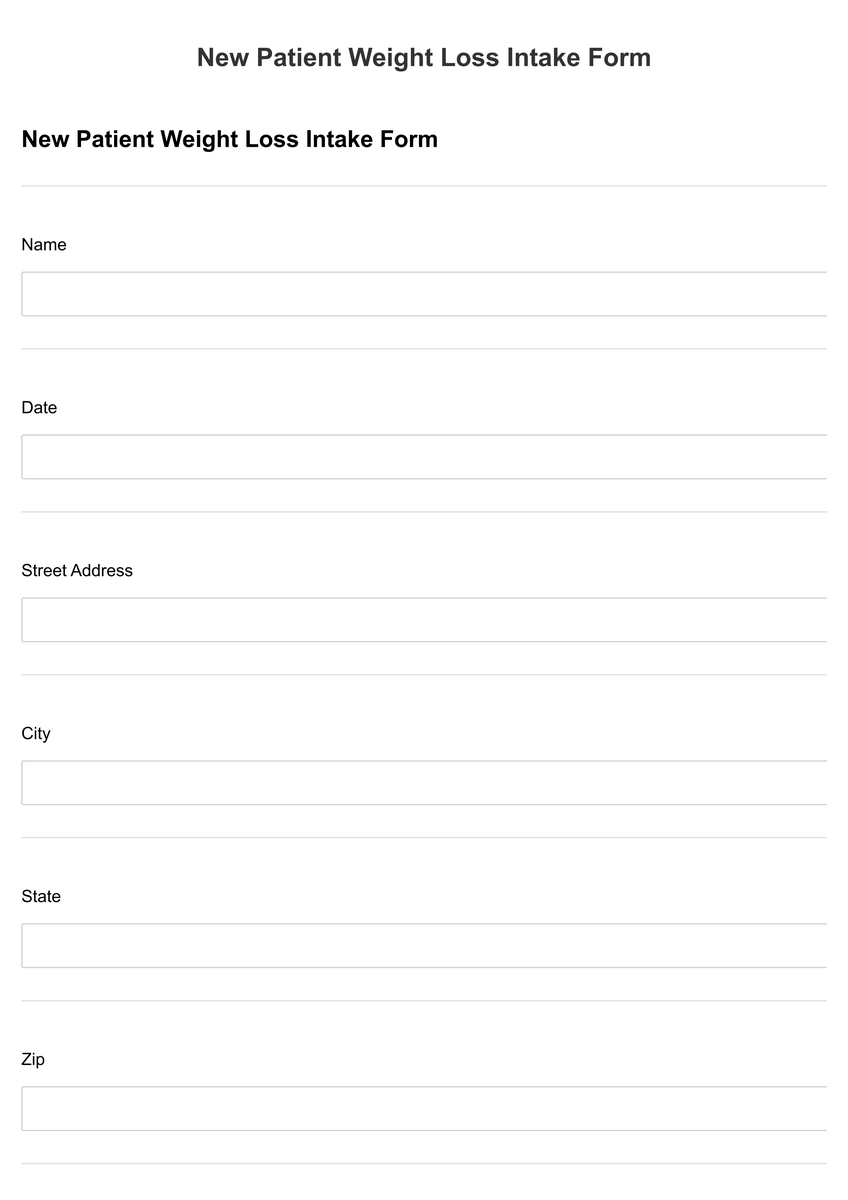
A New Patient Weight Loss Intake Form is a structured questionnaire that serves as the foundation for establishing a therapeutic relationship between healthcare providers and patients seeking weight management support. This comprehensive document systematically collects vital information about a patient's medical background, current health status, previous weight loss attempts, and personal goals.
The form encompasses multiple domains of assessment, including medical history, current medications and supplements, dietary habits, physical activity levels, sleep patterns, and psychological factors that may influence weight management. Additionally, it captures important lifestyle information such as work schedules, family dynamics, and social support systems that can impact treatment success.
Healthcare providers use this information to identify potential contraindications to certain weight loss interventions, screen for underlying medical conditions that may contribute to weight gain, and develop evidence-based treatment plans tailored to each patient's unique circumstances and preferences.
How to use New Patient Weight Loss Intake Form?
Step 1: Download New Patient Weight Loss Intake Form
First access the new patient weight loss intake form PDF document by downloading it from Pabau below. The form is available in a user-friendly format that can be completed either digitally or printed for handwritten completion. Ensure you have the most current version of the form to capture all relevant assessment areas and comply with current clinical guidelines.
Step 2: Patient Preparation and Instructions
Provide clear instructions to patients about completing the form thoroughly and honestly. Advise them to gather relevant documents such as recent blood test results, medication lists, and previous medical records before beginning. Explain that comprehensive information enables more effective treatment planning and better outcomes.
Step 3: Clinical Review and Assessment
Review completed forms prior to the consultation appointment to identify areas requiring further exploration or immediate clinical attention. Flag any concerning medical history, medication interactions, or contraindications that may impact treatment decisions. This preparation ensures efficient use of consultation time and comprehensive care delivery.
Step 4: Goal Setting and Treatment Planning
Use the intake information to collaborate with patients in establishing realistic, measurable weight loss goals. Incorporate their preferences, lifestyle constraints, and medical considerations into an individualised treatment plan that may include dietary modifications, exercise recommendations, behavioural interventions, or medical treatments.
Step 5: Documentation and Follow-up Planning
Document key findings and treatment decisions in the patient's medical record, ensuring continuity of care across the healthcare team. Establish appropriate follow-up schedules based on the patient's risk profile, treatment complexity, and individual needs identified through the intake process.
Who it's helpful for?
The New Patient Weight Loss Intake Form is invaluable for various healthcare professionals providing weight management services. Primary care physicians benefit from comprehensive baseline assessments that inform referral decisions and support shared care arrangements with specialist services.
Specialist weight management clinics and bariatric surgery centres rely on detailed intake information to assess surgical candidacy, identify comorbidities, and plan perioperative care. Dietitians and nutritionists use dietary history and lifestyle information to develop practical, sustainable nutrition interventions tailored to individual preferences and circumstances.
Mental health professionals working within multidisciplinary weight management teams find the psychological assessment components helpful for identifying eating disorders, body image concerns, and emotional factors that may impact treatment success. Furthermore, fitness professionals and exercise physiologists benefit from understanding medical limitations and activity preferences when designing safe, effective exercise programmes.
Benefits of using New Patient Weight Loss Intake Form
- Comprehensive risk assessment identifies contraindications and ensures patient safety
- Personalised treatment planning based on individual goals and medical history
- Improved clinical efficiency through structured information gathering
- Enhanced treatment outcomes through evidence-based intervention selection
- Better patient engagement through collaborative goal setting and care planning
The structured approach to patient assessment promotes clinical excellence whilst ensuring regulatory compliance and medicolegal protection. By establishing clear baseline measurements and treatment goals, healthcare providers can demonstrate progress, adjust interventions as needed, and maintain comprehensive documentation that supports quality improvement initiatives and patient safety standards.
Clinical Considerations for Weight Loss Assessment
Successful weight management requires careful evaluation of multiple factors that can influence treatment outcomes. The intake process should identify underlying medical conditions such as hypothyroidism, polycystic ovary syndrome, or medication-induced weight gain that may require specific management approaches before or alongside weight loss interventions.
Healthcare providers must also assess patients' readiness to change, previous weight loss experiences, and potential barriers to success. This includes evaluating social support systems, financial constraints, work schedules, and family dynamics that may impact adherence to treatment recommendations. Understanding these factors enables clinicians to provide realistic expectations and develop practical strategies that fit within patients' lifestyles.
Integrating Mental Health and Behavioural Assessment
Weight management success often depends on addressing psychological factors that contribute to eating behaviours and lifestyle choices. The intake form should include screening questions for eating disorders, depression, anxiety, and stress-related eating patterns that may require specialised intervention or referral to mental health professionals.
Behavioural assessment helps identify triggers for overeating, emotional eating patterns, and previous successful strategies that can be incorporated into current treatment plans. This information enables healthcare providers to recommend appropriate behavioural interventions, support groups, or psychological therapies that complement medical and nutritional treatments for comprehensive weight management care.
New Patient Weight Loss Intake Form